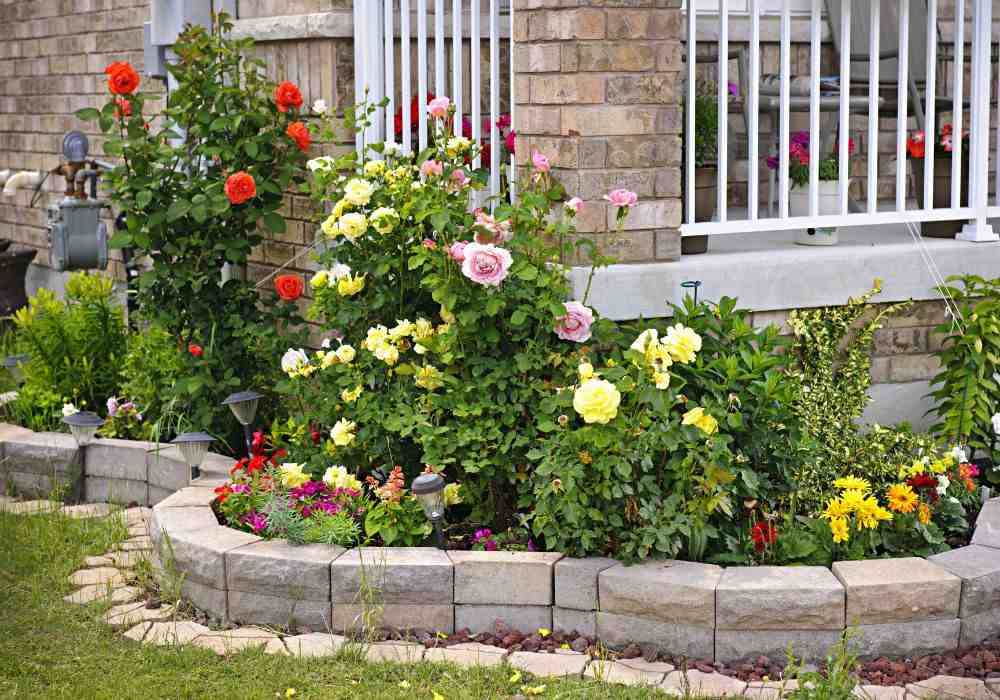
Why Perennial Garden Design Transforms Your Outdoor Space for Years to Come
Perennial garden design is the art of planning and planting a garden with plants that return year after year — delivering color, texture, and structure across every season without starting from scratch each spring.
Quick answer: What is perennial garden design?
- Choose the right plants for your climate, soil, and sun exposure
- Plan for continuous bloom from early spring through late fall
- Layer plants by height — tall in back, medium in middle, short in front
- Group in odd numbers (3, 5, or 7) for visual impact
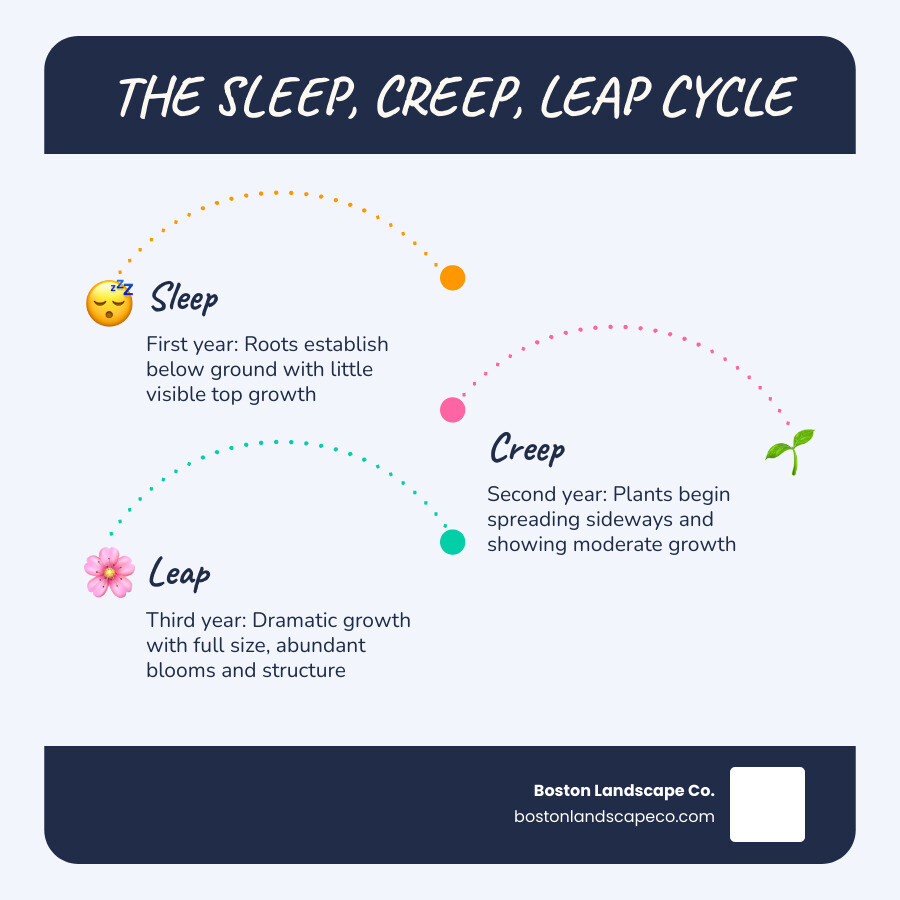
- Expect a 3-year maturity cycle: sleep (year 1), creep (year 2), leap (year 3)
Unlike annual beds that need replanting every season, a well-designed perennial garden builds beauty over time. Once established, perennials generally need less water, attract fewer pests, and support pollinators — making them one of the smartest long-term investments for any Massachusetts property.
Whether you’re starting a new border in Lexington or refreshing an overgrown bed in Concord, the principles are the same: right plant, right place, right plan.
I’m Steve Schumacher, owner of Boston Landscape Co. since 1991, and perennial garden design has been one of the most rewarding specialties I’ve developed across more than three decades of landscape work throughout Greater Boston. The insights in this guide reflect what actually works in our New England climate — not just theory.
Basic Perennial garden design vocab:
- Educational campus design
- Entryway landscape design
- Contemporary garden design
The Core Benefits of Perennial Landscapes
When we talk to homeowners in Billerica or Burlington, the conversation often starts with a desire for beauty that doesn’t require a weekend-long planting marathon every May. This is where perennial garden design shines. Unlike annuals, which complete their life cycle in a single season, perennials are the gift that keeps on giving.
One of the most significant advantages is sustainability. By choosing plants adapted to our local environment, we can implement Sustainable Landscaping Practices for a Greener Environment. Once these plants establish their deep root systems, they naturally require less water and have fewer pest problems than their annual counterparts.
Furthermore, perennial gardens are vital for local biodiversity. They provide consistent food and habitat for butterflies, bees, and birds. A vibrant pollinator garden doesn’t just look spectacular; it supports the entire local ecosystem in towns like Wilmington and Bedford.

From a financial perspective, perennials are highly cost-effective. While the initial investment might be higher than a flat of petunias, these plants return year after year, often growing larger and more beautiful with age. Many varieties can even be divided after three to five years, essentially giving you free plants to expand your garden or share with neighbors.
Planning Your Perennial Garden Design
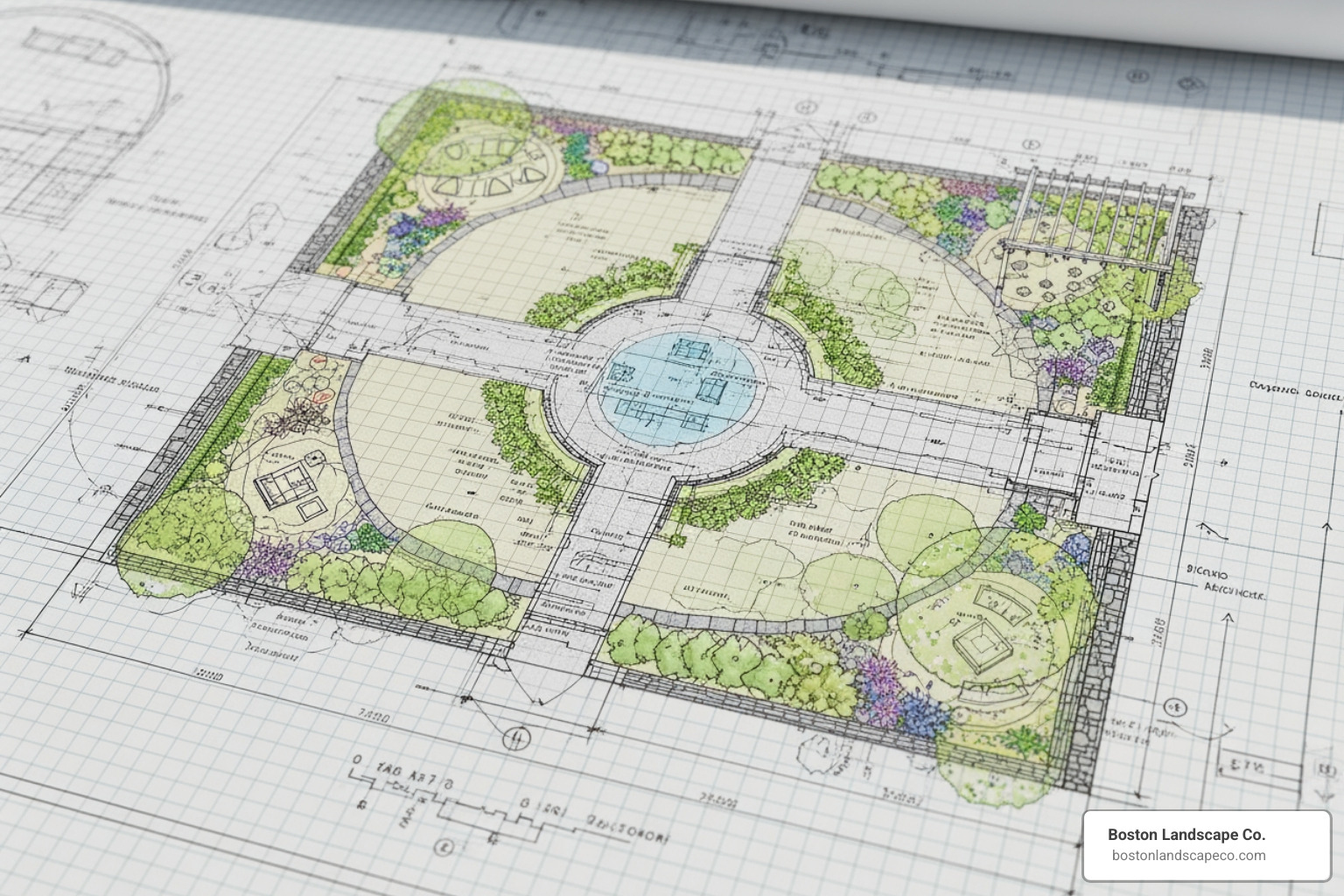
A successful garden starts long before the first shovel hits the dirt. We always begin with a thorough site analysis. In Massachusetts, our gardens face unique challenges, from humid summers to freezing winters. Understanding your specific site conditions is the foundation of Perennial Flower Garden Layout and Design | Almanac.com.
Site Analysis and Hardiness Zones
Most of our service area, including Chelmsford and Lexington, falls within USDA Hardiness Zones 6a and 6b. This means we must select plants that can survive winter temperatures as low as -10°F. Beyond temperature, we look at:
- Sun Exposure: Does the area get “Full Sun” (6+ hours), “Part Sun” (3-6 hours), or “Shade” (less than 3 hours)?
- Soil Type and Drainage: Is your soil heavy clay that holds water, or sandy and fast-draining? Most perennials prefer well-drained, organic soil.
- Wind and Microclimates: Is the bed protected by the house, or exposed to the harsh New England north wind?
Selecting Plants for Massachusetts Climates
For residents seeking Landscape Design in Lexington MA, we recommend focusing on a mix of native species and proven hardy cultivars. Natives like the New England Aster or Eastern Red Columbine are perfectly adapted to our local soil and weather patterns.
When we design in Concord, we often perform soil pH testing to ensure the ground is hospitable for specific favorites like Peonies or Lavender. The “right plant in the right place” reduces your future maintenance by half.
Structural Elements and Hardscape Integration
A garden isn’t just about the flowers; it needs “bones.” We often integrate Contemporary Garden Design principles by balancing softscape (plants) with Hardscaping Services like stone walkways or retaining walls.
A good rule of thumb is a 60/40 ratio, where hardscape provides the structural backbone and perennials provide the life and color. Evergreen shrubs serve as excellent visual anchors, ensuring your garden doesn’t look empty when the herbaceous perennials die back in the winter.
Achieving Continuous Bloom and Visual Interest
The “holy grail” of perennial garden design is the continuous bloom. You want a garden that practically hums with life from April through October. This requires careful planning of the bloom sequence.
According to the Three-Season Perennial Garden Design Plan | The Old Farmer’s Almanac, the key is overlapping flowering times.
- Spring: Start with bulbs like Crocus and Tulips, followed by Creeping Phlox and Bleeding Hearts.
- Summer: This is the peak season with Coneflowers, Salvia, and Daylilies.
- Fall: Finish strong with Sedum ‘Autumn Joy’, Asters, and Ornamental Grasses.
Color Schemes and Texture
Don’t just think about flower color; think about foliage. In perennial garden design, flowers are often fleeting, but leaves remain for months. We love combining different textures — like the broad, waxy leaves of a Hosta against the fine, airy blades of Fountain Grass.
To create visual harmony, we use rhythmic repetition. Rather than buying one of everything (the “onesie” mistake), we plant in drifts of 3, 5, or 7. This mimics how plants grow in nature and creates a more impactful, professional look.
Layering for Depth and Dimension
To make a border feel lush, you must layer by height.
- Background: Tall plants like Joe Pye Weed or Feather Reed Grass.
- Mid-border: Medium-height fillers like Black-eyed Susans or Phlox.
- Foreground: Low-growing “edgers” like Lady’s Mantle or Coral Bells.
Always keep mature sizes in mind. A tiny pot from the nursery might grow into a four-foot-wide bush in three years. Proper spacing ensures good air circulation, which is critical for preventing fungal diseases in our humid Massachusetts summers.
Essential Maintenance and Long-Term Success
While perennials are lower maintenance than annuals, they aren’t “no maintenance.” Success begins with site preparation. We recommend incorporating several inches of organic matter (compost or aged manure) into the top 12 inches of soil before planting.
Once your plants are in the ground, mulching is your best friend. A 2-to-3-inch layer of shredded bark helps retain moisture, suppresses weeds, and keeps roots cool. For more inspiration on how to layout these beds, check out our Backyard Garden Ideas.
Avoiding Mistakes in Perennial Garden Design
The most common mistake we see in Wilmington yards is the “onesie” garden. This happens when a gardener buys one of every plant that looks pretty at the nursery, resulting in a jumbled, disjointed mess. Professional designers practice “editing” — sticking to a restricted palette of high-performing plants to create a cohesive look.
Other mistakes to avoid include:
- Overplanting: Not leaving room for the plants to reach their mature size.
- Neglecting Soil Health: Thinking the plants will thrive in poor, compacted soil without amendments.
- Lack of Structure: Forgetting to include evergreens or grasses for winter interest.
The Importance of Plant Division
Perennials are living things that eventually outgrow their space. Most varieties benefit from division every three to five years. This rejuvenates the plant, improves its vigor, and prevents the center from dying out.
Typically, we divide spring-blooming plants in the fall and fall-blooming plants in the spring. This is a great way to expand your garden for free!
Professional Implementation and Investment Value
When considering Landscape Design Services Compared: The Winner Revealed, the value of professional installation becomes clear. Whether you’re in Billerica or Burlington, a professionally designed perennial garden can increase your home’s value by 5% to 15%.
A professional team ensures that the soil is properly amended, the drainage is correct, and the plants are high-quality specimens that will thrive in our climate.
DIY vs. Professional Installation
| Feature | DIY Installation | Professional Installation |
|---|---|---|
| Planning Time | 20-40+ Hours | Included in Design Phase |
| Physical Labor | High (Weekends/Weeks) | 1-3 Days (Typical) |
| Plant Sourcing | Limited to Local Retail | Access to Wholesale Nurseries |
| Guarantee | None | Often Includes 1-Year Warranty |
| Soil Prep | Often Underestimated | Heavy Machinery/Deep Amendment |
Average Investment for Professional Garden Design
Based on online data, professional perennial installations in 2026 typically vary based on the scale of the project and the maturity of the plants used. Please note that all prices mentioned are average costs sourced from publicly available internet data and are not the actual prices of Boston Landscape Co.
For a comprehensive perennial garden design and installation, industry averages suggest a wide range:
- Small Border/Entryway: $20,000 – $45,000+
- Full Backyard Transformation: $55,000 – $125,000+
These figures account for design fees, soil remediation, high-quality plant material, irrigation adjustments, and professional labor. While the initial cost is higher than a DIY project, the long-term ROI in curb appeal and reduced maintenance often makes it a superior investment.
Frequently Asked Questions about Perennial Design
How often should I divide my perennials?
Most varieties benefit from division every three to five years. You’ll know it’s time if the plant starts to look “hollow” in the middle or if it’s producing fewer flowers than usual.
Can I design a perennial garden for full shade?
Absolutely! While many people think of sun-drenched meadows, a shade garden can be incredibly lush. We use Hostas, Ferns, Astilbe, and Hellebores to create deep textures and varied greens that thrive in the shadows of Concord’s historic trees.
How do I ensure my garden looks good in winter?
This is where structure comes in. We incorporate ornamental grasses like ‘Karl Foerster’, which stand tall even under snow. Evergreen shrubs and plants with persistent seed heads (like Coneflowers) provide food for birds and visual interest during the dormant season.
Conclusion
At Boston Landscape Co., we believe that a well-executed perennial garden design is the heartbeat of a beautiful home. From the initial soil test in Bedford to the final mulching in Wilmington, our goal is to create outdoor spaces that enhance your lifestyle and your property’s value.
We specialize in both residential and commercial landscaping, offering a comprehensive range of services including Landscape Services and hardscaping to ensure your property remains functional and stunning year-round.
Ready to transform your landscape into a perennial masterpiece? Contact Boston Landscape Co. at +781-438-6690 or Request an Estimate to begin your garden transformation today.