
Backyard Garden Ideas: 10 Stunning Ways for an Amazing 2025
Transform Your Outdoor Haven: Top Backyard Garden Ideas
Looking for backyard garden ideas to refresh your outdoor space? Here are 10 popular options to consider:
- Vertical Gardens – Maximize space with trellises and wall planters
- Container Gardens – Perfect for small spaces and patios
- Garden Rooms – Create distinct zones for different activities
- Raised Beds – Easier maintenance and better soil control
- Water Features – Add tranquility with fountains or ponds
- Fire Pits – Extend outdoor enjoyment into evening hours
- Native Plantings – Low-maintenance and wildlife-friendly
- Privacy Screens – Beautiful barriers using plants or structures
- Eco-Friendly Elements – Rain gardens, composting areas
- Smart Garden Technology – Automated irrigation and lighting
Your backyard garden ideas don’t need to be complicated or expensive to be transformative. Whether you’re working with a sprawling landscape or a compact urban lot, the right design approach can turn any outdoor space into a personal retreat that reflects your lifestyle and improves your property’s value. According to the National Gardening Association, 77% of American households participate in some form of gardening, with backyard gardens being the most popular location – and for good reason. These outdoor spaces serve as extensions of our homes, providing areas for relaxation, entertainment, play, and even food production.
I’m Steve Schumacher, owner of Boston Landscape Co with over three decades of experience implementing backyard garden ideas that thrive in New England’s unique climate and complement the architectural character of local homes. My team specializes in creating custom garden designs that balance beauty with functionality, ensuring your outdoor space becomes a true extension of your home.
1. Go Vertical with Living Walls & Trellises
When you’re short on space but big on gardening dreams, looking upward is your best strategy! Vertical gardening stands out among backyard garden ideas as a brilliant way to maximize your planting area while creating eye-catching visual appeal.
“Vertical elements add a whole new dimension to the garden,” says Helen Battersby, garden designer. “They draw the eye upward, making even the smallest space feel larger and more dynamic.”
Your vertical garden can take many forms – from simple trellises supporting climbing vegetables like cucumbers and peas, to elaborate living walls filled with succulents and flowering plants. Hanging planters cascading from pergolas, repurposed pallets transformed into herb gardens, and tiered shelving systems all offer creative ways to grow upward instead of outward.
Beyond just looking beautiful, vertical gardens serve practical purposes too. They create natural privacy screens between properties, hide unsightly views like utility boxes or trash cans, and provide wonderful habitat for beneficial insects and pollinators that help your entire garden thrive.
Choosing the Right Support System
The success of your vertical garden depends largely on matching your support structure to your plants and space needs.
For climbing plants like clematis, morning glories, or pole beans, cedar or redwood trellises offer excellent durability in our New England weather. Metal panels with decorative patterns add an artistic touch, while simple twine systems stretched between posts provide an affordable DIY option. Repurposed ladders leaned against walls bring rustic charm, and arbors can create enchanting green tunnels along garden pathways.
If you’re interested in living walls and modular systems, look for pocket planters with built-in irrigation for convenience. Felt-based systems distribute water evenly throughout the vertical space, while grid systems allow for easy plant replacement. Self-watering vertical planters are perfect if you’re seeking a low-maintenance option.
“The key is matching your support system to your plant choices,” explains our landscape designer at Boston Landscape Co. “Vigorous climbers like wisteria need substantial support, while lightweight options work fine for annual vines like sweet peas.”
More info about Hardscaping Services Near Me
Backyard garden ideas for tight footprints
Even the tiniest outdoor spaces can become lush gardens with these vertical strategies:
Imagine changing a blank wall with herb pockets – simply hang fabric shoe organizers in sunny spots and fill each pocket with basil, thyme, and mint for an accessible herb garden that takes up virtually no floor space. For year-round interest with minimal care, succulent tapestries create living artwork in shallow frames, requiring little soil while providing endless visual appeal.
Balcony baskets can work wonders for small spaces too. Install adjustable brackets on railings to hold multiple hanging baskets at different heights, creating a cascading effect without sacrificing precious floor space.
One of our Somerville clients completely reinvented their tiny 8×10 foot urban patio using vertical techniques. “Before, we could barely fit two chairs out there,” they told us with a smile. “Now we have a privacy screen of clematis vines, a vertical herb garden for cooking, and even a small water feature—all while maintaining enough floor space for entertaining friends.”
The best part about going vertical? You don’t need a sprawling estate to create a garden that feels lush and abundant. With the right support systems and plant selections, even the smallest backyard can become a verdant retreat that draws the eye upward and creates the illusion of a much larger space.
2. Backyard Garden Ideas for Tiny Spaces
Limited space doesn’t mean limited gardening possibilities. In fact, some of the most creative backyard garden ideas emerge from the challenge of small areas.
According to a 2023 Houzz survey, 57% of homeowners who renovated their outdoor spaces included garden beds or planters in their backyard design—regardless of yard size. Small spaces simply require more intentional design.
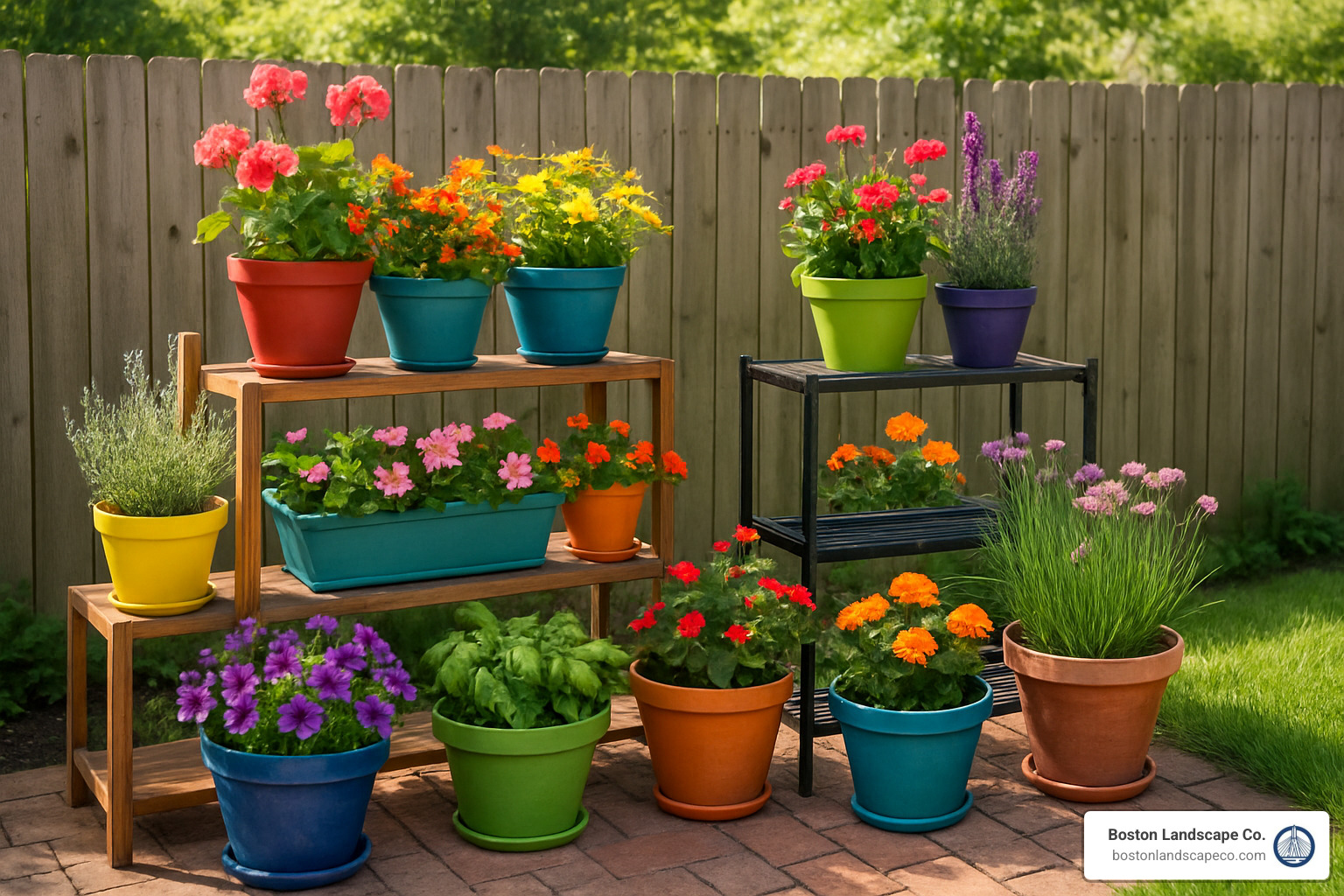
The secret to successful small-space gardening is thinking creatively about every inch. When I work with clients who have postage-stamp yards in Cambridge or Somerville, I always recommend focusing on container gardens for flexibility, multi-purpose elements that serve dual functions, and creating optical illusions that make the space feel larger (like using mirrors or creating long sight lines).
Container gardening is particularly magical for small spaces. You can move your plants to follow the sun throughout the season, control soil quality much better than in-ground beds, and garden successfully even if your outdoor space is entirely hardscaped. Plus, containers offer seasonal flexibility—swap out spring tulips for summer petunias, then autumn mums, all in the same pot.
“When it comes to backyards, bigger isn’t always better,” notes garden writer Kendra Wilson. “Creativity in a petite space can have more impact than sprawling gardens that lack focus.”
I’ve seen clients transform tiny urban balconies into lush retreats using tiered planters, grow bags on walls, and even hanging baskets from every available hook. The key is thinking in three dimensions rather than just floor space.
Budget-Friendly Container Hacks
You don’t need expensive pottery to create stunning container gardens. Some of my favorite budget-friendly container ideas that we’ve implemented for clients include:
Repurposed Tins can become charming planters with just a coat of paint and some drainage holes. Coffee cans, cookie tins, and even large food cans develop personality when wrapped in burlap or painted in coordinating colors.
Vintage Mailboxes mounted on fence posts create unique liftd planters with character. The hinged door makes watering easy, and they’re perfect for trailing plants like sweet potato vine or nasturtiums.
DIY Self-Watering Containers are game-changers for busy gardeners. We’ve shown many clients how to convert ordinary plastic pots into self-watering containers using simple materials like plastic bottles and wicking cord. These maintain consistent moisture—especially important in small containers that dry out quickly in summer heat.
One of our Winchester clients cleverly repurposed her grandmother’s old filing cabinet into a tiered planter by laying the drawers at different heights on her small patio. “Each drawer holds different herbs and salad greens,” she explains. “It’s both functional and a conversation piece that honors my grandmother’s memory.”
I’ve found that small-space gardeners often become the most innovative. A client in Medford transformed an old wooden ladder into a zigzag plant display that created visual interest while maximizing his tiny corner lot. Another in Arlington used grow bags hanging from fence hooks to create a vertical vegetable garden that produced enough tomatoes and peppers to share with neighbors.
Scientific research on urban container gardening
3. Create Garden Rooms with Multifunction Zones
One of the most transformative backyard garden ideas for spaces of any size is dividing your yard into distinct “rooms” or zones. This approach not only helps organize your outdoor space by activity but actually makes it feel larger and more purposeful.
“Creating distinct zones slows the viewer’s gaze,” explains landscape designer Pam Penick. “When you can’t see everything at once, the garden journey becomes more interesting, and the space feels larger.”
Think about how your family actually uses your outdoor space. Most of us want areas for dining, relaxing, playing, and perhaps growing food. By thoughtfully designating these spaces, you’ll get more enjoyment from every square foot of your yard.
Popular garden zones might include a dining area with a table and chairs for family meals, a comfortable lounge space with weather-resistant furniture, a kids’ play area with safe surfaces, an edible garden with raised beds, a quiet meditation spot tucked away from noise, or a wildlife habitat filled with native plantings.
The real magic happens in how these zones flow together. Like rooms in a well-designed home, each should feel distinct while maintaining a cohesive relationship with neighboring spaces. The transitions between areas—whether marked by an arbor, a change in paving, or a shift in planting style—become as important as the zones themselves.
Mapping Your Zones
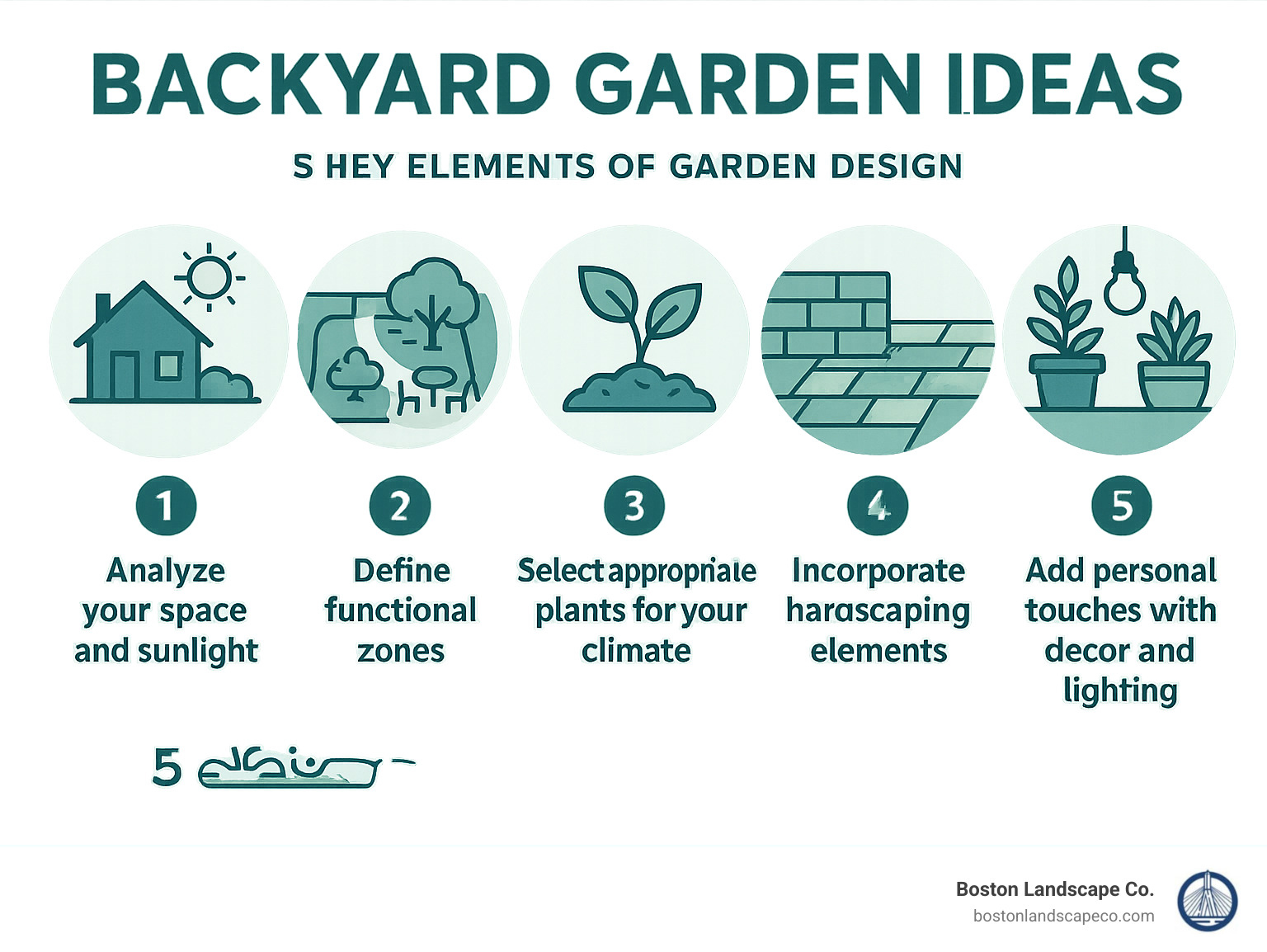
Before rushing to implement any backyard garden ideas, take time to sketch your yard. This simple step can save you countless hours and dollars down the road.
Start by noting existing features you’ll keep—mature trees, patios, or structures. Then observe how sunlight moves across your space throughout the day. Morning sun areas might be perfect for coffee and breakfast, while afternoon shade spots could become reading nooks.
Pay attention to natural traffic patterns too. How do people currently move through your yard? These pathways often reveal themselves as worn grass or natural desire lines.
“Most homeowners overlook the importance of flow,” notes our design team at Boston Landscape Co. “A beautiful garden becomes frustrating if you’re constantly zigzagging around obstacles to reach your destination.”
Once you’ve identified your zones, define their boundaries using thoughtful edging tricks. Low hedges of boxwood create formal separations, while ornamental grasses offer softer transitions. Even simple metal edging can define spaces while maintaining visual continuity.
The most successful multi-zone gardens maintain consistent elements throughout—perhaps a repeated plant variety, consistent stone material, or color theme that creates unity amid diversity.
More info about Landscape Design Services
Lighting Up Each Zone
Thoughtful lighting extends your garden’s usability well into evening hours while creating ambiance and highlighting special features. Each zone deserves its own lighting approach.
For dining areas, consider overhead string lights that create a festive, starry canopy. These affordable lights transform ordinary patios into magical evening retreats. In pathway areas, low solar stakes ensure safe navigation without harsh brightness. Around feature plants or specimen trees, uplights create dramatic shadows and highlight interesting bark or branch structures.
“My clients are always amazed by how lighting transforms their garden,” says Steve from Boston Landscape Co. “It’s like getting a whole new garden after sunset—one many families never experienced before.”
Water features take on particular magic when illuminated, with submersible lights creating mysterious glows from beneath the surface. And in seating areas, soft ambient lighting creates a cozy atmosphere perfect for evening conversations.
The best part? Many modern lighting options are solar-powered or low-voltage, making them energy-efficient and easy to install without extensive electrical work. This makes lighting a relatively affordable upgrade with dramatic impact—perfect for homeowners looking to maximize enjoyment of their outdoor rooms.
4. Accept Raised Beds & Edible Gardens
Raised beds have become one of the most popular backyard garden ideas in recent years—and with good reason. They bring both practical benefits and visual structure to your outdoor space, changing how you garden and interact with your landscape.
“Eight inches is great,” advises garden expert Pam Farley about the minimum depth for raised beds, though she notes deeper beds work better for root vegetables and larger plants that need more soil volume.
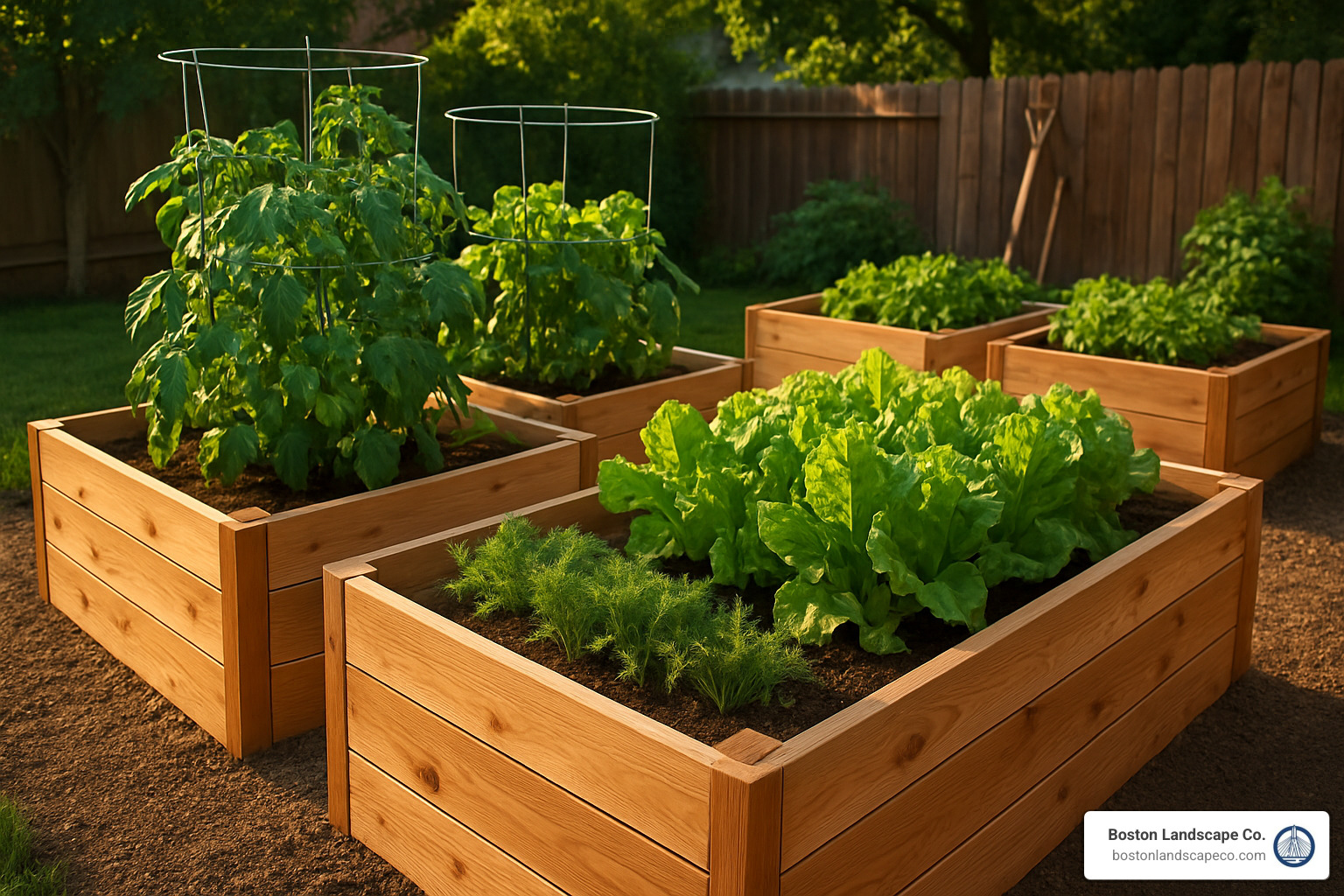
The appeal of raised beds goes beyond just looking organized. When we install them for our Boston-area clients, they immediately notice the better soil control they provide—you can fill them with premium soil regardless of what nature gave you. New England gardeners particularly appreciate the improved drainage during our wet springs and the extended growing season since raised soil warms faster when winter retreats.
Many of our clients with back problems love how raised beds mean less bending and strain during planting and harvesting. From a design perspective, they add architectural definition to your landscape, creating clean lines and visual interest even in winter. Plus, they offer natural protection from pests like rabbits and groundhogs that plague many Massachusetts gardens.
Edible landscaping takes these benefits a step further by beautifully integrating food production throughout your yard. The deep purple of eggplant, the feathery texture of asparagus, or the bold veins of rainbow chard can be just as ornamental as traditional perennials—with the added bonus of feeding your family.
“If you love working with plants, a large rose or vegetable garden is the perfect use of land,” one garden designer told us recently. “But even a few strategically placed edibles can transform your relationship with your garden.” We couldn’t agree more.
| Raised Beds | In-Ground Gardens |
|---|---|
| Better drainage | Lower initial cost |
| Warmer soil in spring | No construction needed |
| Easier weed control | Unlimited root depth |
| Less back strain | More natural appearance |
| Clear boundaries | Better drought resistance |
| Protection from lawn chemicals | Easier to expand |
Low-Maintenance Harvests: backyard garden ideas for busy families
Not everyone has time to channel their inner farmer, but that doesn’t mean you can’t enjoy fresh produce from your backyard. We’ve helped many busy Massachusetts families create edible gardens that don’t become another chore on the to-do list.
Self-watering systems have been game-changers for our clients with hectic schedules. Whether it’s simple wicking beds that draw moisture from a reservoir below or programmable drip irrigation, these systems dramatically reduce the most time-consuming garden task.
The ancient practice of companion planting offers natural pest control with minimal effort. We often suggest planting basil near tomatoes—not just because they’re culinary companions, but because the basil naturally repels tomato hornworms while improving tomato flavor. Nature doing the work for you!
For families with limited space or time, dwarf varieties offer full-sized flavors in compact packages. Our clients are often amazed that ‘Patio’ tomatoes, ‘Bush’ cucumbers, and ‘Baby Ball’ carrots deliver the same taste satisfaction as their larger cousins while requiring less maintenance.
Taking a four-season approach spreads out both the workload and the harvest. Instead of the traditional spring planting frenzy, we help clients stagger their plantings—spring greens followed by summer tomatoes, fall root vegetables, and winter kale—creating manageable garden tasks throughout the year.
A Lexington family we worked with found an ingenious solution by installing a series of cedar raised beds along their previously unused driveway border. “We harvest something nearly every day from April through November,” they told us with pride. “And the kids are much more willing to eat vegetables they’ve helped grow.”
This change from spectator to participant is perhaps the greatest benefit of edible gardens—connecting families with their food and their environment in ways that traditional landscapes simply can’t match.
5. Add Water Features for Zen Appeal
There’s something almost magical about the sound of water in a garden. Of all the backyard garden ideas I’ve implemented for clients over the years, water features consistently create the most transformative experiences. That gentle splashing or bubbling sound instantly masks traffic noise and creates a sense of escape—even in the most urban settings.
“Water is the music of nature,” as garden designer Julie Moir Messervy beautifully puts it. This natural soundtrack does more than just please our ears—it creates a focal point that draws both people and wildlife into your outdoor space.
You don’t need an elaborate setup to enjoy the benefits of water in your garden. Water features come in countless varieties, from simple bird baths that cost under $100 to elaborate custom waterfalls. The most popular options include bubbling fountains that recirculate water through a decorative element, pondless waterfalls that disappear into gravel beds (eliminating open water safety concerns), and reflection pools that mirror surrounding plants and sky.
For tight spaces, consider container water gardens where you can grow miniature aquatic plants in a submerged pot, or decorative rain chains that transform ordinary downspouts into vertical water features during rainstorms. Even a simple bird bath brings movement and life to your garden as feathered visitors come for daily dips.
The benefits extend well beyond aesthetics. Water features create microhabitats for beneficial insects, attract birds that help control garden pests, increase humidity around moisture-loving plants, and provide drinking sources for wildlife. One of my Bedford clients installed a small fountain specifically to mask the sound of a nearby busy street—now all they hear is the gentle splashing that makes their patio feel like a private retreat.
DIY vs. Pro Installation Costs
If you’re considering adding water to your landscape, budget planning is essential. According to online research, average water feature costs typically range from $250 for simple DIY fountains to $7,500 for professionally installed ponds or waterfalls. Custom features with architectural elements or extensive stonework can easily reach $15,000-$25,000 for larger properties.
Several factors influence the final price tag. Water volume is a major consideration—larger features require more materials and more powerful equipment. The circulation system complexity matters too, as sophisticated pumps, filters, and plumbing add to both materials and labor costs.
Your choice of materials significantly impacts the budget as well. Natural stone typically costs more than prefabricated options, but often creates a more authentic look that blends with the landscape. The location relative to electrical and water sources affects installation complexity, and maintenance systems like self-cleaning features add upfront cost but save considerable time later.
“Even simple water features can transform a garden,” our design team often reminds clients. “A small bubbling boulder or container fountain provides many of the same benefits as larger installations at a fraction of the cost.”
I particularly love the story of a Burlington client whose property came with an antique stone trough that had been sitting unused for decades. We repurposed this beautiful piece by adding a recirculating pump and positioning it as a focal point in their perennial garden. The result honors the property’s history while providing the soothing sounds of flowing water—and cost far less than starting from scratch with new materials.
If you’re curious about what materials might work best for your particular setting, we’re happy to help you explore options that match both your aesthetic and your budget.
More info about Landscape Supplies Lexington MA
6. Hardscape Highlights: Patios, Paths & Fire Pits
While plants bring your garden to life with color and texture, it’s the hardscaping elements that truly give your outdoor space its backbone. These permanent features create structure and function that you can enjoy year-round – even during those long New England winters when your perennials are fast asleep.
“Hardscaping is like the frame that showcases your garden’s living artwork,” explains Steve from Boston Landscape Co. “It’s what makes your outdoor space truly usable in all seasons.”
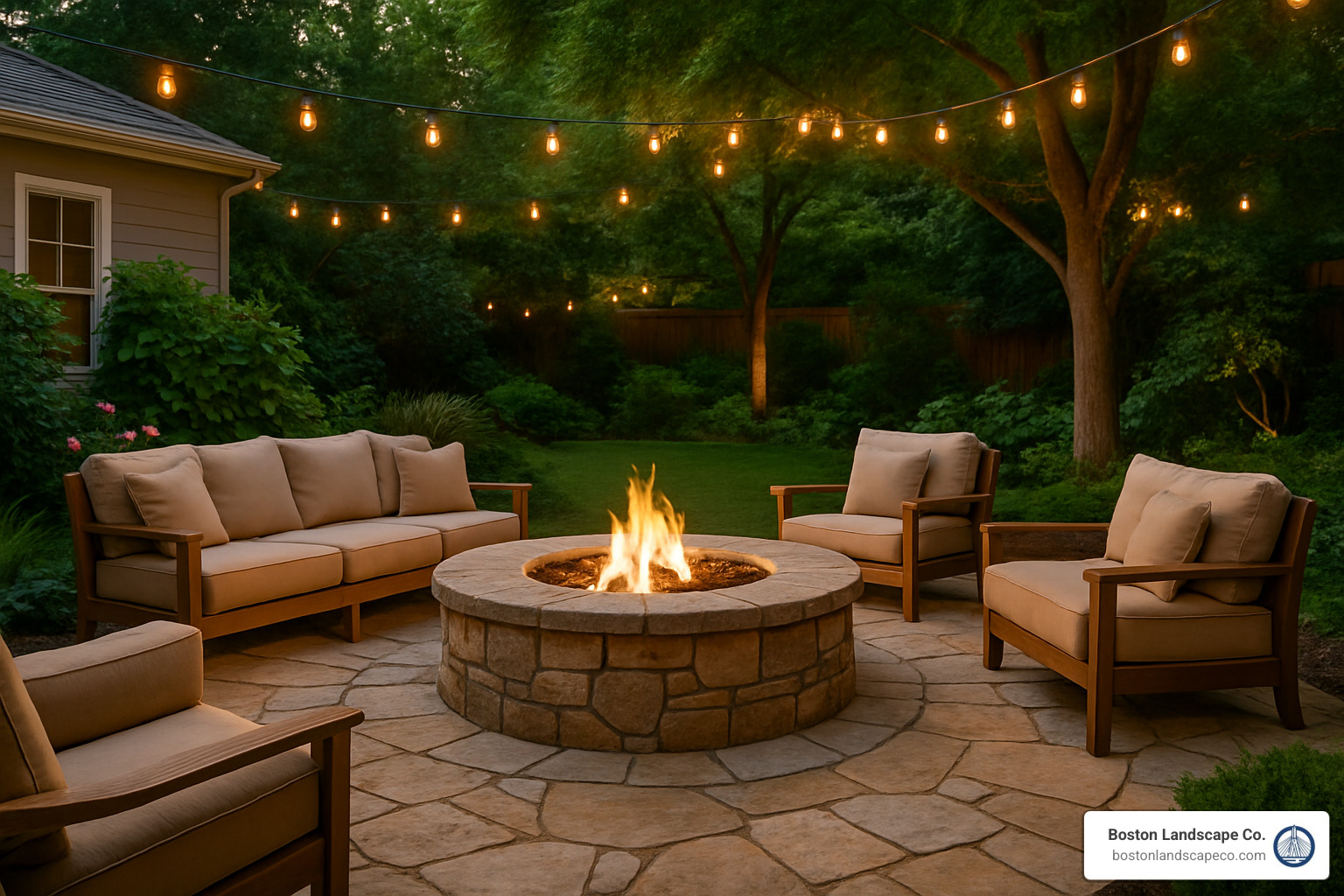
The most impactful hardscape elements include patios that serve as outdoor living rooms, pathways that guide garden exploration, and fire pits that extend your outdoor enjoyment well into chilly evenings. Don’t overlook the importance of retaining walls for managing slopes, steps for navigating level changes safely, and even simple edging that keeps your garden beds looking crisp and defined.
Recent trends confirm what we’ve been seeing in Massachusetts backyards – a 2023 survey revealed that fire pits top the list of most-wanted garden features (chosen by 61% of respondents), followed closely by outdoor lighting (58%) and vegetable gardens (54%). This perfect blend of hardscaping and planting creates spaces that are both beautiful and functional.
Smart Material Choices
The materials you select for your hardscaping dramatically impact both the look of your space and how deep you’ll need to dig into your wallet. Based on online research, average material costs vary tremendously:
Gravel tends to be the budget-friendly champion at just $1.50–$4 per square foot. It’s perfect for informal paths and rustic patios, plus it allows rainwater to drain naturally into the soil.
Concrete pavers offer incredible versatility at $0.50–$10 per square foot, with endless shape and color options that can mimic more expensive materials.
Brick provides that classic New England charm for $5–$15 per square foot, with a durability that’s been proven over centuries in our harsh climate.
Flagstone brings natural beauty at $15–$25 per square foot, with each piece offering unique coloration and character.
Cut stone represents the premium option at $20–$60 per square foot, delivering precision and elegance that’s hard to match.
“I always tell homeowners to balance immediate budget concerns with long-term thinking,” shares our hardscaping team leader. “Those less expensive materials might seem attractive now, but when you’re replacing them every few years, premium materials often prove more economical over time.”
When selecting your hardscaping materials, consider how they’ll handle New England’s notorious freeze-thaw cycles, how much maintenance you’re willing to commit to, whether you need permeable options to reduce runoff, and how the materials will complement your home’s architectural style. Dark materials retain more heat – fantastic for extending your outdoor season but potentially uncomfortable in midsummer.
Latest research on affordable patios
Cozy Nights Around the Flame
Few backyard garden ideas have gained as much popularity as fire features, and it’s easy to understand why. These gathering spots extend your outdoor enjoyment well into cool New England evenings and create natural focal points that draw people together.
“There’s something almost primal about gathering around a fire,” notes one of our designers. “It creates an instant atmosphere that no other garden feature can match.”
When planning your fire pit area, position seating 3-5 feet from the fire’s edge for comfort and safety. Pay attention to typical wind patterns to prevent smoke from blowing toward your seating areas or house. Always maintain proper clearance from structures and overhanging branches, and select appropriate non-combustible materials for the surrounding patio.
The choice between wood, natural gas, or propane will significantly impact your experience. Wood offers that authentic crackling sound and smoky aroma but requires more maintenance and cleanup. Gas options provide instant on/off convenience with no mess – perfect for busy families.
A Reading family we worked with transformed an awkward sloped area into a sunken fire pit that became the heart of their landscape. “We’ve extended our outdoor living season by months,” they told us. “Even in early April and late November, we bundle up and enjoy the garden in ways we never could before.”
More info about Custom Outdoor Fireplaces
7. Plant for Climate & Style
The most successful backyard garden ideas blend plants that thrive in your specific climate while reflecting your personal style. In New England, this means selecting plants tough enough to handle our cold winters, unpredictable springs, and occasionally humid summers.
Understanding your USDA hardiness zone is your first step toward gardening success. Most of eastern Massachusetts falls within zones 6a to 6b, though you might find microclimates even within your own property—that protected corner near your foundation might support plants that wouldn’t survive elsewhere in your yard.
“The right plant in the right place” isn’t just a gardening cliché—it’s the difference between a thriving landscape and a constant struggle. When you work with nature rather than against it, you’ll spend less time maintaining and more time enjoying your outdoor space.

Each garden style uses plants differently to create its signature look. Modern minimal gardens feature a limited palette of architectural plants with clean lines, while cottage gardens accept abundance with informal, flowering plants that spill onto pathways. Woodland gardens mimic nature with layered plantings resembling forest edges, and Mediterranean gardens showcase drought-tolerant herbs and silver-leaved plants that thrive in sunny spots. For something more structured, Japanese-inspired gardens emphasize carefully pruned evergreens and form, while native habitat gardens arrange indigenous plants to support local wildlife.
“Match your garden style to both your home’s architecture and your available time,” suggests our planting team at Boston Landscape Co. “A cottage garden with dozens of plant species requires different care than a minimalist design with just a handful of carefully chosen varieties. Be honest with yourself about how much maintenance you’re willing to do.”
Backyard garden ideas that thrive in New England
When clients ask which plants perform best in Massachusetts gardens, we have our tried-and-true favorites that consistently deliver season after season.
For structure and year-round presence, hydrangeas offer dramatic summer blooms that persist into winter, while native winterberry holly provides bright red berries that stand out against the snow. Fothergilla might be less familiar but deserves more attention for its fragrant spring flowers and spectacular fall color.
Among perennials, native coneflowers earn their keep with months of blooms that attract butterflies and finches. Coral bells bring colorful foliage to shady spots, available in nearly every color from lime green to deep purple. Drought-tolerant black-eyed Susans keep the garden cheerful through summer heat when other plants may struggle.
Don’t overlook ornamental grasses! Native switchgrass provides vertical interest and winter structure, feather reed grass stands soldier-straight as an architectural accent, and little bluestem offers outstanding fall color in rusty reds and oranges.
For smaller spaces where a massive maple won’t fit, consider serviceberry with its spring flowers, summer berries, and fall color—truly a four-season performer. Japanese maples bring neat form and colorful foliage to partially shaded areas, while native redbud delights with early spring flowers that appear directly on bare branches before the heart-shaped leaves emerge.
“By combining flowering shrubs, perennials, annuals and spring bulbs, you can ensure something is blooming from March until late fall,” notes our senior designer. “This layered approach creates gardens that feel abundant and ever-changing.”
More info about Gardening Services
All-Season Interest
The true test of exceptional garden design is creating visual appeal throughout the year. In New England, where our seasons are so distinct, this requires thoughtful plant selection and placement.
Start by layering your plantings with a combination of trees, shrubs, perennials, and bulbs. This creates depth and ensures something is happening at every level of the garden. Include evergreens to provide structure when deciduous plants are bare—they’re the backbone that holds the winter garden together.
Select for sequence by choosing plants that peak in different seasons. Spring-flowering bulbs give way to summer perennials, followed by fall color and winter berries. Don’t forget to value texture—the peeling bark of river birch, the seedheads of coneflowers, and the structural branches of deciduous shrubs can be just as beautiful as flowers. And always plan for fall—New England’s most spectacular season deserves plants that showcase brilliant autumn color.
A client in Winchester tells us, “I used to think of my garden as a summer-only space, but now I find myself looking forward to each season for different reasons. Winter has become a time to appreciate structure and bark patterns that I never noticed before.”
“Your garden should never stand still,” explains our design team. “Each month should reveal something new—whether it’s emerging bulbs in March, lush summer blooms in July, brilliant fall color in October, or the architectural beauty of branches against fresh snow in January. This ever-changing quality is what keeps us connected to our outdoor spaces year-round.”
8. Privacy Solutions that Bloom
Creating a private sanctuary in your backyard ranks among the most requested backyard garden ideas we hear from homeowners. The beauty of living privacy solutions is that they do double duty—screening unwanted views while adding texture, color, and even fragrance to your landscape.
“Privacy doesn’t have to mean fortress walls,” notes landscape architect Thomas Rainer. “Living screens engage the senses with movement, fragrance, and seasonal change.”
When designing for privacy, think beyond the basic fence. Consider how layered plantings can create depth, how the rustling of ornamental grasses can mask street noise, or how flowering vines can transform a stark wall into a living mix. The most effective privacy solutions feel like natural extensions of your garden design rather than obvious barriers.
Your ideal privacy approach depends on several factors: how quickly you need screening, the width available for plantings, your willingness to maintain the plants, light conditions, and whether you need year-round coverage or just seasonal privacy when you’re using outdoor spaces most.
Fast vs. Slow Privacy Plantings
Sometimes you need privacy yesterday. When immediate screening is the priority, several fast-growing options can help:
Arborvitae ‘Green Giant’ delivers impressive results, growing 3-5 feet annually once established. These evergreen workhorses create dense, year-round screening with minimal maintenance beyond occasional shaping.
Clumping bamboo offers quick vertical height without the invasive tendencies of running bamboo varieties. Varieties like Fargesia provide exotic texture and the soothing sound of rustling leaves in the breeze.
Hybrid willow can shoot up 6-10 feet in a single growing season, though they require more maintenance and typically have shorter lifespans than slower-growing alternatives.
Annual vines like morning glory or hyacinth bean provide seasonal coverage, changing a simple trellis into a flowering wall within weeks of planting.
Tall container plantings offer instant height and can be positioned precisely where needed—perfect for screening specific sight lines on patios or decks.
For those with patience, slower-growing options often provide more substantial, longer-lasting privacy:
Yew (Taxus spp.) creates exceptionally dense evergreen screening that responds beautifully to pruning, allowing for formal hedges or more natural forms.
American holly (Ilex opaca) combines evergreen privacy with distinctive red berries that attract birds, adding wildlife interest to your boundary plantings.
Hornbeam (Carpinus betulus) offers a unique advantage as a deciduous tree—its leaves turn brown in fall but cling to branches through winter (a trait called marcescence), providing filtered privacy even in the dormant season.
Mixed native hedgerows blend multiple flowering shrubs at varied heights, creating biodiversity-rich boundaries that change with the seasons while providing consistent screening.
“The best privacy screens engage all the senses,” suggests our design team. “Consider not just the visual barrier but also scent, sound buffering, and wildlife habitat value.”
Lighting & Décor for Secluded Retreats
Well-designed lighting transforms privacy plantings from daytime barriers into evening backdrops that extend your outdoor enjoyment hours. The right illumination can highlight textural qualities that might go unnoticed during daylight.
Uplighting placed at the base of trees or tall shrubs creates dramatic shadows and highlights the architecture of branches against the night sky. This technique works particularly well with plants that have interesting bark or branch patterns.
Downlighting mounted in trees mimics natural moonlight filtering through branches, creating gentle, dappled illumination that feels natural and inviting.
Silhouette lighting positioned behind plants emphasizes their form, turning privacy screens into living sculptures after dark.
String lights woven through pergolas or along the top of living screens add a festive atmosphere perfect for outdoor entertaining in your private space.
Path lights not only guide safe movement through secluded garden rooms but also create pools of light that draw the eye through the landscape.
Beyond lighting, thoughtful décor elements can improve your private retreat:
Pergola curtains add both privacy and romance, moving gently with the breeze while filtering light beautifully. Weather-resistant outdoor fabrics now come in a wide range of colors and patterns to complement any garden style.
Outdoor artwork personalizes your space and provides focal points that draw attention away from boundaries. Look for weather-resistant pieces like metal sculptures, mosaic elements, or garden totems.
Mirror elements strategically placed can create the illusion of expanded space—just position them carefully to avoid creating uncomfortable glare.
Sound elements like wind chimes or water features serve double duty by masking neighborhood noise while adding sensory richness to your garden experience.
A Concord client whose property backed up to a busy street transformed their exposure with a thoughtfully designed privacy border. “We used a mix of evergreen and deciduous shrubs planted in a staggered pattern,” explains our designer. “The result is a garden that feels enclosed and peaceful while still allowing filtered light and providing habitat for birds.”
More info about Backyard Hardscape Design
9. Sustainability & Wildlife-Friendly Touches
There’s a beautiful shift happening in backyards across New England. More homeowners are embracing backyard garden ideas that nurture local ecosystems while creating spaces that feel alive and vibrant. These sustainable approaches often require less maintenance while creating gardens that practically hum with life.
“My garden isn’t just mine anymore,” shares a Belmont client whose property we transformed last year. “It belongs to the chickadees, the bumblebees, the butterflies. And somehow, sharing it has made it more special, not less.”
The National Wildlife Federation has found that even modest residential landscapes can significantly boost local biodiversity when thoughtfully designed with native plants and sustainable practices. The secret is thinking of your garden as part of something larger—a connected ecosystem rather than an isolated space.
Key sustainability elements that make the biggest impact include composting systems that transform yard waste into rich soil amendments, rain barrels that capture free water for your plants, and dedicated pollinator habitats that support the creatures that help our gardens thrive. Many of our clients are also incorporating rain gardens to manage stormwater runoff while creating unique planting opportunities, embracing native plant communities that provide natural food and shelter for wildlife, and reducing lawn areas to decrease water and chemical inputs.
“When you plant natives, you’re rolling out the welcome mat for beneficial creatures,” explains our ecological specialist at Boston Landscape Co. “These plants have co-evolved with local wildlife for thousands of years—they speak the same language.”
Backyard garden ideas for eco impact
Want to make your garden a force for environmental good? Consider creating a Monarch Waystation by planting milkweed and nectar sources to support butterfly migration. These iconic orange and black butterflies have experienced an alarming 80% population decline in recent decades, making backyard habitats increasingly crucial to their survival.
Bird-friendly shrub borders create year-round habitat when you layer berry-producing natives like viburnum, elderberry, and winterberry holly. These plants provide not just food but also nesting sites and protection from predators. One Arlington client told us, “I used to put out bird feeders. Now my garden IS the bird feeder—and it’s so much more interesting to watch.”
Even small additions like bee hotels can make a difference. These simple structures with hollow tubes and drilled wood provide nesting sites for native solitary bees, which are often more efficient pollinators than honeybees for many garden plants. They’re also docile and rarely sting, making them perfect garden companions.
Don’t be too quick to tidy up every corner of your yard. Brush piles strategically placed in back corners create habitat for beneficial insects, small mammals, and reptiles that help control garden pests naturally. One client calls her hidden brush pile “nature’s pest control center.”
Simple practices like using organic mulch (wood chips, leaf mold, or straw) help conserve moisture and suppress weeds while breaking down to feed soil organisms. And water-efficient drip irrigation delivers moisture directly to plant roots, reducing waste and preventing many common plant diseases.
“The garden should feel generous,” notes our design team. “When we create habitat, we’re rewarded with natural pest control, better pollination, and the daily joy of observing wildlife.”
A Winchester family we worked with transformed their conventional lawn into a certified wildlife habitat with native plant islands, a small pond, and a brush pile artfully hidden behind ornamental grasses. “We’ve documented 27 bird species and countless pollinators,” they told us proudly. “The garden feels more alive, and we spend more time outdoors just watching all the activity. It’s better entertainment than television!”
Scientific research on pollinator benefits
10. Trend Watch 2024: Tech & Style Upgrades
Garden design is constantly evolving, blending innovative technologies with classic principles to create spaces that are both beautiful and functional. The latest backyard garden ideas offer exciting ways to refresh your outdoor living areas while addressing practical concerns like water conservation and space limitations.
It’s no surprise that Pinterest data shows searches for ‘small backyard ideas’ jumped 200% between 2020 and 2023. As more people accept outdoor living in limited spaces, creative solutions have become increasingly valuable.
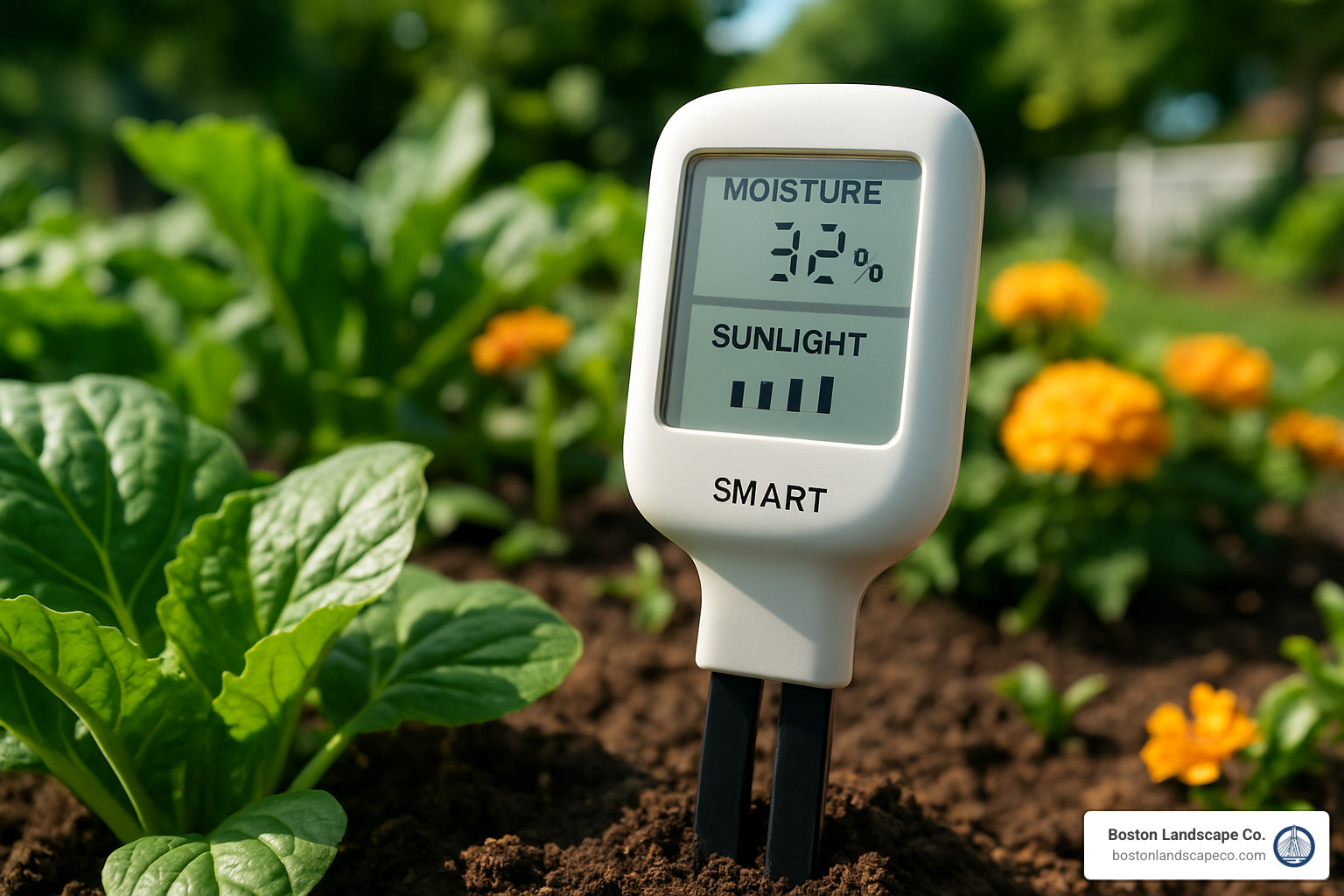
Smart irrigation systems are leading the tech revolution in gardens. These intelligent watering solutions connect to weather forecasts and use soil moisture sensors to deliver precisely the right amount of water. Not only do they reduce water consumption by up to 50%, but they also promote healthier plants by preventing both under and overwatering. Many systems now offer smartphone control, letting you monitor and adjust your garden’s water needs even when you’re away from home.
Modular outdoor furniture has become another game-changer, especially for smaller spaces. These adaptable pieces transform to suit different occasions – from intimate family dinners to larger gatherings with friends. “The flexibility of today’s outdoor furniture means your patio can serve multiple purposes without requiring multiple sets of furniture,” explains our design team at Boston Landscape Co.
Color is making a bold comeback through vibrant containers rather than permanent installations. Bright pots and planters create instant focal points that can be easily switched out as seasonal colors change or design preferences evolve. This approach gives you freedom to experiment with trends without committing to major landscape changes.
The boundaries between ornamental and edible gardens continue to blur. Instead of relegating vegetables to a separate patch, today’s gardeners are integrating food plants throughout their landscapes. Purple basil mingles with flowering perennials, blueberry bushes serve as ornamental hedges, and espaliered fruit trees create living screens. This approach maximizes growing space while creating gardens that are both beautiful and productive.
Micro-clover lawns represent another sustainable trend gaining traction. These low-maintenance alternatives to traditional grass stay green with minimal watering and no fertilizer while supporting pollinators. “Micro-clover lawns can reduce maintenance time by up to 50%,” notes our lawn care specialist. “They stay green during dry spells when traditional lawns would go dormant, and they naturally crowd out many common weeds.”
Mixing Trends with Timeless Design
While it’s fun to accept what’s new, the most successful gardens strike a balance between trendy elements and timeless design principles. Our approach at Boston Landscape Co. is to help clients create gardens with staying power.
Invest in infrastructure, experiment with accents is our guiding philosophy. We recommend putting your budget into quality hardscaping and mature trees that will appreciate over time, then using containers, annuals, and accessories to explore trends that catch your eye. This approach gives you the freedom to refresh your garden’s look without major renovations.
Functionality first should always be your priority. Before adding a trendy water feature or fire bowl, make sure your garden meets your practical needs for seating, shade, and circulation. The most beautiful garden will go unused if it doesn’t accommodate how you actually live outdoors.
When considering larger investments, think about resale value too. If you might sell your home in the coming years, emphasize universally appealing elements rather than highly personalized trends that might limit your property’s appeal to potential buyers.
We always encourage clients to select multipurpose features whenever possible. A raised planter with a wide ledge can provide both growing space and casual seating. A pergola offers shade while supporting flowering vines and mounting points for lighting or speakers. These dual-purpose elements maximize both your budget and your space.
“One of our Weston clients perfectly balanced trend and tradition,” shares our landscape architect. “They incorporated a smart irrigation system and modular furniture into their classic New England garden design. From the surface, you see timeless plantings and natural stone, but behind the scenes, technology ensures everything runs efficiently.”
More info about Outdoor Kitchen Design
Frequently Asked Questions about Backyard Garden Ideas
How do I start a backyard garden on a tight budget?
Creating a beautiful garden doesn’t require emptying your wallet. In fact, some of the most charming gardens start with minimal investment and grow over time.
Start by focusing on a single area rather than tackling your entire yard at once. This approach allows you to learn what works in your specific conditions while spreading costs over time. Many of our Medford clients begin with a small corner near their patio, gradually expanding as their confidence and budget allow.
Seeds offer tremendous value compared to established plants. A $3 packet of zinnia seeds can produce dozens of flowering plants that would cost $60-100 as nursery starts. Similarly, many vegetables like lettuce, beans, and squash grow readily from seed with minimal fuss.
“I started my entire perennial border with divisions from my neighbor’s garden,” shares one of our Winchester clients. “Not only did I save hundreds of dollars, but I also gained a gardening mentor in the process.”
Soil improvement should be your top priority when working with limited funds. Good soil leads to stronger plants that require less maintenance and fewer inputs over time. Homemade compost transforms kitchen scraps and yard waste into black gold for your garden beds – completely free.
Local gardening groups often host plant swaps where you can exchange divisions or seedlings. Libraries offer excellent gardening resources and sometimes even seed libraries where you can “borrow” seeds and return saved seeds after harvest.
As one budget-conscious gardener notes, “I like forest more than Prairie landscaping styles. My book recommendation is ‘Bringing Nature Home’ – I found it at my local library and it transformed my approach to gardening.”
What are the easiest plants for low-maintenance gardens?
Life gets busy, and not everyone can devote hours to garden maintenance. Fortunately, many plants thrive in Massachusetts with minimal attention once established.
For worry-free shrubs, consider Spirea varieties, which offer months of colorful foliage and flowers with virtually no maintenance beyond occasional shaping. Native Ninebark delivers multi-season interest with its exfoliating bark and colorful leaves, while handling both wet and dry conditions with ease. Summersweet (Clethra) attracts pollinators with its fragrant late-summer blooms and thrives in those tricky wet spots where other plants struggle.
Among perennials, Sedums stand out for their drought tolerance and fall blooms that persist well into winter. Native Black-eyed Susans provide weeks of cheerful yellow flowers that feed goldfinches when they go to seed. Russian Sage creates clouds of lavender-blue flowers in hot, sunny spots where other plants wither.
“The secret to a truly low-maintenance garden lies in choosing plants that naturally fit your site conditions,” explains our maintenance team leader. “A plant struggling against unsuitable conditions will always require more intervention than one growing in its preferred environment.”
Ground covers dramatically reduce weeding time. Creeping Phlox creates a carpet of spring color that suppresses weeds year-round. Native Bearberry thrives in poor, sandy soils where grass struggles, while Wild Ginger happily colonizes shady areas, creating a lush, weed-resistant carpet.
Our Lexington clients have found that dwarf varieties require significantly less pruning, while thoughtfully placed ground covers virtually eliminate the need for mulch replenishment in established beds.
Can I garden year-round in Massachusetts?
While New England winters certainly limit outdoor growing, savvy gardeners find ways to stay connected to their gardens throughout the year.
Spring brings a burst of gardening activity in Massachusetts. From March through May, you can plant cool-season vegetables like peas, lettuce, and spinach that thrive in our cool spring conditions. This is also the ideal time to divide perennials and plant bare-root trees and shrubs while enjoying the payoff of fall-planted bulbs like daffodils and tulips.
Summer represents peak growing season when warm-season crops and flowers dominate the landscape. From June through August, consistent watering and pest monitoring become essential tasks. By late August, forward-thinking gardeners begin planting fall crops like kale and carrots that will extend the harvest season.
Fall offers a second major planting window in our region. September through November is ideal for establishing spring-flowering bulbs, dividing spring-blooming perennials, and enjoying spectacular late-season bloomers like asters and autumn crocus. The cooling temperatures make fall gardening particularly pleasant.
Even winter provides gardening opportunities. As one local gardener notes, “Most of Ohio falls in USDA hardiness zone 6 (6A/6B),” which is similar to eastern Massachusetts. In these conditions, well-designed gardens maintain interest through structural elements and evergreens. Winter months are perfect for planning next year’s garden, ordering seeds, forcing bulbs indoors, and maintaining winter containers with evergreen boughs, red-twig dogwood stems, and berried branches.
“My garden teaches me something new every season,” reflects a Burlington client. “I’ve learned to appreciate the quiet beauty of winter almost as much as the abundance of summer.”
Conclusion
Changing your backyard into a personal haven is a journey worth taking. While it doesn’t happen overnight, the rewards of creating a space that truly reflects your lifestyle are immeasurable. Whether you’re drawn to backyard garden ideas that focus on entertaining friends and family, growing your own food, supporting local wildlife, or simply creating a peaceful retreat from the world, the goal is to design an outdoor space that improves your connection to nature and brings joy season after season.
Throughout this guide, we’ve explored how successful gardens typically weave together multiple elements—from hardscaping features that provide structure to water elements that soothe the senses, carefully selected plants that thrive in our New England climate, and functional zones that maximize usability. The most satisfying landscapes aren’t static; they evolve over time, with each season bringing new findies and opportunities for creative expression.
Here at Boston Landscape Co., we understand that your property is unique, with its own set of challenges and possibilities. No cookie-cutter solutions here! Our dedicated team brings decades of hands-on experience implementing backyard garden ideas throughout the greater Boston area. From the historic homes of Concord to the neat properties of Wellesley, the charming neighborhoods of Winchester to the vibrant communities of Medford, we’ve helped countless homeowners create outdoor spaces that reflect their personal style while respecting the natural character of our region.
We believe in taking a comprehensive approach to landscape design and care. From that first exciting consultation where we listen to your dreams and assess your space, through thoughtful design development, skilled installation, and ongoing maintenance, our goal is to ensure your garden not only looks beautiful today but continues to thrive and bring you joy for years to come.
The garden you create becomes more than just plants and patios—it becomes an extension of your home, a place where memories are made, and a personal sanctuary that changes with the seasons. Ready to begin your own backyard change? We’d love to help bring your garden dreams to life with solutions custom specifically to your needs, style, and budget.
More info about Residential Landscaping
