
Why a Clean Garden Bed is a Healthy Garden Bed
Garden bed clean up is the foundation of a thriving outdoor space. Proper cleanup prevents disease, controls pests, and prepares your soil for new growth. A well-maintained bed isn’t just about looks; it reduces fungal diseases by improving air circulation and eliminates hiding spots for harmful pests.
Regular cleanup prevents major problems. One overlooked weed can drop thousands of seeds, while diseased plant material left in beds can spread infection to healthy plants. The timing of your cleanup also matters, with both fall and spring offering unique benefits for your garden’s health.
Key Garden Bed Clean Up Tasks:
- Remove dead plants and debris: Clear out spent annuals and diseased material.
- Cut back perennials: Trim dead foliage, leaving some for winter interest.
- Weed thoroughly: Pull weeds before they go to seed.
- Edge beds: Create clean, polished borders.
- Amend soil: Add compost for plant nutrition.
- Apply mulch: Suppress weeds and retain moisture.
I’m Steve Schumacher, owner of Boston Landscape Co. With over 30 years of experience in garden bed clean up in the Greater Boston area, I’ve seen how seasonal cleanup transforms struggling gardens into vibrant spaces that thrive year after year.
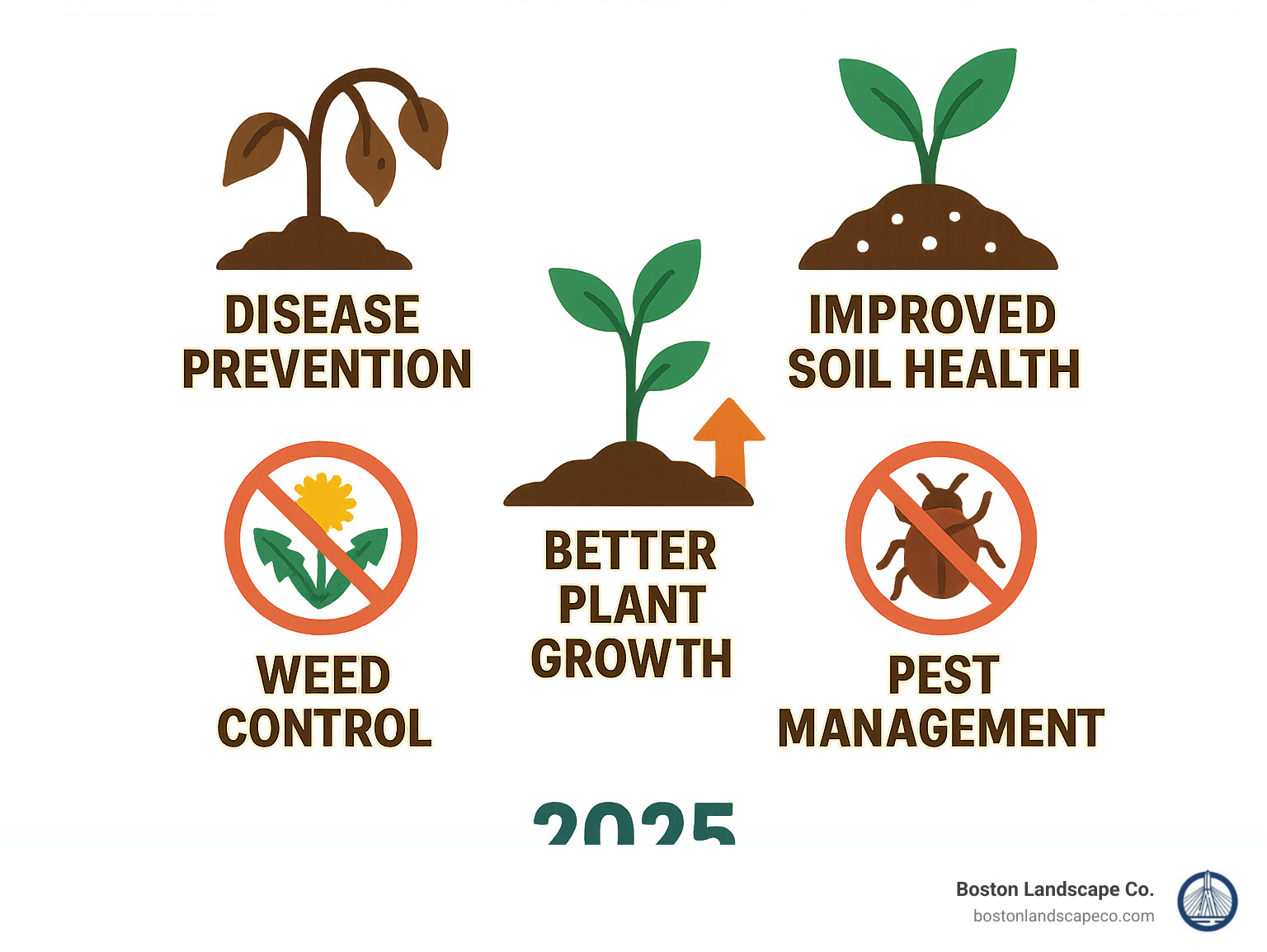
The “Why” and “When” of Garden Bed Cleaning
Garden bed clean up is preventive medicine for your garden. Clearing spent plants and weeds gives your soil a chance to rest and stops them from competing for vital resources. It’s also crucial for disease prevention, as many fungi and bacteria overwinter in dead plant material. Removing this debris breaks their life cycle.
Similarly, a thorough cleanup is great for pest management, as it removes the cozy winter homes of many insects and their larvae. Gently turning the soil during cleanup also improves soil aeration, allowing air and water to penetrate more effectively.
Here in Massachusetts, we focus on two cleanup seasons: fall and spring. Fall cleanup prepares beds for winter, preventing diseases and pests from establishing themselves and meaning less work in spring. Spring cleanup removes winter’s remnants and sets the stage for new growth.
The Great Debate: Fall vs. Spring Cleanup
Ask any gardener about cleanup timing, and you’ll spark a lively debate. Both approaches have advantages.
Fall cleanup gives you a head start. Removing spent annuals and weeds in autumn makes spring planting much smoother. The soil is often more workable, and it’s the best time to remove diseased plants (like blighted tomatoes) to prevent spores from overwintering in the soil.
Spring cleanup offers significant ecological benefits. Leaving spent plants in place provides crucial shelter and food for wildlife and beneficial insects. Seed heads feed birds, while hollow stems and leaf litter provide overwintering sites for pollinators. Leaving debris can also trap snow, which acts as natural insulation for delicate plants. Many gardeners adopt a hybrid approach, removing diseased material in the fall while leaving healthy plant structures until spring. For more guidance, see this resource: A guide to spring garden care.
An Eco-Friendly Approach: Protecting Pollinators and Wildlife
Your garden is a vital ecosystem. With insect populations declining, we need to rethink our approach to garden bed clean up. Many beneficial insects, including native bees, butterflies, and pest-eating predators, spend winter tucked away in hollow plant stems and leaf litter.
This is why delaying spring cleanup is so important. Wait until temperatures are consistently above 50°F (10°C) for at least 7 consecutive days. This allows overwintering insects to emerge before you disturb their homes.
When you do clean up, consider these tips:
- Leave some stubble: Instead of cutting stems to the ground, leave about 8 inches to provide future nesting sites.
- Bundle cut stems: Place them in a quiet corner to let any remaining insects emerge.
- Value leaf litter: It protects soil and provides habitat. If you must rake, do it lightly. Consider creating small brush piles in out-of-the-way areas to serve as wildlife hotels.
This approach turns your cleanup into an act of supporting a healthy, vibrant ecosystem. Learn more here: More on delaying cleanup for insects.
Gearing Up: Essential Tools and Materials for the Job
Starting a garden bed clean up without the right tools can make the job much harder. Having the proper equipment makes the work more efficient, reduces physical strain, and helps you achieve professional-looking results. Quality tools are a smart long-term investment.
Safety should always come first. Good gardening gloves protect your hands from thorns and splinters, while safety glasses are a must when pruning or using power tools to shield your eyes from flying debris.
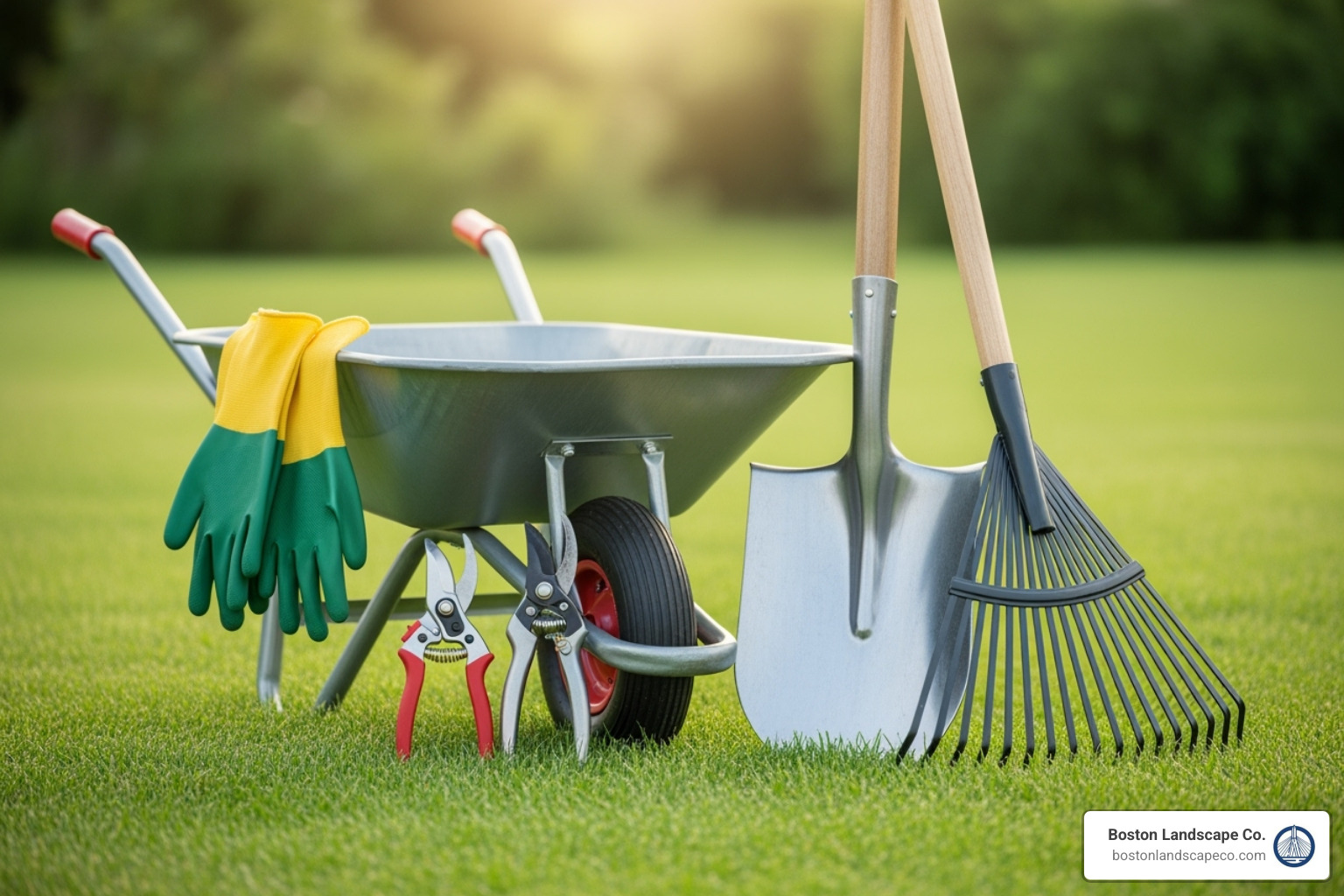
[LIST] of Essential Garden Cleanup Supplies
Here is an essential toolkit for any serious garden bed clean up project:
For Clearing & Pruning:
- Gloves: Protect hands from dirt and blisters.
- Safety glasses: Essential eye protection.
- Hand pruners: For precision on smaller stems.
- Loppers: To cut thicker branches.
- String trimmer: For cutting down large overgrown areas quickly.
- Leaf rake: Gathers loose leaves and small debris.
- Garden fork: Helps turn soil and lift weed clumps.
For Digging & Weeding:
- Spade shovel: For digging, turning soil, and removing large roots.
- Hand trowel: For smaller digging and planting tasks.
- Weeding tool: Designed to remove weeds with their roots.
- Soil cultivator: Loosens compacted soil and mixes in amendments.
For Soil Prep & Finishing:
- Wheelbarrow: Transports debris, compost, and mulch.
- Compost: Replenishes soil nutrients and improves structure.
- Mulch: Suppresses weeds, retains moisture, and provides a finished look.
- Landscape fabric: Optional long-term weed prevention.
- Landscape staples: Secures landscape fabric.
For Tool Maintenance:
- Dish soap: Cleans dirt and sap off tools.
- Rubbing alcohol: Disinfects tools after cutting diseased plants.
- Tool sharpener: Keeps blades sharp for clean cuts.
- Boiled linseed oil: Conditions wooden handles and protects metal from rust.
Having these tools ready will make your garden bed clean up a manageable and even enjoyable project.
The Ultimate How-To Guide for Garden Bed Clean Up
Now that you’re geared up, it’s time to get your hands dirty. A systematic approach to garden bed clean up saves time and ensures the job is done right. Whether you’re doing a seasonal refresh or tackling a neglected jungle, a clear plan makes all the difference.
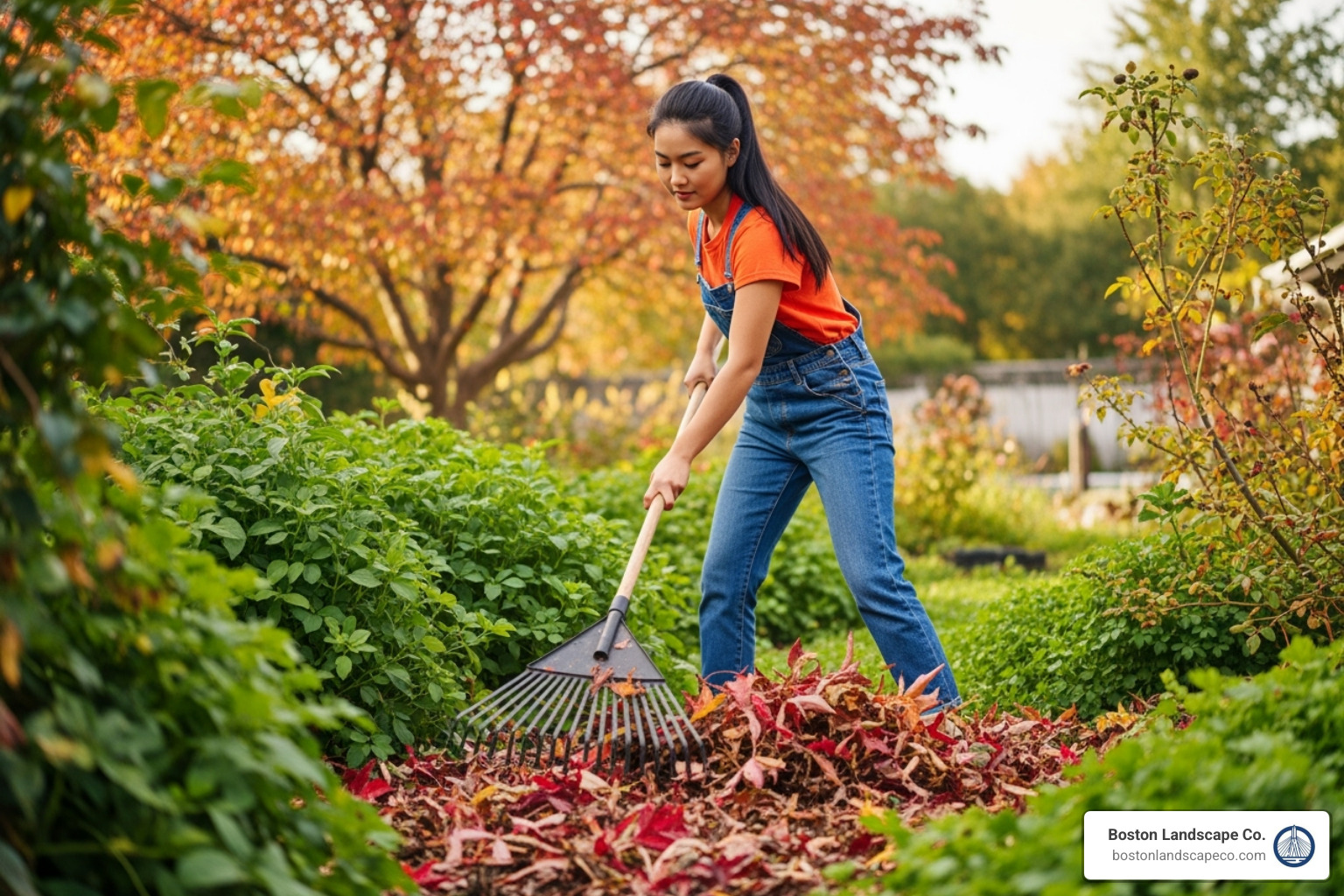
Key Steps for a Basic Garden Bed Clean Up
For regularly maintained beds, follow this straightforward process:
- Remove dead annuals: Pull out plants that have completed their life cycle, getting as much of the root system as possible.
- Cut back perennials: Trim spent foliage to promote healthy new growth. In spring, leave 8 inches of stubble on hollow stems for beneficial insects.
- Clear debris: Rake out matted leaves and fallen branches to improve air circulation and remove pest hiding spots.
- Pull visible weeds: Remove young weeds completely, roots and all, to prevent them from seeding.
- Edge the garden beds: Redefine the borders for a crisp, professional look that separates the bed from the lawn.
- Inspect for pests and disease: Look for unusual spots or insect damage. Early detection is key.
- Clean supports and stakes: Remove, clean, and disinfect any plant supports before storing them for next season.
Tackling an Overgrown Garden Bed Clean Up
An overgrown bed requires a more aggressive, but manageable, approach:
- Cut down overgrowth: Use a string trimmer to cut everything down to a few inches. Rake out all the cuttings.
- Remove seed heads: Carefully cut off any weeds with mature seed heads and remove them from the area immediately to prevent them from scattering.
- Cultivate to loosen roots: Use a spade or cultivator to loosen the soil and expose the root systems of remaining weeds.
- Rake out roots and debris: Use a metal garden rake to pull out all loosened roots and remaining debris to prevent regrowth.
- Amend the soil: Spread a generous layer of compost and mix it in to replenish nutrients and improve soil structure.
- Install a weed barrier (optional): For severe cases, lay down thick landscaping fabric to prevent weeds from returning. Secure with staples and cut an ‘X’ for new plants.
For more inspiration, check out these backyard garden ideas.
Handling Garden Debris
Properly handling debris is the final step. Healthy plant material like leaves, spent annuals, and non-diseased trimmings can go into your compost pile. However, diseased or pest-infested plants must be handled separately. Do not put them in a home compost pile, as it likely won’t get hot enough to kill pathogens. Also avoid composting pernicious weeds or material treated with herbicides. The best option for this material is municipal yard waste disposal or bagging it with regular trash.
Beyond Tidiness: Preparing Your Bed for a Healthy Season
Once your beds are clear, the next step is to set the stage for long-term health. A thorough garden bed clean up is the perfect time to nourish your soil and prevent future weed battles.
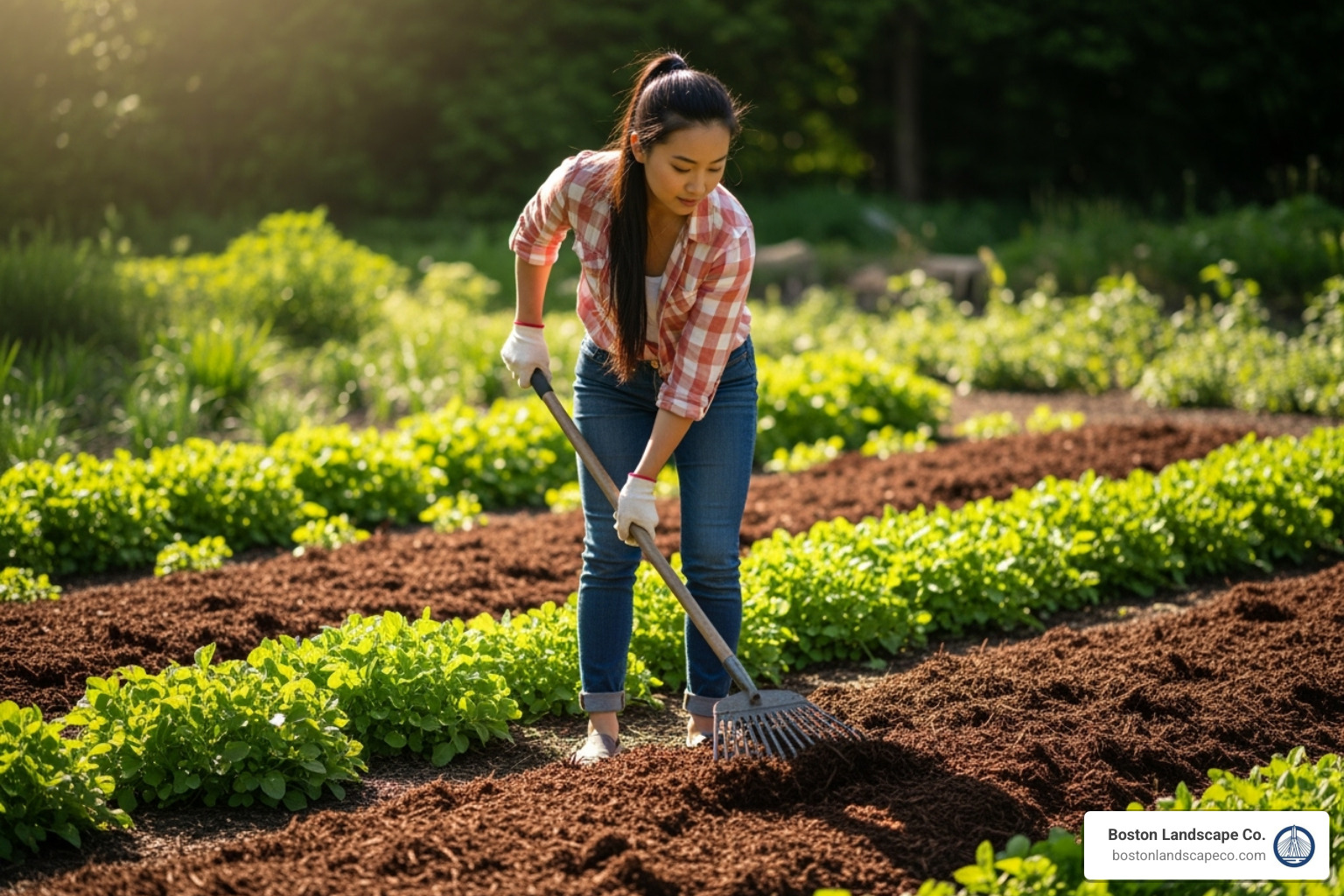
Testing and Amending Your Soil
After a long season, your soil is likely depleted. Instead of guessing what it needs, a soil test provides a clear picture of nutrient deficiencies and pH imbalances. Here in Massachusetts, you can get a reliable test from the UMass Extension: Get a soil test performed. This small investment pays huge dividends in plant health.
Once you have the results, the best way to feed your soil is by adding organic matter.
- Compost is garden gold. It improves soil structure, improves water retention, and provides a slow-release source of nutrients.
- Well-rotted manure is another fantastic, nutrient-rich option. Ensure it’s fully composted to avoid burning plants.
- Leaf mold (decomposed leaves) is a free soil conditioner that beautifully improves soil structure.
For vegetable gardens, practicing crop rotation also helps maintain soil health by preventing nutrient depletion and disease buildup.
Mulching for Success
Mulching is your secret weapon for keeping beds looking great with less work. It’s a protective blanket for your soil that offers incredible benefits:
- Moisture retention: Reduces water evaporation, meaning you water less.
- Weed suppression: Blocks sunlight from reaching weed seeds, preventing germination.
- Soil temperature regulation: Insulates soil from extreme heat and cold.
Excellent mulch options include bark mulch for a polished look, straw for vegetable gardens, and shredded leaves for a free, natural choice. Apply a layer of 2-3 inches, but be sure to avoid piling mulch directly against plant stems, which can cause rot. Leave a small “doughnut” of space around the base of each plant.
If you need help maintaining a polished look, explore Our mulching services.
DIY vs. Hiring a Professional
After reviewing the garden bed clean up process, you might wonder: “Should I do this myself or hire a pro?” The answer depends on your time, budget, and physical ability.
DIY cleanup requires a significant time commitment, often taking up one or more weekends. It’s also physically demanding work involving digging, hauling, and bending. Finally, consider tool ownership—purchasing everything needed can be a notable investment.
Professional expertise is a major benefit of hiring a service. An experienced crew can identify pest problems, understand local soil types, and work efficiently to produce polished, long-lasting results. While DIY saves on labor costs, professional services save you time and physical strain.
For a look at what professional services can offer, see our Landscaping services for your home.
What Does Professional Yard Cleanup Cost?
Understanding the potential investment helps you make an informed decision. Here’s a quick comparison:
| Factor | DIY Cleanup | Professional Service |
|---|---|---|
| Cost | Cost of tools & materials | Labor & disposal fees |
| Time | Significant time investment | Fast & efficient |
| Effort | Physically demanding | Sit back and relax |
| Expertise | Learning curve | Knowledge of local plants & soil |
| Results | Good | Polished & professional |
Professional pricing varies based on several factors, including yard size, the level of overgrowth, and the amount of debris removal required. A small, maintained bed will cost less than reclaiming a large, overgrown property. Regional price variations in Massachusetts also play a role.
Please note: Internet data suggests average yard cleanup costs can range from $150 to over $600, depending on yard size and complexity. This is not a quote from Boston Landscape Co.
For a basic garden bed clean up, you can expect costs on the lower end of the range. For jobs involving severe overgrowth, dense debris, or extensive soil work, costs will be higher. The best way to determine the investment is to get a detailed quote for your specific property.
Your Clean Garden Bed Awaits
As we’ve seen, garden bed clean up is more than just tidying up—it’s the foundation for a healthy, successful garden. Proper cleanup prevents disease, deters pests, and enriches the soil, giving your plants the best possible start. Whether you choose a fall cleanup to get ahead or a spring cleanup to protect pollinators, finding the right timing and using the right tools is key.
Finishing the job by amending the soil and applying a fresh layer of mulch locks in your hard work and sets the stage for a season of vibrant growth. Whether you tackle it yourself or hire a professional, the goal is a beautiful outdoor space that brings you joy.
If the task feels overwhelming or you simply want a professional touch, we’re here to help. At Boston Landscape Co., we have over 30 years of experience changing gardens throughout the Greater Boston area. Our team knows how to prepare your beds for a beautiful and healthy season.
Ready to get started? Explore our yard clean up services and let us help you create the garden of your dreams.
