
Average cost of tree pruning 2025: Smart Guide
What You’ll Pay for Tree Pruning in 2025
The average cost of tree pruning ranges from $200 to $800 per tree, though homeowners may pay as little as $80 for a small ornamental tree or upwards of $1,800 for a large, difficult-to-access tree over 60 feet tall. Most homeowners spend around $460 for a standard pruning job.
Here’s what influences your final price:
| Tree Size | Height | Average Cost Range |
|---|---|---|
| Small | Under 30 feet | $100–$400 |
| Medium | 30–60 feet | $200–$800 |
| Large | Over 60 feet | $400–$1,800+ |
Key cost factors include:
- Tree size and height
- Tree type and branch structure
- Health condition (diseased or damaged trees cost more)
- Accessibility (proximity to power lines, buildings, or fences)
- Geographic location and local labor rates
- Number of trees being pruned
Note: All prices mentioned are national averages based on internet research and do not represent actual quotes from Boston Landscape Co.
Spring is the ideal time to assess your trees. As they emerge from dormancy, it’s easy to spot which branches need attention to promote healthy growth. Professional pruning now helps trees direct energy into new growth and prevents disease.
I’m Steve Schumacher, owner-operator of Boston Landscape Co since 1991. I’ve helped hundreds of Greater Boston homeowners understand pruning costs and maintain healthy trees. Understanding the price factors helps you budget appropriately, and our team knows that proper pruning saves money long-term by preventing emergency removals and property damage.
What Factors Influence the Cost of Tree Pruning?
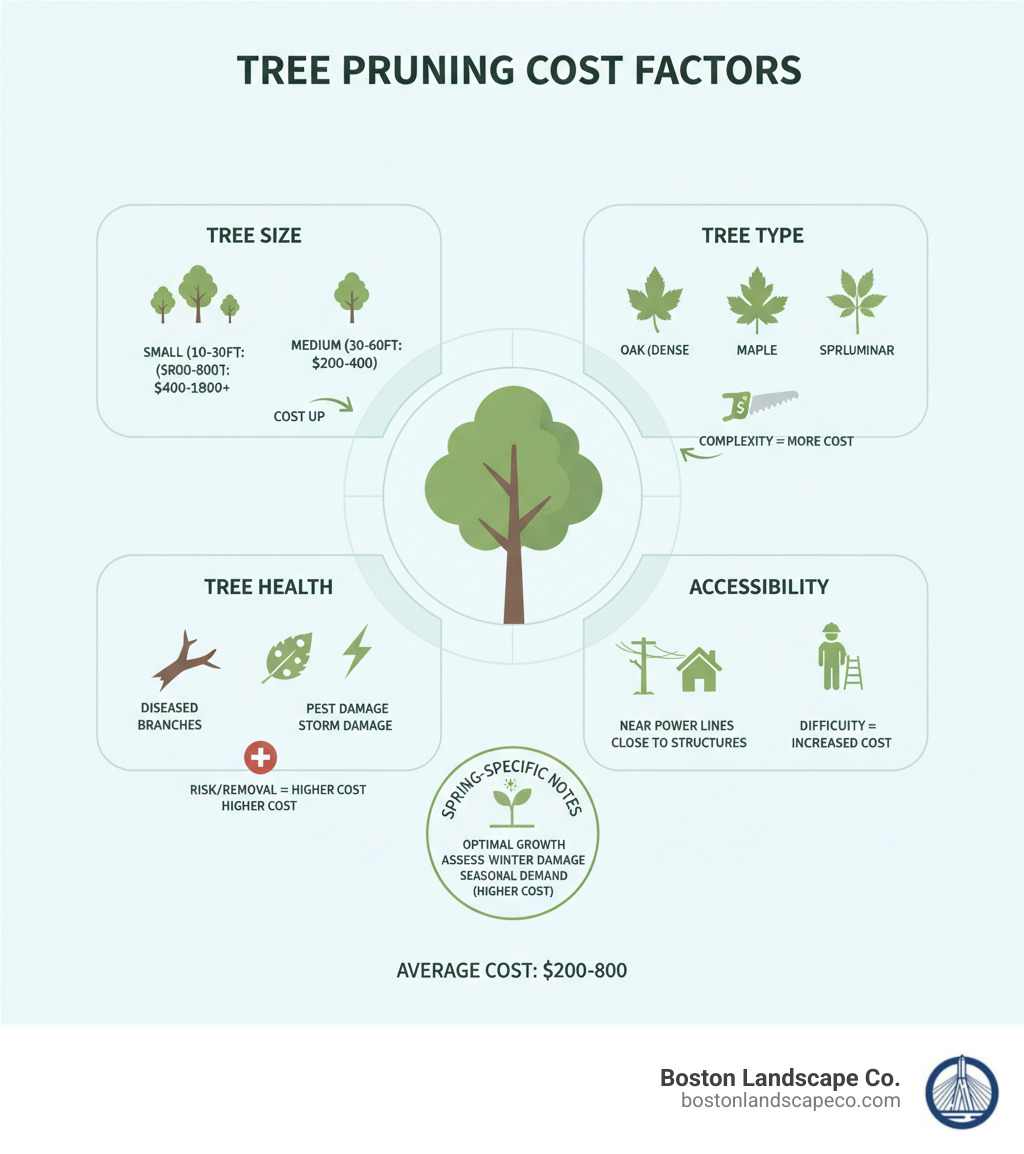
When homeowners ask about the average cost of tree pruning, they’re often surprised to learn there’s no simple answer. A compact crabapple requires far less work than a mature oak towering over your garage. After three decades serving communities like Stoneham and Billerica, we know that the final price comes down to four main variables: tree size, tree type, health condition, and accessibility. Understanding these factors will help you budget wisely and know what to expect from a quote.

How Tree Size Affects the Average Cost of Tree Pruning
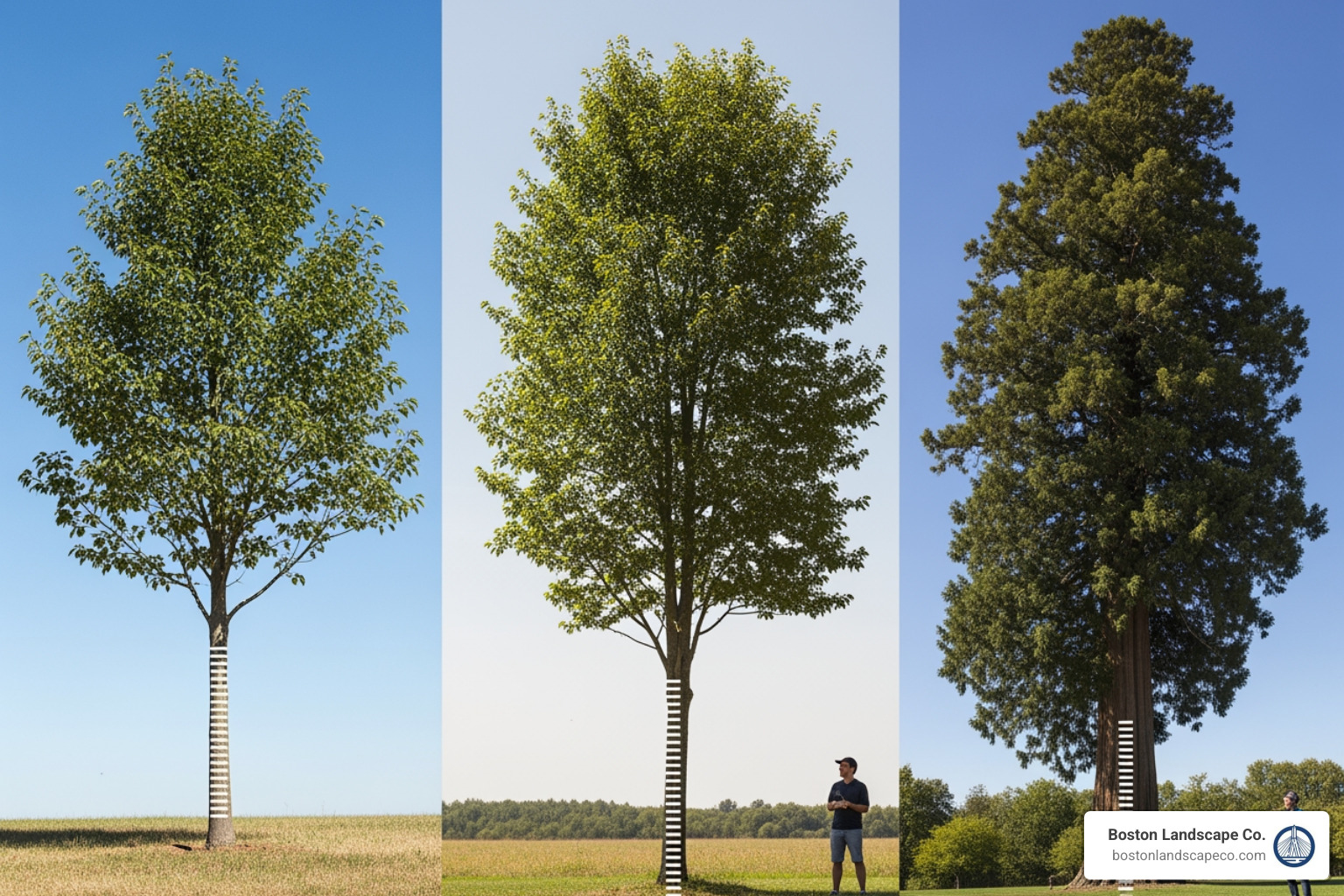
Tree size is the single biggest factor in your pruning bill. Taller trees require more time, larger equipment, and a bigger crew to work safely.
Small trees under 30 feet, like dogwoods or Japanese maples, are the most budget-friendly. Crews can typically use standard ladders and pole pruners, keeping the job simple. Nationally, costs range from $100 to $400. These prices are national averages based on internet research and do not represent actual Boston Landscape Co. quotes.
Medium trees between 30 and 60 feet, such as established maples, increase the complexity. This category may require a bucket truck or climbing equipment. The national average ranges from $200 to $800.
Large trees over 60 feet, like mature oaks and pines, demand serious expertise, bucket trucks, and sometimes cranes. The risk and investment are higher, with national averages between $400 and $1,800, and potentially more for challenging jobs.
Cost by Tree Type
A tree’s species also affects the average cost of tree pruning. Different trees have unique growth patterns and wood densities. Oak trees, with their dense, heavy wood, require careful, precise cuts, with national costs from $180 to $1,500. Pine trees often need dead lower branches removed, with national averages from $200 to $1,800. Maple and Cypress trees have softer wood but can have dense canopies requiring thinning, with costs ranging from $150 to $1,200. Fruit trees need specialized annual pruning to encourage production. In general, hardwoods are more labor-intensive to cut than softwoods. These are average costs based on internet research, not Boston Landscape Co. pricing.
Tree Health and Condition
A tree’s health significantly impacts pruning costs. Healthy trees are straightforward, but those with disease, pests, or storm damage require extra care. If you see discolored leaves or dying branches, consider our Tree Assessment Services to diagnose problems early.
Diseased branches and pest infestations must be removed to prevent spreading, which can increase costs by 25% to 50% nationally due to specialized disposal and techniques. Storm damage, like broken or hanging branches, poses immediate safety hazards and often costs more due to the urgency and risk. Removing extensive deadwood is also time-consuming. Working on compromised trees is riskier and requires extra safety measures, adding to the cost. These percentages are based on internet research and represent national averages.
Accessibility and Location
How easily a crew can access your tree is a major cost factor. Proximity to structures like a house or fence requires branches to be carefully lowered with ropes, adding time and skill to the job. Power lines are a serious hazard. By law, utility companies are often responsible for trimming trees near power lines, so contact them first. Never attempt this yourself. You can learn more about industry safety protocols at the Tree Care Industry Association’s A300 Standards page.
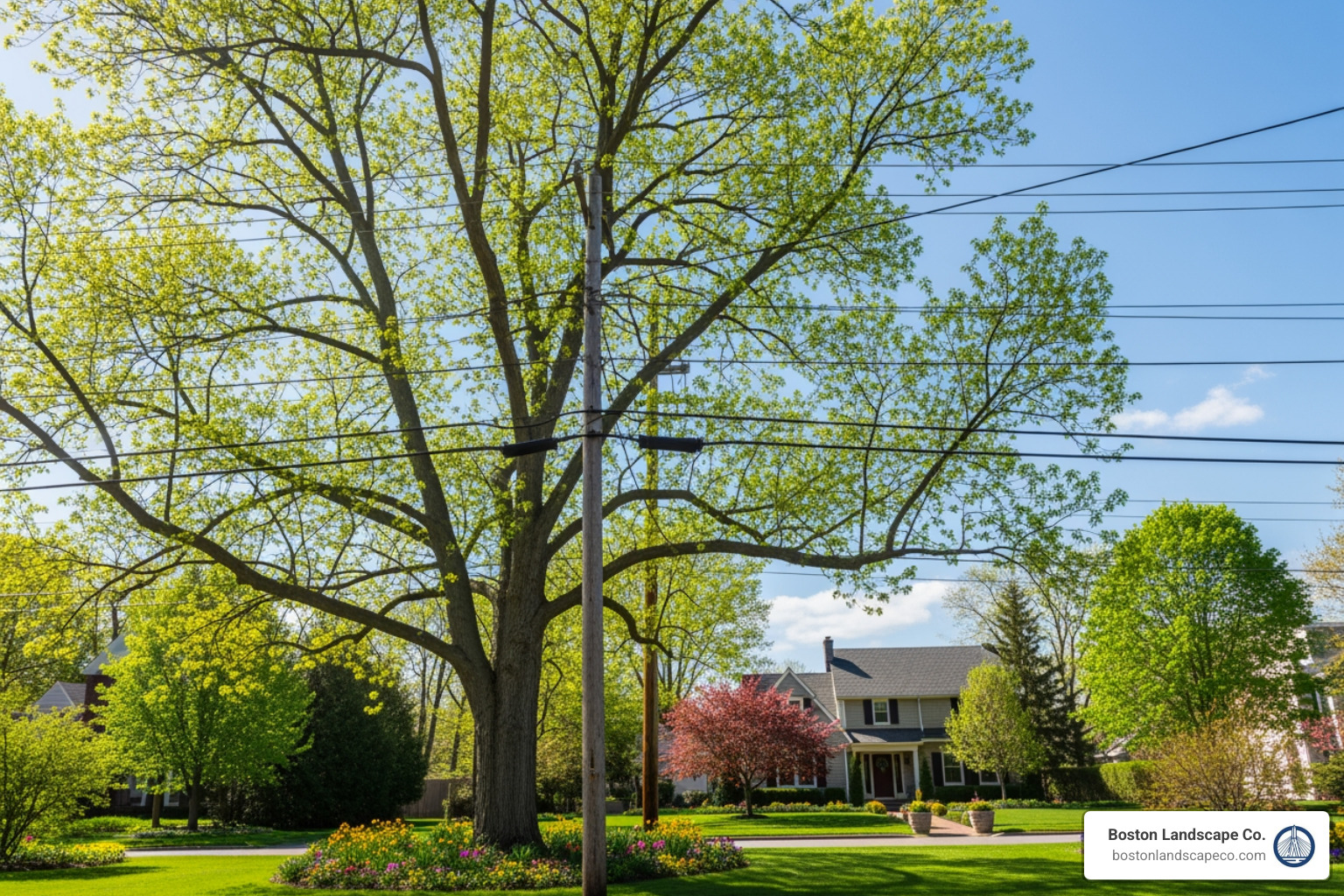
Sloped terrain also complicates the work. If a bucket truck can’t be used, arborists must climb, which is more labor-intensive and can increase costs by 25% to 50% nationally. These are average increases based on internet research.
Understanding Pruning Services and Additional Costs
When you’re planning for tree work this spring, understanding the average cost of tree pruning is just the starting point. The real picture becomes clearer when you know what “pruning” actually means for your specific trees and what other services might come into play.
Tree Trimming vs. Tree Pruning: What’s the Difference?
Homeowners often use “trimming” and “pruning” interchangeably, but for arborists, they have different goals. Tree trimming is about aesthetics—shaping a tree and keeping it clear of your house or walkways. Tree pruning is about health—removing dead, diseased, or weak limbs to promote strong growth and prevent disease. Though the goals differ, the work and equipment are similar, which is why their costs are comparable, typically averaging $400 to $800 nationally. Spring is a popular time for both, as it’s easy to see which branches need removal to support healthy new growth.
Additional Services That Affect the Average Cost of Tree Pruning
A base pruning quote may not include everything. Be aware of these potential additional costs:
- Debris hauling and cleanup: Removing all the branches and leaves can cost an extra $100 to $600 nationally. You can save money by handling this yourself.
- Wood chipping: Turning branches into mulch for your garden typically costs $50 to $100 per hour.
- Log splitting: If you want firewood, this service can cost $35 to $100 per cord.
- Stump grinding: If a tree is fully removed, grinding the stump is a separate service costing $100 to $500.
- Travel fees: May apply if you’re outside a company’s standard service area.
- Emergency call-out fees: Urgent service after a storm can add $250 to $1,000+ to the bill.
Note: All additional service prices are national averages based on internet research and not actual Boston Landscape Co. quotes.
Professional Standards and Permits
Beyond price, consider professional standards. Reputable companies follow ANSI A300 standards, the industry best practices for tree care. For complex jobs, hiring a certified arborist ($150 to $250 per hour nationally) provides expertise that can protect your trees from damage. Many Massachusetts towns also have local ordinances for pruning large or “heritage” trees, sometimes requiring permits. We are familiar with these regulations in our service areas. Finally, always verify that your tree service carries full insurance and liability coverage. This is essential protection for you and your property.
DIY vs. Hiring a Professional Tree Service
When you’re looking at the average cost of tree pruning, it’s natural to wonder if you could save money by doing the work yourself. The reality is that for most tree work, the risks far outweigh any potential savings. Unless you’re dealing with a small shrub you can reach from the ground, DIY pruning can become dangerous and unexpectedly expensive.
| Feature | DIY Tree Pruning | Professional Tree Pruning |
|---|---|---|
| Safety Risks | High (falls, cuts, electrocution) | Low (trained crew, proper gear, insurance) |
| Equipment Costs | Significant (ladders, saws, safety gear) | Included in service fee |
| Quality of Work | Varies (potential for improper cuts, tree damage) | High (expert arborists, industry standards) |
| Time Investment | High (research, execution, cleanup) | Low (quick, efficient service) |
| Long-Term Tree Health | Risky (improper pruning can harm tree) | Beneficial (promotes health, prevents disease) |
The Cost and Risks of DIY Tree Pruning
The DIY route requires a significant investment in equipment. A basic setup with ladders, saws, and safety gear can easily cost $600 to $1,100 nationally. But the real costs are the risks. Tree work is one of the most dangerous home projects, with serious hazards like falls, chainsaw injuries, and electrocution from power lines. Furthermore, improper cuts can permanently damage or kill your tree by inviting disease and pests. What seems like a money-saver can lead to property damage or personal injury that your homeowner’s insurance may not cover.
These equipment costs are national averages based on internet research and not actual Boston Landscape Co. quotes.
Benefits of Hiring a Professional
When you bring in a professional tree service like Boston Landscape Co., you’re investing in expertise, safety, and the long-term health of your trees. Here are the key benefits:
- Expertise: Certified arborists understand tree biology and make precise cuts that promote health and prevent disease.
- Safety: Trained crews use proper safety gear and techniques to protect themselves and your property.
- Equipment: We bring all necessary professional-grade equipment, from bucket trucks to chippers, included in the service fee.
- Efficiency: A job that could take you a whole weekend is completed in a few hours by our skilled crew, including cleanup.
- Insurance: We are fully insured, protecting you from any liability in case of accidents.

We are also committed to Eco-Friendly Tree Care, ensuring our practices are sustainable. For any tree over 15 feet tall or requiring a chainsaw, hiring a professional is the safer and often more economical choice.
Frequently Asked Questions about Tree Pruning Costs
We often get asked similar questions about tree pruning costs and practices. Here are some of the most common inquiries, along with our expert answers.
What is the best time of year to prune trees and does it affect cost?
The best time to prune most trees is during their dormant season, which generally falls in late winter to early spring here in New England. This period offers several advantages:
- Tree Health Benefits: Without active growth, winter pruning causes less stress on the tree. Wounds will heal better, and spring growth and blooms will be more robust. Pruning during dormancy minimizes sap loss and reduces the risk of insect infestation and disease entry through fresh cuts.
- Better Visibility: With deciduous trees, the absence of leaves allows our arborists to clearly see the tree’s structure and identify dead or crossing branches more easily.
- Seasonal Demand: While late winter/early spring is ideal for the tree, it can also be a popular time for homeowners to schedule pruning before spring landscaping projects begin. This means demand can be high. However, some services might offer slight discounts during the very early or late parts of the dormant season when schedules are less packed.
For Boston Landscape Co. and homeowners in areas like Reading, Woburn, or Stoneham, early spring is a key time for pruning. It prepares trees for vigorous growth, helps identify and remove any winter damage, and sets the stage for a beautiful, healthy landscape throughout the warmer months.
How can I save money on tree pruning?
While professional tree pruning is an investment, there are several ways homeowners can potentially reduce the overall cost:
- Regular Maintenance: Proactive, routine pruning (every 3-5 years for mature trees) prevents trees from becoming overgrown or severely damaged, which can lead to much more expensive emergency or corrective pruning.
- Pruning Multiple Trees: If you have several trees on your property that need attention, scheduling them all at once can often lead to a group discount, as the crew is already on-site.
- DIY Debris Cleanup: If you’re physically able and have a plan for disposal, offering to clean up and haul away the branches and leaves yourself can save you the additional cost of debris removal.
- Scheduling in the Off-Season: While spring is ideal for trees, if aesthetics or specific timing aren’t critical, you might find slightly lower rates during less busy periods for tree services.
- Getting Multiple Quotes: Always get at least three detailed estimates from reputable, insured tree service companies. This allows you to compare pricing and ensure you’re getting a fair market rate for the work.
The cheapest option isn’t always the best. Prioritize safety, expertise, and proper insurance over just the lowest price.
How often should I have my trees pruned?
The frequency of tree pruning depends on the tree’s age, type, and specific health needs:
- Young Trees: Young trees need trimming every two to three years. This helps establish a strong structure, guides their growth, and prevents future problems.
- Mature Trees: Most mature trees need trimming every three to five years. This routine maintenance removes deadwood, addresses crossing branches, and maintains the tree’s health and shape.
- Fruit Trees: Fruit trees should be trimmed annually. This specialized pruning encourages fruit production and keeps the tree healthy.
- Evergreen Trees: Most evergreen trees can go years without a trim, often requiring minimal pruning unless for shaping or removing damaged branches.
General Rule of Thumb: If you’re unsure, a good guideline is to inspect your trees annually. Look for dead or broken branches, branches that cross or rub against each other, or branches growing too close to structures or power lines. These are clear signs that your tree might need pruning. If you notice significant changes or concerns, it’s always best to consult with a professional arborist.
Keep Your Trees Healthy and Your Property Safe
As we’ve explored throughout this guide, understanding the average cost of tree pruning involves more than just looking at a price tag. It’s about recognizing how tree size, type, health, and accessibility all work together to determine what you’ll ultimately pay. Whether you’re caring for a towering oak in Winchester or maintaining a maple grove in Lexington, each tree presents its own unique needs and challenges.
The investment in professional tree pruning pays dividends far beyond the initial service call. Healthy, well-maintained trees improve your property’s curb appeal, increase your home’s value, and create that beautiful New England landscape we all cherish. More importantly, regular pruning protects your family and property from the very real dangers of falling branches or structurally compromised trees.
Here’s what many homeowners in our Massachusetts service areas don’t realize: skipping professional pruning to save money often backfires. Neglected trees become hazards. Improper DIY cuts invite disease. What starts as a $400 pruning job can turn into a $3,000+ emergency removal when a weakened tree threatens your roof during a spring storm.
At Boston Landscape Co., we’ve been caring for trees across Stoneham, Billerica, and Greater Boston since 1991. Our certified arborists understand the specific challenges that New England trees face—from harsh winters to humid summers. We provide transparent, detailed quotes that reflect the actual work your trees need, never padding estimates with unnecessary services.
Spring is the perfect time to assess your trees as they emerge from winter dormancy. Dead branches become obvious. Storm damage reveals itself. New growth shows you exactly where your trees need attention to thrive through the coming season.
Your trees are living investments in your property and your quality of life. They deserve expert care from professionals who understand their biology, respect their value, and have the skills to keep them healthy for generations.
Ready to give your trees the professional attention they deserve? Contact our expert arborists for a consultation and let’s create a pruning plan that keeps your landscape beautiful, healthy, and safe all year long.
Like us on Facebook!
