
Average Cost for Commercial Snow Removal: Top 5 Secrets
Average cost for commercial snow removal can vary significantly based on several factors, but understanding these costs is crucial for maintaining your property’s safety and accessibility during the harsh winter months. For a quick overview:
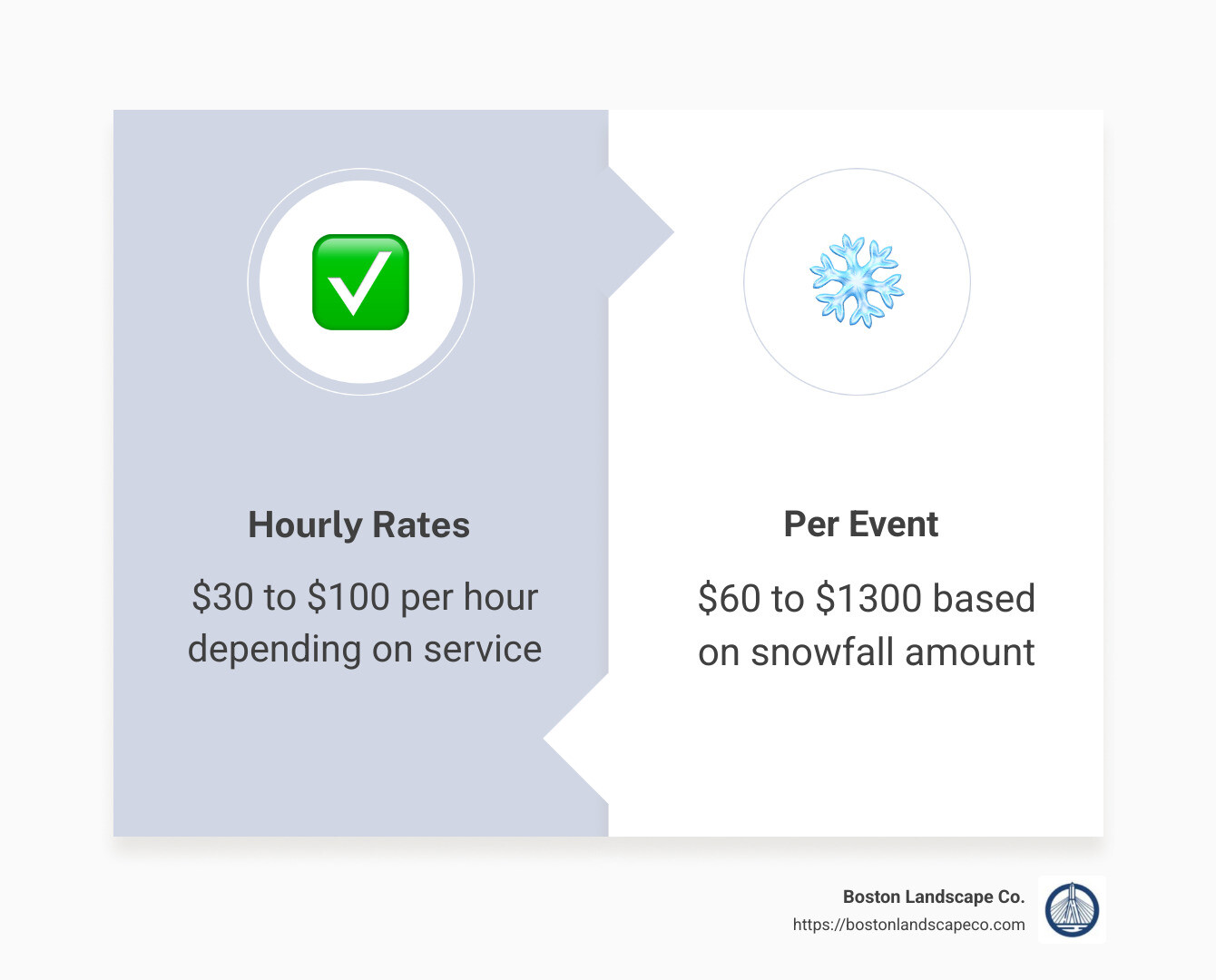
- Hourly Rates: From $30 to $100 per hour depending on the service
- Per Event: Costs can range from $60 to $1300 depending on snowfall amount
- Seasonal Contracts: Can be more cost-effective for areas with frequent snow events
Snow management is not just about clearing pathways. It’s a crucial investment to ensure pedestrian safety, legal compliance, and uninterrupted business operations. Variability in snow patterns and recent advancements in predictive weather technologies make effective snow removal both a science and an art. These services go beyond mere clearing, incorporating preventive measures like salt applications and strategic planning to manage resource allocation efficiently.
As someone who’s dedicated over three decades to landscape and snow management, I’m Steve Schumacher, the owner-operator of Boston Landscape Co. With expertise in determining the average cost for commercial snow removal, my experience ensures that properties not only maintain their aesthetic appeal but also their functionality and safety throughout winter.
Average cost for commercial snow removal terminology:
– commercial snow removal pricing
– commercial snow removal equipment
– commercial snow plowing contracts
Factors Influencing Snow Removal Costs
When it comes to the average cost for commercial snow removal, several key factors come into play. Each of these elements can significantly impact the final price tag, ensuring that services are both effective and custom to the specific needs of a property.
Overhead Costs
Overhead expenses are a crucial component of snow removal pricing. These include:
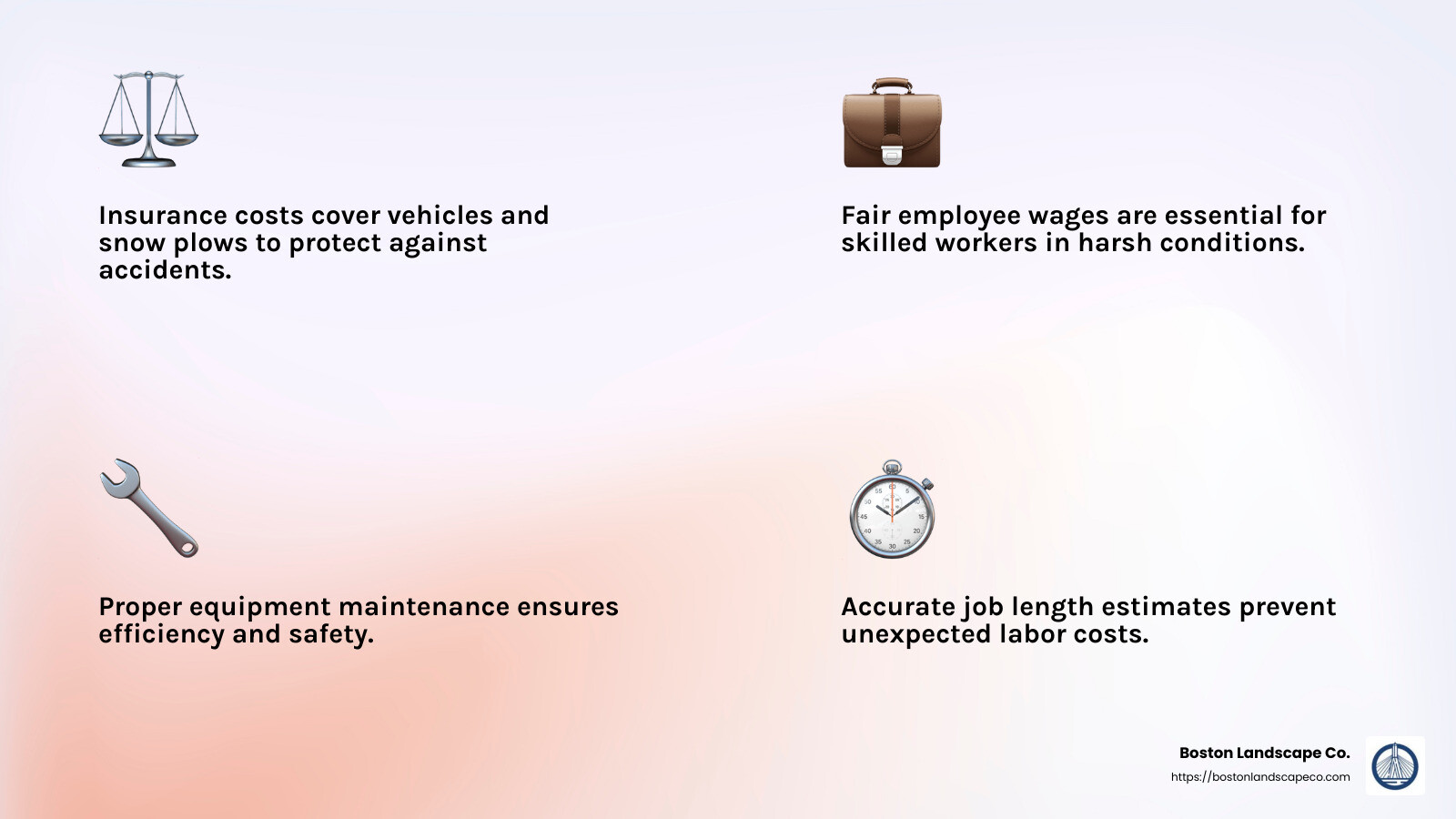
- Insurance: Covering vehicles and snow plows is essential to protect against accidents and liabilities.
- Employee Wages: Fair compensation for skilled workers who brave harsh conditions to keep properties safe.
- Equipment and Supplies: Maintenance and operation of snow blowers, plows, and salt spreaders.
Job Length
Estimating the job length accurately is vital. Factors like snow depth and site size determine how long a task will take. A common approach is to assess how long it would take one person to complete the job and then adjust based on the crew size. This ensures that labor costs are calculated precisely and fairly.
Market Rates
Understanding your market is essential for competitive pricing. Wealthier areas might be willing to pay a premium, whereas less affluent regions may require more budget-friendly options. This means adapting rates to fit the local economic landscape, ensuring that services are accessible while still profitable.
Special Conditions
Special conditions, such as unusual weather patterns or challenging landscapes, can influence costs. For instance, properties with steep inclines or tight spaces might require specialized equipment or additional labor, thus increasing the price.
Response Time
Quick response times are crucial for maintaining safety and accessibility. A fast turnaround can often justify higher costs, as it ensures properties are cleared promptly, minimizing disruptions. This is especially important for businesses that need to remain operational during snow events.
By understanding these factors, businesses can make informed decisions about their snow removal needs, ensuring they receive the best value for their investment. This proactive approach not only helps in maintaining safety but also in preserving the property’s reputation and functionality.
Average Cost for Commercial Snow Removal
When considering the average cost for commercial snow removal, understand the different pricing methods available. Each method has its own benefits and can be custom to fit the specific needs of a business or property. Here’s a breakdown of the most common pricing approaches:
Pricing Methods
- Hourly Rates
Charging by the hour is straightforward and transparent. It involves calculating the total cost based on the equipment used, the number of workers, and the time required to complete the job. For instance, snow plowing can range from $125 to $500 per hour, depending on factors like the size of the area and the equipment involved.
- Per Event
This method involves charging a flat rate for each snow event, such as a snowstorm. It’s ideal for areas that don’t experience frequent snowfall. By choosing this option, businesses can budget more effectively, knowing exactly how much each snow event will cost them.
- Seasonal Contracts
Think of seasonal contracts like a subscription service. A business pays a fixed fee for the entire snow season, regardless of the number of snow events. This method is particularly popular in regions with heavy and consistent snowfall, as it provides predictability in budgeting.
Seasonal Contracts: A Closer Look
Seasonal contracts offer several advantages:
- Predictable Costs: Businesses can plan their budgets without worrying about unexpected expenses during a harsh winter.
- Priority Service: Contract holders often receive priority service, ensuring that their properties are cleared promptly.
- Risk Mitigation: By locking in a rate, businesses can avoid price hikes during peak demand periods.
Choosing the Right Method
Selecting the right pricing method depends on various factors, including location, average snowfall, and specific needs of the property. For instance, a business in Boston, MA, where heavy snow is common, might benefit from a seasonal contract for consistent service. Conversely, a business in an area with sporadic snowfall might prefer the per-event pricing model to manage costs effectively.
By understanding these pricing methods, businesses can make informed decisions that align with their operational needs and financial goals. This strategic approach ensures that snow removal services are both effective and cost-efficient, allowing businesses to maintain safety and accessibility throughout the winter months.
Methods of Snow Removal
When it comes to clearing snow, there are several methods that snow removal companies use to ensure properties remain safe and accessible. Each method has its unique advantages and is suited to different types of areas and snow conditions.
Snow Plowing
Snow plowing is one of the most common and efficient methods for clearing large areas, like parking lots and roadways. Plows are attached to trucks or specialized vehicles and push the snow off to the sides, creating clear paths. This method is fast and ideal for handling heavy snowfall. However, it can leave behind piles of snow, which may need further management.
Snow Blowing
For tighter spaces, like sidewalks and smaller driveways, snow blowing is often the preferred method. Snow blowers are machines that scoop up snow and throw it to the side, clearing the area without leaving large piles. This method is effective in areas where precision is needed and where snow plowing equipment might be too large or cumbersome.
Snow Shoveling
In areas where machinery cannot reach or where a more delicate touch is needed, snow shoveling by hand is the go-to method. This is labor-intensive but allows for detailed snow removal around obstacles like parked cars or intricate landscaping. Shoveling is often used for smaller properties or specific spots that require careful attention.
Salt Application
To prevent ice formation and ensure safety, applying salt or de-icing agents is crucial. After snow has been cleared by plowing, blowing, or shoveling, salt is spread to melt any remaining ice and prevent new ice from forming. This step is vital for maintaining slip-free surfaces and reducing the risk of accidents. While effective, it’s important to use salt carefully to avoid damage to concrete and vegetation.
Each of these methods plays a vital role in comprehensive snow management, ensuring that properties remain safe and functional throughout the winter months. By choosing the right combination of techniques, businesses can effectively manage snow and ice, minimizing disruptions and maintaining a welcoming environment.
Benefits of Hiring a Professional Snow Removal Service
When winter arrives, so do the challenges of keeping your commercial property clear of snow and ice. Hiring a professional snow removal service can offer numerous advantages, saving you headaches and potential liabilities.
Liability Reduction
One of the most compelling reasons to opt for a professional service is liability reduction. If a customer or employee slips on an icy patch that wasn’t properly cleared, your business could face significant legal and financial consequences. Professional snow removal companies provide documentation that proves you took proactive steps to maintain safety. This documentation can be crucial in defending against any claims.
“If you rely on your staff for snow removal, you are leaving yourself open to liabilities.” – Forbes
Professional Equipment
Professionals come equipped with the right tools for the job. Whether it’s a heavy-duty plow for large parking lots or a snow blower for narrow sidewalks, they have the equipment to handle any situation efficiently. This not only ensures thorough snow removal but also protects your property from potential damage caused by improper equipment use.
Time Savings
Time is money, especially in business. By outsourcing snow removal, you free up your staff to focus on their core responsibilities. Snow removal experts are trained to work quickly and efficiently, ensuring your property is cleared without unnecessary delays. This means your business can continue operating smoothly, even during heavy snowfalls.
Safety
Safety is paramount in any business setting. By hiring professionals, you ensure that snow and ice are removed effectively, reducing the risk of accidents. Experts know how to handle various snow and ice conditions, and they apply salt or de-icing agents to prevent refreezing. This expertise keeps your walkways and parking lots safe for both employees and customers.
In summary, choosing a professional snow removal service is not just about convenience—it’s a strategic decision that can protect your business from liability, save time, and ensure safety. As winter approaches, consider the peace of mind that comes with knowing your property is in expert hands.
How to Price Commercial Snow Removal
Pricing commercial snow removal can be tricky, but understanding the key components can simplify the process. Let’s break it down.
Pricing Formula
The pricing formula for snow removal services typically includes several factors: overhead costs, equipment needs, labor, and the size of the property. Each of these elements plays a crucial role in determining what you’ll charge your clients.
- Overhead Costs: These are the fixed costs required to run your business, like insurance, fuel, and maintenance. Knowing your overhead helps ensure that your pricing covers these expenses while still generating profit.
- Equipment Needs: Different jobs require different tools. For large commercial properties, heavy-duty plows or snow blowers might be necessary, while smaller areas might only need a shovel or a smaller snow blower. The type and size of equipment used can significantly affect pricing.
- Labor Costs: Consider how many workers you need and how long the job will take. Labor costs can vary based on the complexity and urgency of the task. For instance, emergency snow removal might require more manpower and thus increase labor costs.
- Property Size: Larger properties generally require more time and resources to clear, which will affect the overall cost. Be sure to assess the entire area, including parking lots and walkways, to provide an accurate estimate.
Equipment Needs
The equipment you choose can make or break your efficiency. Heavy-duty plows are ideal for large parking lots, while snow blowers are perfect for sidewalks and smaller areas. Selecting the right equipment not only speeds up the job but also ensures safety and thoroughness.
Labor Costs
Accurately estimating labor costs is essential. Consider the time it will take to clear the property and the number of workers required. If a job is in a high-demand area, you might need to offer competitive wages to attract skilled workers.
Property Size
Larger properties require more resources, which means higher costs. It’s essential to accurately measure the property and understand its unique needs. For example, a property with multiple obstacles or varying terrain might need specialized equipment or more time to clear.
In conclusion, understanding how to price commercial snow removal involves balancing several factors. By considering overhead, equipment, labor, and property size, you can create a pricing strategy that is both competitive and profitable.
Frequently Asked Questions about Commercial Snow Removal
How do you calculate commercial snow plowing?
Calculating the cost of commercial snow plowing involves several key factors. First, you’ll want to outline the contract details. Contracts can vary greatly, from per-event pricing to seasonal agreements. It’s important to specify the scope of services, such as whether the contract includes plowing, salting, or snow hauling. Each service has its own cost structure, so clarity is crucial.
Next, consider the property size. Larger areas, like expansive parking lots, require more time and equipment, which increases costs. Also, take into account the complexity of the terrain, as uneven surfaces or numerous obstacles can add to the time and labor required.
Finally, the hourly rates play a significant role. Rates can range from $50 to $160 per hour depending on the market and the specifics of the job. Always ensure your pricing strategy covers your overhead and allows for a profit margin.
Why is snow removal insurance so expensive?
Snow removal insurance is costly due to the high liability risks involved. Removing snow and ice can lead to accidents, such as slips and falls, for which businesses might be held liable. If someone gets injured on a property because of inadequate snow removal, the property owner or contractor could face legal action.
Insurance costs also cover potential damages to equipment or property during snow removal operations. The high-risk nature of the job means that premiums for comprehensive coverage are higher to protect against these liabilities. This is why having adequate insurance is crucial for any snow removal business.
How much to charge for snow plowing parking lots?
The cost to plow parking lots depends on several factors, including hourly rates, parking lot size, and any additional services required. Hourly rates generally range from $50 to $160, influenced by local market conditions and the complexity of the job.
For larger parking lots, you might need to use heavy-duty equipment, which can increase costs. Additionally, if the parking lot requires extra services like salting or sanding, this will add to the overall price. Always assess the specific needs of the parking lot, including whether cars will be present during plowing, to provide an accurate and fair estimate.
By understanding these elements, you can set competitive prices that reflect the value of your services while ensuring profitability.
Conclusion
At Boston Landscape Co., we understand the unique challenges that come with managing snow removal for commercial properties. Our comprehensive services ensure that your property is safe, accessible, and functional throughout the winter months. We offer custom solutions to meet the specific needs of each client, whether it’s a small business or a large commercial complex.
Why Choose Us?
- Comprehensive Services: From snow plowing and snow blowing to salting and de-icing, we cover all aspects of snow management. Our team is equipped with state-of-the-art tools and technology to handle any snow event efficiently.
- Custom Solutions: We know that every property is different. That’s why we work closely with property managers and business owners to develop customized snow removal plans. Whether you need a seasonal contract or per-event pricing, we have flexible options to suit your budget and requirements.
- Safety and Reliability: Safety is our top priority. We monitor all contracted sites 24/7 to ensure they are always safe for travel. Our team is on call, ready to respond swiftly to any snow or ice conditions.
- Local Expertise: Serving the greater Boston area, including Stoneham, Billerica, and surrounding communities, we are familiar with the local climate and challenges. Our local knowledge allows us to provide timely and effective services.
By choosing Boston Landscape Co. for your commercial snow removal needs, you are investing in a partner who is committed to maintaining the safety and accessibility of your property. Our team is ready to help you weather any storm with professionalism and dedication.
For more information on our snow removal services and to request a custom quote, visit our Snow Removal Service page. Let us take care of the snow, so you can focus on what you do best.
