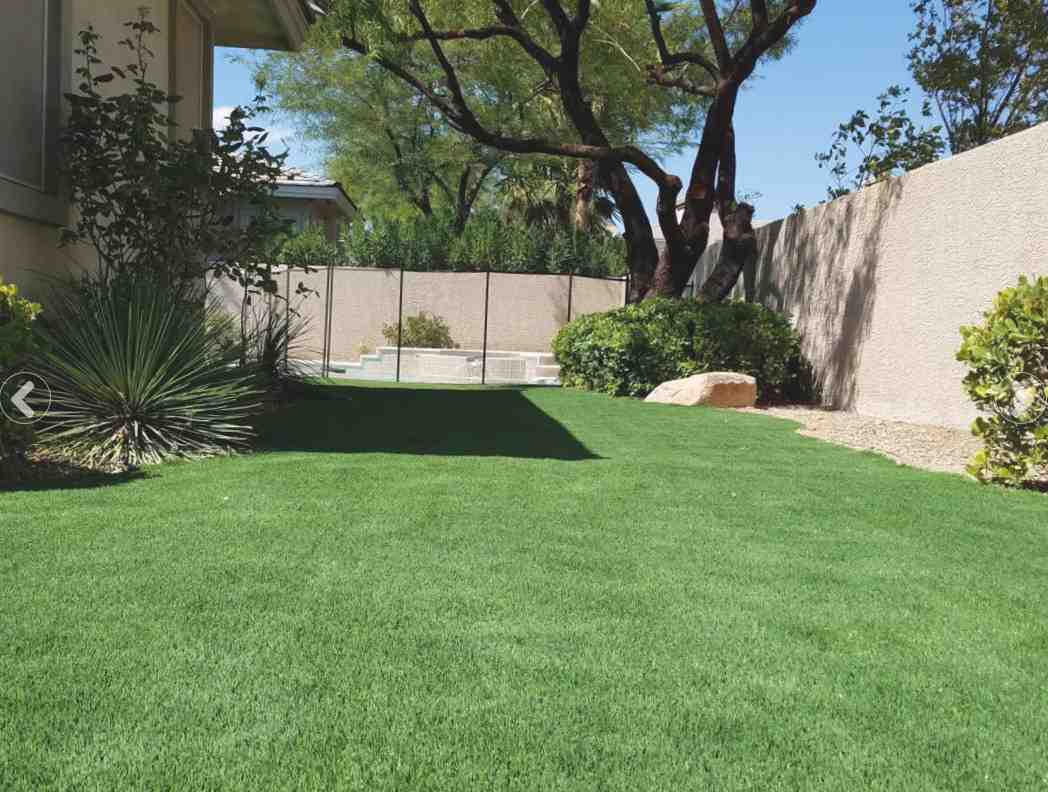
Replace Lawn with Artificial Turf: Top 5 Benefits Now
Replace lawn with artificial turf and instantly tackle a range of modern landscaping challenges. This choice promises reduced water use, lower upkeep costs, and a year-round pristine look. But is it truly the right move for your outdoor space? Here’s a quick glance at considerations:
- Cost Savings: No watering, fertilizing, or mowing means lower bills and fewer weekend chores.
- Environmental Concerns: While conserving water, artificial turf might introduce plastic waste.
- Lifespan: Typically lasting around a decade, you’ll need to think about future replacement plans.
- Aesthetic Appeal: Cedar-green perfection in every season, with minimal effort.
When pondering if you should replace lawn with artificial turf, keep in mind both the pros and cons highlighted above.
I’m Steve Schumacher, owner of Boston Landscape Co., with over three decades of experience in landscaping. I’ve seen the impact of choosing to replace lawn with artificial turf on both cost and the environment. Let’s dig into the details!
Glossary for replace lawn with artificial turf:
– artificial grass cost
– how to install artificial lawn turf
– synthetic grass
Benefits of Replacing Lawn with Artificial Turf
Cost Efficiency
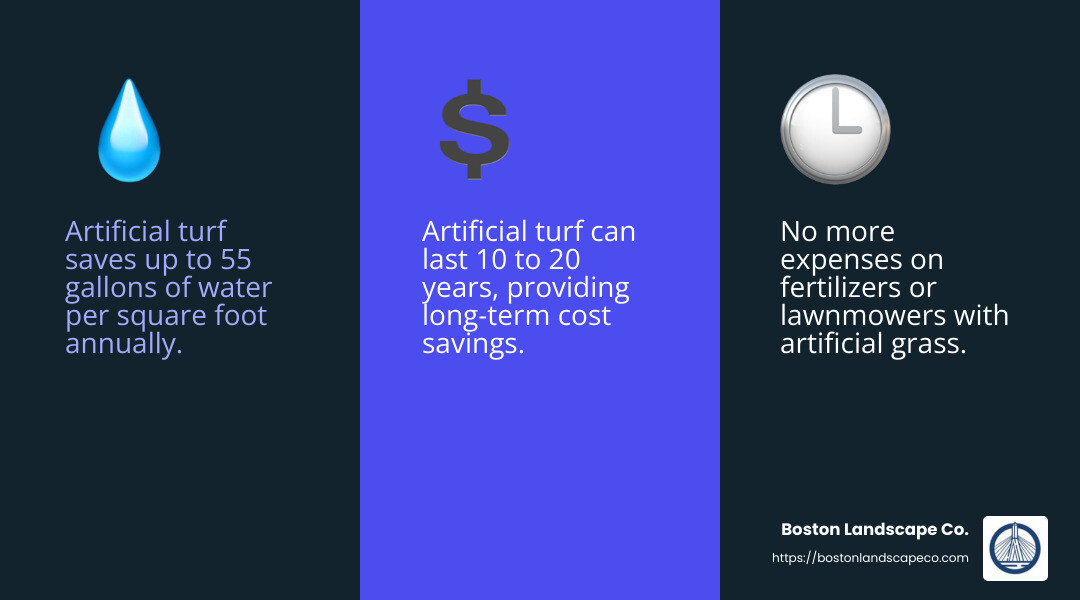
Switching to artificial turf can be a smart financial move. Why? Because it cuts down on the usual costs of maintaining a natural lawn. No more watering, mowing, or fertilizing. This means lower water bills and fewer trips to the store for lawn care products. Over time, these savings add up.
Here’s a simple breakdown:
- Watering: Natural grass needs constant watering, especially in dry seasons. Artificial turf? Not a drop needed.
- Maintenance: Forget about buying fertilizers or hiring someone to mow your lawn.
- Lifespan: Quality artificial turf can last 10 to 20 years. This long lifespan means fewer replacements and more savings in the long run.
Environmental Considerations
Artificial turf isn’t just about saving money. It also plays a role in conserving our planet’s resources.
Water Conservation: Natural lawns can guzzle up to three trillion gallons of water each year in the U.S. alone. That’s a lot of water! By choosing artificial turf, you’re helping to reduce this massive consumption.
Pollution Reduction: Without the need for fertilizers and pesticides, artificial turf helps cut down on the chemicals that can seep into our waterways and harm aquatic life.
But it’s not all green. While artificial turf saves water, it does involve plastics. Most turfs are made from synthetic materials, which can contribute to plastic waste if not disposed of properly. So, it’s important to consider the environmental trade-offs.
In summary, replacing your lawn with artificial turf can be a win-win for your wallet and the environment, but it’s crucial to weigh the benefits against the environmental impact of materials used.
Installation Process for Artificial Turf
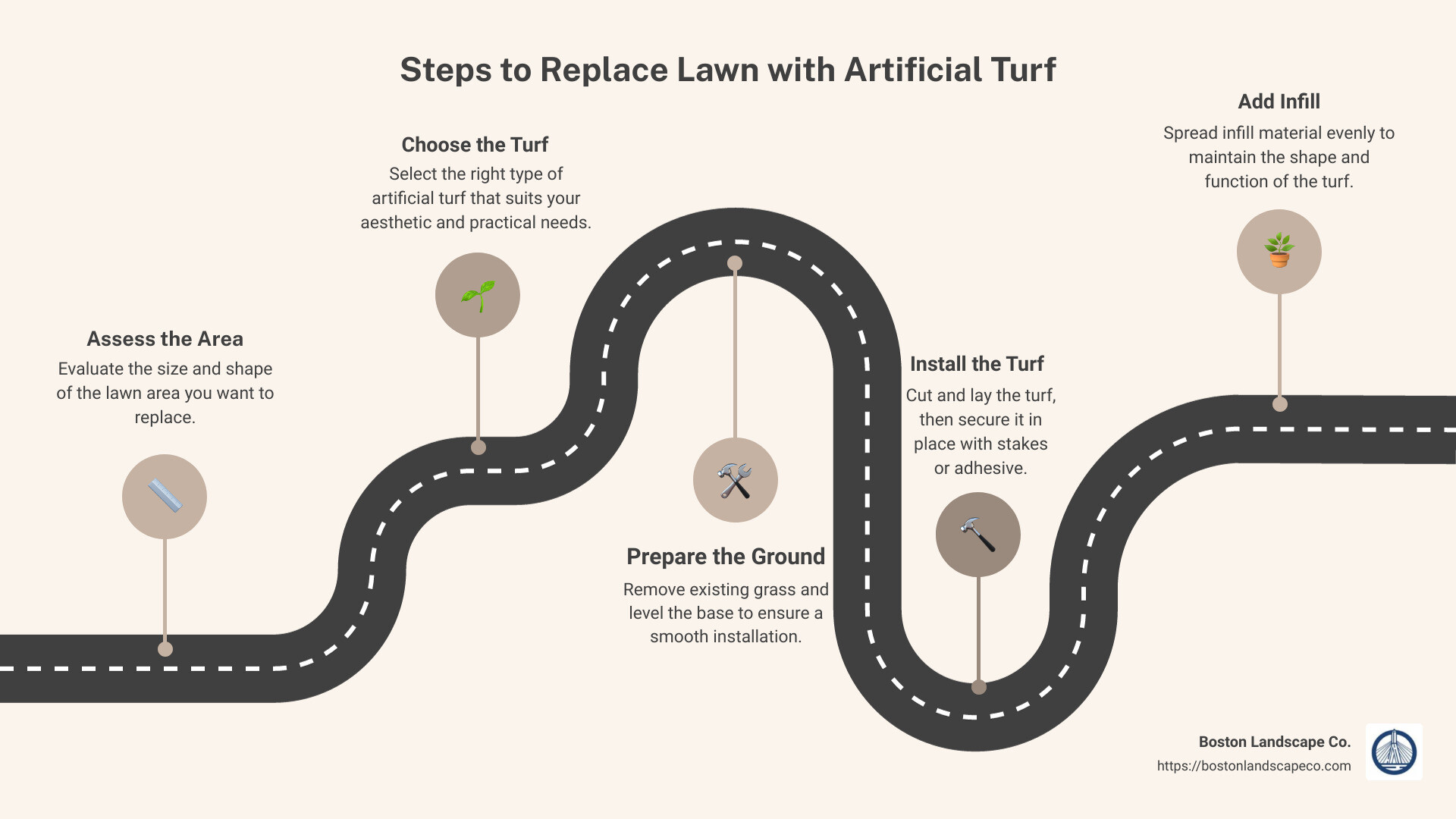
Installing artificial turf involves several steps to ensure a smooth, durable, and aesthetically pleasing surface. Let’s break down the process into two main parts: preparing the ground and laying the turf.
Preparing the Ground
Preparation is key to a successful turf installation. Before you start, gather the necessary tools: a shovel, a compactor, a carpet knife or box cutter, a tamping machine, and a water sod roller.
- Remove Existing Grass: The first step is to clear the area of any natural grass, rocks, or debris. This ensures a flat and stable surface for the turf. Tip: Use a shovel or a sod cutter for efficient removal.
- Base Preparation: Once the area is clear, it’s time to prepare the base. Spread a 2-4 inch layer of paver base gravel or decomposed granite. This material provides a stable foundation and aids in drainage.
- Compact the Base: Use a compactor to firmly pack the base material. This step is crucial for preventing any future settling or shifting of the turf. Ensure the surface is slightly sloped to allow for proper drainage.
Laying the Turf
With the ground prepared, it’s time to lay down your artificial turf.
- Roll Out the Turf: Lay the turf over the prepared base, ensuring the blades of grass all face the same direction for a natural look.
- Cutting: Use a carpet knife or box cutter to trim the turf to fit the shape of your yard. Precision is important here to avoid gaps or overlaps.
- Securing: Secure the turf edges with 4-6 inch galvanized nails, spaced about 6 inches apart. This keeps the turf in place and prevents it from lifting.
- Seaming: If you have multiple pieces of turf, use seam tape and adhesive to join them together. Align the blades carefully to ensure a seamless appearance.
- Infill Application: Spread infill material, like silica sand or Envirofill, evenly across the turf. This helps the blades stand upright and provides additional stability. Use a drop spreader for even distribution and a broom to work the infill into the turf.
By following these steps, you can achieve a professional-looking artificial turf installation that will last for years. Up next, we’ll explore common concerns and drawbacks associated with artificial turf.
Common Concerns and Drawbacks
While the idea to replace lawn with artificial turf might seem appealing, there are some concerns and drawbacks to consider.
Environmental Impact
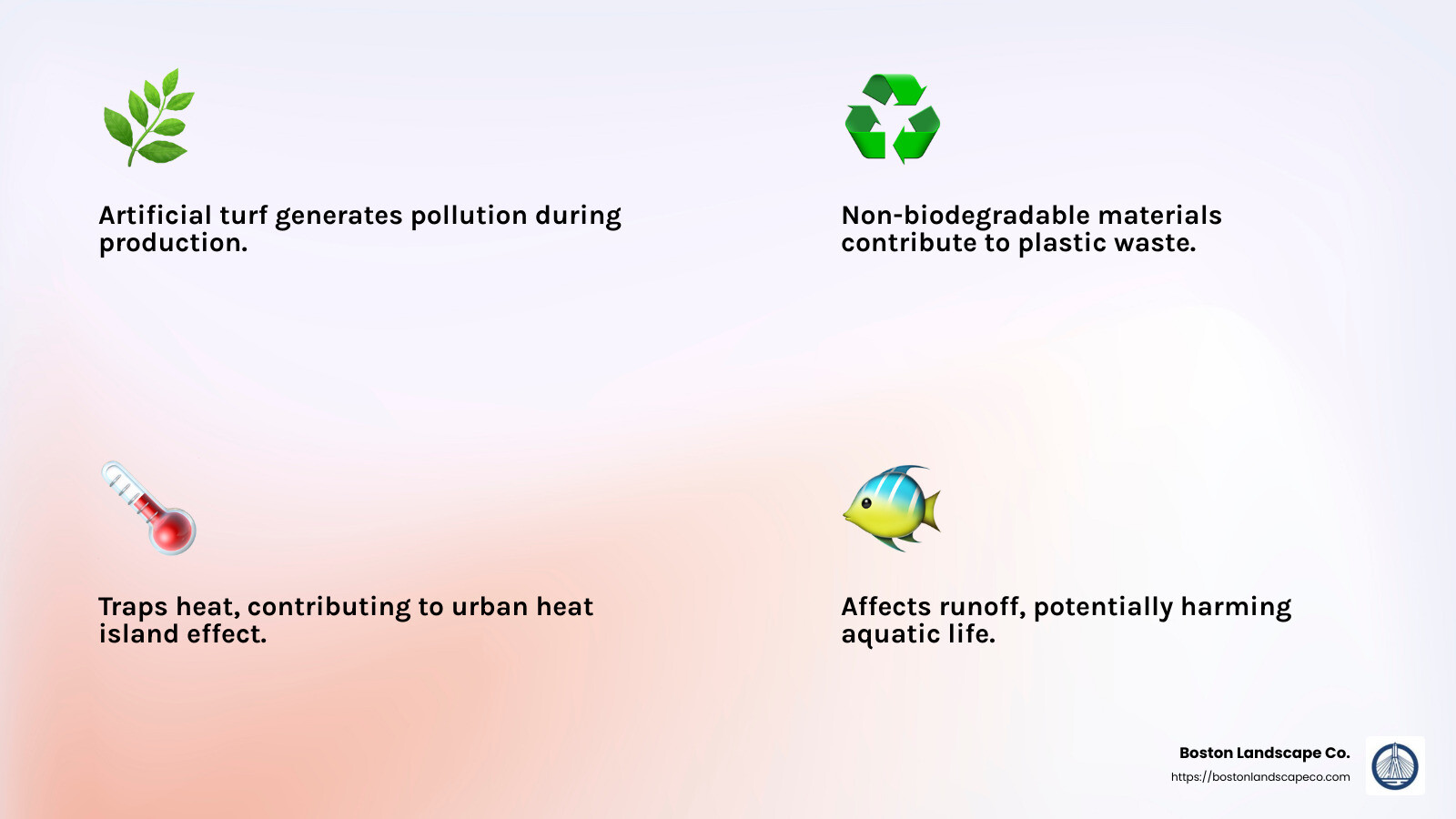
One of the major issues with artificial turf is its environmental impact. Although it saves water, the production process generates pollution and uses non-biodegradable materials. Over time, these materials contribute to plastic waste and eventually end up in landfills. This is akin to using disposable plates instead of washing dishes—convenient but not eco-friendly.
Moreover, artificial turf can disrupt local ecosystems. For instance, it traps heat, affecting runoff and potentially harming aquatic life. This heat retention is problematic because it can increase temperatures in urban areas, contributing to the urban heat island effect.
Maintenance Challenges
Despite being marketed as low-maintenance, artificial turf does require some upkeep. Odor control can be a significant issue, especially in areas where pets frequent. Regular rinsing is necessary to manage odors, but this can be tricky during drought conditions. A case in point is the Los Angeles Department of Water and Power, which had to defend its practice of rinsing artificial turf to combat odors despite water restrictions.
Cleaning the turf is also essential to keep it looking fresh. This involves removing debris regularly and occasionally deep cleaning with water or specialized turf cleaners. Without proper maintenance, artificial turf can become unsightly and unhygienic.
Aesthetics and Drainage Issues
Aesthetically, artificial turf can appear unnatural if not installed correctly. Uneven surfaces and poor seaming can lead to a bumpy appearance. Additionally, drainage is a critical concern. If the ground is not properly prepared, water can accumulate, leading to potential damage to the turf and surrounding areas.
Artificial turf’s impermeability can prevent rain from soaking back into the ground, affecting groundwater recharge. This concern even led Los Angeles to revoke turf rebates in favor of more permeable landscaping options.
By understanding these common concerns and drawbacks, you can make a more informed decision about whether to replace your lawn with artificial turf. Up next, we’ll address some frequently asked questions to help you further evaluate this option.
Frequently Asked Questions about Artificial Turf
Do you have to remove grass before laying artificial grass?
Yes, removing existing grass is a crucial step before laying artificial grass. If you don’t remove the grass, it can lead to several issues, like uneven surfaces and poor drainage. Start by digging up the top four inches of the lawn. This ensures a clean and level base for your turf. Once the grass is removed, prepare the ground with a solid base layer, like crushed stone or decomposed granite. This helps with drainage and keeps the turf stable.
Skipping this step can lead to a bumpy appearance and water accumulation. Properly prepared ground ensures your artificial turf looks smooth and lasts longer.
What is the downside of artificial grass?
While artificial turf has many benefits, there are also some downsides to consider. Environmental concerns are significant. The production of artificial turf involves non-biodegradable materials, contributing to plastic waste. Once the turf is worn out, it often ends up in landfills, adding to environmental pollution.
Another issue is drainage. Artificial turf can prevent rainwater from soaking into the ground, affecting groundwater recharge. Poor drainage can lead to water pooling on the surface, potentially damaging the turf. Additionally, artificial grass can become hot in sunny weather, making it uncomfortable to walk on.
How to install artificial grass over an existing lawn?
Although it’s possible to install artificial grass over an existing lawn, it’s not recommended. This approach can cause several problems like poor adhesion and improper drainage. If you decide to go ahead, you must first ensure the lawn is level and free of weeds. Compact the soil and add a layer of crushed stone or decomposed granite to form a firm base. A weed barrier fabric can help stop unwanted growth.
Secure the artificial grass properly and trim it to fit the space. However, addressing any underlying issues like drainage problems or uneven surfaces is crucial for a successful installation. For best results, it’s often better to remove the existing lawn entirely before proceeding.
These FAQs should help clarify some common questions about artificial turf and guide you in making informed decisions about installation and maintenance.
Conclusion
Choosing to replace your lawn with artificial turf is a significant decision, and weigh all the factors involved. At Boston Landscape Co., we understand that each outdoor space is unique, and decisions about landscaping should be informed by both personal needs and environmental considerations.
Decision-Making Factors
When deciding whether to switch to artificial turf, consider the long-term benefits and any potential drawbacks. Artificial turf offers a durable, low-maintenance solution that can save you time and money. It requires no watering, mowing, or fertilizing, making it an eco-friendly choice in terms of reducing water usage and chemical runoff. However, it’s also important to consider environmental concerns, such as recyclability and the potential for increased heat retention.
Long-Term Investment
Investing in artificial turf is not just about immediate convenience. It’s a long-term commitment to the aesthetics and functionality of your outdoor space. With a lifespan of up to 15 years, artificial turf provides a consistent look and feel, regardless of weather conditions. This makes it an excellent choice for those seeking a pristine lawn without the ongoing maintenance of natural grass.
Our team at Boston Landscape Co. is dedicated to helping you make the best choice for your property. We offer expert installation services and high-quality materials to ensure your artificial turf meets the highest standards of quality and safety. If you’re ready to transform your landscape, explore our synthetic artificial lawns to see how we can help improve your outdoor space.
Switching to artificial turf is a decision that can offer significant benefits, both in terms of practicality and sustainability. With careful planning and consideration, it can be a worthwhile investment for your home or business.