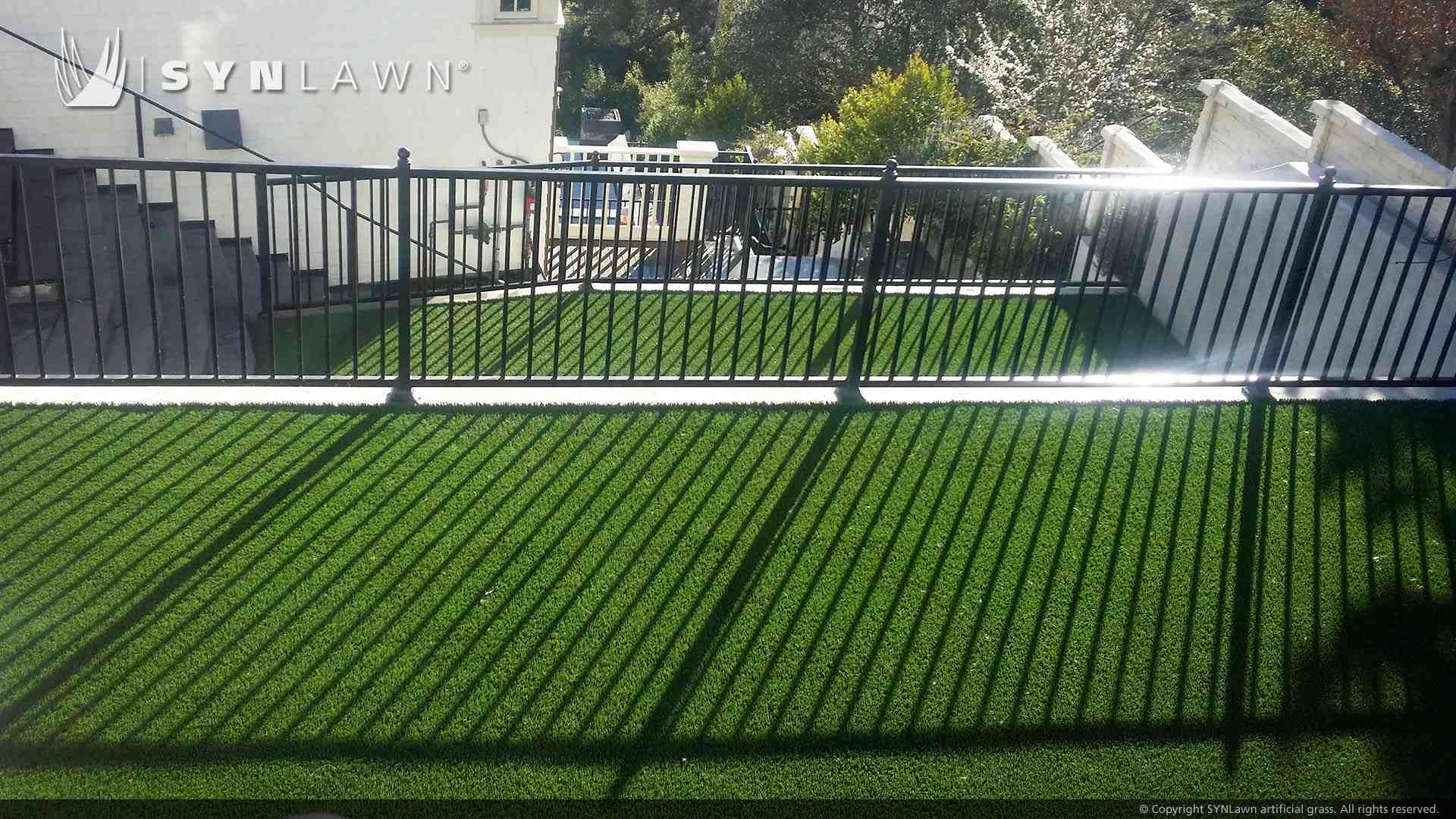
Landscape Synthetic Lawn: Top 5 Eco-Friendly Benefits
Landscape synthetic lawn options are changing outdoor spaces with their eco-friendly and cost-saving benefits. For homeowners and commercial property managers in Greater Boston, these synthetic solutions offer a chance to maintain year-round greenery without the hassle of traditional lawn upkeep.
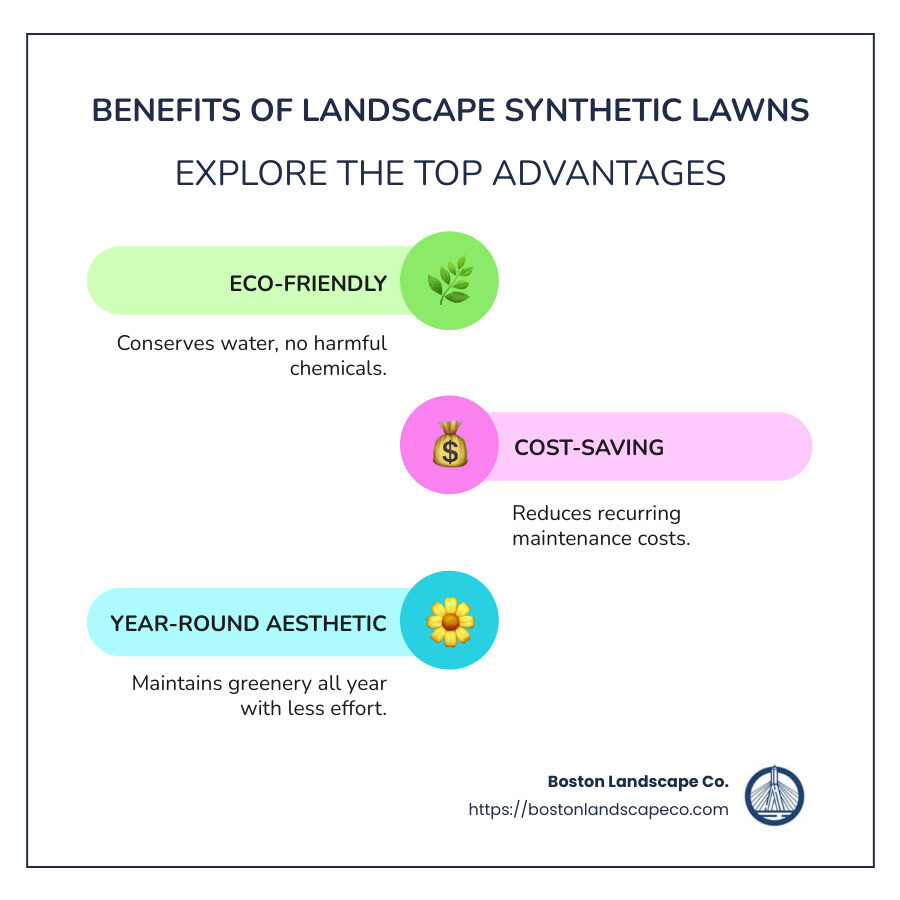
- Eco-friendly: Synthetic lawns conserve water and reduce the need for harmful chemicals.
- Cost-saving: Eliminate recurring maintenance costs like mowing and watering.
These qualities make synthetic lawns an attractive choice for those seeking both environmental sustainability and financial savings. By choosing landscape synthetic lawns, you contribute to water conservation and enjoy a visually appealing outdoor area with minimal effort.
I’m Steve Schumacher, owner of Boston Landscape Co. With over three decades of experience, I’ve dedicated my career to enhancing outdoor spaces with innovative, sustainable solutions like landscape synthetic lawns. Let’s explore how these lawns can lift your landscape aesthetic while being kind to the environment.
Landscape synthetic lawn vocab to learn:
– synthetic lawn installation
– synthetic lawn cost
– synthetic lawn vs real lawn
Benefits of Landscape Synthetic Lawns
When it comes to changing your outdoor space, landscape synthetic lawns offer a trifecta of benefits: water savings, low maintenance, and aesthetic appeal. Let’s explore each of these advantages.
Water Savings
One of the most significant benefits of synthetic lawns is their ability to conserve water. Traditional lawns require regular watering to maintain their green appearance, especially during hot summer months. However, synthetic lawns need no watering at all, which can lead to substantial water savings. In fact, according to Boston Landscape Co., this water conservation can translate into significant cost savings on your water bill. This is particularly important in areas like Boston, where water resources can be limited.
Low Maintenance
Maintaining a natural lawn can be a time-consuming and costly endeavor. Regular mowing, fertilizing, and pest control are just a few of the tasks required. Synthetic lawns, on the other hand, are virtually maintenance-free. There’s no need for mowing or fertilizing, and pests are no longer a concern. This not only saves you time but also reduces the need for lawn care products that can be harmful to the environment. Plus, the absence of lawn mowing means less noise pollution and lower fuel consumption.
Aesthetic Appeal
Synthetic lawns maintain their lush, green appearance all year round, regardless of the weather. This is especially beneficial in areas with extreme weather conditions where natural grass may struggle to survive. Homeowners can enjoy a pristine lawn without worrying about brown patches or seasonal changes affecting the grass’s appearance. The consistent aesthetic appeal of synthetic lawns can improve the overall look of your property, making it the envy of the neighborhood.
In summary, landscape synthetic lawns offer a sustainable, low-maintenance solution that conserves water and maintains a beautiful appearance year-round. These benefits make them an attractive option for homeowners and commercial property managers alike. Now, let’s move on to understand the installation process of synthetic lawns.
Installation Process
Installing a landscape synthetic lawn might seem daunting, but breaking it down into simple steps makes it manageable. Here’s a straightforward guide to help you through the process, from preparation to maintenance.
Preparation
Before you lay down any turf, preparation is key. Start by clearing the area of any existing grass, rocks, and debris. This step ensures a smooth surface for your synthetic lawn.
- Clear the Area: Remove all plants, rocks, and debris. Dig up about four inches of soil to ensure a clean base.
- Base Preparation: Spread a layer of Class II road base or crushed aggregate. This helps with drainage and provides a stable foundation. Lightly wet the area and use a compactor to level it.
- Drainage Setup: If your area has poor drainage, consider adding a drainage system. Drill small holes and fill them with pea gravel to prevent waterlogging.
Installation Steps
Once the area is prepared, it’s time to lay the turf.
- Roll Out the Turf: Lay the artificial grass over the base. Ensure the blades face the same direction for a natural look.
- Cut to Fit: Use a carpet knife to trim the turf to fit your space precisely.
- Seaming: If you’re using multiple pieces, join them with seaming tape or landscape staples. Secure the turf with galvanized nails around the perimeter.
- Infill Application: Spread infill materials like silica sand or Envirofill using a drop spreader. This keeps the blades upright and protects the turf.
Maintenance Tips
Once installed, landscape synthetic lawns require minimal upkeep, but a few simple maintenance tasks can keep them looking their best.
- Regular Brushing: Use a soft broom to brush the turf occasionally. This keeps the blades upright and maintains the lawn’s appearance.
- Rinse Off Debris: Use a hose to rinse away dust and debris. This is especially important if you have pets.
- Spot Cleaning: For spills or stains, clean the affected area promptly with mild soap and water.
By following these steps and tips, you can enjoy a lush, green lawn with minimal effort. Next, we’ll explore the cost considerations associated with synthetic lawns.
Cost Considerations
When considering a landscape synthetic lawn, understanding the cost implications is crucial. Let’s break down the key factors: pricing, budget options, and long-term savings.
Pricing
The initial cost of installing a synthetic lawn might seem high, but it’s important to look at the bigger picture. On average, the installation can range from $3,100 to $8,400. This includes both materials and labor. While this upfront cost is significant, it often balances out with the savings you achieve over time.
Budget Options
There are various options to fit different budgets. If you’re looking to save, consider opting for a DIY installation. This can reduce costs significantly, although it requires time and effort. Additionally, choosing less expensive turf varieties can help manage initial expenses. For example, products like the TFD 40 Special are available at $2.09 per square foot, providing a cost-effective solution without compromising on quality.
Long-Term Savings
The real financial benefits of a landscape synthetic lawn come from its long-term savings. Unlike natural grass, synthetic lawns require minimal maintenance:
- No Watering: Save on water bills, especially in areas prone to drought. Synthetic lawns can conserve thousands of gallons of water annually, translating to substantial cost savings.
- Minimal Maintenance: Forget about mowing, fertilizing, and weed treatments. These tasks are unnecessary with synthetic turf, saving you money and time. Yearly maintenance costs drop to virtually $0, compared to the $1,235–$4,200 per year for natural grass upkeep.
- Durability: High-quality synthetic grass can last between 10 to 25 years, providing a long-lasting solution that withstands wear and tear, drought, and extreme weather. This durability means fewer replacements and repairs, further enhancing long-term savings.
In summary, while the initial investment for a synthetic lawn may be higher than for natural grass, the long-term savings in maintenance and water usage often make it a financially wise choice. Next, we’ll address some frequently asked questions about synthetic lawns, shedding light on common concerns and misconceptions.
Frequently Asked Questions about Landscape Synthetic Lawns
Are synthetic lawns worth it?
Absolutely! Synthetic lawns offer significant water savings. Unlike natural grass, they don’t require regular watering, which can save thousands of gallons annually. This is especially beneficial in areas with water restrictions or drought conditions. Plus, you’ll see a reduction in your water bill.
The maintenance of synthetic lawns is minimal. Say goodbye to mowing, fertilizing, and dealing with pests. This not only saves time but also reduces the need for lawn care products, which can be harmful to the environment. Over time, the cost savings from reduced maintenance and water usage can outweigh the initial installation costs.
Can you put artificial turf directly on dirt?
While it might be tempting to lay artificial turf directly on dirt, it’s not recommended. Proper installation tips are essential for a successful synthetic lawn. Begin with a well-prepared base. This typically involves removing existing vegetation and creating a compacted base layer, often using decomposed granite or crushed stone. This ensures good drainage and a smooth surface, preventing any future issues with unevenness or water pooling.
For those considering a DIY approach, expert advice suggests taking your time with the base preparation. It’s a crucial step that affects the longevity and appearance of your lawn. A well-prepared base can make a significant difference in the performance of your synthetic lawn.
What are the negatives of artificial grass?
While synthetic lawns have many benefits, there are some negatives to consider. One issue is overheating. Artificial grass can become quite hot in direct sunlight, making it uncomfortable to walk on barefoot during peak summer months. However, this can be mitigated by choosing heat-resistant turf or installing shade structures.
Another concern is the environmental impact. Synthetic lawns are made from non-biodegradable materials, and their production can involve pollution. However, many manufacturers are now incorporating recycled materials into their products, which can help reduce their environmental footprint.
While synthetic lawns save water, they don’t contribute to oxygen production or natural cooling like real grass does. It’s essential to weigh these factors when deciding if a synthetic lawn is right for your landscape.
Next, let’s explore how Boston Landscape Co. can provide sustainable solutions for your outdoor improvement needs.
Conclusion
At Boston Landscape Co., we are passionate about changing outdoor spaces into beautiful and sustainable havens. Our landscape synthetic lawns are designed to offer not just a stunning aesthetic, but also a practical and eco-friendly solution for both residential and commercial properties.
Sustainable Solutions: We prioritize sustainability in every project. By choosing synthetic lawns, you are making an environmentally conscious decision that significantly reduces water usage. This is crucial in Massachusetts, where water conservation is a growing concern. Our synthetic lawns are also low-maintenance, which means fewer chemicals and fertilizers are needed, further reducing your ecological footprint.
Outdoor Improvement: Our synthetic lawns are perfect for enhancing any outdoor space. Whether it’s a backyard, a rooftop, or a commercial landscape, our products provide a lush, green look all year round. They are designed to withstand the elements and heavy foot traffic, making them ideal for play areas, pet zones, and leisure spaces.
By partnering with industry leaders in synthetic lawn manufacturing, we ensure that our clients receive the highest quality products that are both durable and aesthetically pleasing. We tailor our services to meet your specific needs, ensuring that your outdoor space not only looks amazing but also aligns with your sustainability goals.
Ready to take the next step? Learn more about how Boston Landscape Co. can help you achieve your landscaping dreams with our synthetic lawn solutions. Let’s create a greener, more beautiful outdoor space together!