Hardscape Front Yard: 12 Inspiring Ideas
Why Your Front Yard Hardscape Matters
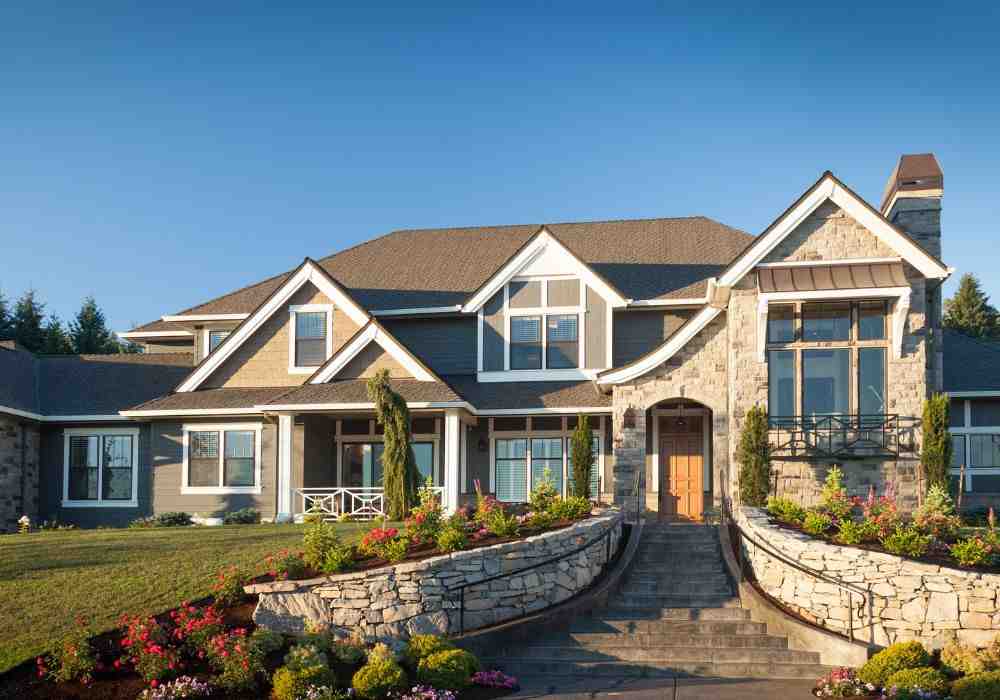
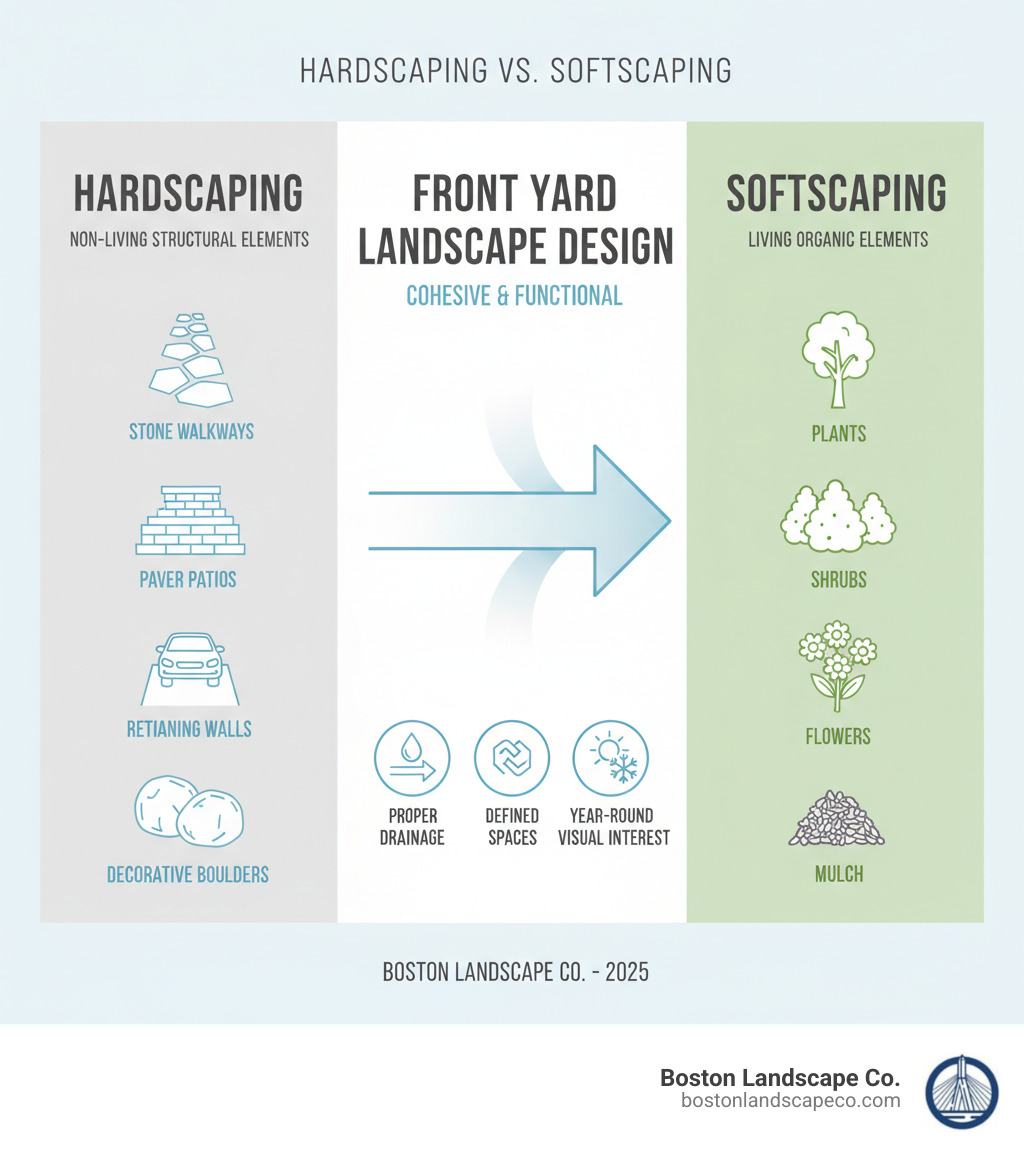
A hardscape front yard uses non-living elements like stone, pavers, and concrete to create structure and usable space. When combined with plants (softscaping), it transforms your entrance, boosting curb appeal and property value.
Key hardscape elements include walkways, patios, retaining walls, driveways, and decorative features like fountains or fire pits. Beyond beauty, hardscaping improves drainage, reduces maintenance, and prevents erosion. The right design makes any home’s exterior more inviting and valuable.
Common hardscape materials:
| Material | Best For | Durability | Maintenance |
|---|---|---|---|
| Natural Stone | Walkways, patios, walls | High | Low |
| Concrete Pavers | Driveways, patios | High | Low to Medium |
| Brick | Walkways, borders | Medium to High | Low |
| Gravel | Paths, driveways | Medium | Medium |
| Poured Concrete | Driveways, large patios | Medium to High | Low |
Spring in New England is the perfect time to plan your hardscape project. I’m Steve Schumacher, owner of Boston Landscape Co. Since 1991, my team has specialized in creating durable, beautiful hardscapes throughout the Greater Boston area that withstand our harsh freeze-thaw cycles and improve curb appeal year-round.
Hardscape front yard terms to know:
Planning Your Project: Key Design & Budget Considerations
With spring’s arrival in New England, it’s the perfect time to plan a hardscape front yard project to enjoy all summer. A successful project requires thoughtful design, smart material choices, and realistic budgeting before you start picking out pavers.
Design Considerations for Your Hardscape Front Yard

A great hardscape design should feel like an extension of your home. Key considerations include:
- Architectural Style: Match your hardscape to your home’s look. Modern homes pair well with clean lines and large pavers, while traditional New England colonials shine with classic brick or natural stone.
- Focal Points: Create visual interest with a beautiful water feature, a welcoming bench, or an eye-catching walkway that draws visitors to your door.
- Scale and Proportion: Ensure your hardscape features are proportional to your home and yard. A massive wall can overwhelm a small cottage, while tiny pavers get lost on a large property.
- Functionality: Design for how you’ll use the space. Do you need a well-lit path, a quiet spot for coffee, or a place to greet neighbors?
- Low-Maintenance Design: Choose durable materials and smart layouts to spend less time on upkeep and more time enjoying your yard, a key factor in our Massachusetts climate.
More info about our Hardscaping Services Boston
Choosing the Right Materials
Your hardscape materials must withstand New England’s harsh weather, from winter freezes to summer heat. Durability is as important as appearance.
- Natural stone (flagstone, bluestone) offers best durability and timeless beauty, handling New England’s freeze-thaw cycles with ease. It’s a premium investment that pays off in longevity for walkways, patios, and walls.
- Concrete pavers are a versatile, engineered choice available in many styles, from modern to classic. They interlock to provide flexibility during ground shifts caused by frost heaves.
- Brick offers a classic, traditional look that is durable and well-suited for New England homes. Use brick rated for freeze-thaw resistance to prevent flaking.
- Gravel and decomposed granite are budget-friendly options for paths and rustic driveways. They provide excellent drainage but require proper edging and occasional replenishment.
- Wood and composite materials are best for raised elements like steps or small decks. Always use pressure-treated wood or composite to resist moisture and rot.
Always choose materials rated for freeze-thaw resistance. Proper installation with an adequate base and drainage is critical to prevent heaving and cracking. A professional installation ensures longevity.
| Material | Average Cost (per sq ft)* | Durability (New England) | Maintenance |
|---|---|---|---|
| Natural Stone | $15 – $50+ | Excellent | Low |
| Concrete Pavers | $10 – $30+ | Very Good | Low to Medium |
| Brick | $10 – $25+ | Good to Very Good | Low |
| Gravel | $2 – $8+ | Good | Medium (edging, replenishment) |
| Poured Concrete | $8 – $20+ | Good | Low to Medium (sealing) |
| Wood/Composite | $15 – $40+ | Good (treated/composite) | Medium (staining/cleaning) |
*These are average costs based on internet data, not actual Boston Landscape Co. pricing. High-end natural stone or complex installations can easily exceed these ranges.
Budgeting for Your Hardscape Project
Budgeting for a hardscape front yard is a common concern, but projects come in all sizes to fit various budgets. Costs vary widely based on materials, labor, and site complexity. Based on internet data, a paver retaining wall can run $100 to $261+ per linear foot installed, and a stone wall project can range from $4,900 to over $15,000. These are general industry averages, not our pricing; we provide custom estimates for every project.
- Materials are the biggest budget factor. Gravel is most affordable, while natural stone is a premium investment.
- Labor and site complexity also affect cost. A sloped yard requiring retaining walls will cost more than a flat, simple area.
For simple projects like a garden border, DIY can save on labor. However, for anything structural like retaining walls or patios, professional installation is a wise investment. Proper grading and base preparation are essential for a hardscape that lasts decades in our climate.
For those exploring payment options, financing can make larger projects more manageable. Find out more about financing options
The bottom line? A well-planned hardscape front yard is an investment in your home’s value and your daily enjoyment.
12 Inspiring Ideas for Your Hardscape Front Yard
Ready for some inspiration? Here are popular ways to transform your hardscape front yard into something special for the New England spring and summer.
1. Create a Welcoming Walkway
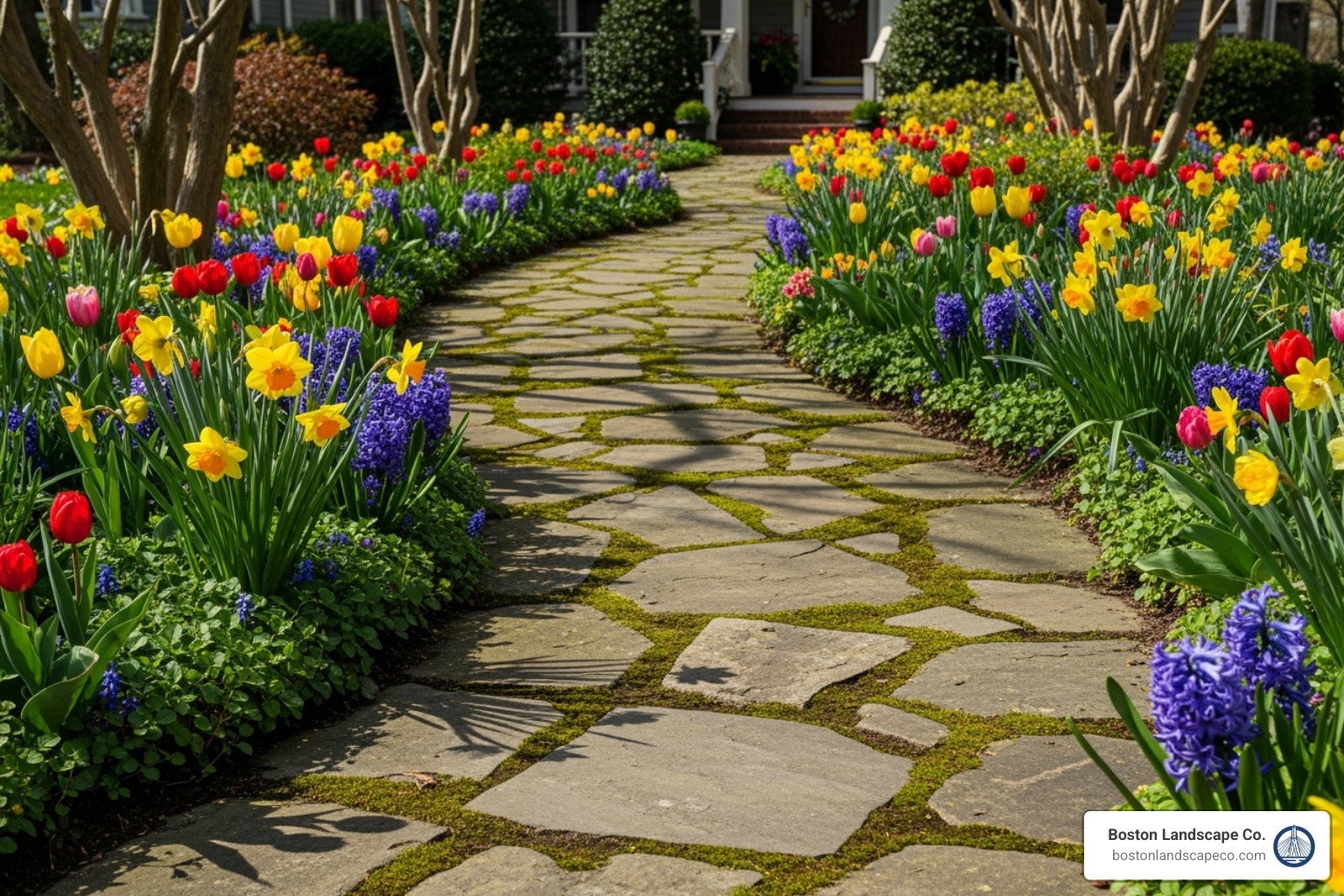
Your walkway is your home’s first welcome. Choose a straight, formal path for traditional homes or a curving, organic walkway to create visual interest. Popular materials include versatile pavers, timeless natural stone (flagstone, bluestone), or budget-friendly gravel. For safety and ambiance, add integrated low-voltage lighting to guide guests and highlight your landscape after dark.
Learn about Stone Walkway Design
2. Design a Functional Front Patio or Courtyard
Turn your front yard into a living space. A small patio or courtyard with a bistro set creates a charming spot for morning coffee or chatting with neighbors. Built-in seating offers a cohesive look, while low walls or strategic plantings can provide a sense of privacy.
3. Install a Statement Driveway
Upgrade your driveway from plain asphalt to a design feature. Paver driveways are exceptionally durable and stylish. Stamped concrete can mimic stone or brick at a lower cost, while gravel driveways are a great permeable option. For a unique, eco-friendly look, consider a ribbon driveway with strips of pavers and grass in between.
Explore Driveway Paver Installation
4. Build Structural Retaining Walls
On a sloped yard, retaining walls are transformative. They prevent erosion and create usable flat areas for tiered gardens. Material options range from natural stone for a timeless look to modern concrete blocks. Proper drainage behind the wall is absolutely critical to prevent failure during New England’s freeze-thaw cycles.
See our Retaining Wall Construction services
5. Add a Water Feature
The sound of flowing water adds tranquility and masks street noise. A fountain can serve as a beautiful focal point, while a small pond attracts wildlife. For a low-maintenance option, consider a bubbling rock or urn fountain for soothing sounds without the upkeep of a pond.
6. Incorporate Built-in Planters and Garden Beds
Integrate planters and garden beds into your hardscape for a polished, cohesive look. Raised beds made from the same stone or brick as your home’s foundation are easier on your back and provide excellent drainage, allowing you to plant earlier in the spring.
7. Light Up Your Landscape
Landscape lighting improves safety and beauty after dark. Use path lighting to guide visitors, uplighting to create drama on trees or architectural features, and step lights for safety on stairs. Modern LED fixtures are energy-efficient and long-lasting.
8. Modernize with Sleek Pavers and Clean Lines
For contemporary homes, echo the aesthetic with clean lines and bold materials. Large-format pavers in monochromatic color schemes (greys, charcoals, whites) create a sophisticated, uncluttered look. Pair them with modern retaining walls for a minimalist statement.
9. Accept Small Spaces
A compact yard is an opportunity for creativity. Think vertically with a vertical garden, use multi-functional features like a seating wall, and choose smaller-scale materials to keep the space in proportion. A single, well-designed feature can have a huge impact.
10. Add a Cozy Fire Pit
A fire pit in a front courtyard can be an incredibly inviting feature. It extends your outdoor season into cool spring and autumn nights, creating a unique gathering spot. Gas fire pits offer convenience, while wood-burning options provide classic ambiance.
More on Custom Outdoor Fireplaces
11. Define Edges with Borders
Crisp borders around garden beds and lawns create a polished, detailed look. Metal, brick, or stone edging separates lawn from garden, prevents grass from creeping in, and reduces maintenance.
12. Use Boulders for Naturalistic Accents
Thoughtfully placed boulders add texture, create focal points, and anchor planting beds. Mossy boulders are especially beautiful in New England, evoking a sense of age and permanence that connects your landscape to the region’s natural geology.
Integrating Plants and Hardscape for a Cohesive Look
A beautiful hardscape front yard balances non-living structures with living plants. The hardscape is the stage, and the plants are the performers; together, they create a cohesive and compelling landscape.
Combining Hardscape and Softscape in Your Front Yard
The magic happens where hardscape meets softscape. Use texture to create visual interest by contrasting hard materials with soft plants. Pair smooth pavers with feathery ornamental grasses, or let delicate ferns spill over a rough stone wall. This interplay is key to a dynamic design.
In our Massachusetts climate, year-round interest is vital. Use evergreens like boxwoods for winter structure, spring bulbs for early color, and summer perennials like hydrangeas to soften stone walls. Low-growing plants like thyme can even grow between pavers, adding a cottage garden feel.
We select plants suited to the Boston area’s climate, ensuring they are hardy, appropriate for your site’s conditions, and low-maintenance. The goal is a beautiful landscape that doesn’t demand all your free time.
Sustainable Hardscaping and Climate Considerations
Sustainable design works with nature, not against it. This is crucial as we face more extreme weather patterns.
- Permeable pavers are a smart, sustainable choice. They allow rainwater to filter into the ground, reducing stormwater runoff and replenishing groundwater.
- Using local stone like New England-quarried bluestone or granite reduces the carbon footprint of transportation and ensures the material complements the regional aesthetic.
- Drought-tolerant plantings paired with rock or gravel mulch create a beautiful, low-water landscape that saves time and resources.
In New England, the freeze-thaw cycle is our biggest challenge. Water freezing in cracks can cause heaving and structural failure. It is absolutely critical to choose materials rated for freeze-thaw resistance and ensure proper installation with a deep, compacted base and excellent drainage. This is the difference between a project that lasts a few years and one that lasts for decades.
Information on sustainable materials from the EPA
Frequently Asked Questions about Front Yard Hardscaping
What is the least expensive hardscape material?
For budget-conscious projects, gravel and decomposed granite are the most affordable options, typically $2 to $8+ per square foot. They are great for rustic paths and offer excellent drainage. Poured concrete is another cost-effective choice at $8 to $20+ per square foot. While affordable, these materials may require more maintenance (like replenishing gravel or sealing concrete) and have a shorter lifespan than premium materials like natural stone.
How do I add hardscaping to a small front yard?
In a small yard, maximize space with smart design. Think vertically with climbing plants or tall planters. Use multi-functional features, like a low wall that doubles as seating. Choose smaller-scale materials like fine gravel or smaller pavers to keep everything in proportion. Finally, focus on one strong focal point, such as a stylish walkway, rather than cluttering the space.
Can I DIY a hardscape project?
It depends on the project’s scope. Simple hardscape front yard tasks like laying a gravel path or a small garden border are great for DIY. However, for structural projects like patios, driveways, and retaining walls over 2-3 feet tall, professional installation is highly recommended. Proper grading, base preparation, and drainage are essential to prevent shifting and cracking, especially in New England’s freeze-thaw climate. A professional ensures your investment lasts for decades.
Check out our Hardscape Installation Company guide
Transform Your Front Yard with Professional Hardscaping
As summer arrives in New England, it’s the perfect time to transform your front yard. A well-designed hardscape front yard is more than an aesthetic upgrade; it’s an investment in your home’s value and your daily enjoyment. It creates a welcoming space for guests, neighbors, and quiet morning coffees.
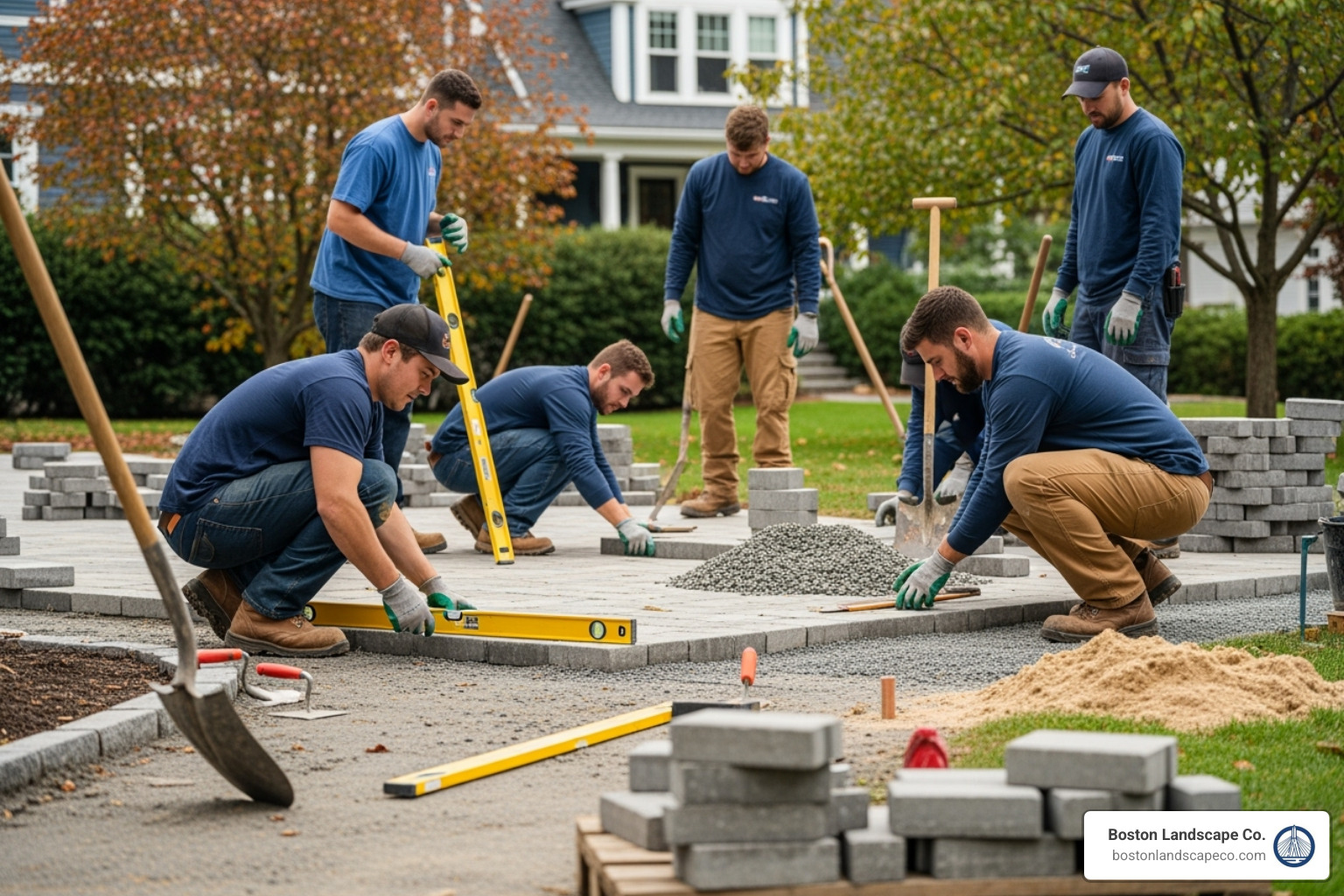
The key to a lasting hardscape lies in professional planning, climate-appropriate material selection, and expert installation—especially in our region’s demanding freeze-thaw cycle. A patio that lasts five years versus one that lasts twenty often comes down to the quality of the installation.
At Boston Landscape Co., we’ve specialized in creating custom hardscapes for the New England environment since 1991. Our team understands how to build beautiful, durable walkways, patios, and retaining walls that stand the test of time. Don’t let another summer pass you by. We’d love to help you create a front yard you’ll love for years to come.
Ready to start your project? Find Hardscaping Services Near Me