
Hardscapes Definition: 10 Essential Truths for Stunning 2025 Yards
Understanding the Hardscapes Definition: Your Guide to Non-Living Landscape Elements
The hardscapes definition refers to the non-living, structural elements in landscape design that form the foundation of your outdoor space. These permanent features include patios, walkways, retaining walls, decks, and water features made from materials like stone, concrete, brick, and wood.
Quick Definition:
- Hardscape = Non-living landscape structures (patios, walls, walkways)
- Materials = Stone, concrete, brick, pavers, wood, metal
- Purpose = Structure, function, and visual foundation for outdoor spaces
- Contrast = Softscape (living plants, grass, trees)
The term “hardscape” first appeared in 1972, distinguishing these built elements from “softscape” – the living components like plants and grass. Understanding this difference is crucial because hardscapes serve as the structural backbone of landscape design, providing organization, functionality, and year-round visual interest.
Hardscapes can boost your property value by 60-80% return on investment while requiring significantly less maintenance than traditional lawns and gardens. They solve practical problems like drainage, erosion control, and creating usable outdoor living spaces that extend your home’s functionality.
Why does this matter? Whether you’re dealing with a sloped yard, want to reduce maintenance, or need defined outdoor entertaining areas, hardscapes provide lasting solutions that work in all seasons. In Massachusetts, where we experience dramatic seasonal changes, hardscapes become even more valuable as they maintain their beauty and functionality through harsh winters and humid summers.
The evolution of hardscaping has transformed from purely functional elements to sophisticated design features that rival indoor living spaces. Modern hardscape design incorporates advanced materials, sustainable practices, and innovative technologies that weren’t available when the term was first coined. Today’s homeowners expect their outdoor spaces to function as seamlessly as their indoor rooms, complete with cooking areas, comfortable seating, climate control through fire features, and even outdoor entertainment systems.
This shift in expectations has liftd the importance of understanding proper hardscape planning, installation, and integration with existing landscape features. The hardscapes definition now encompasses not just individual elements, but entire outdoor living ecosystems that support year-round use and enjoyment.
I’m Steve Schumacher, owner-operator of Boston Landscape Co with over three decades of experience designing and installing hardscape features throughout the Greater Boston area. My expertise in the hardscapes definition and practical application has helped hundreds of homeowners transform their outdoor spaces into functional, beautiful landscapes that stand the test of time. From simple walkway installations to complex outdoor kitchen and entertainment complexes, we’ve seen how proper hardscape design can completely transform how families use and enjoy their properties.
Simple guide to hardscapes definition terms:
Hardscapes Definition: What Exactly Is Hardscape?
When we talk about the hardscapes definition, we’re diving into everything in your landscape that doesn’t grow, bloom, or need watering. Think of it as the “bones” of your outdoor space – the patios where you’ll host summer barbecues, the walkways that guide guests to your front door, and the retaining walls that tame that tricky slope in your backyard.
The term itself is relatively new in the landscaping world. Hardscape first appeared in 1972 when landscape architects needed a way to distinguish between the structural elements and the living parts of outdoor design. According to Merriam-Webster, hardscape refers to “structures (such as fountains, benches, or gazebos) that are incorporated into a landscape.”
Here’s what makes hardscape elements unique: they’re impervious surfaces that don’t absorb water like soil and grass do. This sounds technical, but it’s actually crucial to understand. When rain hits your stone patio or concrete walkway, that water has to go somewhere. Without proper planning, you could end up with puddles, erosion, or worse – water flowing toward your foundation.
That’s why we always install hardscapes before adding plants and trees. Heavy equipment and construction materials can damage delicate plantings, so we establish the structural framework first. It’s like building the foundation of a house before hanging the curtains. This sequencing also allows us to properly grade surfaces, install drainage systems, and create the stable base that everything else depends on.
The beauty of hardscape elements lies in their permanence and year-round appeal. While your garden might look sparse in January, a well-designed stone patio or neat pergola provides visual interest through every season. These features become the reliable backbone that holds your landscape design together, whether it’s buried under snow or basking in summer sunshine.
In our New England climate, this year-round functionality becomes especially valuable. When everything else goes dormant from November through March, your hardscape features continue to define spaces, provide structure, and offer opportunities for outdoor enjoyment. A fire pit surrounded by natural stone seating becomes a gathering place for winter evenings, while covered pergolas provide shelter for three-season use.
The hardscapes definition has evolved significantly since 1972 to include increasingly sophisticated features. Modern hardscaping incorporates technology like LED lighting systems, automated irrigation for adjacent plantings, and even heating elements for year-round comfort. Smart home integration allows homeowners to control outdoor lighting, water features, and fire systems from their phones.
Material science advances have also expanded what’s possible in hardscape design. Permeable pavers that look like natural stone but manage stormwater sustainably. Composite materials that provide the beauty of wood without the maintenance requirements. Engineered stone products that offer consistent quality and performance while maintaining natural aesthetics.
At Boston Landscape Co, our Hardscaping Services focus on creating these lasting foundations that solve real problems while adding beauty and value to your property. After three decades in the business, I’ve seen how the right hardscape elements can transform not just how a yard looks, but how families actually use and enjoy their outdoor spaces. We’ve installed everything from simple gravel pathways that solve muddy access problems to elaborate outdoor entertainment complexes that rival indoor living spaces.
Hardscapes Definition vs. Softscape: Key Differences
Understanding the difference between hardscape and softscape is like knowing the difference between the stage and the performers. Both are essential, but they play completely different roles in creating an amazing show.
Hardscape elements are your landscape’s permanent cast members. They show up every day, rain or shine, looking consistent and reliable. We’re talking about non-living materials like stone, concrete, brick, pavers, wood, and metal that form structures like patios, walkways, retaining walls, and pergolas. These features require minimal maintenance – maybe an annual cleaning and occasional sealing – but they’ll look great for decades.
Softscape elements, on the other hand, are the dynamic performers that change with the seasons. These living components include your plants, trees, grass, and flowers that bring color, texture, and natural beauty to your outdoor space. They need regular care – watering, pruning, fertilizing – and they’ll reward you with seasonal blooms, autumn colors, and the satisfaction of watching things grow.
| Aspect | Hardscape | Softscape |
|---|---|---|
| Materials | Stone, concrete, brick, pavers | Plants, trees, grass, flowers |
| Maintenance | Minimal – cleaning, sealing | Regular – watering, pruning, fertilizing |
| Lifespan | 20-50+ years | 1-50+ years (varies by plant) |
| Seasonal Change | Consistent appearance | Dynamic growth and color changes |
| Water Needs | None (except cleaning) | Regular irrigation |
| Installation Cost | Higher upfront investment | Lower initial cost, ongoing expenses |
| Environmental Impact | Permanent footprint | Carbon sequestration, air purification |
| Weather Resistance | Excellent in all conditions | Varies by species and season |
The magic happens when these elements work together in visual balance. Your stone retaining wall provides erosion control and defines space, while the flowering shrubs planted in front soften its edges and add seasonal color. The hardscape gives you structure and functionality, while the softscape brings life and natural beauty.
Think of it this way: hardscapes solve problems and create usable spaces, while softscapes make those spaces feel alive and welcoming. The best landscapes blend both thoughtfully, creating outdoor environments that are both practical and beautiful year-round.
This balance becomes particularly important in our Massachusetts climate, where softscape elements may be dormant for several months each year. During these periods, hardscape features carry the visual weight of the entire landscape design. A well-planned hardscape provides enough visual interest and structure to maintain beauty even when plants are dormant, while leaving appropriate spaces for softscape elements to shine during growing seasons.
The proportion between hardscape and softscape often depends on your lifestyle and maintenance preferences. Busy families might prefer more hardscape for lower maintenance, while gardening enthusiasts might want minimal hardscape to maximize planting space. The key is finding the right balance for your specific needs and site conditions.
Common Hardscape Elements & Materials

When clients ask how the hardscapes definition translates to their own yards, we point to the elements you use and see every day:
Most-requested features
- Patios (your outdoor living room)
- Walkways & pathways (safe, mud-free access)
- Retaining walls (grade control & raised gardens)
- Decks & pergolas (liftd or shaded space)
- Fire pits / fireplaces (extend the season)
- Water features (sound & movement)
- Driveways, fences, and gates for curb appeal and security
For visuals, browse our Hardscape Retaining Wall gallery to see how one element can anchor an entire design.
Choosing the Right Materials
Material picks matter more in Massachusetts than almost anywhere because of freeze-thaw cycles and road salt. Here’s the short list we recommend most often:
| Material | Typical Lifespan | Best For | Notes |
|---|---|---|---|
| Natural stone | 50+ yrs | Patios & walls | Premium look, tops on durability |
| Concrete & pavers | 25-30 yrs | Patios & drives | Endless colors/patterns, single-unit repairs |
| Brick | 40+ yrs | Walkways, classic homes | Reclaimed options add instant character |
| Wood / composite | 15-25 yrs | Decks & pergolas | Composite = low-maintenance, wood = warm look |
| Gravel & aggregate | 10-20 yrs | Paths & permeable areas | Budget friendly, improves drainage |
Key decision filters we use with every Boston Landscape Co project:
- Durability in New England weather
- Visual fit with your home’s architecture
- Up-front budget vs. long-term maintenance
- Sustainability goals (reclaimed or permeable options)
By balancing these four, you get a hardscape that looks great, survives our winters, and still feels right in 20 years.
Why Hardscaping Matters: Functions, Benefits & ROI
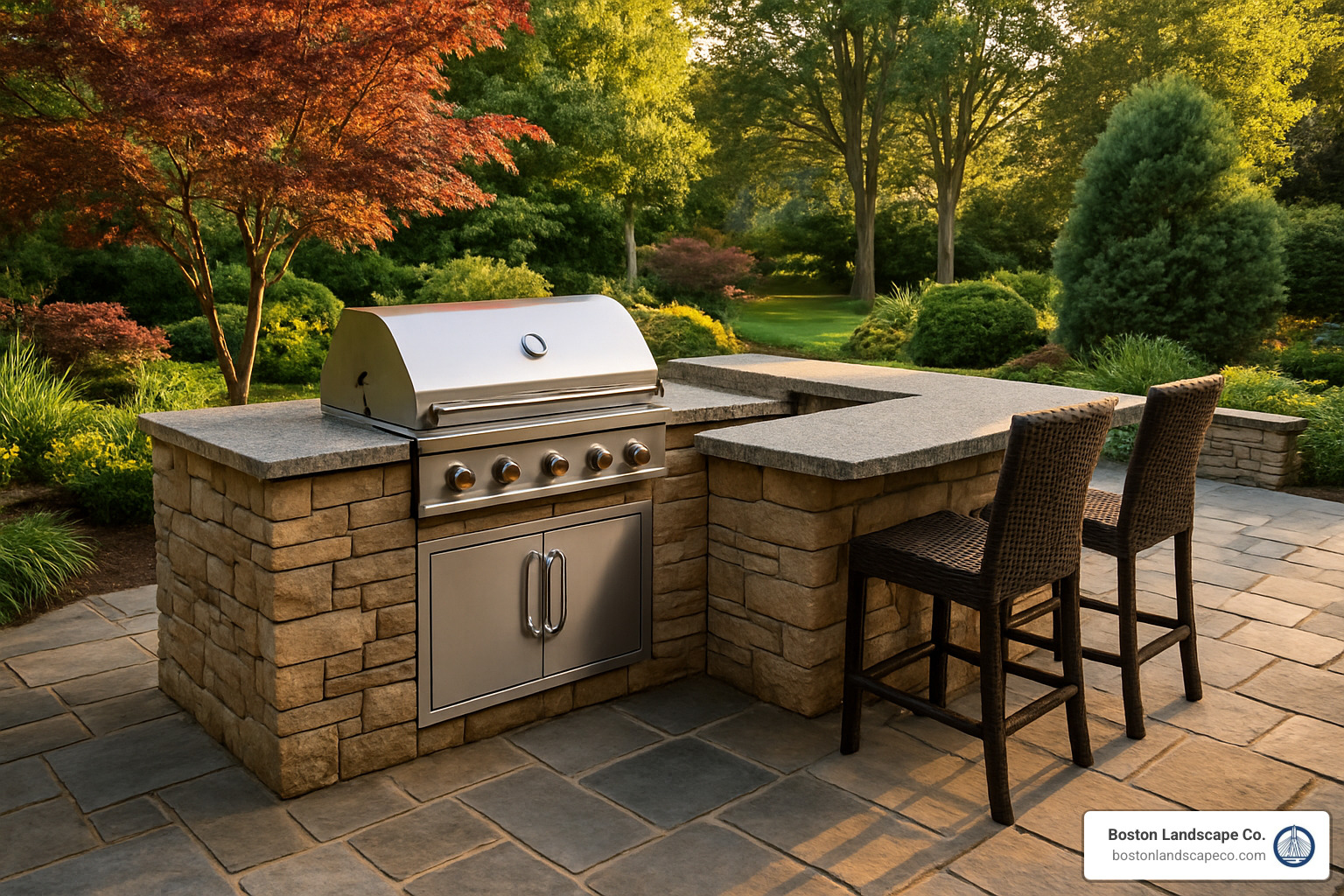
Understanding the hardscapes definition becomes even more meaningful when you see how these features transform your property’s value and daily life. After installing thousands of hardscape projects throughout the Greater Boston area, I’ve witnessed how the right hardscape investment can completely change how families use their outdoor space.
The numbers tell a compelling story. Well-designed hardscapes typically return 60-80% of their investment when you sell your home, with premium features like outdoor kitchens and fire features often delivering even higher returns. But the real value goes far beyond resale numbers.
Creating Functional Outdoor Living Zones
Think of hardscapes as outdoor rooms that extend your home’s living space. A thoughtfully designed patio becomes your outdoor dining room, while a fire pit area creates a cozy gathering spot for family and friends. Retaining walls don’t just solve slope problems – they create terraced gardens and defined seating areas that make previously unusable space functional.
The beauty of hardscaping lies in how it organizes your outdoor space. Well-placed walkways guide visitors naturally through your yard, while pergolas and arbors create intimate spaces within larger landscapes. Instead of having one big, undefined backyard, you get distinct zones for cooking, dining, relaxing, and gardening.
Low Maintenance Benefits
Here’s where hardscapes really shine – they work for you instead of creating more weekend chores. While your neighbors spend Saturday mornings mowing, watering, and weeding, you’ll be enjoying your outdoor space rather than maintaining it.
A properly installed stone patio might need annual cleaning and occasional joint sand refilling, but that’s about it. Compare that to traditional lawns that demand weekly mowing, regular watering, seasonal fertilizing, and constant battle against weeds and pests.
Year-Round Appeal and Problem Solving
Massachusetts weather can be challenging, but hardscapes provide structure and visual interest through all four seasons. When everything else goes dormant in winter, your stone retaining walls, walkways, and patios continue to define and beautify your landscape.
More importantly, hardscapes solve real problems that many homeowners face. Slope stabilization through retaining walls prevents erosion and creates usable flat space. Proper drainage control with graded surfaces and permeable materials prevents water damage to your foundation. Safe, level walking surfaces eliminate trip hazards and improve accessibility for family members of all ages.
According to research on hardscape benefits, these structural elements create the foundation that makes everything else in your landscape work better. When we install hardscapes first, we prevent damage from heavy equipment and create the stable base that your plants and lawn need to thrive long-term.
Hardscapes Definition and Property Value
Real estate markets consistently show that professional hardscaping increases both property appeal and actual market value. But not all hardscape investments are created equal, and understanding what buyers want helps you make smart decisions.
Market demand has shifted significantly toward outdoor living spaces that are ready for immediate use. Today’s buyers don’t want to spend their first few years creating outdoor functionality – they want to start entertaining and enjoying their space right away. This trend makes well-designed hardscapes increasingly valuable.
Quality matters more than quantity when it comes to appraisal value. Professional appraisers evaluate hardscape improvements based on material quality, craftsmanship, and how well features integrate with the overall property. A beautifully installed natural stone patio adds more value than a larger but poorly executed concrete slab.
Functional improvements often provide the highest returns. Features that solve problems – like retaining walls that eliminate drainage issues or walkways that improve safety – tend to appraise higher than purely decorative elements. Buyers recognize and value solutions to problems they might otherwise inherit.
In many Greater Boston communities, adequate outdoor living spaces have become expected rather than exceptional. Properties without patios, proper walkways, or defined outdoor areas may actually be at a disadvantage compared to neighborhood comparables. The hardscapes definition has evolved from luxury addition to standard expectation in many markets.
Design & Drainage Essentials
Water management is the deal-maker (or breaker) in hardscape longevity, so every Boston Landscape Co plan starts with drainage math, not stone samples.
Core principles we never skip:
- Grade patios and walks 1–2 % away from foundations.
- Install French drains or catch basins where runoff concentrates.
- Use permeable pavers or rain-garden edges to let water back into the soil.
- Set footings, wall bases, and fence posts below the 3–4 ft frost line to beat heaving.
Local rules from Boston to Woburn vary, but most towns require permits for retaining walls over ~4 ft, structures with roofs, or any major grading. Our Hardscape Installation Company team pulls the permits and handles inspections so you don’t have to.
Hardscapes & Water: Why Impervious Surfaces Matter
Traditional stone, concrete, and brick shed water fast. Without a plan that water can:
- Pool against your house (hello, wet basement!)
- Create icy slip zones in winter
- Erode planting beds and neighboring yards
Smart solutions—permeable joints, rain gardens, swales—solve those issues and often help you meet new storm-water ordinances at the same time.
Maintenance, Costs & Sustainability
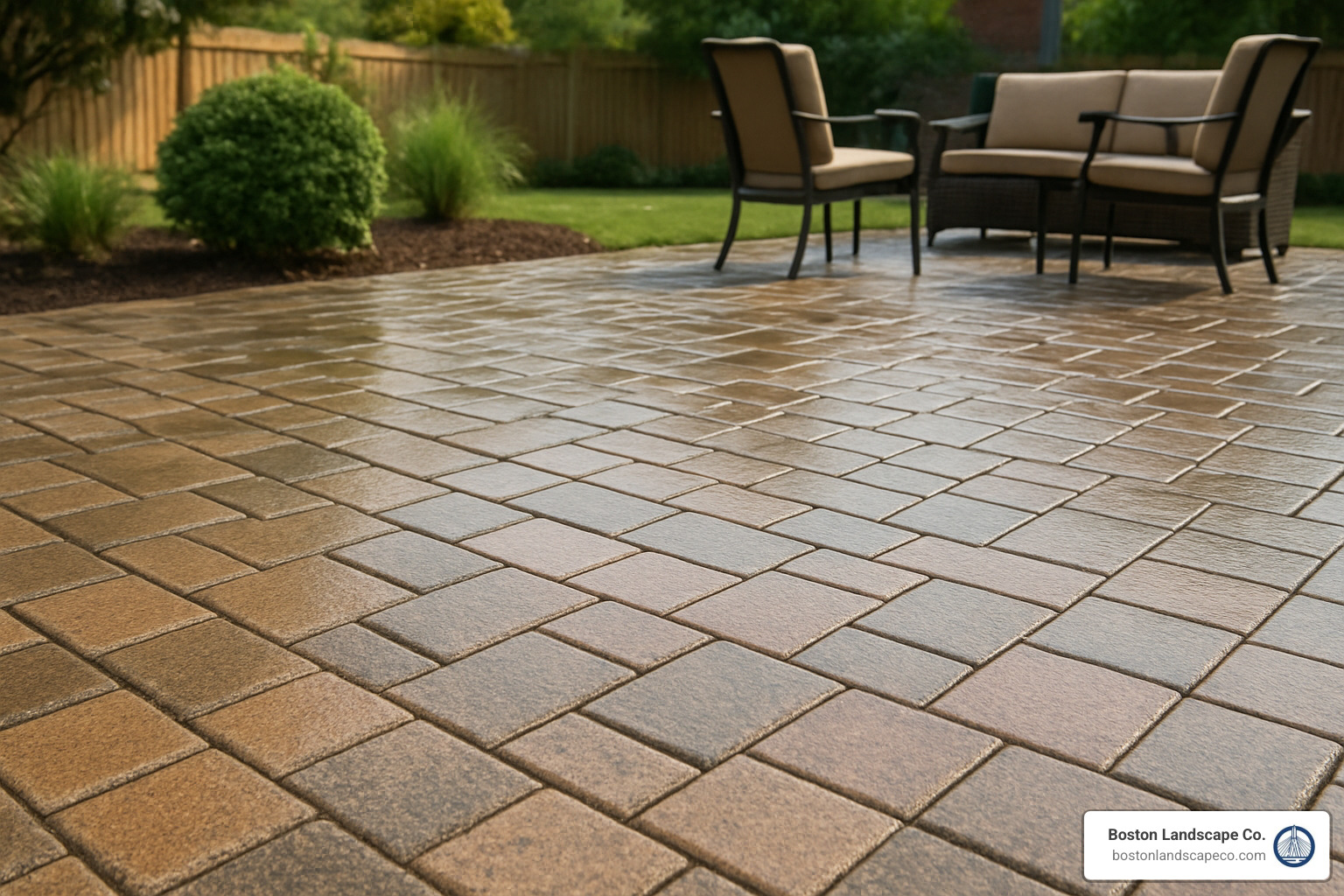
Good news: once installed, hardscapes are low-chore by design.
Annual checklist
- Spring power-wash and inspect for heaving or joint loss.
- Reseal natural stone or concrete every 2–3 years.
- Top-up polymeric sand between pavers if weeds sneak in.
That’s it—far less time & money than mowing, watering, and fertilizing turf.
What Will it Cost?
Internet averages (not Boston Landscape Co pricing) show:
- Basic concrete patios: $10–$45 / sq ft
- Paver patios: $15–$50 / sq ft
- Natural stone patios: $20–$75 / sq ft
- Retaining walls: $25–$90 / sq ft
Higher-end numbers reflect premium materials, complex patterns, or tough site access, but remember the investment often returns 60–80 % at resale.
Sustainable Upsides
Hardscapes cut water use, eliminate lawn chemicals, and—when built with permeable systems—slash runoff by up to 50 %. Add reclaimed brick or locally quarried stone and you’ve reduced carbon miles too.
Shade structures placed on the south or west side of a house can trim summer AC bills, while stone’s thermal mass buffers temperature swings. In short, smart hardscapes work for you even when you’re not outside enjoying them.
Integrating Hardscape & Softscape for a Balanced Landscape

Hardscape is the stage, plants are the actors. Without both, the show flops. We blend the two so neither steals the scene:
- Ornamental grasses sway against rigid stone edges.
- Raised beds built into retaining walls put herbs at arm’s reach.
- Vines on pergolas deliver summer shade and winter sun.
- Native plant buffers invite pollinators and soften lines year-round.
Our Backyard Hardscape Design process layers color, texture, and seasonal interest so your yard looks alive even when snow covers the beds.
Small-Space Solutions
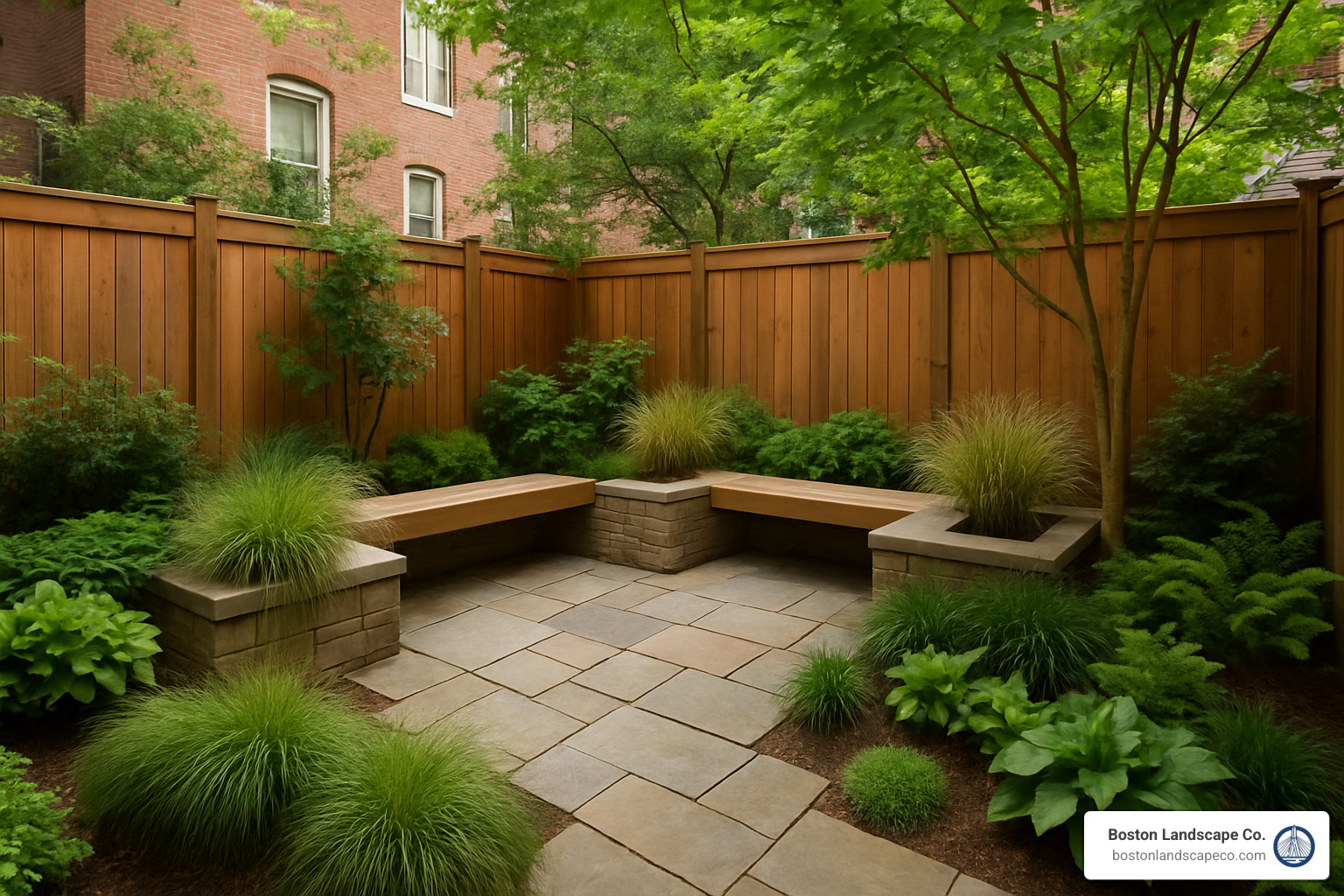
Tight urban lots from Somerville to Waltham can still feel generous with a few tricks:
- Built-in seating doubles as storage.
- Curved or diagonal paths make small yards feel larger.
- Vertical gardens and pergolas add living walls without consuming floor space.
- Modular pavers let you re-arrange as needs change—check ideas in our Hardscape for Small Backyard guide.
When every square foot counts, multifunctional hardscape is the secret to big impact in a compact footprint.
Frequently Asked Questions about Hardscapes
What is the simplest hardscape project for beginners?
If you’re just starting to explore the hardscapes definition in your own backyard, gravel pathways offer the perfect introduction. They’re forgiving, budget-friendly, and don’t require heavy equipment or specialized skills. Plus, if you change your mind about the design, gravel is easy to modify or relocate.
For your first hardscape trip, consider starting with defined bed edges using natural stone or brick to separate your garden beds from lawn areas. This simple project immediately creates a more polished, intentional look. Simple gravel paths connecting your existing features like the driveway to your front door or garden shed provide both function and charm.
Small paver areas work wonderfully for practical spaces like trash bin areas or utility access points. You can practice your installation techniques on these less visible areas before tackling your main patio project. Basic planters using retaining wall blocks give you a taste of working with heavier materials while creating useful growing space.
The beauty of starting small is that each project builds your confidence and skills for bigger installations. Many of our clients at Boston Landscape Co began with a simple walkway and eventually expanded to complete outdoor living spaces.
How does hardscaping affect my yard’s drainage?
Understanding how hardscaping changes water flow is crucial to the hardscapes definition and successful project outcomes. When you install impervious surfaces like concrete patios or solid pavers, you’re essentially creating areas where water can’t soak into the ground naturally. This water has to go somewhere, and that’s where thoughtful design becomes essential.
The good news is that controlled water flow actually solves many common yard problems. Properly graded hardscapes direct water away from your foundation, preventing basement flooding and structural issues. French drains and catch basins integrated into your hardscape design can manage excess water more effectively than relying on natural absorption alone.
Permeable options like porous pavers or open-joint systems give you the best of both worlds – solid, usable surfaces that still allow water infiltration. These materials help maintain natural drainage patterns while providing the structure and functionality you want.
Without proper planning, however, hardscaping can create problems. Increased runoff might overwhelm your existing drainage systems, leading to pooling water in low areas or erosion at the edges of your new features. This is why we always start our projects with careful grading and drainage analysis.
The key is working with water flow rather than against it. When designed correctly, hardscapes actually improve drainage by giving you control over where water goes instead of hoping it naturally flows in the right direction.
Do I need permits or licensed contractors for hardscape work in Massachusetts?
The permit question comes up frequently, and the answer depends on your project’s scope and your local municipality’s requirements. Most simple patios and walkways don’t require permits, but it’s always wise to check with your local building department before starting any significant project.
Retaining walls over 3-4 feet in height typically trigger permit requirements because they affect structural stability and drainage patterns. Structures with roofs like pergolas and gazebos often need permits, especially if they’re attached to your home or require concrete footings below the frost line.
Electrical work for lighting or outdoor kitchens definitely requires permits and licensed electricians. Similarly, plumbing for water features or outdoor sinks needs proper permits and professional installation. Significant grading or drainage modifications may also require review to ensure compliance with stormwater management regulations.
While Massachusetts doesn’t require specific licenses for basic hardscape installation, the complexity of proper installation shouldn’t be underestimated. Understanding soil conditions, frost line depths, drainage requirements, and local codes takes experience that comes from years of working in New England conditions.
At Boston Landscape Co, we handle permit applications and ensure code compliance for all applicable projects throughout our service areas including Boston, Bedford, Billerica, Burlington, Carlisle, Concord, Lexington, Malden, Medford, Reading, Somerville, Stoneham, Waltham, Wellesley, Winchester, and Woburn. We’ve learned that getting permits right the first time saves both time and money in the long run.
Conclusion
Understanding the hardscapes definition puts you in the driver’s seat when it comes to making smart decisions about your outdoor space. These non-living landscape elements aren’t just pretty additions—they’re the backbone that makes your yard work harder and look better, all while delivering excellent return on investment with way less fuss than traditional landscaping.
After more than three decades of installing hardscapes throughout Greater Boston, we’ve learned that the magic happens when function meets beauty. Every successful project starts with understanding what hardscapes can do for you: solving drainage headaches, creating usable outdoor rooms, reducing maintenance, and boosting property value by 60-80%.
The best hardscape projects don’t just plop down some pavers and call it done. They consider everything from proper drainage and frost line depths to permit requirements and long-term maintenance. When these elements work together with thoughtful plant integration, you get outdoor spaces that truly extend your home’s living area into the natural environment.
Whether you’re dreaming of a simple patio for morning coffee or envisioning a complete outdoor entertainment complex, the principles remain the same. Quality materials, proper installation, and smart design create hardscape features that look great and perform flawlessly for decades.
Our team has been changing yards across Boston, Bedford, Billerica, Burlington, Carlisle, Concord, Lexington, Malden, Medford, Reading, Somerville, Stoneham, Waltham, Wellesley, Winchester, and Woburn. We’ve seen how the right hardscape solution can solve problems you didn’t even know you had while creating spaces that become the heart of family life.
The beauty of understanding hardscapes is that you can start small and build over time. That gravel pathway this year might connect to a patio next year and a fire pit the year after. Each element builds on the last, creating a cohesive outdoor environment that grows with your needs and budget.
Ready to see what hardscapes can do for your property? We’d love to walk your yard with you and explore the possibilities. Every great outdoor space starts with a conversation about what matters most to you and your family.
For more information about bringing these ideas to life in your own backyard, check out our hardscaping services near you and let’s start planning your hardscape journey together.
