Why Getting an Artificial Grass Install Right Matters From the Start
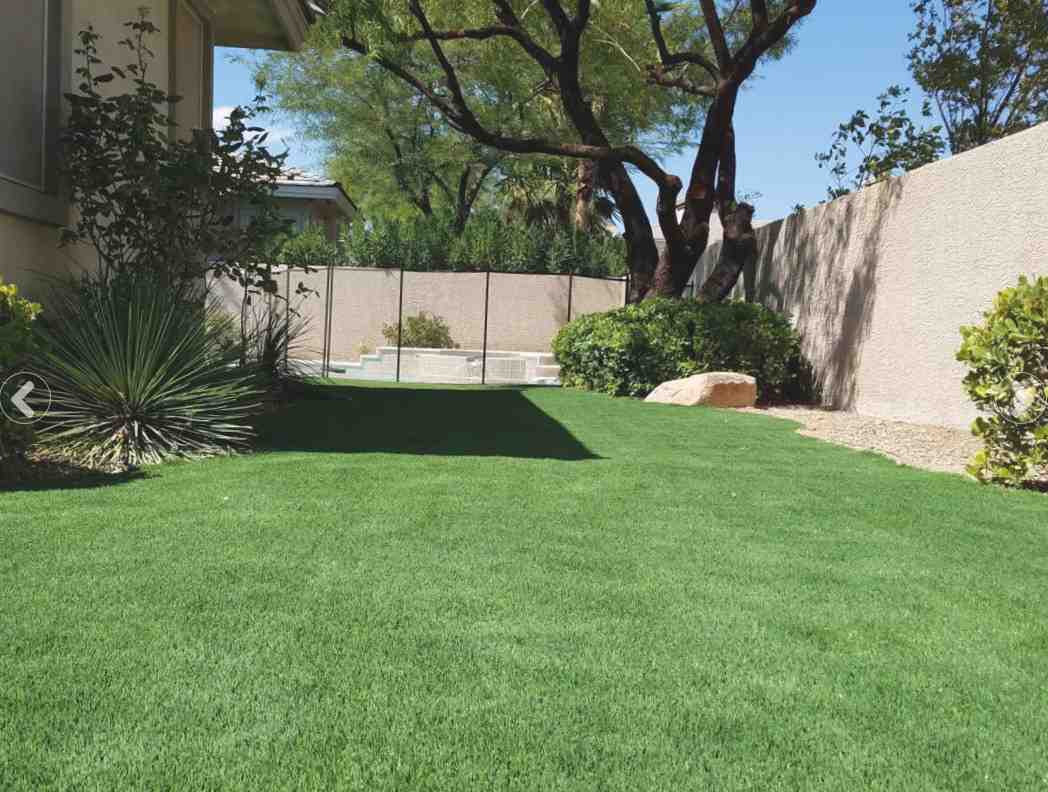
Artificial grass install projects can transform a patchy, high-maintenance lawn into a clean, green space that holds up year-round — but only if done correctly from the ground up.
Here is a quick overview of the core steps:
- Remove existing grass and soil (dig down 3-4 inches)
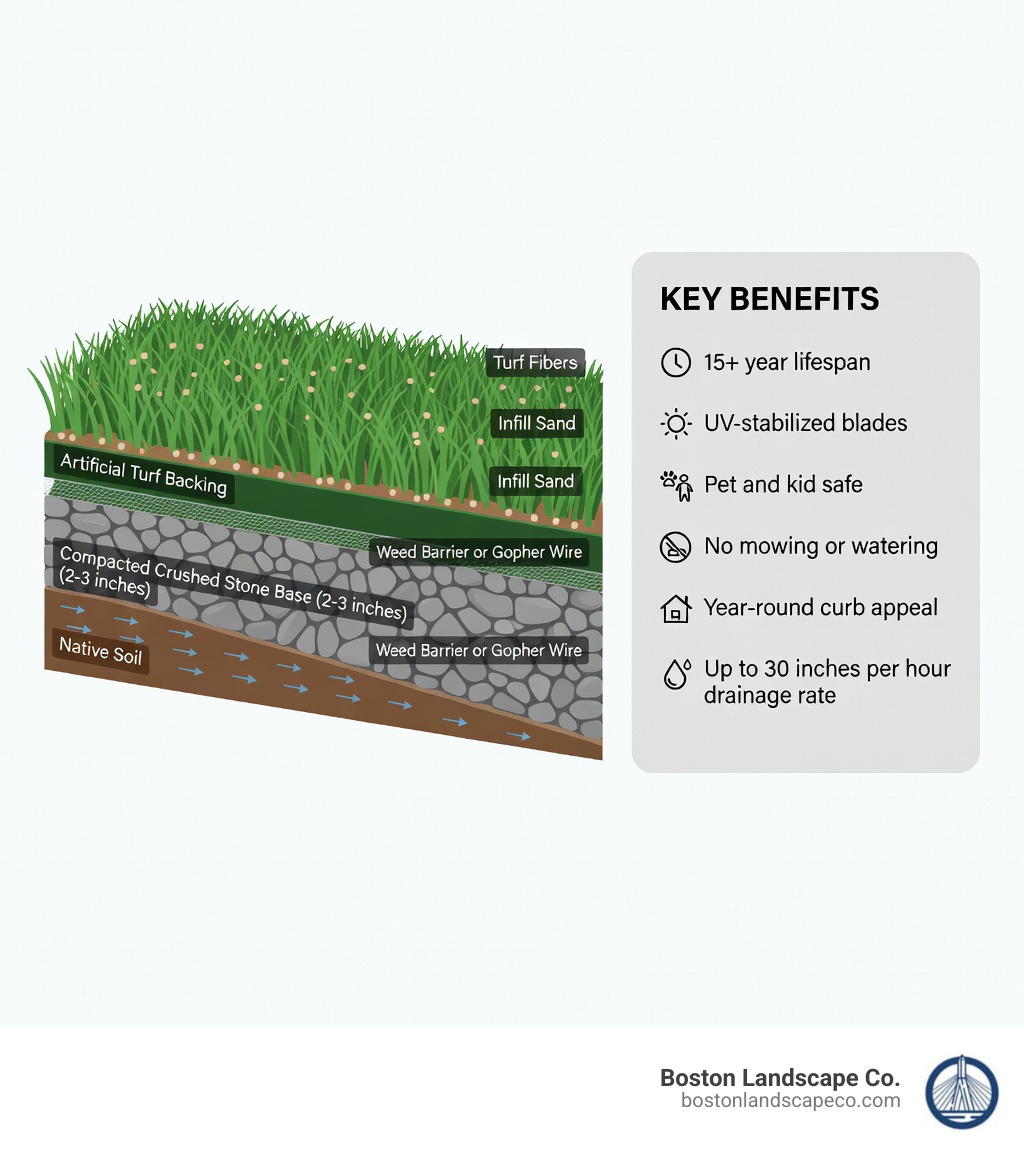
- Add and compact a crushed stone base (2-3 inches deep)
- Install a weed barrier (optional, but recommended)
- Roll out and cut the turf to fit your space
- Seam multiple pieces using tape and adhesive
- Secure edges with galvanized nails or landscape pins
- Apply infill (silica sand or antimicrobial-coated sand) and brush fibers upright
Skipping or rushing any of these steps leads to uneven surfaces, poor drainage, and turf that looks worn within a few years. Done right, artificial grass can last 15 years or more — with minimal upkeep compared to a natural lawn.
Whether you’re replacing a backyard lawn, creating a pet-friendly zone, or building a putting green, the same core principles apply.
I’m Steve Schumacher, owner of Boston Landscape Co., and with over 30 years of landscaping experience serving the Greater Boston area, I’ve seen how a proper artificial grass install can completely change how a property looks and functions through every season. In this guide, I’ll walk you through each step clearly so you know exactly what’s involved — whether you tackle it yourself or bring in a pro.
Key artifical grass install vocabulary:
Essential Tools and Ground Preparation for an artifical grass install
Before we even touch a roll of green turf, we have to talk about the “dirty work.” A beautiful artificial grass install is only as good as the ground beneath it. In our experience serving towns like Reading and Winchester, the local soil can vary from rocky to clay-heavy, making preparation the most labor-intensive part of the job.
First, you’ll need to gather your gear. Having the right tools won’t just save your back; it ensures a professional finish.
Essential Tool List:
- Turf Cutter or Shovel: For removing existing sod.
- Wheelbarrow: To haul away old soil and bring in new base material.
- Rake and Square Shovel: For leveling.
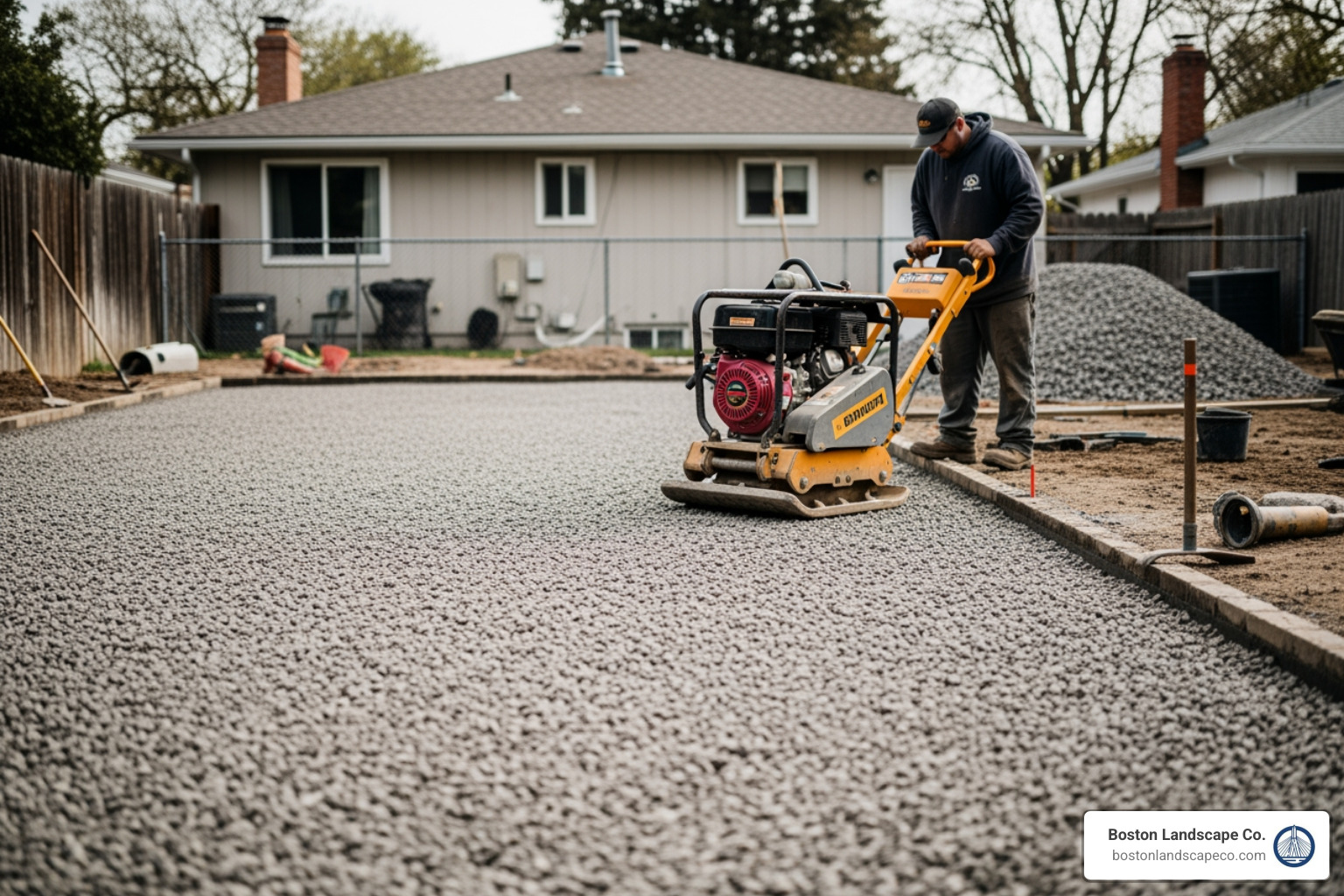
- Plate Compactor: Essential for a firm, dip-free base (these can usually be rented locally).
- Utility Knife/Box Cutter: To trim the turf.
- Carpet Kicker: To stretch the turf taut and remove wrinkles.
- Hammer and Turf Nails: For securing the perimeter.
- Drop Spreader: To apply infill evenly.
Excavation and Soil Prep
We start by removing the existing grass and topsoil. For a standard residential artificial grass install, we typically excavate to a depth of 3 to 4 inches. This creates enough “room” for your sub-base while keeping the finished grass height level with your walkways or edging.
One pro tip we always share: pay attention to your drainage slope. You want the area to have a very slight grade (about 1% to 2%) away from your home or any permanent structures. This prevents water from pooling against your foundation during those heavy Massachusetts spring rainstorms. Once the soil is cleared, we use a plate compactor to firm up the native earth to about 80-90% compaction.
For more details on how we handle traditional lawn installation, you can see how our prep work differs between natural and synthetic options.
Choosing the Right Base Layer for an artifical grass install
You can’t just lay turf on top of dirt. If you do, the first time it rains, your lawn will turn into a lumpy, muddy mess. You need a solid, permeable sub-base.
For most backyard projects in the Greater Boston area, we recommend a “Class 2 Road Base” or a mixture of crushed stone and stone dust. If you are building a specialty area like a backyard putting green, you might opt for decomposed granite, which allows for an incredibly smooth, firm finish.
Step-by-Step Base Application:
- Spread the Stone: Lay down 2 to 3 inches of your chosen aggregate.
- Moisture Binding: Lightly mist the stone with a garden hose. This helps the particles lock together during compaction.
- Compact: Run the plate compactor over the area 2-3 times. You want the surface to feel as hard as a brick when you’re done.
- Level: Use a rake or a straight edge to ensure there are no low spots where water could sit.
For those looking for more technical Step-by-step DIY instructions, following manufacturer-specific guides can help ensure you meet warranty requirements for your specific turf product.
When to Use a Weed Barrier or Gopher Wire
In Massachusetts, we don’t worry about gophers as much as folks out west, but moles and weeds are a different story.
- Gopher Wire/Mesh: If you have a history of burrowing pests in your Carlisle or Concord yard, laying a galvanized wire mesh at the very bottom of your excavation (before the stone base) is a smart insurance policy.
- Weed Barrier (Geotextile Fabric): We generally recommend laying a high-quality weed barrier over the compacted stone base just before the turf goes down. This prevents airborne seeds from taking root in the infill and keeps the base material from migrating.
A Note for Pet Owners: If you are doing an artificial grass install specifically for a dog run, some experts suggest skipping the weed barrier or using a specialty pet-rated version. Standard fabric can sometimes trap pet odors, making it harder to rinse the lawn clean.
Step-by-Step Process for Outdoor Installation
Now for the exciting part: the green! Once your base is rock-solid and level, it’s time to roll out the turf.
Acclimatization and Positioning
Artificial turf comes in heavy rolls, usually 15 feet wide. Before you start cutting, unroll the pieces and let them sit in the sun for at least 30 to 60 minutes. This “acclimatization” period allows the backing to soften and any creases from shipping to fall out.
The Golden Rule of Turf: Always ensure the grain (the direction the blades are leaning) is facing the same way on every piece. For the best look, we always aim the grain toward the primary viewing area—usually the back of the house or a patio.
For more information on the nuances of artificial lawn installation, it helps to understand how different pile heights and blade shapes can affect the final look.
How to Properly Seam Multiple Pieces
If your yard is wider than 15 feet, you’re going to have a seam. Making that seam disappear is what separates a DIY look from a professional artificial grass install.
- Trim the Edges: Most turf has a “salvage edge” (a strip of backing with no grass). Trim this off on both pieces, cutting as close to the “tuft line” as possible without cutting the blades.
- Check the Gap: Lay the two pieces together. You want a gap of about 1/8 of an inch—roughly the same distance between the other rows of blades on the turf.
- Apply Seaming Tape: Roll out seaming tape (non-adhesive side down) centered under the joint.
- Glue: Use a turf-rated adhesive. We recommend a zig-zag or “S” pattern on the tape.
- Join and Press: Carefully fold the turf edges onto the glue. Walk along the seam to ensure good contact, but be careful not to trap any grass blades in the glue.
Securing the Perimeter for an artifical grass install
Once your seams are set and the turf is trimmed to fit your yard’s shape using a sharp box cutter, you need to lock it down.
- Stretching: Use a carpet kicker to pull the turf taut toward the edges. This prevents ripples from forming when the weather gets hot.
- Nailing: Use 5-6 inch galvanized nails or landscape staples. Drive them in every 4-6 inches along the perimeter.
- Interior Securing: For larger areas, add a few nails every 2-3 square feet in the center to keep the turf from shifting.
When driving nails, make sure to pull the grass blades apart so the head of the nail sits flush against the backing without trapping a clump of “grass” underneath it. You can find more tips on the longevity of synthetic lawns and how proper securing prevents common issues like edge-lifting.
Maintenance, Safety, and Best Practices
One of the biggest myths about an artificial grass install is that it is “zero maintenance.” While you’ll never have to mow again, a little TLC goes a long way.
Routine Care:
- Brushing: Over time, high-traffic areas in your Waltham or Belmont yard might look a bit flat. Use a synthetic bristle power broom or a stiff manual broom to “cross-brush” against the grain. This lifts the fibers back up.
- Debris Removal: Use a leaf blower or a plastic rake to remove leaves and twigs. This prevents organic matter from breaking down and creating a home for weeds.
- Pet Waste: Treat it like a regular lawn—pick up solids once they dry. For liquid waste, a simple rinse with a hose is usually enough. If odors persist, a 50/50 mix of white vinegar and water or eco-friendly cleaning solutions can neutralize the ammonia.
Safety and Benefits:
Did you know that outdoor sports turf has been shown to reduce athletic injuries by up to 40% compared to natural grass? For families in Medford or Somerville, this makes synthetic turf a fantastic option for play areas. It offers a certified fall height rating, providing a much softer landing for kids than packed dirt or mulch.
Heat Precaution: Synthetic grass can get hot in the direct July sun. We recommend choosing a “cool-blade” technology or simply giving the lawn a quick mist with the hose to drop the temperature instantly before the kids go out to play.
Estimated Costs and Project Timelines
When planning your artificial grass install, it’s important to have a realistic idea of the budget and time required. For a DIY project under 1,500 square feet, most homeowners can finish the job in 2 to 3 days with a couple of helpful friends.
Below is a breakdown of what you might expect to spend.
Note: The prices listed below are average costs based on online and internet data and are not the actual prices of Boston Landscape Co. Real-world costs can vary significantly based on site accessibility, soil conditions, and material choices.
| Factor | DIY Estimation | Professional Estimation |
|---|---|---|
| Turf Materials | $5 – $20 per sq. ft. | $5 – $25 per sq. ft. |
| Base & Supplies | $2 – $5 per sq. ft. | Included in labor |
| Labor | Your “sweat equity” | $5 – $20 per sq. ft. |
| Timeline (1k sq ft) | 3 – 5 Days | 1 – 2 Days |
| Equipment Rental | $200 – $500 | Included |
Understanding the Investment
Based on general internet data, the total cost for an artificial grass install typically ranges from $5 to $45 per square foot.
Why such a wide range?
- Material Quality: A high-density, multi-toned landscape turf costs more than a thin balcony rug.
- Site Prep: If we have to remove a massive old deck or excavate through heavy Billerica clay, the labor complexity increases.
- Infill Choice: Specialty antimicrobial or cooling infills are more expensive than standard silica sand.
While the upfront cost is higher than sod, you are eliminating water bills, fertilizer, pesticides, and lawn mower maintenance for the next 15+ years. Most high-quality turf also comes with a 10-year manufacturer warranty.
Conclusion
At Boston Landscape Co., we take pride in helping our neighbors in Stoneham, Billerica, and throughout the Greater Boston area create outdoor spaces they actually want to spend time in. Whether you are looking for a flawless putting green or a durable, mud-free zone for your pets, a professional artificial grass install is a game-changer for your property’s functionality and curb appeal.
If you love the idea of a perfect lawn but the DIY process sounds a bit overwhelming, we are here to help. From excavation to the final grooming, we bring the equipment and expertise to get it done right the first time. You can explore our full range of landscaping services to see how we can integrate turf into your larger backyard vision.
Can artificial grass be installed on concrete or sloped areas?
Yes! Artificial grass install projects aren’t limited to soil.
- On Concrete: You can lay turf on patios or balconies. The key is ensuring the concrete has a slight slope for drainage. We use a specialized outdoor adhesive around the perimeter and often add a “drainage pad” or “shock pad” underlayment to help water flow and provide a softer feel.
- On Slopes: Turf is great for hills where mowing is dangerous. It requires extra anchoring (more nails) at the top of the slope to prevent the turf from “creeping” down over time.
What is infill and why is it necessary?
Infill is the “sand” that is spread over the turf once it is installed. It serves three main purposes:
- Weight: It acts as a ballast to keep the turf from shifting or rippling.
- Support: It keeps the individual grass blades standing upright so they don’t mat down.
- Protection: It protects the turf backing from UV rays, extending the life of your lawn.
Common types include silica sand, antimicrobial-coated sand (great for pets), and zeolite for odor control.
How do you ensure proper drainage under artificial turf?
Proper drainage is built into the system. High-quality turf is perforated, allowing water to pass through at a rate of over 30 inches per hour—much faster than natural soil. The “magic” happens in the sub-base. By using 2-4 inches of compacted, crushed stone, you create a porous reservoir that holds water while it slowly soaks back into the ground, preventing puddles and runoff.
Ready to transform your yard?
If you’re ready to ditch the mower and enjoy a lush, green lawn every day of the year, we’re ready to help.
Request a professional estimate from the team at Boston Landscape Co. today, and let’s get started on your Greater Boston area project!