
Ideas landscape wetlands in backyard: Top 5 Fun Designs
Why Transform Your Soggy Yard Into a Natural Paradise
Ideas landscape wetlands in backyard are gaining popularity as homeowners turn challenging wet areas into stunning, functional outdoor spaces. Whether you have a damp corner or want an eco-friendly water feature, backyard wetlands offer incredible possibilities.
Quick wetland landscaping ideas for your backyard:
- Rain gardens – Transform low-lying areas into beautiful water-filtering gardens
- Bog gardens – Create mini-ecosystems with carnivorous plants and unique flowers
- Natural buffer zones – Use native grasses and wildflowers around wet areas
- Mini-ponds with wetland edges – Combine open water with marshy plantings
- Boardwalks and viewing areas – Add functional paths through wet landscapes
- Native plant corridors – Connect wetland areas with wildlife-friendly plantings
The timing couldn’t be better. More than 50 percent of the world’s wetlands have been destroyed in the last 100 years, making backyard wetlands a meaningful way to restore these vital ecosystems on a smaller scale.
These natural water features act as nature’s sponges, absorbing excess water during heavy rains while creating habitat for butterflies, frogs, and songbirds. They filter pollutants, prevent erosion, and turn a landscape problem into a beautiful solution.
Beyond their environmental benefits, wetland landscapes offer year-round visual interest with seasonal blooms, interesting textures, and the constant activity of visiting wildlife. A well-designed wetland becomes a living calendar of natural events.
I’m Steve Schumacher, owner of Boston Landscape Co. since 1991. I’ve helped countless homeowners transform wet sites into thriving wetland gardens. My three decades of experience prove that the most successful landscapes work with nature, not against it.
Ideas landscape wetlands in backyard vocabulary:
Understanding the Magic: What Makes a Backyard Wetland Thrive?
Imagine that perpetually soggy corner of your yard not as a problem, but as the foundation for a productive ecosystem. A wetland is simply an area where soil stays saturated for at least two to three weeks during the growing season. This water saturation creates an ecosystem that works harder than almost any other landscape feature.
Think of wetlands as nature’s sponges with superpowers. They soak up excess water during heavy rains, slowing floodwaters and preventing erosion. They also clean water; the combination of saturated soils and specialized plants creates a natural filtration system that removes pollutants. According to the U.S. EPA, this natural water treatment is one of wetlands’ most valuable services.
Wetlands are also incredible carbon storage champions, trapping carbon that would otherwise escape into the atmosphere. They’re biodiversity hotspots, supporting more species per square foot than most other ecosystems.
The urgency of creating ideas landscape wetlands in backyard becomes clear when you learn that 90 percent of America’s wetlands have been destroyed. Every small wetland we create helps restore this critical habitat.
The Core Four: Essential Wetland Components
Successful ideas landscape wetlands in backyard require understanding four key elements: hydrology, hydric soils, water-tolerant vegetation, and wildlife habitat.
Hydrology is your wetland’s water story. It refers to water saturation lasting long enough to create wetland conditions, whether from springs, flooding, or captured rainwater. Consistent moisture is the key that shapes the entire ecosystem.
Hydric soils develop in these waterlogged conditions. These dark, mucky, oxygen-poor soils are ecological gold. They support microbes that slowly break down organic matter, creating nutrient-rich conditions for specialized plants and acting as natural filters for pollutants.
Water-tolerant vegetation makes your wetland come alive. These plants are adapted to thrive where others would drown. Natives like cattails, sedges, and marsh marigolds excel in wet conditions, stabilizing soil, filtering water, and creating the structure for the entire food web.
Wildlife habitat is where the magic becomes visible. A healthy wetland buzzes with life. Frogs offer natural pest control, dragonflies hunt mosquitoes, and songbirds nest among the reeds or visit to drink and bathe.
The beauty of these four components is how they support each other, creating a resilient ecosystem that gets more beautiful and functional over time.
If you’re ready to harness this natural magic, our team has decades of experience creating thriving wetland ecosystems. Learn more info about our ecological restoration services to see how we can help.
Creative Ideas for Your Backyard Wetland Landscape
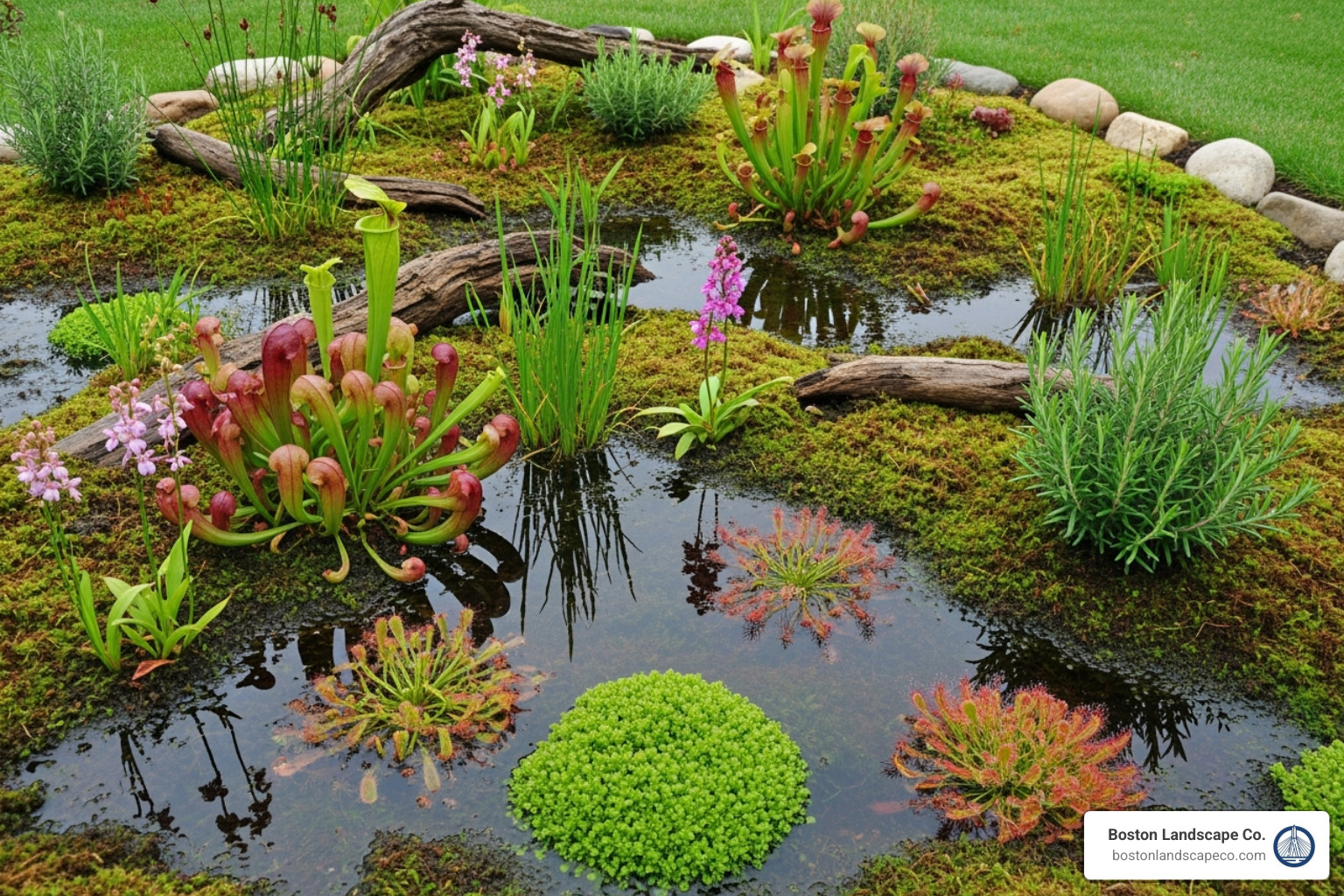
Now for the fun part: turning your wetland vision into reality. The most successful ideas landscape wetlands in backyard combine naturalistic design with thoughtful functionality, creating spaces that look like they’ve always belonged.
The secret is working with your landscape’s natural contours rather than fighting them. A well-planned wetland offers beauty in every season, from the green shoots of spring to the brilliant colors of fall.
Create a Natural Buffer Zone
A buffer zone is your wetland’s protective transition area. It’s essential for keeping your water feature healthy.
Native grasses like little bluestem and switchgrass create gentle movement and require little maintenance. Wildflowers such as New England asters and goldenrod add seasonal color that pollinators love. Sedges provide year-round structure and texture.
These buffer plantings are key for erosion control, with root systems that prevent muddy runoff. They also create natural wildlife corridors, acting as safe highways for small creatures. This approach is low maintenance because native plants are adapted to local conditions. Our hydroseeding services can establish these buffer zones quickly.
Integrate Stunning Water Features
Water features transform good wetland designs into magical ones. The sound of moving water creates tranquility, while different water depths provide varied habitats.
Mini-ponds with shallow, gradually deepening edges serve as perfect focal points. This design mimics natural ponds, allowing birds to easily wade, drink, and bathe. Bog gardens are perfect for growing fascinating carnivorous plants like pitcher plants.
Rain gardens are highly practical. These shallow depressions capture runoff from hard surfaces, turning wasted water into a resource for beautiful, moisture-loving plants. Gentle streams connecting water features add movement and sound while aiding water circulation. For detailed guidance, this resource on how to build a pond for wildlife offers excellent insights.
Our landscape architects excel at integrating these features. Explore our design build landscape architecture services to see how we can bring your vision to life.
Add Functional and Recreational Elements
The best ideas landscape wetlands in backyard include touches that let you enjoy your natural oasis.
Boardwalks and viewing platforms made from materials like cedar allow you to explore your wetland without disturbing the ecosystem. These raised paths prevent soil compaction and offer front-row seats to observe wildlife. Small bridges add charm and functionality, while seating areas create perfect spots for relaxation.
Don’t forget wildlife-attracting elements. Birdhouses and fish habitats like submerged logs provide essential shelter. Dedicated butterfly gardens with native plants create living artwork. For inspiration, these butterfly garden ideas offer wonderful possibilities.
The goal is a space that serves both wildlife and people—a backyard sanctuary where you can witness nature’s daily dramas.
The Living Landscape: Choosing and Managing Wetland Plants

A wetland’s magic comes alive through its plants. When considering ideas landscape wetlands in backyard, plant selection is your most important decision, as they form the foundation for the entire ecosystem.
Native species are always our first choice. They are adapted to your local climate, soil, and weather. More importantly, local wildlife depends on them for food and shelter. Many homeowners struggle with non-native plants that fail in wet conditions. In contrast, native plants get stronger and more beautiful as they establish themselves.
Choosing the Right Plants: Top ideas for landscape wetlands in your backyard
Creating a thriving wetland means selecting plants that prefer wet conditions. After three decades of designing wetlands, I’ve learned which plants perform best.
Cardinal Flower is a favorite for ideas landscape wetlands in backyard. Its brilliant red spikes appear in late summer, attracting hummingbirds. This perennial thrives in moist soil in full sun or partial shade.
Blue Flag Iris provides structure with its sword-like leaves and beautiful blue-purple blooms in early summer. It creates natural clusters over time, offering excellent habitat for wildlife along pond edges.
For height and shade, Red Maple and River Birch are exceptional. Red Maple offers spectacular fall color and tolerates wet conditions. River Birch provides year-round interest with its peeling bark and grows quickly in wet soils.
Joe-Pye Weed is a showstopper in late summer, with large purple flower clusters that attract butterflies. This tall perennial provides a backdrop for shorter plants and seeds for birds in the fall.
Beyond these stars, consider the supporting cast. Cattails and rushes are nature’s water filters. Various sedges create grass-like textures. Sweet Pepperbush and Buttonbush add fragrant, insect-attracting flowers.
For something unique, bog plants like pitcher plants and sundews offer unusual beauty and natural pest control.
The Native Plant Finder helps you find plants that support the most wildlife in your area. Our residential landscape architects can help you create the perfect plant combination.
Managing Vegetation for a Healthy Ecosystem
Once plants are established, your role shifts to steward. The goal is to guide the ecosystem toward balance and diversity.
Invasive species control is your most important task. Plants like Purple Loosestrife can overwhelm native vegetation. Catching invaders early is key, so inspect your wetland every few weeks during the growing season.
Seasonal care keeps your wetland healthy. In late winter or early spring, cut back dead stems to make room for new growth. Some plants can be left standing through winter to provide seeds for birds.
Encouraging diversity may mean thinning aggressive native plants like cattails to give slower-growing species a chance. When problems require professional help, our invasive species removal services can restore your wetland’s balance.
From Dream to Reality: Building and Maintaining Your Wetland
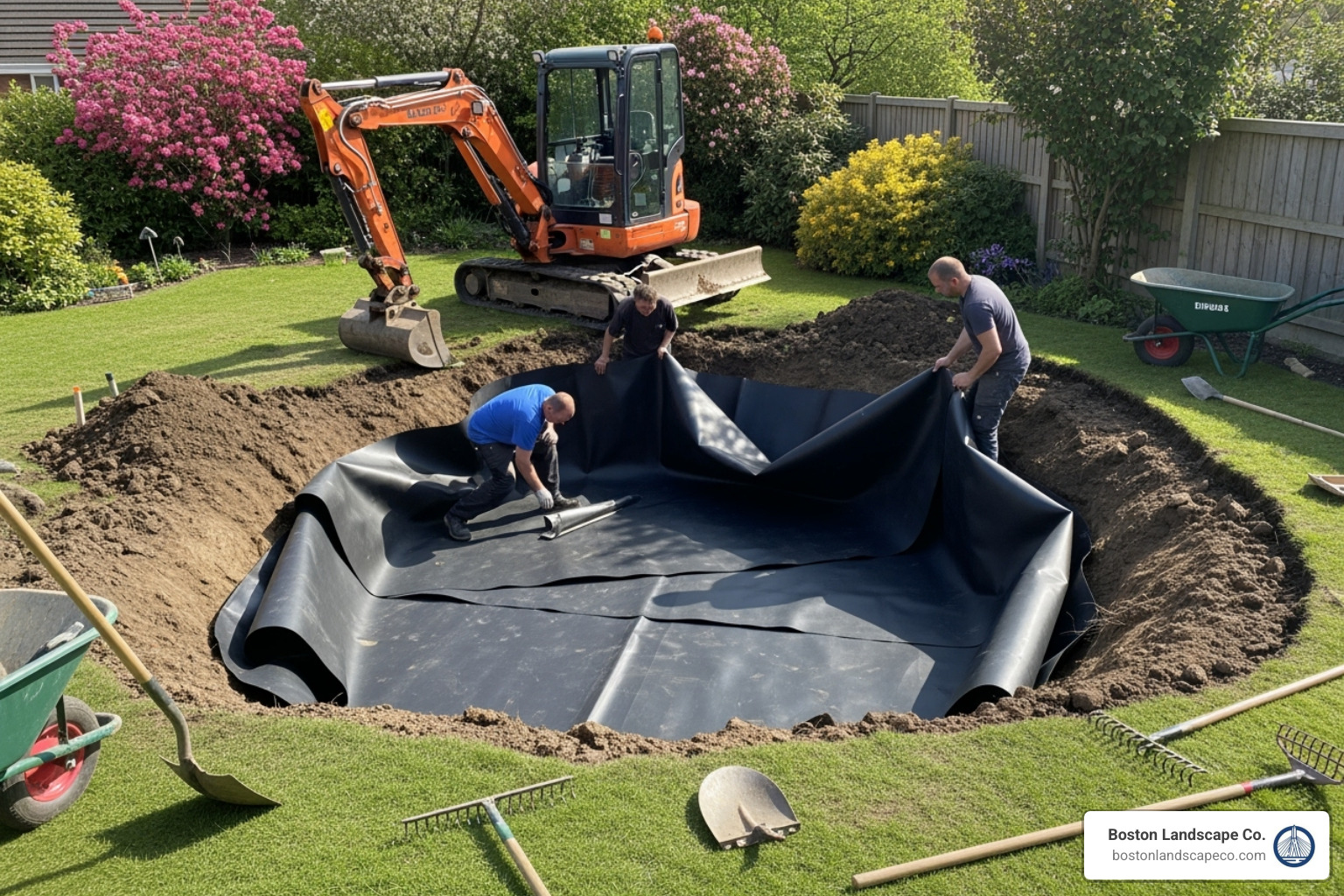
Bringing your ideas landscape wetlands in backyard to life is a rewarding project. It requires planning, but the result is a living ecosystem that provides joy for years—your own slice of nature’s magic.
The construction process unfolds over several months. Breaking it down into manageable steps makes the project approachable. You’re not just building a water feature; you’re creating an ecosystem that will mature over time.
Practical Steps for Building Your Wetland
Site selection is critical. The best locations are often existing soggy spots, low-lying swales, or areas with heavy clay soil. Keep the site at least 10 feet from your home’s foundation and consider local regulations and safety.
Excavation is next. Size can range from a 170 sq ft bog garden to a 450 sq ft marsh. Always plan for an emergency spillway to handle excess rainfall safely.
Liner installation is necessary if your soil drains too quickly. EPDM sheeting is ideal, but other barriers can work. In areas with heavy rain, small holes in the liner can allow for gradual drainage.
The soil mixture determines which plants thrive. For bog plants, a mix of peat moss and humus is perfect. For general wetland plants, add compost or peat moss to your existing soil.
Water source connection is key for sustainability. Capturing roof runoff is efficient; a buried pipe from a downspout creates a simple gravity-fed system. For more guidance, check out Sustainable Landscaping with a Mini Wetland and the National Wildlife Federation’s Backyard Marsh guide.
Essential Water Management Techniques
Effective water management creates a balanced environment that captures, filters, and slowly releases water.
Roof runoff capture is a priority for water supply. Rain barrels provide clean, chlorine-free water. During dry spells, efficient drip irrigation can supplement water without waste.
Drainage design is important for managing heavy rains. Small berms (raised earthen barriers) can contain water, while swales (shallow channels) can guide overflow to safe areas.
A well-designed wetland provides natural filtration, removing pollutants, nutrients, and sediments as water moves through it, making it a genuine environmental asset.
If you need help with technical aspects, our team offers professional irrigation system installation to ensure your wetland thrives.
Frequently Asked Questions about Backyard Wetlands
After three decades of helping homeowners with ideas landscape wetlands in backyard, I’ve noticed the same questions come up. Here are the answers that have helped countless families.
What are the best landscaping ideas for wetlands in a backyard that’s already soggy?
Soggy yards are opportunities, not problems. Many homeowners waste money fighting wet areas with drainage systems that ultimately fail. The secret is to work with your wet area, not against it. The dampness reveals your site’s natural hydrology; embracing it creates magic.
Start by using native, water-loving plants like cardinal flower and blue flag iris. They will flourish where grass struggles, creating a lush, low-maintenance landscape.
Creating a rain garden is my top recommendation for soggy areas. These shallow depressions capture and filter stormwater, turning a problem patch into a stunning, functional feature.
For accessibility, install raised boardwalks or paths using natural materials. This lets you enjoy your wetland without muddy shoes and adds an attractive architectural element.
One crucial piece of advice: avoid altering natural drainage without professional guidance. DIY projects can create flooding or other unexpected problems. Our wetland restoration services can help you design a sustainable solution.
How long does it take to create a backyard wetland?
This is a common question. Creating a backyard wetland is a multi-stage process that requires patience, but the timeline is manageable.
- Planning and design takes a few months. This includes site assessment, wetland type selection, layout design, and plant choice. Permitting, if needed, can extend this phase.
- Construction usually takes several weeks to a few months, depending on project size and complexity.
- Planting and establishment spans one to two growing seasons. This is when you’ll see the most dramatic changes as your wetland comes alive.
From concept to a thriving ecosystem, you’re typically looking at several months to about two years. The wait is worth it when you see wildlife enjoying their new home.
Will a backyard wetland attract mosquitoes?
This is a frequent concern. The good news is that a healthy wetland actually helps control mosquitoes, rather than attracting them.
A thriving wetland attracts natural predators like dragonflies, frogs, and birds that feast on mosquitoes and their larvae. I’ve seen these ecosystems balance out quickly as beneficial creatures move in.
Water movement is key to preventing the stagnation that mosquitoes love. Even gentle circulation from a small pump or natural flow from roof runoff makes a huge difference.
Many successful wetland designs don’t maintain permanent standing water. Wetlands that dry out within a week after summer rains, or those connected to deeper areas with fish, typically don’t develop mosquito problems. The natural wet-dry cycle favors beneficial wildlife that helps control insect populations.
A well-designed backyard wetland becomes part of nature’s pest control system.
Conclusion
Using ideas landscape wetlands in backyard is more than solving a drainage problem; it’s about creating a special connection to nature and making a positive environmental impact.
Throughout my three decades at Boston Landscape Co., I’ve watched homeowners find the joy of working with their landscape. A soggy corner becomes a thriving ecosystem buzzing with life. Runoff from your roof transforms into a natural water feature that supports local wildlife. A landscape challenge becomes a source of pride.
A backyard wetland is a beautiful and functional addition to any property that gives back year after year. It absorbs excess water, provides a peaceful summer retreat, and offers stunning seasonal displays.
The environmental contribution of your wetland extends beyond your property. It helps offset the massive loss of these critical ecosystems—we’ve lost more than half of the world’s wetlands in the past century. Your small wetland becomes part of a larger habitat network for migrating birds, amphibians, and beneficial insects.
The aesthetic improvement and increased biodiversity happen quickly. Within the first growing season, you’ll notice new visitors, from herons to tree frogs. These moments of connection with wildlife are some of the most rewarding aspects of wetland ownership.
At Boston Landscape Co., we’ve seen these projects transform how families interact with their outdoor spaces. Children become fascinated by the wildlife, and adults enjoy watching the seasonal changes.
Ready to transform your landscape? Our team brings decades of experience in creating wetlands that are both ecologically sound and beautifully integrated into your landscape design. Explore our Wetland Services to get started on your own backyard change.
