
How Much Is an In Ground Trampoline? Top Costs 2024
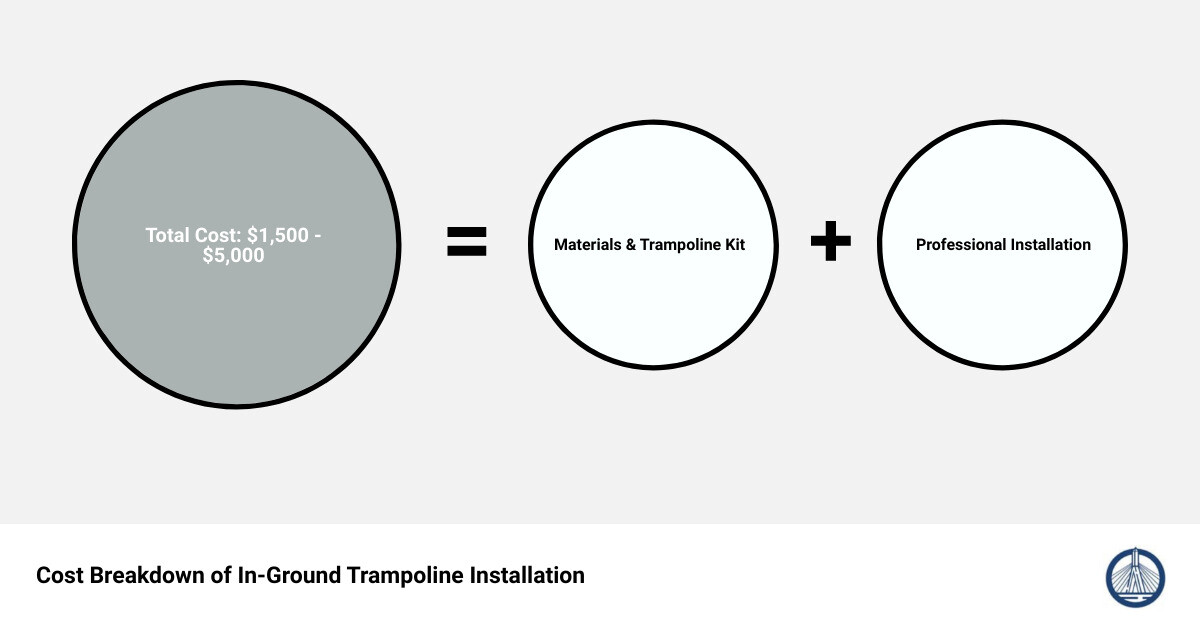
How much is an in ground trampoline? This is often the first question for homeowners curious about adding one to their backyard. If you’re in a hurry, here’s a quick answer: Expect to spend somewhere between $1,500 and $5,000. This price includes materials, professional installation, and optional accessories.
In-ground trampolines are a rising trend for those wanting a seamless, sleek look in their outdoor spaces. They not only blend beautifully with landscapes but also offer a safer jumping experience by minimizing fall heights. However, the cost and complexity of installation can be significant. These trampolines require professional excavation, retaining walls, and drainage systems, which can add to the overall expenses.
My name is Steve Schumacher, and I have over 30 years of experience in landscaping, including advising on outdoor installations like in-ground trampolines. Understanding how much is an in ground trampoline aids in making an informed decision.
Find more about how much is an in ground trampoline:
– how to build trampoline in ground
– how to install an in ground trampoline
– putting a trampoline into the ground
What Is an In-Ground Trampoline?
An in-ground trampoline is a type of trampoline installed so that its jumping surface is level with the ground. This design makes it blend seamlessly into your yard, offering a sleek and unobtrusive look.
Comparison with Above-Ground Trampolines
Unlike above-ground trampolines, which stand several feet above the ground on legs, in-ground trampolines sit flush with the ground. This design difference impacts several key areas:
- Safety: In-ground trampolines reduce the risk of falling injuries. Since they are at ground level, the chance of severe injury from a fall is lower compared to above-ground models, which are typically over 3 feet tall.
- Aesthetics: In-ground trampolines integrate smoothly into the landscape. This makes them less visually intrusive, enhancing the overall look of your property.

Safety Considerations
Safety is a top priority for any trampoline. With in-ground trampolines, the reduced height from which one might fall significantly lowers the risk of injury. Additionally, they are safer for pets, who might not steer an above-ground trampoline as easily.
However, while the risk of falling off is minimized, be aware of other potential hazards, like the trampoline’s springs and frame. Proper padding and safety nets can mitigate these risks.
Aesthetic Appeal
The aesthetic appeal of in-ground trampolines is one of their standout features. They offer a clean and modern look, making them an attractive addition to any backyard. Their low profile means they don’t obstruct views or clash with landscaping, instead enhancing the space with a fun and functional element.

In summary, if you’re considering a trampoline for your backyard, an in-ground model offers both safety and aesthetic benefits. However, the installation process is more complex and costly than that of an above-ground trampoline.
How Much Is an In-Ground Trampoline?
When considering how much is an in-ground trampoline, it’s crucial to understand the various costs involved. The price range typically falls between $1,500 and $5,000 or more. This wide range depends on several factors, including the size and quality of the trampoline, professional installation costs, and optional accessories.
Size and Quality of the Trampoline
The first major factor is the size and quality of the trampoline itself. Larger trampolines, like the Avyna Pro Line or Capital Play models, tend to be more expensive. For example, the Avyna Pro Line’s 10 ft x 17 ft rectangle model costs $2,795 without installation. The materials used, such as galvanized steel frames, also impact the price. High-quality materials ensure better durability and safety, which is essential for a long-lasting trampoline.
Professional Installation Costs
The installation of an in-ground trampoline involves more than just setting up the trampoline. It includes excavation, building a retaining wall, and ensuring proper water drainage. These tasks often require professional assistance, adding to the overall cost.
- Excavation: Digging the hole for the trampoline can cost between $400 and $1,500, depending on the soil type and depth required (typically about 3 feet deep for a 14-foot trampoline).
- Retaining Wall: To prevent soil erosion and maintain the shape of the hole, a retaining wall is necessary. This can cost around $2,000, with variations based on whether you choose wood or concrete materials.
- Water Drainage: Proper drainage is crucial to avoid water accumulation, which can damage the trampoline. The cost for drainage systems can range from a few hundred dollars to several thousand, depending on the complexity needed.
Optional Accessories
Adding optional accessories can improve the functionality and enjoyment of your trampoline but will also increase the cost. Some popular accessories include:
- Trampoline Cover: Protects the trampoline from weather elements.
- Frame Pads: Provide additional safety by covering the springs and frame.
- Enclosure Net: Helps prevent falls and adds an extra layer of safety.
- Basketball Hoop: Adds a fun element for kids and adults alike.
- Lighting System: LED lights can make your trampoline usable at night and add a cool visual effect.
These accessories can range in price from $2 to $400 or more, depending on the type and quality of the items you choose.
In summary, when calculating how much is an in-ground trampoline, consider the initial cost of the trampoline kit, the professional installation expenses, and any additional accessories you might want. Each of these factors plays a significant role in determining the total investment required for an in-ground trampoline.
Factors Affecting In-Ground Trampoline Costs
When planning for an in-ground trampoline, several factors influence the overall cost. These include the depth of the hole, finishing stones and retaining walls, and water drainage systems. Each element plays a crucial role in ensuring the trampoline’s safety and longevity.
Depth of the Hole
The depth of the hole is a key factor in determining excavation costs. For a typical 14-foot trampoline, you need to dig about 3 feet deep. The cost for this excavation can range from $400 to $1,500, depending on the soil type and local labor rates. Different soil types can affect the complexity of the excavation. Rocky or clay-heavy soils might require more effort and specialized equipment, increasing costs.
Finishing Stones and Retaining Walls
Once the hole is dug, finishing it with stones and building retaining walls is essential to maintain its shape and prevent soil collapse. Options for materials include gravel, brick, or cement for filling, and wood or concrete for retaining walls.
- Gravel is often used for its drainage properties and is relatively inexpensive.
- Brick and cement provide a more solid finish but can increase costs.
- Wood retaining walls are generally cheaper but may not last as long as concrete.
- Concrete walls offer durability and stability, though they come at a higher price, typically around $2,000.
Choosing the right materials depends on your budget and how long you want the installation to last.
Water Drainage
Proper water drainage is critical to avoid water accumulation, which can damage the trampoline over time. Installing a drainage system can range from a simple soil drainage solution to a more complex sewer system.
- A basic soil drainage system might cost a few hundred dollars, using materials like permeable membranes and scalpings.
- More elaborate systems, such as those connecting to existing sewer lines, can cost several thousand dollars, considering both materials and labor.
Addressing water issues effectively ensures the trampoline remains safe and functional, even during heavy rain.
In conclusion, understanding these factors can help you better estimate the costs involved with installing an in-ground trampoline. Each element—excavation, finishing, and drainage—plays a vital role in both the upfront costs and the long-term value of your trampoline investment.
Pros and Cons of In-Ground Trampolines
In-ground trampolines offer a unique blend of benefits and drawbacks. Understanding these can help you decide if this type of trampoline is right for your family and backyard.
Pros
Safety
One of the biggest advantages of in-ground trampolines is safety. Since they are level with the ground, the risk of falling injuries is significantly reduced. This makes them a safer option for kids and pets compared to above-ground trampolines, which are typically more than 3 feet off the ground.
Aesthetics
In-ground trampolines blend seamlessly into your landscape. They are less visible and create a more polished look in your backyard. This can improve the overall aesthetic appeal of your outdoor space, making it more inviting and enjoyable.
Weather Resistance
These trampolines are more resistant to weather elements. Being flush with the ground means they are less likely to be damaged by high winds or storms. This makes them a more durable option in areas with frequent severe weather.
Accessibility
Without the need for steps or ladders, in-ground trampolines are easily accessible. This is especially beneficial for young children and those with mobility issues, providing a more inclusive play option for the whole family.
Cons
Installation Time and Complexity
Installing an in-ground trampoline can be time-consuming and complex. It often requires professional assistance, especially for excavation and drainage. This can add to the overall cost and time needed to get your trampoline ready for use.
Cost
While in-ground trampolines offer many benefits, they come with a higher initial cost. The price of the trampoline itself, combined with installation expenses like excavation and retaining walls, can make this a significant investment.
Permanent Structure
Once installed, in-ground trampolines are more permanent than their above-ground counterparts. This means you’ll need to be sure about the location and commitment to having a trampoline in your yard for the long term.
Safety Concerns
While generally safer, in-ground trampolines still pose some safety concerns. If not properly installed, issues like poor drainage can lead to water accumulation, affecting the trampoline’s safety and durability. Regular maintenance checks are essential to keep it in top condition.
Understanding these pros and cons can help you decide whether an in-ground trampoline is the right choice for your needs. Consider all aspects, from safety and aesthetics to cost and installation complexity, before making your decision.
Frequently Asked Questions about In-Ground Trampolines
Are in-ground trampolines worth it?
In-ground trampolines offer numerous benefits that can make them a worthwhile investment for many families. Safety is a big factor. Because they sit flush with the ground, the risk of falling injuries is greatly reduced, making them safer for both children and pets. This is a significant advantage over above-ground trampolines, which often require nets and ladders.
Beyond safety, in-ground trampolines can improve motor skills and provide an excellent cardio workout. The ease of access encourages frequent use, which can improve balance, coordination, and overall fitness.
If you’re considering the aesthetics of your backyard, in-ground trampolines blend seamlessly into the landscape, avoiding the eyesore that above-ground models can present. This makes them a great choice for those who want a visually appealing outdoor space.
Why are in-ground trampolines so expensive?
The cost of an in-ground trampoline can be higher than above-ground models due to several factors. The installation process is a major component of this cost. Excavation is required to create a hole that is typically 36 inches deep for a 12ft or 14ft trampoline, and this often involves professional help.
Additionally, materials for in-ground trampolines are designed to withstand being buried, which means they are often made from more durable, rust-resistant materials. This adds to the initial expense but ensures longevity.
Furthermore, there are costs associated with retaining walls and drainage systems, which are necessary to maintain the trampoline’s integrity and usability. These features prevent soil erosion and water accumulation, which can damage the trampoline over time.
How deep does an in-ground trampoline have to be?
For an in-ground trampoline, the depth of the hole is crucial for proper installation and safety. Generally, the hole should be around 36 inches deep. This depth accommodates the trampoline frame and allows for adequate air circulation and bounce quality.
The topsoil layer, usually about 10 inches, should be considered when planning the excavation. This ensures that the trampoline remains level with the ground surface, providing a smooth transition from yard to trampoline. Proper depth also aids in effective drainage, reducing the risk of water pooling and prolonging the life of your trampoline.
Conclusion
Investing in an in-ground trampoline can be a game-changer for your backyard, offering both fun and functionality. At Boston Landscape Co., we believe that making an informed decision is crucial when considering such an investment. Our expertise in landscaping and property maintenance ensures that your trampoline not only improves your outdoor space but also stands the test of time.
Enhancing Your Backyard
An in-ground trampoline seamlessly integrates into your landscape, providing a sleek and unobtrusive feature that transforms your backyard into a dynamic, family-friendly zone. Unlike above-ground models, these trampolines blend naturally with the environment, maintaining the aesthetic appeal of your property. This integration not only adds to the visual charm but also lifts the usability of your outdoor area.
A Long-Term Investment
While the initial costs might seem daunting, an in-ground trampoline is a long-term investment in family fun and fitness. The durability and safety features of these trampolines, coupled with professional installation, ensure that you get the most out of your purchase. With proper care and maintenance, your trampoline will provide years of enjoyment and physical activity, making it a worthwhile addition to your home.
At Boston Landscape Co., we are committed to guiding you through the entire process, from planning to installation. Our goal is to make your backyard dreams a reality while ensuring that your investment pays off with endless laughter and joy.
For more detailed information and to explore how we can help transform your backyard, visit our In-Ground Trampoline Service Page. Let us assist you in creating a safe and engaging environment where your family can thrive.
