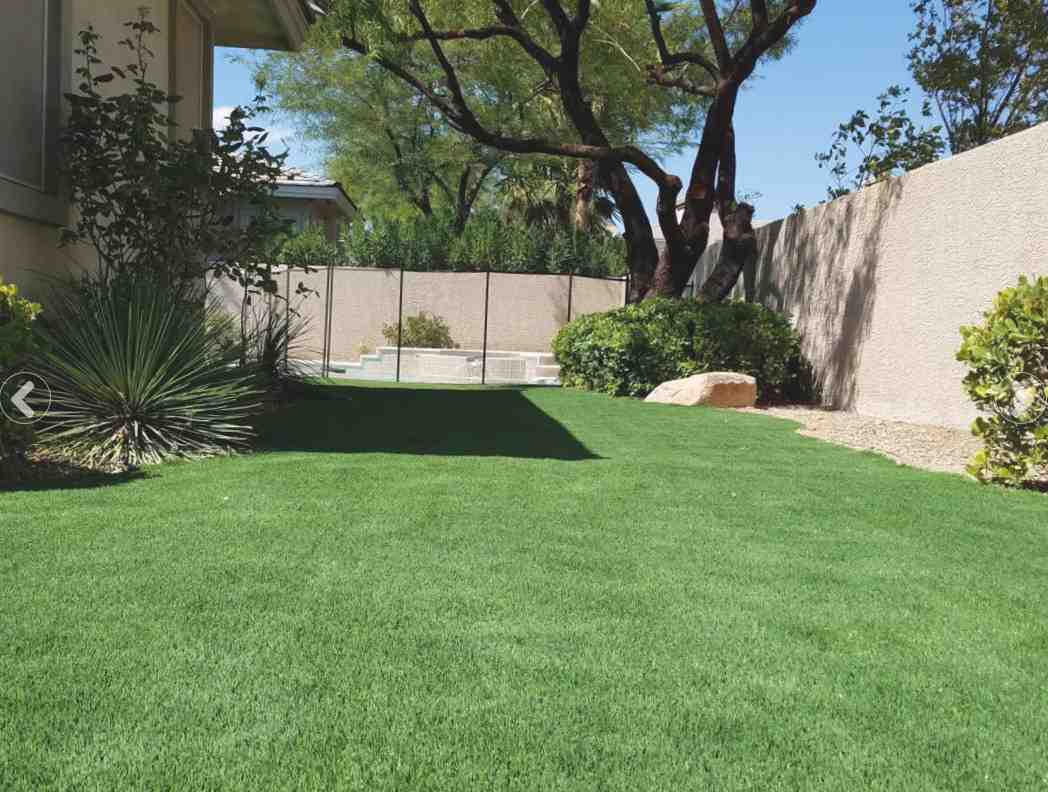
Why a Turf Lawn Installer Can Transform Your Outdoor Space

A Turf Lawn Installer is a professional who prepares soil, lays sod or artificial turf, and ensures a healthy, long-lasting lawn. Whether you want the instant green of natural sod or the low-maintenance appeal of artificial turf, knowing the process helps you make informed decisions when hiring experts.
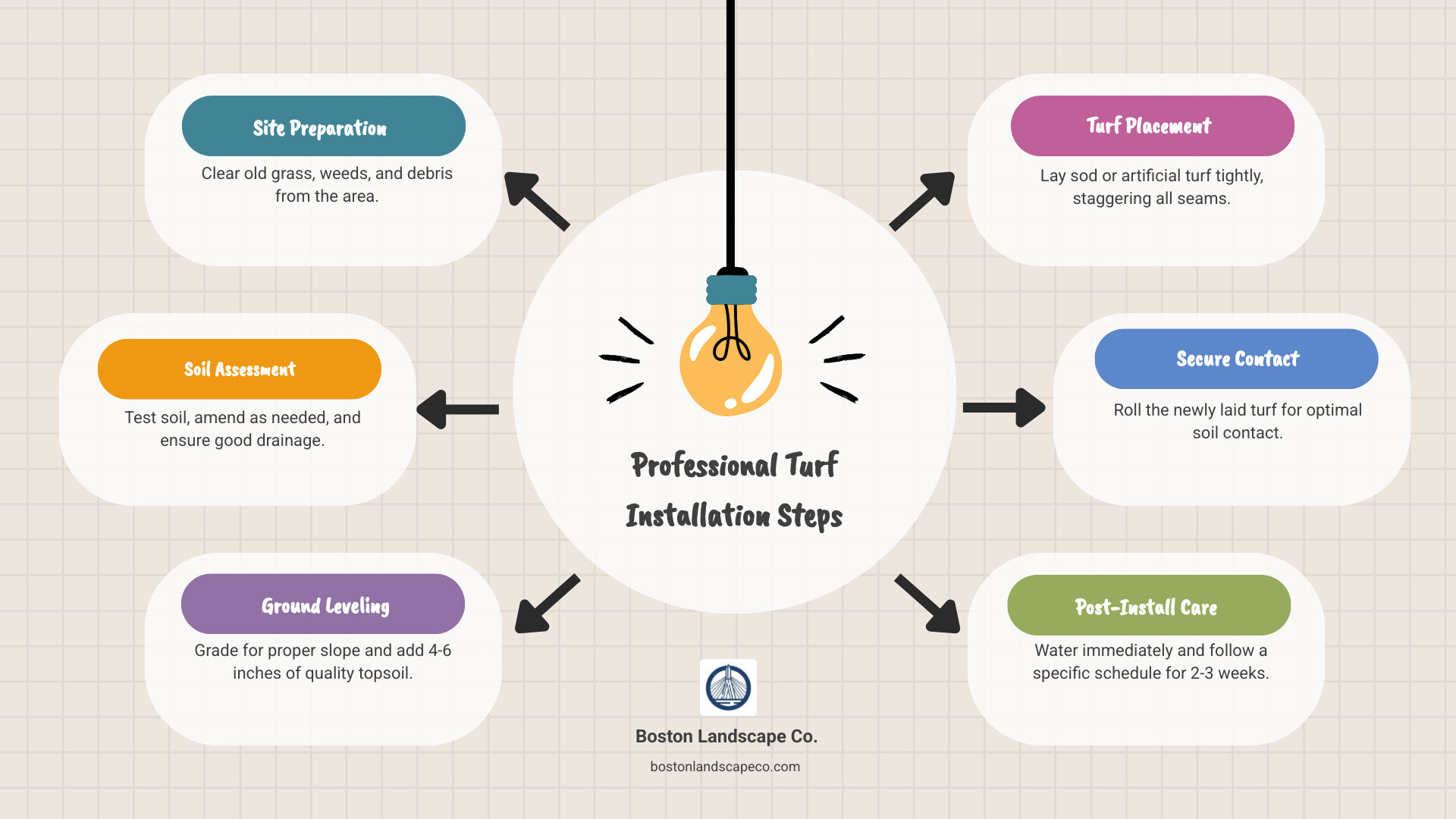
Key Steps in Turf Lawn Installation:
- Measure and order materials – Calculate square footage and add 5% for waste.
- Prepare the soil – Remove old grass, add 4-6 inches of quality topsoil, and grade for drainage.
- Install the turf – Lay sod or artificial turf tightly, stagger seams, and ensure good soil contact.
- Water immediately – Begin watering within 20 minutes of installation.
- Maintain properly – Follow specific care guidelines for the first 2-3 weeks.
Many homeowners in the Greater Boston area struggle with compacted soil after construction or with natural grass that fails in our climate. Installing turf offers a beautiful, functional solution that can increase your property value by an average of 15-20%.
Natural sod provides instant results, while artificial turf eliminates mowing and watering. For both, proper ground preparation is the foundation of a successful installation. The difference between a lawn that thrives for 20+ years and one that fails often comes down to the quality of the installation.
I’m Steve Schumacher, owner-operator of Boston Landscape Co. since 1991. As a Turf Lawn Installer with over three decades of experience in the Greater Boston area, I’ve learned that proper preparation and attention to detail are what create a beautiful, durable lawn.
Turf Lawn Installer vocab explained:
Understanding Your Turf Options: Natural Sod vs. Artificial Grass
When considering a new lawn, you primarily have two choices: natural sod or artificial turf. Both offer distinct advantages, and the best option depends on your specific needs, lifestyle, and environmental considerations. As experienced landscapers in the Greater Boston area, we often help our clients weigh these factors to make an informed decision.
What are the different types of artificial turf available for installation?
Artificial turf isn’t a one-size-fits-all product. It comes in diverse types, each designed for specific applications. The key differences lie in blade height, density, material, and infill.
- Landscaping and Decorative Turf (PLUSH line): Designed for maximum realism with a lush look and feel. Ideal for residential lawns and ornamental areas with moderate foot traffic. Our synthetic artificial lawns are designed to improve curb appeal.
- High-Traffic and Multi-Purpose Turf (PRO line): Combines realism with exceptional durability for areas with higher foot traffic. Suitable for both residential and commercial use.
- Ultra-High Durability Turf (PLAY line): Built for intense use like playgrounds and sports fields. Features shorter, denser blades for maximum resiliency. Our artificial turf for residential lawns can include these durable options.
- Pet-Friendly Turf (PET line): Engineered with antimicrobial materials and maximum drainage for pets. Shorter blades make cleanup easy, eliminating muddy paws and brown spots. Explore our artificial turf for dog solutions.
- Putting Green Grass (PUTT line): Specifically designed for true ball movement for golf enthusiasts, offering high durability for consistent practice.
Not all artificial turf is created equal. Quality varies significantly. When we discuss your project, we bring samples so you can see and feel the differences that contribute to performance and realism.
What are the benefits of installing artificial turf compared to natural grass?
The decision to install artificial turf often comes down to a desire for a beautiful, low-maintenance landscape that performs well in the challenging New England climate. Here are some compelling benefits:
- Low Maintenance: Say goodbye to mowing, fertilizing, and weeding. Artificial grass saves you time and money, letting you enjoy your yard instead of working on it.
- Water Conservation: Drastically reduce water consumption and lower your monthly bills. It’s an environmentally conscious choice, especially during dry spells.
- Durability and Longevity: Quality artificial turf is designed to withstand heavy traffic and harsh weather, lasting for roughly 20 years while maintaining its appearance.
- Pet and Child Friendly: Provides a clean, dry, and pesticide-free play area. Specialized turf for pets offers superior drainage and antimicrobial properties, while options for play areas are soft, safe, and eliminate grass stains and mud.
- Eco-Friendly Aspects: Eliminates emissions from mowers and the need for chemical pesticides or fertilizers. Some products even use biobased, renewable materials.
- Year-Round Beauty: Enjoy a lush, green lawn all year, regardless of the season or weather, consistently enhancing your curb appeal.
- Versatility: Install turf where natural grass won’t grow, such as on rooftops, patios, or in heavily shaded areas. It’s also perfect for putting greens and other custom designs.
Are there specific types of artificial turf best suited for pets, children, or sports?
Yes, modern artificial turf is highly specialized. We can help you select the perfect type for your needs:
- For Pets: Choose turf with antimicrobial materials, maximum drainage, and shorter blades for easy cleanup. This creates a clean, healthy space for animals and eliminates muddy paws. Artificial Pet Turf is a popular choice.
- For Children: For play areas, we recommend durable, high-density turf that is soft, safe, and dries quickly. This reduces slips and eliminates grass stains.
- For Sports: We offer specialized turf for backyard putting greens that ensures true ball movement, as well as durable options for other high-traffic sports areas.
What are the environmental considerations of using artificial turf?
It’s important to weigh the environmental pros and cons of artificial turf.
Positive Environmental Impacts:
- Water Conservation: A major benefit is the significant reduction in water use.
- Reduced Chemical Use: Eliminates the need for pesticides, herbicides, and fertilizers.
- Improved Air Quality: No more emissions from gas-powered lawn equipment.
- Sustainable Materials: Many modern turfs use recyclable and biobased materials.
Considerations and Potential Drawbacks:
- Heat Absorption: Synthetic turf can get hotter than natural grass in direct sun. However, certain infills and proper installation can help mitigate this.
- Material Sourcing and Disposal: Production uses synthetic materials, and end-of-life disposal should be handled responsibly through recycling programs.
- Microplastics: Older or lower-quality turf may shed plastic particles over time. The industry is continuously improving materials to minimize this.
We help you balance these factors by prioritizing high-quality, long-lasting products from environmentally responsible manufacturers.
The Turf Lawn Installation Process: A Step-by-Step Guide
Installing a turf lawn, whether natural sod or artificial grass, is a meticulous process where the foundation lies in thorough site preparation.
What is the typical process for installing artificial turf?
The core stages of installation are similar for both natural and artificial turf, with key differences in the sub-base and finishing.
Initial Assessment & Planning
A professional Turf Lawn Installer begins with a detailed property assessment.
- Site Visit and Consultation: We measure the area, adding about 5% for waste, and discuss your vision, intended use (e.g., turf backyard, pet area), and aesthetic goals.
- Product Selection: We help you choose the best turf for your needs, whether it’s a specific artificial grass type or a natural sod variety suited for the Massachusetts climate.
- Quote and Project Plan: We provide a detailed quote and a clear project plan with all steps, materials, and a timeline.
Site Preparation: The Foundation of Success
This is the most critical phase, ensuring longevity and performance, especially for new construction sites with compacted soil and poor drainage.
Addressing New Construction Challenges
After construction in the Greater Boston area, yards often have compacted, nutrient-poor subsoil and buried debris. This environment prevents healthy root growth and causes drainage problems.
- Site Clearing and Debris Removal: We begin by thoroughly clearing the site of all construction debris, such as rocks, concrete, and wood scraps, to create a clean slate.
- Remediating Compacted Soil: We address the compacted subsoil left by heavy machinery. This hard surface repels water and lacks the organic matter needed to support a healthy lawn, whether natural or artificial.
Soil Testing and Amendments
This step is vital for natural sod’s health and helps assess drainage for artificial turf.
- Soil Test: We test the soil to check nutrient levels and pH, aiming for the optimal range (6.0-7.0) for grass health.
- Soil Amendments: Based on the test, we add amendments like limestone or compost to balance the pH and enrich the soil with organic matter.
- Adding Quality Topsoil: We typically add 4-6 inches of screened, nutrient-rich topsoil, especially on new construction sites.
- Tilling and Blending: We till the amendments and topsoil into the existing ground to break up compaction and create a uniform, loose base. For heavily compacted soil, we may use professional equipment like our Bobcat services.
Grading and Drainage
Proper grading is essential for both turf types to prevent water from pooling near your foundation.
- Creating Proper Slope: We grade the area to create a gentle slope (typically 2-10%) away from your house, ensuring water drains correctly. For serious issues, we can install French drains. Our lawn installations always prioritize proper drainage.
- Final Grading and Base Preparation: We smooth the soil and remove any remaining debris.
- For Natural Sod: We lightly roll the area to firm the surface, setting the grade about 1 inch below hardscapes.
- For Artificial Turf: We install and compact a 2-4 inch permeable gravel base over a geotextile weed barrier for superior drainage and stability.
Laying the Turf: Natural Sod vs. Artificial Grass
The installation method differs significantly between sod and artificial turf.
For Natural Sod Installation:
- Lay Sod Promptly: We install sod immediately upon delivery to ensure freshness.
- Place Strips: We lay sod strips tightly together along a straight edge, staggering the seams like bricks for a unified look. We custom-cut pieces to fit curves.
- Roll for Contact: After laying, we roll the lawn to remove air pockets and ensure roots make contact with the soil.
- Water Immediately: We water the new sod within 30 minutes of installation. A consistent watering schedule is critical for the first 2-3 weeks to establish strong roots. We recommend daily watering the first week, every other day the second, and every third day the third week, adjusting for weather.
For Artificial Grass Installation:
- Install Edging: An optional border can be installed to secure the perimeter.
- Lay and Cut Turf: We unroll the turf, ensuring the grain of the pile faces the same direction for a uniform look, and cut it to fit.
- Seam and Anchor: We merge seams with a special technique to make them nearly invisible and anchor the turf securely to the base.
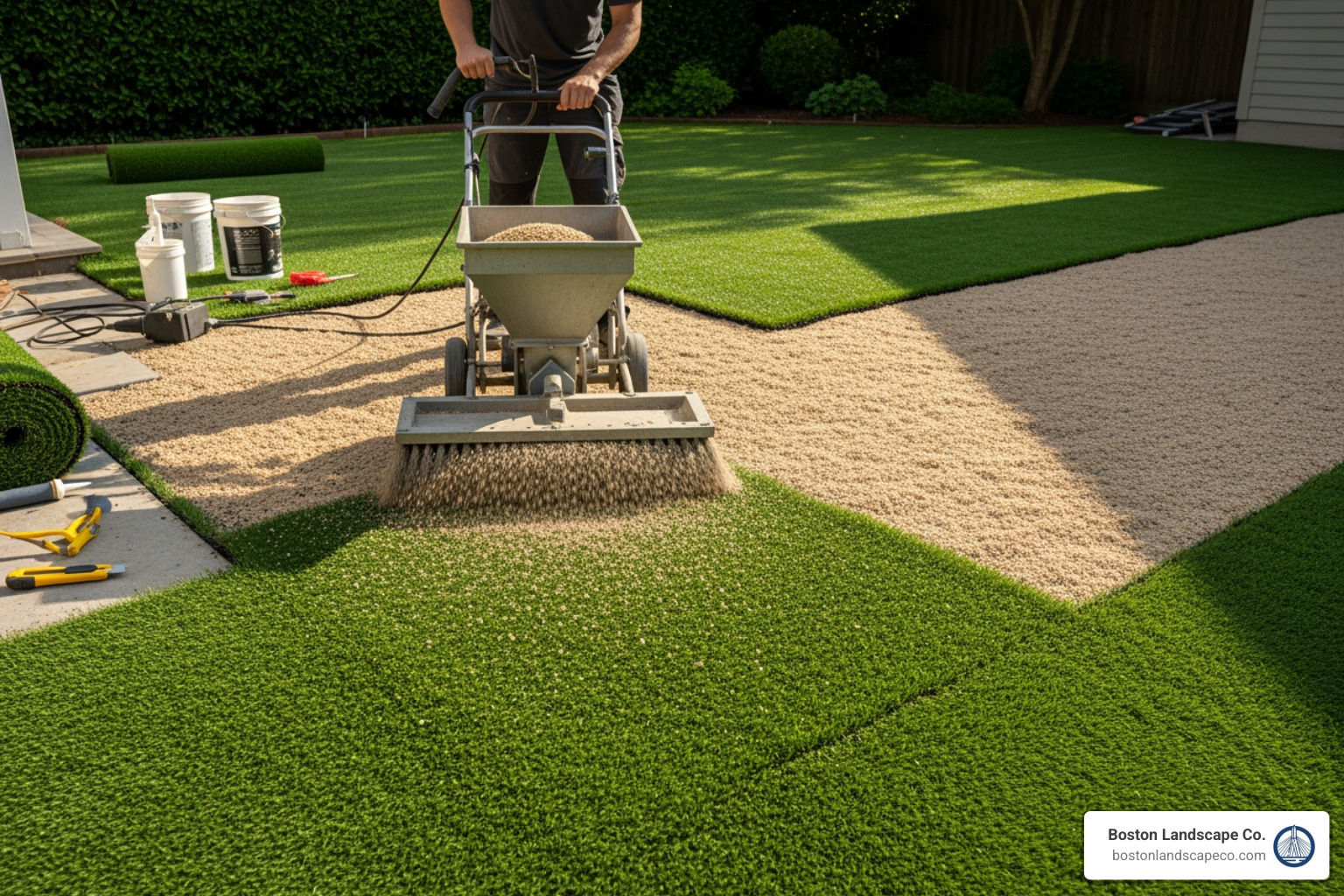
- Apply Infill: We spread an infill material like silica sand across the turf to help the blades stand up, add cushioning, and keep the surface cool. A power broom works the infill into the fibers.
- Final Inspection: We conduct a final walkthrough to ensure a perfect, immaculate installation.
Costs, Lifespan, and Warranty: What to Expect
Investing in a new turf lawn is a decision that impacts your property’s aesthetics, functionality, and value for years to come. Understanding the costs involved, how long your investment will last, and the warranty coverage is essential.
How long does artificial turf typically last, and what is its warranty?
High-quality artificial turf is a durable product built for longevity. You can expect your artificial turf to typically last for roughly 20 years. This lifespan is significantly influenced by the quality of the product, the professionalism of the installation, and the level of maintenance it receives.
Regarding warranties, many reputable manufacturers, like SYNLawn, offer a Limited Lifetime Warranty on their synthetic turf products. This demonstrates confidence in their product’s durability and provides peace of mind for homeowners. When choosing a Turf Lawn Installer, always inquire about both the product warranty and any installation warranty they provide. We are proud of our expertise and stand by our work.
What are the costs associated with artificial turf installation?
The cost of artificial turf installation can vary widely based on several factors, including the size of the area, the type and quality of turf chosen, the complexity of the installation (e.g., slopes, intricate shapes), and the amount of site preparation required.
Please note: The prices listed below are average costs based on online/internet data and are not the actual prices of Boston Landscape Co. We always provide a wide price range to reflect real-world variability.
- Artificial Turf Installation: On average, artificial turf installation can range from $8 to $12 per square foot. However, for specialized, high-end products or complex installations, costs can reach $24 per square foot or more.
- For a 500 sq ft area, this could range from $4,000 to $6,000+, potentially up to $12,000+.
- For a 1,000 sq ft area, this could range from $8,000 to $12,000+, potentially up to $24,000+.
- For a larger 5,000 sq ft area, costs could range from $40,000 to $60,000+, potentially up to $120,000+.
Comparison with Other Lawn Installation Methods (Average Costs):
- Sod Installation: This typically ranges from $1.50 to $4.50+ per square foot for professional installation, including materials and labor. For a 5,000 sq ft lawn, this could cost $7,500 to $22,500+, potentially up to $45,000+.
- Hydroseeding: This is a middle-ground option, often running $0.10 to $0.40+ per square foot. For a 5,000 sq ft lawn, this could be $500 to $2,000+, potentially up to $4,000+.
- Hand-Seeding: Generally the most budget-friendly, costing around $0.10 to $0.20 per square foot.
Factors Influencing Cost:
- Turf Quality and Type: Specialized turf for pets, putting greens, or high-traffic areas will generally be more expensive than standard landscaping turf.
- Site Preparation: Extensive excavation, debris removal, soil amendments, or complex grading can significantly increase labor and material costs.
- Drainage Solutions: If French drains or other advanced drainage systems are needed, this will add to the overall expense.
- Infill Material: Different infill options (e.g., silica sand, crumb rubber, specialized cooling infills) have varying costs.
- Geographic Location: Labor and material costs can differ across the Greater Boston area.
When comparing DIY to professional services, remember to factor in equipment rental, the value of your time, and the risk of costly mistakes. While DIY can save on labor, professional expertise ensures a high-quality, long-lasting installation, especially for complex projects or new construction sites.
Maintaining Your Investment: Care After Installation
Once your new turf lawn is installed, proper care ensures its beauty and longevity.
What maintenance is required for artificial turf after installation?
A key benefit of artificial turf is its low maintenance, but it does require some care:
- Regular Cleaning: Use a leaf blower or rake to remove leaves and debris. Clean spots or pet waste with mild soap and water.
- Brushing: Periodically brush high-traffic areas with a stiff broom against the grain to keep the blades upright and looking fresh.
- Drainage Check: Keep drainage areas clear of debris.
- Infill Top-Up: Occasionally, you may need to add more infill material in high-use areas.
This simple routine replaces the constant mowing, watering, and chemical treatments required by natural grass.
Initial Maintenance for Natural Sod
The first few weeks are critical for natural sod to establish roots:
- Watering: Water consistently for the first 2-3 weeks to keep the sod and topsoil moist. Afterward, transition to deeper, less frequent watering.
- Foot Traffic: Keep heavy foot traffic off the new lawn for at least 3-4 weeks to allow roots to knit firmly with the soil.
- First Mow: Mow for the first time only after the sod has rooted. Never remove more than one-third of the blade height, and keep the mower height at 2.5-3 inches.
- Weed Control: New sod is dense and naturally suppresses weeds, so chemical applications are typically not needed.
Performance in New England Weather
Massachusetts weather, much like Chicago’s, can be unpredictable and challenging for natural grass, ranging from harsh winters to humid summers. This is where the choice of turf truly impacts your outdoor living.
How does artificial turf perform in different weather conditions, especially in Chicago? (Adapted for Massachusetts)
While the research specifically mentions Chicago, the insights are highly relevant to the Greater Boston area. Our region experiences:
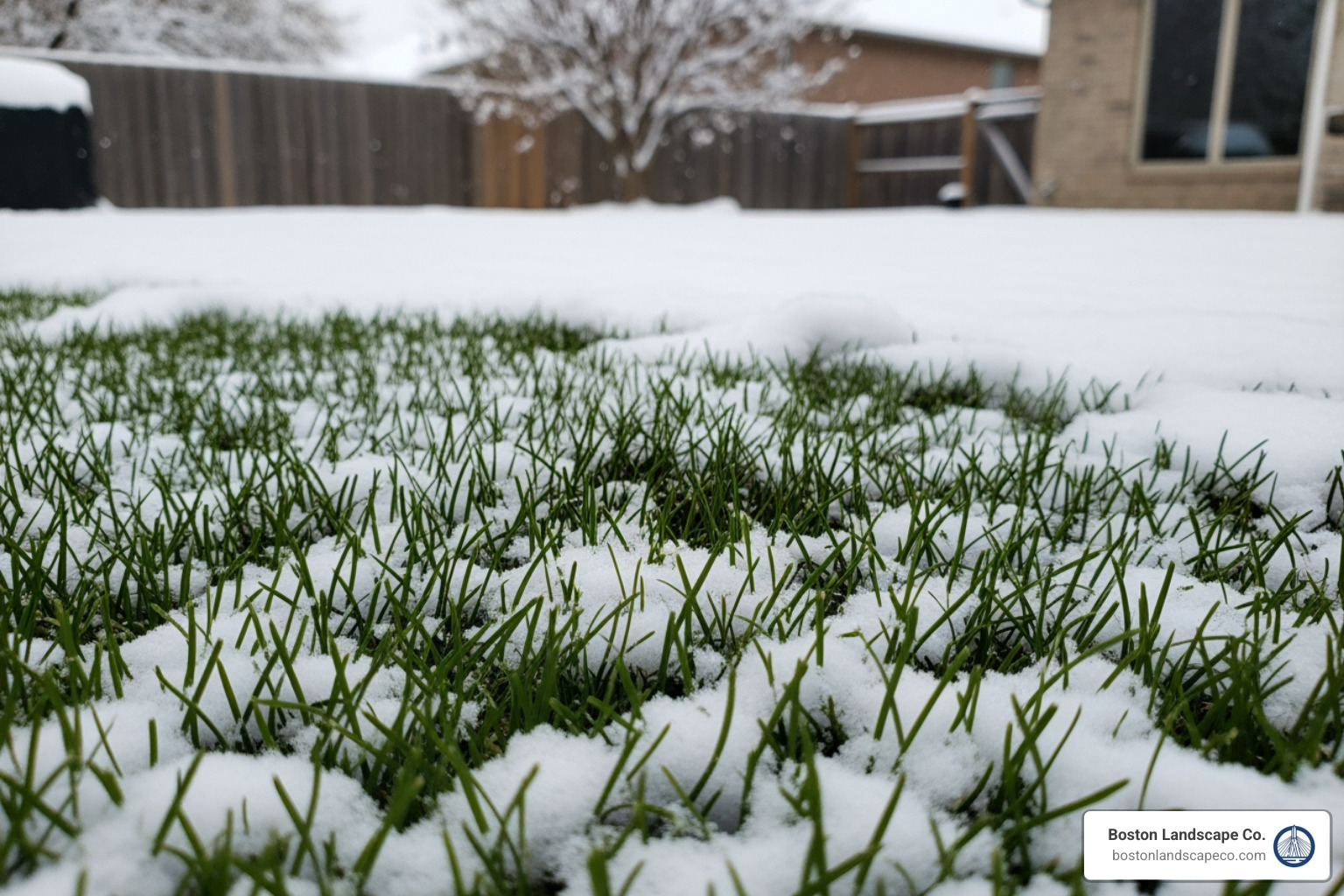
- Cold Winters and Freezing Temperatures: Artificial turf is designed to withstand freezing temperatures and snow. It remains robust and vibrant, unlike natural grass which goes dormant and can suffer winter damage. Snow can be cleared from artificial turf without damage, and the turf will thaw and drain quickly.
- Wet Springs and Heavy Rainfall: Natural grass often struggles with wet springs, leading to soggy conditions, puddles, and mud. Artificial turf, with its excellent drainage system, resists even the worst weather, remaining mud-free year-round. This means children and pets can play outside without tracking mud indoors.
- Humid Summers and Droughts: Massachusetts summers can be humid, but also experience dry spells. Artificial turf is extremely durable and designed to resist wear-and-tear, maintaining an attractive appearance for years regardless of heat or lack of rain. It eliminates the browning and patchy look natural grass can develop under stress.
For us, these synthetic turf products not only reduce ongoing maintenance costs but they provide pesticide-free and water-saving solutions that are ideal for the Massachusetts market. Artificial turf fields are nearly maintenance-free and resist even the worst weather, offering a reliable surface for sports and recreation.
Choosing the Right Turf Lawn Installer
The success and longevity of your turf lawn installation depend significantly on the expertise of the professionals you choose. With over two decades of dedicated service in the synthetic turf industry and general landscaping, we’ve learned what truly matters.
What factors should a homeowner consider when choosing an artificial turf installer?
Selecting the right Turf Lawn Installer is critical. Here are key factors for homeowners in the Greater Boston area to consider:
- Experience and Reputation: Choose a company with a proven track record and positive customer reviews. Decades of service indicate deep expertise and reliability.
- Product Knowledge and Variety: A good installer offers a range of high-quality turf products and provides samples, explaining the differences to help you choose the best option for your needs (pets, play, aesthetics).
- Installation Expertise: Ask about their installation process, from site prep and drainage to seaming techniques. Proper technique is crucial for a realistic and durable result.
- Warranty and Support: Ensure the installer offers a comprehensive warranty on both the product and their labor, as well as post-installation support.
- Local Knowledge: An installer familiar with the Massachusetts climate and soil can provide custom solutions that perform well in our region.
- Transparent Pricing: Look for clear, upfront pricing and open communication throughout the project.
- Customer Service: Choose a company committed to punctuality, respect, and customer satisfaction.
At Boston Landscape Co., we pride ourselves on being more than just artificial turf installers. We’re here to help you with any necessary repairs or maintenance long after your artificial grass installation service. We have the specialized equipment and local knowledge to handle the unique challenges of new construction sites in areas like Stoneham, Billerica, and other surrounding towns, completing the job efficiently and correctly. When you partner with us, you’re investing in professional expertise and guaranteed results.
Conclusion: Transform Your Outdoor Space with a Professional Turf Lawn Installer
Whether you choose the instant appeal of natural sod or the low-maintenance lifestyle of artificial turf, a professional Turf Lawn Installer is key to a beautiful, long-lasting result. Proper site preparation, expert installation, and correct post-care guidance make all the difference.
At Boston Landscape Co., we understand the unique challenges of the Massachusetts climate. We are committed to delivering sustainable, stunning, and functional outdoor spaces that improve your property’s value and your quality of life. Our premium turf options offer a pristine lawn without the constant hassle, saving you time and resources.
Ready to transform your outdoor space?
- Learn more about our Synthetic Artificial Lawns
- Find our comprehensive Landscaping services
- Explore our Artificial Grass Installation options
- Request an estimate for your project today! Request Estimate