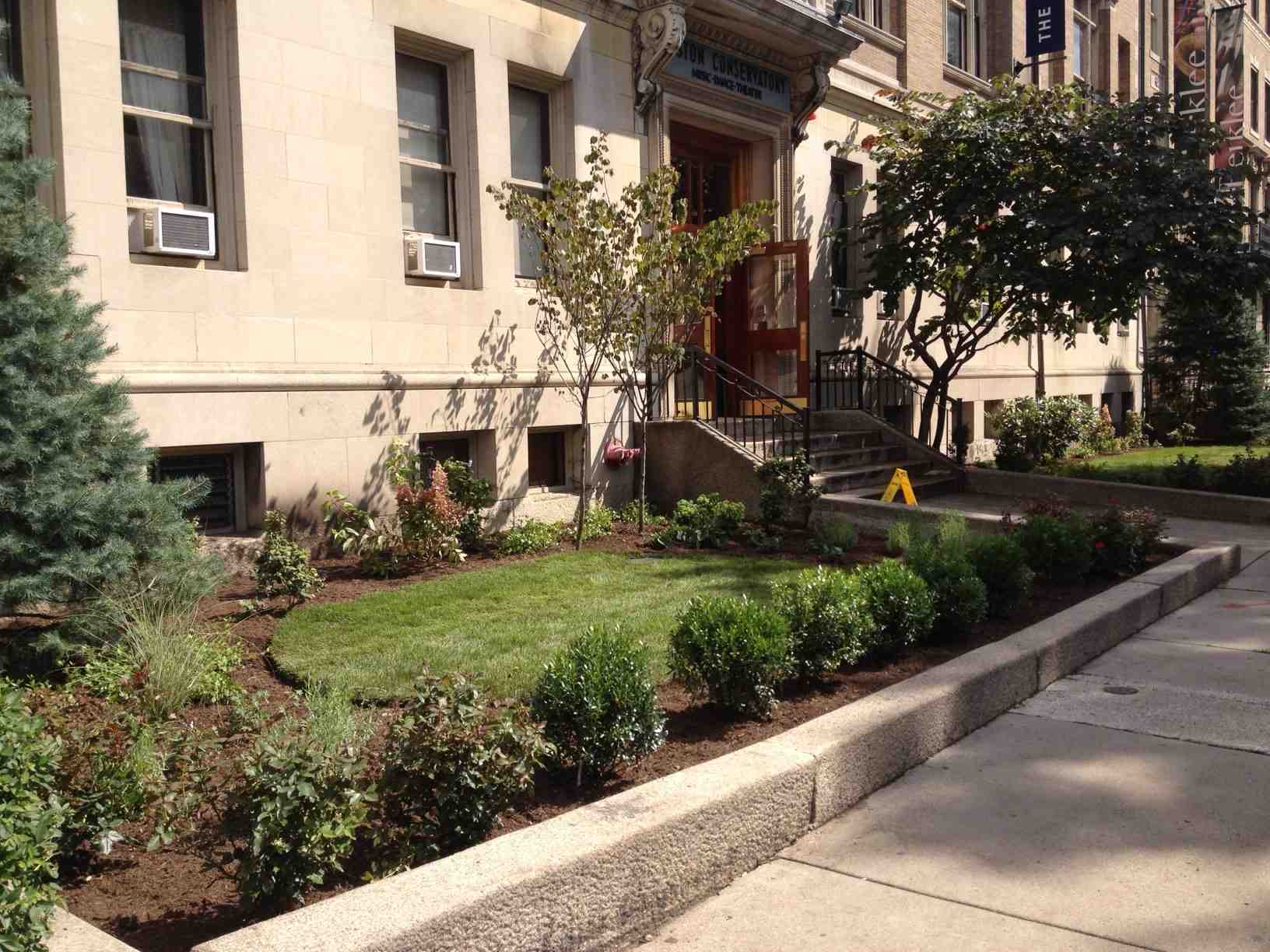
Why Tree Planting and Pruning in Lexington Matters for Your Property
tree planting pruning Lexington is one of the smartest investments a Greater Boston homeowner can make — for curb appeal, property value, and the environment. But doing it wrong can cost you more than doing nothing at all.
Here’s a quick overview of what you need to know:
- Best time to plant: Spring (after last frost) or fall (before ground freezes)
- Best time to prune: Late winter to early spring, or after summer growth slows; avoid peak spring sap flow
- Mulch depth: 2 to 4 inches around the base, never piled against the trunk
- Pruning frequency: Every 2 to 5 years for most established trees
- Key rule: Always keep the root flare visible at the soil surface when planting
- Who to hire: Look for ISA Certified Arborists for best results
Trees aren’t just nice to look at. Urban forests deliver real, measurable value — cleaner air, lower energy costs, stormwater filtration, and wildlife habitat. In Lexington, KY, for example, the urban forest has been valued at $6.5 million per year in community benefits, plus over $112 million in stored carbon. The same principles apply to communities across Greater Boston.
Planting a tree in the wrong spot — or pruning it the wrong way — can shorten its life dramatically. That’s why getting the basics right from day one matters.
I’m Steve Schumacher, owner of Boston Landscape Co. since 1991, with over three decades of hands-on experience in tree and shrub pruning programs, landscape installation, and property maintenance across the Greater Boston area, including tree planting pruning Lexington-area projects. In this guide, I’ll walk you through everything you need to plant and prune with confidence.

Selecting the Best Species for Tree Planting Pruning Lexington

When we talk about tree planting pruning Lexington, the first step isn’t grabbing a shovel; it’s choosing the right “tenant” for your yard. In the New England climate, we deal with specific hardiness zones (typically 6a or 6b in the Lexington area) and soil conditions that range from rocky and acidic to heavy clay.
Choosing native species is almost always the best path forward. Native trees have spent thousands of years adapting to our local pests, weather patterns, and soil chemistry. They provide the best habitat for local wildlife and generally require less “babying” once established.
What to Consider Before You Dig:
- Hardiness Zones: Ensure the tree is rated for our New England winters.
- Soil Acidity: Many areas around Lexington have acidic soil, which is great for Oaks and Maples but might require amendments for other species.
- Mature Height: That cute little sapling might grow into an 80-foot giant. Always look up! Are there power lines? Is it too close to the foundation?
- Biodiversity: We always recommend planting a variety of species. If a specific pest (like the Emerald Ash Borer) hits the neighborhood, you won’t lose your entire landscape if you have a diverse mix.
For those looking to dive deeper into specific cultivars, the Arbor Day Foundation tree database is an excellent resource for checking mature sizes and growth habits. If you are planning a larger project, our team specializes in residential landscaping in Lexington, MA, helping you select trees that complement your home’s architecture while thriving in our local dirt.
Optimal Timing for Tree Planting Pruning Lexington Success
Timing is everything in New England. If you plant a tree in the middle of a July heatwave, you’re going to be spending a fortune on your water bill just to keep it from wilting.
Spring Planting: This is the most popular time. Planting after the ground thaws but before the summer heat arrives allows the tree to establish its root system while moisture is plentiful.
Fall Planting: Many experts actually prefer fall. Once the leaves drop, the tree enters dormancy and focuses all its energy on root growth rather than supporting foliage. As long as the ground isn’t frozen, those roots will keep growing.
Proper timing ensures better moisture retention and less transplant shock. We often integrate these timelines into our landscape design in Lexington, MA, ensuring that new installations are synchronized with the seasons for maximum survival rates.
Proper Techniques for Lexington Soil Conditions
We have a saying in the industry: “Plant it too deep, and it’s a slow sleep.” One of the most common mistakes we see is the “volcano mulch” or burying the root flare. The root flare is the area where the trunk expands at the base before entering the soil. This flare needs oxygen. If it’s buried under soil or mulch, the bark can rot, and the tree may eventually suffocate or develop girdling roots.
The Golden Rules of Planting:
- Hole Width: Dig a hole two to three times wider than the root ball. This provides loose soil for new roots to expand into easily.
- Hole Depth: Only as deep as the root ball. You want the tree to sit on firm ground so it doesn’t settle too deep over time.
- Root Flare Visibility: Ensure the flare is at or slightly above the soil surface.
- Mulching: Use organic mulch, but keep it in a “donut” shape. Apply it 2 to 4 inches deep, but keep it a few inches away from the trunk itself.
Proper irrigation is also vital. A newly planted tree usually needs about 10 to 15 gallons of water a week during its first couple of seasons. If you’re unsure if your planting technique meets professional standards, you can always check ISA-certified arborist planting standards to ensure your investment is protected.
Essential Pruning Techniques for Healthy Growth
Pruning is both an art and a science. When we perform tree planting pruning Lexington services, we aren’t just “cutting branches.” We are directing the tree’s energy, improving its structure, and preventing future hazards.
The Three-Cut Method
To prevent the weight of a falling branch from stripping the bark down the trunk, we use the three-cut method:
- The Notch Cut: A small cut on the underside of the branch, about 12 inches from the trunk.
- The Relief Cut: A cut all the way through the branch further out from the notch. This removes the weight of the limb.
- The Final Cut: Removing the remaining stub just outside the “branch collar” (the swollen area where the branch meets the trunk).
Why We Prune:
- Structural Integrity: Removing co-dominant stems (two main trunks) prevents the tree from splitting during a New England ice storm.
- Air Circulation & Sunlight: Thinning the canopy allows more light to reach your lawn and reduces the risk of fungal diseases.
- Safety: Removing deadwood prevents “widow-makers” from falling on your roof or driveway.
- Apical Dominance: In younger trees, we prune to encourage a single, strong leader (the main upward-growing trunk).
For homeowners interested in sustainable practices, our organic landscaping in Lexington, MA focuses on pruning techniques that work with the tree’s natural biology rather than against it. You can also find municipal-specific guidelines on Caring for Your Trees in Lexington, MA to stay compliant with local street tree regulations.
Tree Planting Pruning Lexington: Initial Maintenance
The first few years of a tree’s life are its “formative years.” Just like raising a child, a little bit of guidance early on saves a lot of trouble later. “Young tree training” involves removing branches that are crossing or rubbing, which can create wounds for pests to enter.
In urban and suburban settings like Lexington, we also have to consider “clearance pruning.” This means ensuring branches aren’t blocking sidewalks or hanging too low over the street. In many areas, street trees should be pruned to a minimum of 7 feet over sidewalks and 12 feet over the street side to allow vehicles to pass.
Our team of landscapers in Lexington, Massachusetts often focuses on these early maintenance tasks to build storm resistance and reduce the long-term weight on the tree’s primary joints.
Protecting Your Investment from Local Threats
Our trees face a lot of stress in the North Shore and Greater Boston areas. From the invasive Emerald Ash Borer to the heavy salt used on our roads in winter, your trees need a defense strategy.
The Emerald Ash Borer (EAB): This pest has devastated Ash populations across the country. If you have an Ash tree, it’s not a matter of if it will be found by EAB, but when. Professional treatment or proactive replacement is often the only way to manage this threat.
Dormant vs. Active Pruning: Knowing when to prune can prevent the spread of disease. For example, pruning Oaks in the middle of summer can attract beetles that carry Oak Wilt.
| Pruning Type | Best Time | Primary Benefit |
|---|---|---|
| Dormant Pruning | Late Winter (Jan-March) | Easiest to see structure; tree heals quickly in spring. |
| Active Season | Late Spring/Summer | Good for removing deadwood or “suckers”; slows growth. |
| Avoid | Early Spring | When sap is flowing (like in Maples), “bleeding” can occur. |
| Avoid | Late Fall | Can stimulate new growth that won’t survive the first frost. |
Beyond pests, we also have to consider the environment. Trees near wetlands or sensitive areas require specific care to avoid disrupting the local ecosystem. We provide specialized wetland services in Lexington, MA to help homeowners manage these delicate zones while keeping their trees healthy.
Tree Planting Pruning Lexington: Long-Term Canopy Goals
We aren’t just planting for today; we are planting for the next century. A healthy urban canopy reduces the “heat island effect,” where asphalt and buildings trap heat, making our neighborhoods significantly hotter in the summer.
Trees also act as massive carbon sinks. A single mature tree can store tons of carbon over its lifetime, helping mitigate the effects of climate change right in our own backyards. For business owners, this isn’t just about the environment — it’s about the bottom line. Professional commercial landscaping in Lexington, MA has been shown to increase property values and even encourage customers to spend more time (and money) at local shops.
Frequently Asked Questions about Tree Care
When is the best time of year to prune my trees?
For most species in Lexington, late winter (February to early March) is ideal. The tree is dormant, there are no leaves blocking your view of the branches, and the tree will begin healing as soon as the spring growth spurt starts. However, you should remove dead or hazardous branches the moment you see them, regardless of the season.
How deep should I mulch around a newly planted tree?
The sweet spot is 2 to 4 inches. If you go deeper than that, you risk cutting off oxygen to the roots. Most importantly, keep the mulch away from the trunk. It should look like a donut, not a volcano. Piling mulch against the bark traps moisture and encourages rot and insect infestation.
Why is it important to hire an ISA Certified Arborist?
Tree work is dangerous and requires a deep understanding of tree biology. An ISA (International Society of Arboriculture) Certified Arborist has passed rigorous exams and must maintain their education to keep their credentials. They know how to prune for health, not just for looks, and they have the safety equipment to do the job without damaging your property or themselves.
Conclusion
A successful tree planting pruning Lexington strategy is a gift to your future self. By choosing the right native species, planting them at the correct depth, and maintaining a regular pruning schedule every 2 to 5 years, you ensure that your landscape remains a source of beauty and value for decades.
At Boston Landscape Co., we’ve spent over 30 years helping our neighbors across Stoneham, Billerica, and Lexington cultivate thriving outdoor spaces. Whether you’re looking to plant a new privacy screen or need an expert eye to evaluate the health of your mature oaks, we’re here to help.
Ready to take the next step for your property? Request an estimate for your Lexington property today, and let’s grow something great together.