
Fall Landscape Ideas: Inspiring 2025
Why Fall Landscape Ideas Transform Your Outdoor Space
Fall landscape ideas offer a perfect opportunity to create stunning outdoor spaces that celebrate autumn’s beauty while preparing your property for the seasons ahead. Whether adding vibrant colors, creating cozy gathering spots, or setting the foundation for next year’s garden, fall provides ideal conditions for planting and decorating.
Quick Fall Landscape Ideas:
- Plant for Color: Japanese maples, asters, mums, ornamental grasses
- Create Atmosphere: Fire pits, string lights, cozy seating areas
- Prepare for Winter: Compost leaves, aerate lawn, plant spring bulbs
- Add Seasonal Decor: Pumpkins, gourds, hay bales, natural wreaths
- Extend Your Harvest: Cool-season vegetables like kale and spinach
Fall is the prime time to prep your yard for the next growing season because plants focus on root development rather than top growth. Cooler temperatures and moist soil create perfect conditions for new plantings to establish strong root systems before winter.
As temperatures cool, your landscape becomes a living canvas. From vibrant fall-blooming perennials to cozy fire pit areas, autumn offers endless possibilities to improve your outdoor space’s beauty and function.
I’m Steve Schumacher, and with over three decades of landscaping experience in the Greater Boston area, I’ve helped countless homeowners transform their properties using creative fall landscape ideas that work in New England’s climate. My team at Boston Landscape Co has mastered seasonal design, understanding which plants thrive in autumn and how to create outdoor spaces that remain stunning through the fall.

Accept Autumn Hues: Planting for Fall Color and Interest
There’s something magical about autumn that makes even the most modest garden feel like a masterpiece. The secret? Fall landscape ideas that accept the season’s natural palette while adding your own creative touches. This is when your outdoor space can truly shine, offering a spectacular show that rivals any spring garden.
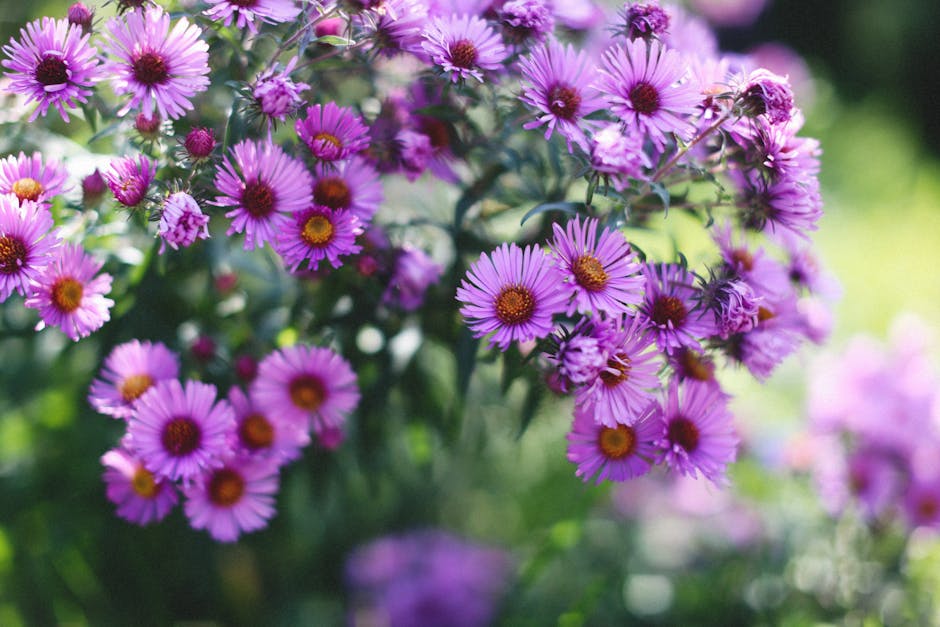
Best Trees and Shrubs for Fall Foliage and Berries
Trees and shrubs are the backbone of any fall landscape, offering dramatic foliage and eye-catching berries.
Japanese Maples are showstoppers, with fiery red and orange leaves that make them perfect focal points. Sugar Maples provide the classic New England charm with brilliant yellows, oranges, and reds. Dogwood and Redbud trees offer gorgeous spring flowers and return for an encore with stunning golden fall foliage.
For winter interest, don’t overlook berries. Beautyberry produces clusters of metallic purple berries, while Winterberry holly holds bright red berries through winter, creating a stunning contrast against snow and feeding local birds.
Fall is the perfect time to plant. Cooler air, warm soil, and autumn rains create ideal conditions for root establishment, preparing your new trees and shrubs for vigorous spring growth. Learn more about fall plantings in your area.
Perennials and Grasses that Shine in Autumn
While trees provide the backdrop, perennials and grasses add texture, movement, and detail.
Chrysanthemums (mums) are the queens of fall, offering instant color in nearly every shade. Mass them in beds or use them in containers for a welcoming autumn display. Asters add a delicate touch with daisy-like flowers in purples, pinks, and whites, and they are a magnet for late-season pollinators. Sedum ‘Autumn Joy’ is a triple threat: its flower heads transition from green to pink to russet red, all while feeding bees and butterflies.
Black-Eyed Susans continue the show with their sunny yellow flowers, while ornamental grasses add soft texture and movement, catching the autumn light beautifully. For immediate and long-lasting color, you can’t beat pansies and violas. These cool-weather champions can handle frost and often bloom through mild winter days. Find colorful mums for your porch.
Creative Fall Container Ideas
Containers are instant garden magic, bringing fall landscape ideas right to your front door or patio. The secret to stunning fall containers is mixing different textures and heights for a rich, layered look.
Combine hardy succulents like echeveria for architectural interest with the ruffled textures of ornamental kale and cabbage. Add traditional mums in warm hues and small ornamental grasses for height and movement. The contrast between soft grasses and structured succulents creates fantastic visual interest.
When choosing containers, think about durability. Ceramic pots can crack in freezing temperatures. Consider moving tender plants like hardy succulents indoors before a hard frost, where they can serve as houseplants. Successful fall containers rely on sturdy pots and plants that enjoy cooler weather, ensuring they look great as the season progresses. See our portfolio for container inspiration.
Create a Cozy Oasis: Hardscaping and Decor for Fall Evenings
As the air turns crisp, the right hardscaping and decor can transform your yard into a cozy autumn retreat, extending your outdoor living season well into the cooler months.
Incorporate Hardscaping to Improve Fall Curb Appeal
As foliage fades, hardscaping elements like stone pathways, retaining walls, and paver patios provide essential structure and year-round appeal. Fall is an ideal time for these projects, as the cooler weather makes the work more comfortable.
- Stone pathways create natural flow and look charming when lined with fall-blooming plants.
- Retaining walls manage slopes and prevent erosion while creating beautiful tiered planting areas to showcase your fall landscape ideas.
- Paver patios provide a perfect foundation for outdoor entertaining, especially with a fire pit. Based on internet data, paver patios typically range from $10 to $25 per square foot for basic installations, though premium materials and intricate designs can push costs to $75 per square foot or higher. These are average costs, and actual costs for Boston Landscape Co. services will vary based on your specific project needs.
Successful hardscaping depends on proper installation, including base preparation, good drainage, and accounting for the Massachusetts frost line to prevent shifting. These elements improve your property’s beauty, help with erosion control, and create more usable outdoor space. Explore our hardscaping services.
Creative Fall Landscape Ideas for Outdoor Decor
Fall decorating is about celebrating nature’s abundance to create a warm, welcoming atmosphere. The best fall landscape ideas for decor use what the season naturally provides.
- Pumpkins and gourds are affordable, versatile stars of fall decor. Mix different sizes, colors, and textures. A creative trick is to make “mumpkins” by hollowing out pumpkins and using them as planters for mums (be sure to drill a drainage hole).
- Corn stalks and hay bales add a rustic harvest feel. Frame your door with corn stalks or use hay bales as pedestals for pumpkin displays. Place a tarp under hay bales on your lawn to prevent grass damage.
- Natural wreaths made from grapevine, dried hydrangeas, colorful leaves, or evergreen sprigs add a personal touch.
- Decorative accents like an obelisk or trellis can become focal points, while old wheelbarrows or wooden crates can be repurposed into charming vignettes.
These natural elements let your personality shine while creating a quintessential fall atmosphere. Get inspired by our fall decor ideas.
Designing a Cozy Outdoor Living Space
The secret to enjoying your outdoor space in the fall is creating areas that feel comfortable as temperatures drop.
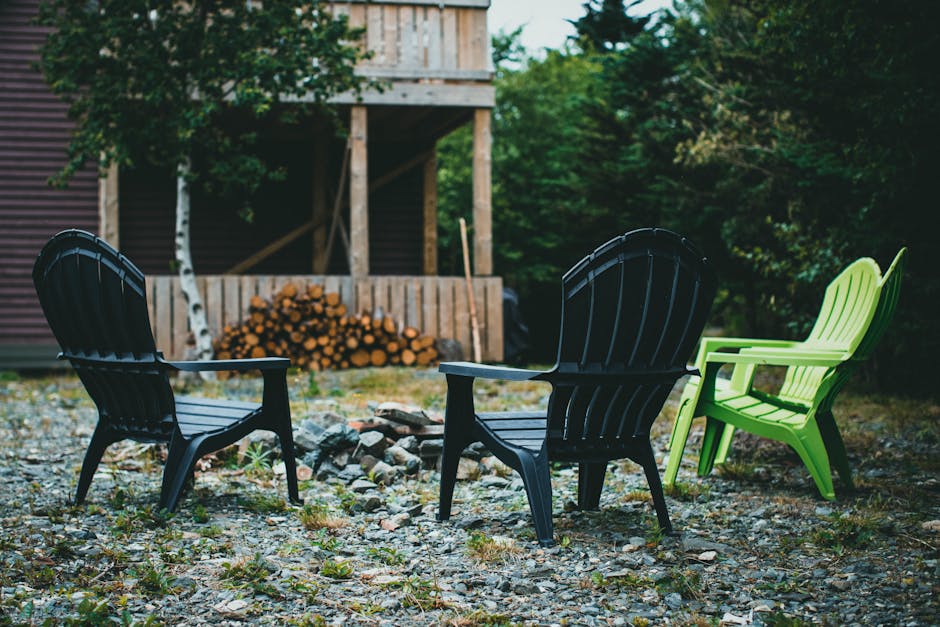
A fire pit is the heart of a fall outdoor space, perfect for gathering on crisp evenings. Whether wood-burning or gas, it provides warmth and a glowing focal point. Outdoor seating like weather-resistant Adirondack chairs or a full patio set invites people to relax. Add cozy touches like soft throw blankets and weatherproof cushions.
As days get shorter, lighting is key. String lights create a magical atmosphere when draped over a pergola or through trees. Decorative lanterns, especially solar-powered ones, add ambient light and improve safety along pathways. Together, these elements create an oasis where you can comfortably enjoy the fall season.
Prepare for a Vibrant Spring: Essential Fall Landscape Ideas and Tasks
Fall isn’t just about enjoying the present—it’s your golden opportunity to set up next year’s garden for success. These forward-thinking fall landscape ideas will save you time and effort when warmer weather returns.
Sustainable Fall Garden Cleanup
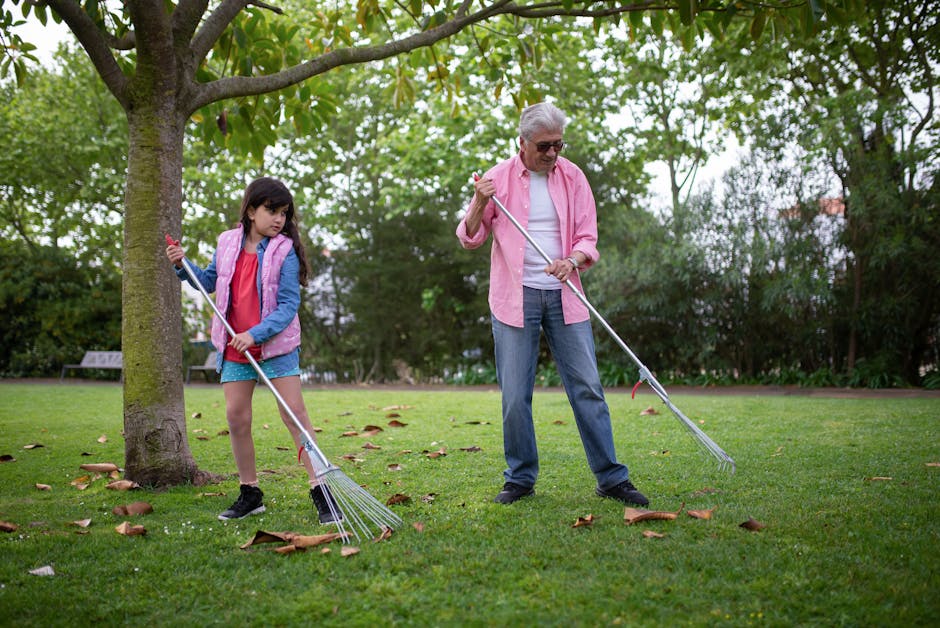
A thoughtful fall cleanup works with nature to create a healthier landscape.
- Compost Leaves: Fallen leaves are “brown gold” for your garden. Instead of bagging them, shred and compost them to create a nutrient-rich soil amendment for spring.
- Mulch Garden Beds: After a light frost, spread a 2- to 4-inch layer of mulch to insulate roots, retain moisture, and suppress weeds.
- Leave Seed Heads: Don’t deadhead everything. Seed heads on plants like coneflowers and ornamental grasses provide crucial winter food for birds and add architectural interest to the winter landscape.
- Prune & Maintain: Remove dead or damaged branches to prevent them from becoming hazards in winter snow and ice. Clean, sharpen, and store your garden tools, and disconnect and drain hoses to prevent freeze damage. Learn about our fall clean-up yard services.
Winter Lawn Preparation for Healthy Spring Growth
Your spring lawn’s success story begins in the fall. Autumn is the perfect time for strategic lawn care as grass roots continue to grow until the soil freezes.
- Aerate: Loosen compacted soil to allow water, air, and nutrients to reach the root zone.
- Fertilize: Use a fall fertilizer blend to promote the strong root development needed to survive winter.
- Final Mow: Cut the grass to about 1.25 inches to discourage disease and prevent matting from leaves.
- Overseed: Fill in bare spots by overseeding in the fall, taking advantage of cooler temperatures and natural rainfall for germination.
- Acorn Cleanup: Regularly rake or sweep up acorns to prevent them from smothering grass and creating slip hazards.
Planting for Next Season
Fall planting is an investment in your spring garden, taking advantage of cool air and moist soil.
- Plant Spring-Blooming Bulbs: Bulbs like daffodils, tulips, and hyacinths must be planted now to get the winter chill they need to bloom in spring.
- Divide Perennials: Refresh and relocate overcrowded perennials several weeks before a hard frost.
- Plant Trees and Shrubs: Planting in fall gives new trees and shrubs months to develop strong root systems before the stress of summer heat, setting them up for long-term success.
Extend Your Harvest: Planting a Fall Vegetable Garden
Who says gardening ends after summer? With the right fall landscape ideas, you can extend your harvest well into autumn, enjoying fresh produce from your own backyard.
Best Fall Vegetables to Plant
Many cool-season vegetables prefer autumn’s milder temperatures, often becoming sweeter and more flavorful after a light frost.
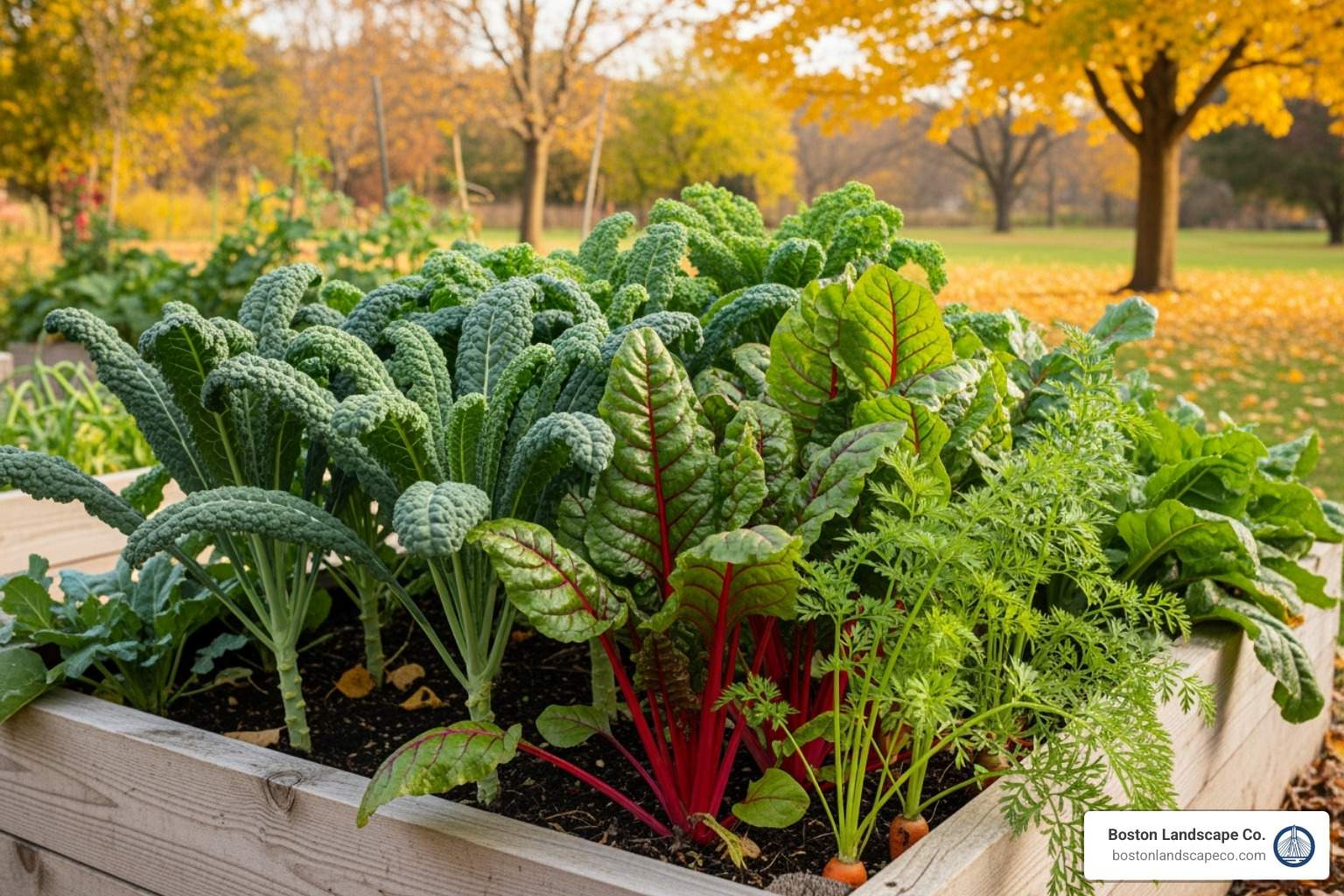
Leafy greens are the superstars of fall. Spinach and kale thrive in cool weather, with kale becoming sweeter after a frost. Colorful Swiss chard makes your vegetable patch as beautiful as a flower bed. These crops grow quickly and can be harvested young for tender salads. Shop kale seeds.
Root vegetables are another excellent choice. Carrots develop incredible sweetness as the soil cools, and fast-growing radishes can be ready in as little as 30 days. Cabbages, both ornamental and edible, provide hearty nutrition and can withstand significant cold, perfect for fall soups and slaws.
Tips for a Successful Fall Harvest
A thriving fall vegetable garden requires slightly different timing and techniques, but the rewards are well worth it.
- Timing is Crucial: Plant cool-season crops in late August or early September, depending on your area’s first frost date, to give them time to mature.
- Harvest Young: For the most tender vegetables, harvest baby spinach and young kale leaves. You can often harvest outer leaves while the plant center continues to grow.
- Use Frost Protection: This is one of the most valuable fall landscape ideas for vegetable gardeners. Row covers and cold frames create a microclimate that can extend your growing season by weeks, sometimes allowing for harvests into early winter.
- Water Consistently: Even with cooler temperatures, your vegetables need adequate moisture to develop properly. Check the soil regularly and water deeply when needed.
Frequently Asked Questions about Fall Landscaping
Over our three decades of helping Greater Boston homeowners, we’ve noticed the same questions about fall landscape ideas come up again and again. Here are the answers to the most common ones.
When is the best time to plant trees, shrubs, and perennials in the fall?
The ideal time is early fall, from mid-September through mid-October in Massachusetts. You should get plants in the ground at least six weeks before the ground freezes. This timing is perfect because cooler air reduces transplant shock, while the soil is still warm enough for active root growth. Plentiful fall rain also helps plants establish before winter.
What are some low-maintenance fall landscape ideas?
For maximum beauty with minimal fuss, focus on these fall landscape ideas:
- Hardy Groundcovers: Plants like sedum and creeping thyme spread to cover ground, suppress weeds, and provide seasonal color and texture with little effort.
- Native Plants: Plants adapted to our New England climate require less water, fertilizer, and pest control. Many native shrubs and perennials, like winterberry, offer fantastic fall foliage and berries that support local wildlife.
- Strategic Mulching: A 2-3 inch layer of mulch applied in the fall suppresses weeds, retains moisture, and insulates plant roots, saving you time and work in the spring.
- Choose Plants for Your Zone: Selecting plants rated for our local USDA zones (typically 5b or 6a) ensures they will survive the winter without special protection.
What are the main benefits of planting and landscaping in the fall?
Fall landscaping offers several unique advantages:
- Reduced Plant Stress: Cooler air temperatures allow plants to focus energy on root development instead of surviving summer heat.
- Favorable Soil Conditions: Warm soil and increased rainfall create the perfect environment for establishing strong root systems.
- Fewer Pests and Diseases: Pest and disease pressure is lower in the fall, giving new plants a healthier start.
- End-of-Season Sales: Nurseries often discount plants to clear inventory before winter, saving you money.
- A Head Start on Spring: Plants established in the fall are ready for vigorous growth as soon as warm weather returns, resulting in a more mature-looking landscape sooner.
Conclusion
As the air turns crisp, it’s clear that fall is a season brimming with fall landscape ideas and incredible opportunities for your outdoor space. It offers the perfect trifecta of planting, decorating, and preparing for the year ahead.
Throughout this guide, we’ve explored how you can add vibrant Japanese maples, create a cozy fire pit area, or get a head start on spring by planting daffodil bulbs. The beauty of autumn landscaping is its dual nature: you get immediate gratification from fall-blooming asters and mums while investing in your landscape’s future by aerating your lawn or composting fallen leaves.
Fall is a forgiving season for landscaping. The cooler temperatures reduce stress on new plantings, and autumn rains often handle the watering for you. At Boston Landscape Co., we have over three decades of experience helping New England homeowners make the most of every season. Our team understands the unique rhythms of Massachusetts weather and can guide you toward the fall landscape ideas that will work best for your property.
Whether you’re planning a complete landscape change or adding a few seasonal touches with pumpkins and hay bales, we’re here to help you create an outdoor space that brings joy year-round. Don’t let another autumn slip by. Request an estimate for your fall landscaping project and let’s create something beautiful together.
