Artificial Turf Installation Near Me: Top 5 Best Picks
Artificial turf installation near me offers a convenient, attractive, and low-maintenance solution for changing any outdoor space. Whether you’re a homeowner or manage a commercial property, synthetic grass provides several benefits including remarkable drought tolerance and minimal upkeep. These features make it an eco-friendly alternative to natural grass, especially in areas like the Greater Boston area where water conservation is a growing concern.
Here are the key advantages of opting for artificial turf:
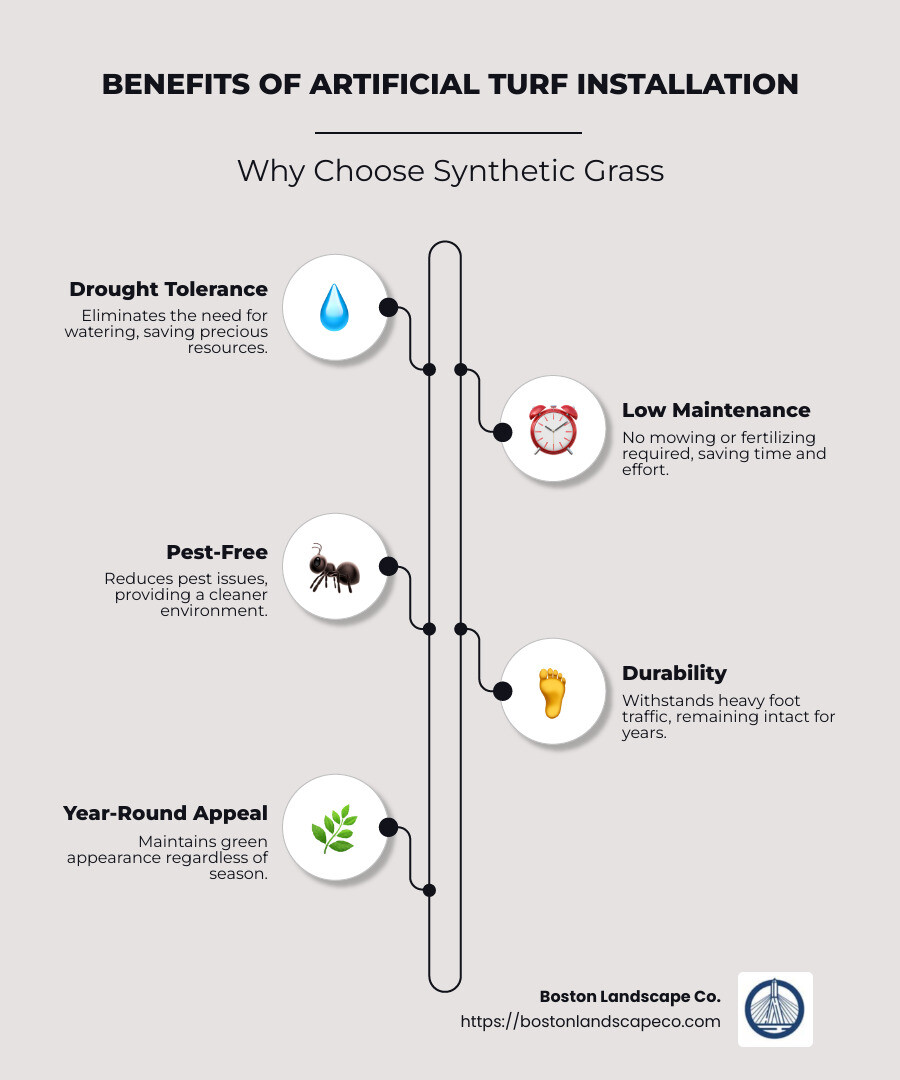
- Drought Tolerance: Does not require watering, making it perfect for water-scarce environments.
- Low Maintenance: No need to mow, fertilize, or deal with pests.
- Year-Round Appeal: Maintains its lush appearance regardless of the season.
I’m Steve Schumacher, with over three decades of experience in landscaping, including artificial turf installation near me. My expertise ensures that your project will be handled with utmost professionalism and attention to detail, enhancing the beauty and functionality of your outdoor space.
Common artificial turf installation near me vocab:
– how to install artificial lawn turf
– replace lawn with artificial turf
– fake grass installation
Understanding Artificial Turf and Its Benefits
Choosing artificial turf is a game-changer for those looking to create a beautiful, hassle-free outdoor area. Here’s why:
Water Conservation
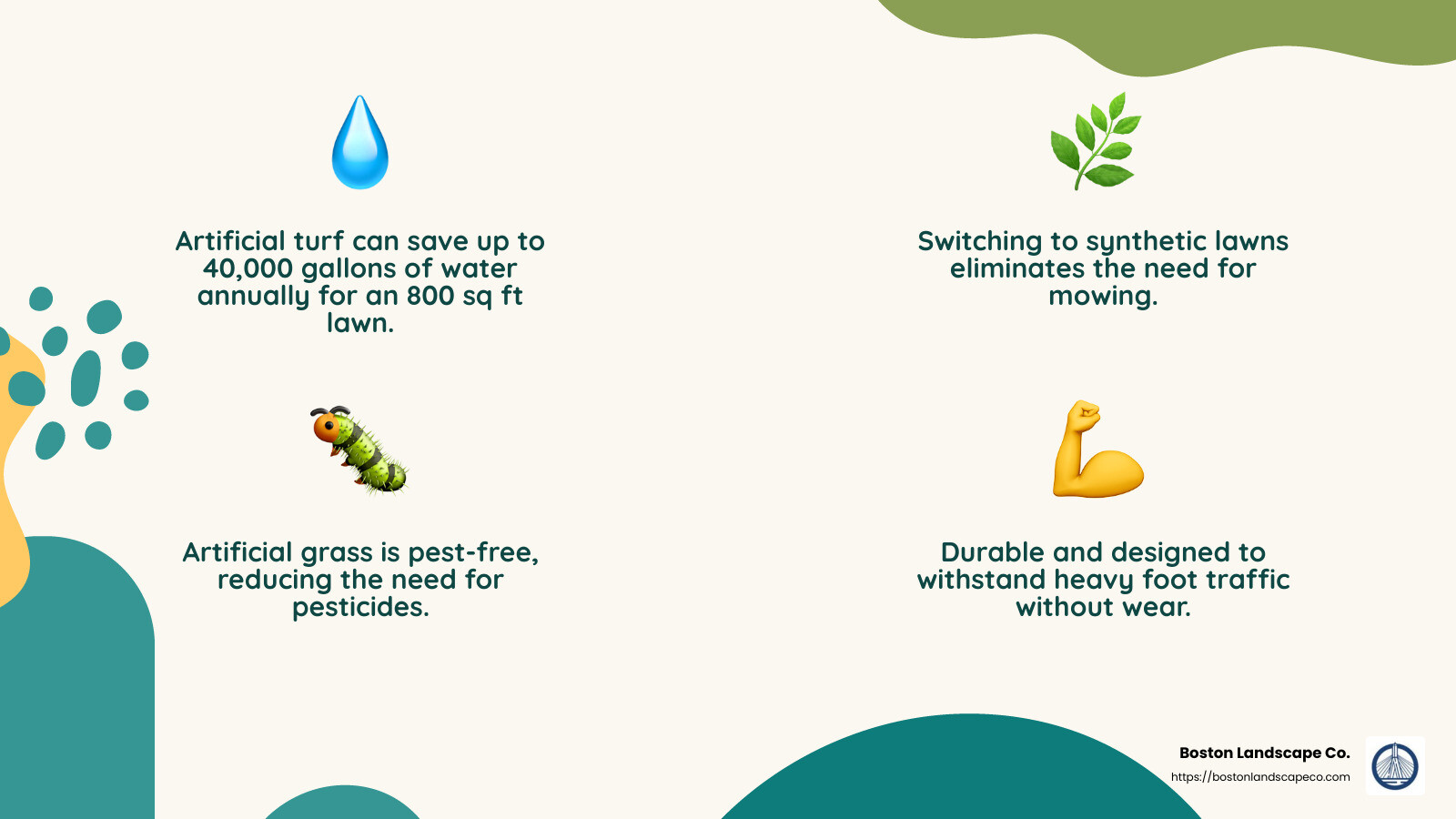
One of the most significant benefits of artificial turf is its ability to save water. Unlike natural grass, which requires regular watering to stay green, synthetic lawns need no water at all. In areas like Boston, where water conservation is crucial, this can result in substantial savings. In fact, using artificial turf can save up to 40,000 gallons of water per year for an 800 square foot lawn. This makes it an environmentally friendly choice for those concerned about water usage.
No Mowing
Say goodbye to weekends spent mowing the lawn. Artificial turf eliminates the need for mowing, freeing up your time for more enjoyable activities. This not only saves you time but also cuts down on noise pollution and fuel consumption associated with traditional lawn maintenance.
Pest-Free
Artificial turf is a great option for keeping pests at bay. Unlike natural grass, which can harbor insects and pests, synthetic lawns do not provide a suitable environment for these nuisances. This means you can enjoy your outdoor space without worrying about bugs ruining your experience. Plus, you won’t need to use harmful pesticides, making it a safer option for families and pets.
Durability
Artificial turf is designed to withstand heavy use, making it perfect for families with kids or pets. It’s built to endure wear and tear from foot traffic, play equipment, and even enthusiastic pets. The materials used in synthetic grass are often made from durable, recycled materials, ensuring that your lawn looks great for years to come.
By choosing artificial turf, you’re not only investing in a beautiful and low-maintenance lawn but also contributing to a more sustainable and eco-friendly lifestyle. Up next, we’ll explore how to choose the right artificial turf for your needs, focusing on texture, color variation, and other key factors.
How to Choose the Right Artificial Turf
Selecting the perfect artificial turf involves more than just picking a shade of green. Here’s what you need to know about texture, color variation, blade length, and infill options to make the best choice for your outdoor space.
Texture
The texture of artificial turf plays a crucial role in how natural it feels underfoot. Polyethylene is a popular choice for its soft, comfortable feel, making it ideal for areas where you might walk barefoot or where kids play. Meanwhile, nylon offers a more durable option, perfect for high-traffic areas, though it can feel a bit stiffer.
Color Variation
Gone are the days when artificial grass looked like a green carpet. Modern options mimic the natural variations found in real grass. High-quality turf features a mix of green shades, with some blades appearing slightly brown or yellow to replicate the natural look of a living lawn. This variation is key to achieving a realistic appearance that blends seamlessly with your landscape.
Blade Length
Blade length affects both the look and maintenance of your artificial turf. Shorter blades (around 1.5 inches) offer a freshly mowed look and are easier to clean, making them ideal for high-traffic areas or pet zones. Longer blades (2 inches or more) provide a lush, soft feel, perfect for creating a luxurious lawn aesthetic.
Infill Options
Infill is essential for keeping turf blades upright and providing cushioning. Common infill materials include:
- Sand: Affordable and suitable for most applications, providing stability and support.
- Rubber crumb: Offers excellent cushioning, beneficial for sports fields or play areas.
- Antimicrobial infill: Ideal for pet areas, as it helps control odors and bacteria.
Choosing the right infill depends on your specific needs—whether you prioritize comfort, durability, or hygiene.
By understanding these elements, you can select the right artificial turf that not only meets your aesthetic preferences but also fits your lifestyle and usage needs. Up next, we’ll dive into what to expect during the artificial turf installation near me process, covering everything from site preparation to turf laying.
Artificial Turf Installation Near Me: What to Expect
When you’re ready to transform your outdoor space with artificial turf, knowing what to expect during the installation process is key. Here’s a straightforward guide to help you understand each step, from site preparation to seaming.
Site Preparation
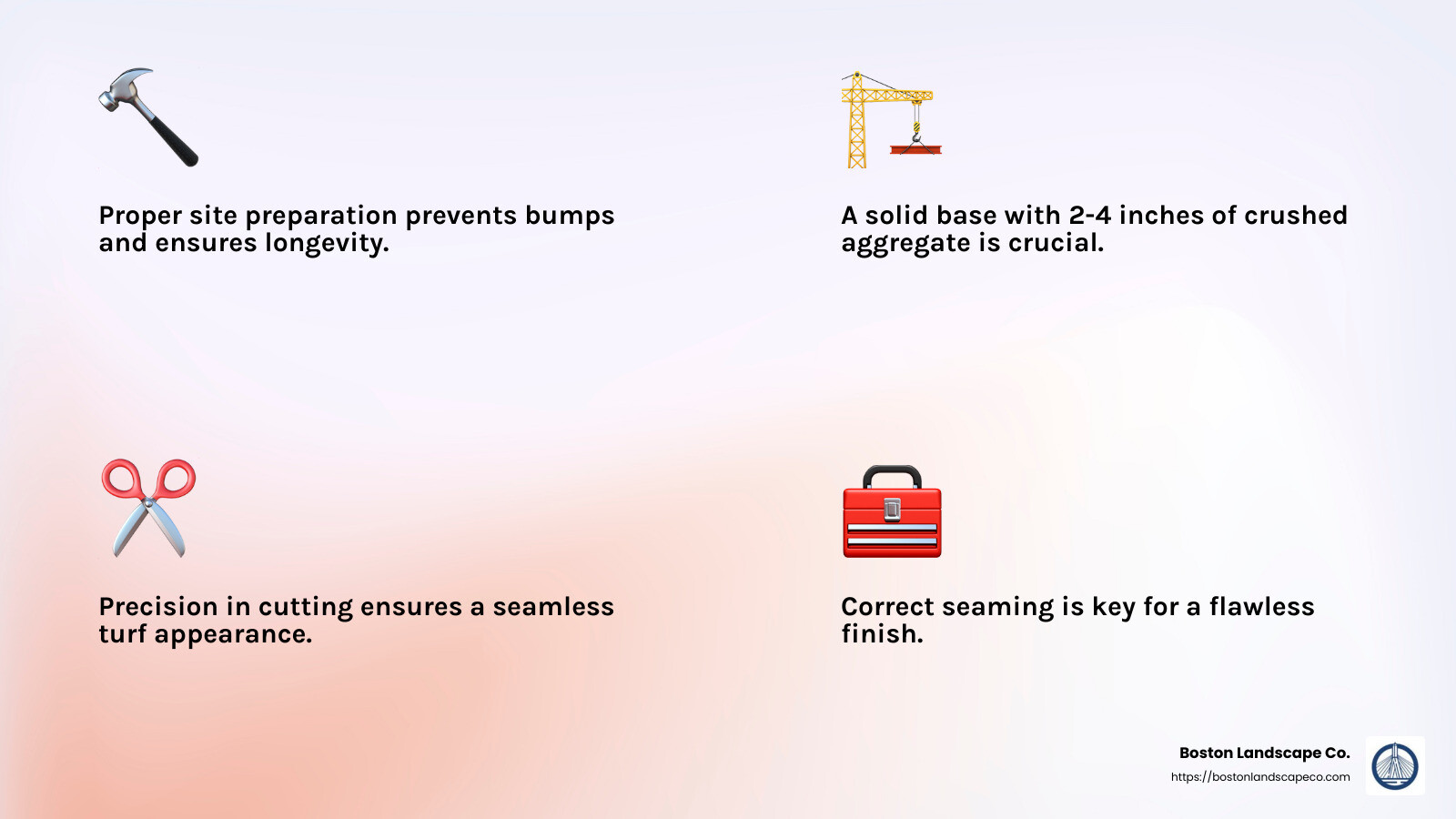
The first step in the installation process is preparing your site. This involves clearing the area of any existing grass, rocks, and debris. A clean, even surface ensures that your artificial turf lays flat and looks great.
Pro Tip: For the best results, dig up and remove the top four inches of soil. This helps create a stable base for your new lawn.
Base Construction
Next is constructing the base. A solid base is crucial for proper drainage and to prevent future bumps. Spread a layer of crushed aggregate, like decomposed granite, to create a firm foundation.
- Step 1: Spread 2-4 inches of aggregate evenly.
- Step 2: Use a compactor to level the base and remove air pockets.
Did You Know? A well-constructed base can make all the difference in the longevity and performance of your turf.
Turf Laying
Once the base is ready, it’s time to lay the turf. Roll out your artificial grass over the prepared area. If you’re using multiple pieces, ensure the blades are all facing the same direction for a natural look.
- Cutting: Use a sharp carpet knife to trim the turf to fit your space perfectly.
Quick Tip: Take your time with this step. Precision in cutting and laying will pay off in a seamless, professional appearance.
Seaming
For larger areas, you’ll likely need to seam multiple pieces of turf together. This is the trickiest part, but it’s crucial for a flawless finish. Use seam tape and adhesive to join the pieces securely.
- Seam Tape: Place it between the turf pieces and press down firmly.
- Nails: Secure the edges with galvanized nails every 4-6 inches along the perimeter.
Note: If you’re unsure about seaming, consider hiring a professional. Incorrect seaming can lead to visible lines and uneven surfaces.
By understanding these steps, you can prepare for a smooth installation process. Up next, we’ll explore how to select the best installer for artificial turf near you, focusing on experience, portfolio, and customer reviews.
Selecting the Best Installer for Artificial Turf Near Me
When it comes to finding the right installer for your turf project, several factors can help ensure a successful outcome. Here’s what to consider:
Experience
Experience is a key indicator of quality. Look for installers with a proven track record in the industry. Companies like Boston Landscape Co., with years of expertise, understand the nuances of different projects, from residential lawns to commercial spaces.
Why Experience Matters:
– Skilled handling of complex installations
– Understanding of local climate and soil conditions
– Ability to troubleshoot unexpected challenges
Portfolio
A strong portfolio showcases an installer’s capabilities. Reviewing past projects gives you a sense of their style and attention to detail. Ideally, the installer should have experience with projects similar to yours.
What to Look for in a Portfolio:
– Variety of project types (e.g., playgrounds, pet areas)
– High-quality finishes and seamless appearances
– Innovative designs that fit different spaces
Customer Reviews
Customer feedback provides insight into an installer’s reliability and professionalism. Check online reviews and testimonials to gauge satisfaction levels among previous clients.
Key Aspects to Consider:
– Timeliness and efficiency of project completion
– Quality of communication and customer service
– Overall satisfaction with the final result
Installation Warranty
A good warranty is a sign of confidence in the installer’s work. It protects your investment by covering potential issues that might arise post-installation.
Benefits of a Strong Warranty:
– Peace of mind knowing your turf is protected
– Assurance of quality materials and workmanship
– Support for repairs or adjustments if needed
By focusing on these factors, you can find a reliable installer for your “artificial turf installation near me“. Next, we’ll address some frequently asked questions about artificial turf installation to help you make informed decisions.
Frequently Asked Questions about Artificial Turf Installation
Is it cheaper to lay turf or artificial grass?
When deciding between natural turf and artificial grass, cost is a significant factor. While the initial installation of artificial turf can be more expensive than laying natural grass, it often proves more economical in the long run.
Here’s why:
- Maintenance Savings: Artificial grass eliminates the need for regular watering, mowing, and fertilizing, saving you both time and money.
- Durability: Quality artificial turf can last over a decade with minimal upkeep, whereas natural grass might need frequent reseeding and care.
- Water Conservation: With no watering required, artificial turf is ideal for areas with water restrictions, providing significant savings on water bills.
According to research, some municipalities have found that natural grass fields can be more cost-effective over time due to the high costs of maintaining and replacing artificial turf fields. However, these studies often depend on specific use cases and assumptions, such as increased usage hours for artificial fields.
What is the best artificial grass for specific climates?
Choosing the right artificial grass for your climate is crucial for optimal performance and longevity.
- Hot Climates: Look for UV-resistant turf that can withstand prolonged sun exposure without fading or degrading.
- Cold Climates: Opt for turf with a strong backing to endure freeze-thaw cycles. Some products are specifically designed to handle colder temperatures without damage.
- Wet Climates: Ensure the turf has excellent drainage capabilities to prevent water pooling and mold growth.
High-quality artificial grass products now mimic the look and feel of natural grass, ensuring year-round beauty regardless of the climate.
Is there a difference between artificial turf and artificial grass?
The terms “artificial turf” and “artificial grass” are often used interchangeably, but they can refer to slightly different products depending on the context.
- Artificial Turf: Typically used in sports and athletic fields. It’s designed for durability and performance with a focus on resilience under heavy use.
- Artificial Grass: Often used for residential and commercial landscaping. It prioritizes aesthetics, resembling natural grass in texture and color.
Both options offer benefits like low maintenance and water savings, but selecting the right type depends on your specific needs and application.
By understanding these differences, you can make a more informed choice for your “artificial turf installation near me.” Next, we’ll explore sustainable landscaping options available through Boston Landscape Co.
Conclusion
Sustainable landscaping is more important than ever. As we face increasing environmental challenges, choosing eco-friendly options for our outdoor spaces can make a significant impact. Artificial turf is a prime example of sustainable landscaping, offering numerous benefits such as water conservation, reduced maintenance, and long-lasting durability.
At Boston Landscape Co., we are committed to providing top-quality artificial turf solutions that improve the beauty and functionality of your outdoor spaces. Our expertise in residential and commercial landscaping ensures that your installation will meet the highest standards of quality and safety. With our comprehensive range of services, we tailor each project to suit your specific needs, whether it’s a lush lawn for your home or a robust surface for a commercial property.
Choosing artificial turf with Boston Landscape Co. means investing in a sustainable future. Our products are designed to mimic the look and feel of natural grass while offering the practical advantages of reduced water use and minimal maintenance. This makes them ideal for areas with water restrictions or those looking to lower their environmental footprint.
Ready to transform your landscape with sustainable solutions? Contact Boston Landscape Co. today to explore how we can help you achieve a beautiful, eco-friendly outdoor space. Let us guide you through the process of finding the perfect “artificial turf installation near me” and experience the benefits of sustainable landscaping firsthand.