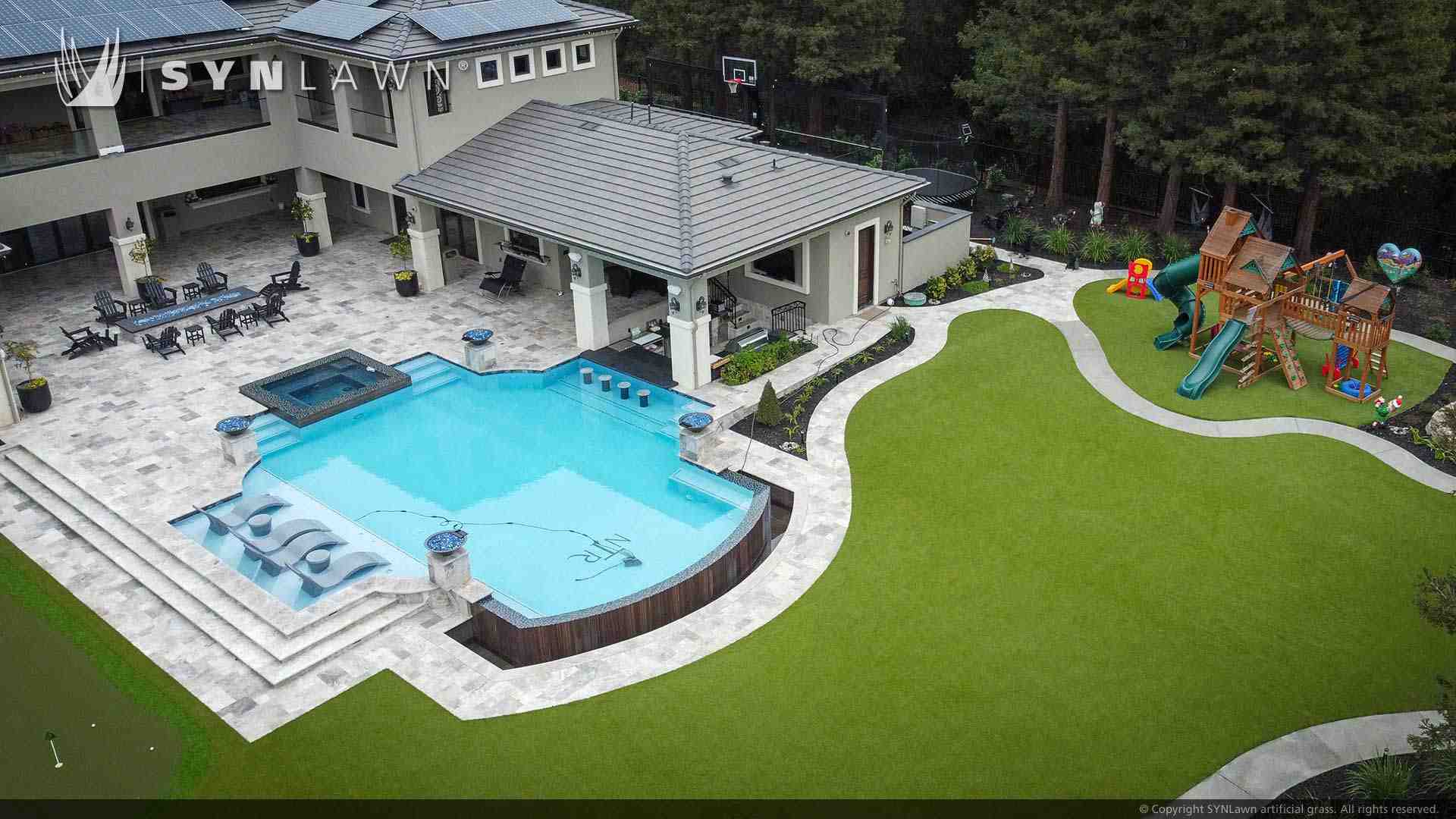
Artificial Turf for Residential Lawns: Top 7 Benefits in 2024
Find the Benefits of Artificial Turf for Residential Lawns
When it comes to enhancing your home’s curb appeal and usability, artificial turf for residential lawns offers a go-to solution. Whether you are a busy homeowner or a commercial property manager looking for hassle-free lawn maintenance, here’s what you need to know:
Key Takeaways:
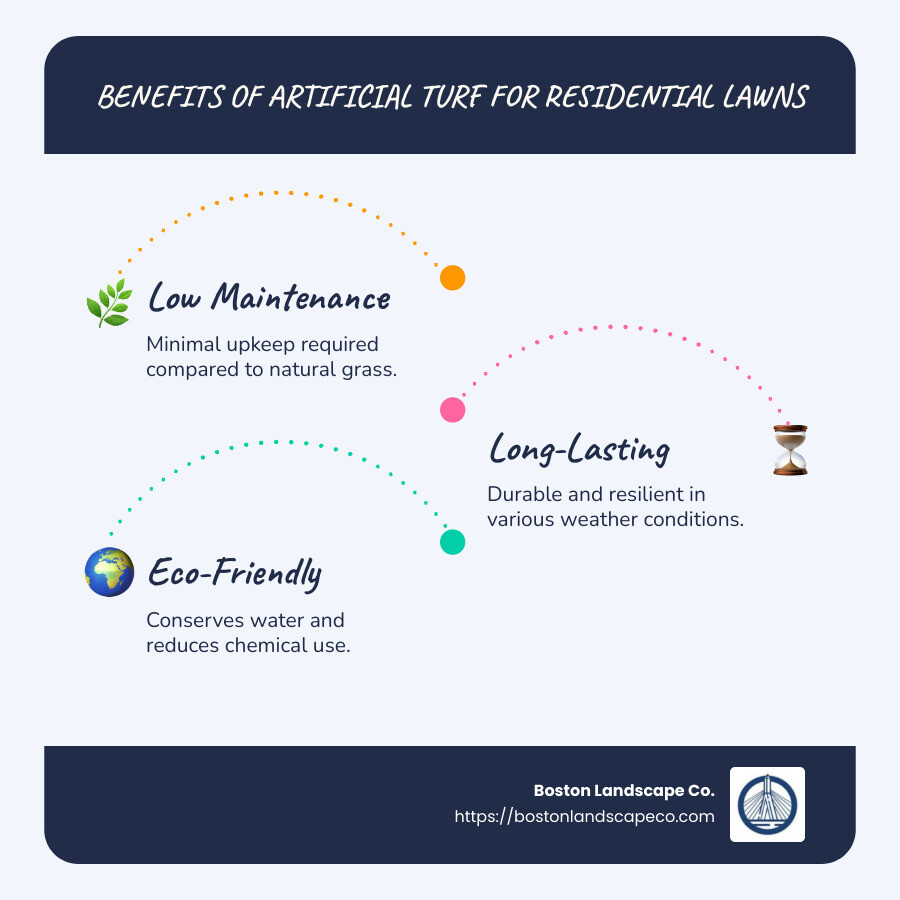
– Low Maintenance: Minimal upkeep compared to natural grass.
– Long-Lasting: Durable and resilient to various weather conditions.
– Eco-Friendly: Conserves water and reduces the use of chemicals.
– Aesthetically Pleasing: Always looks lush and green, no matter the season.
Benefits:
Artificial turf presents several advantages over natural grass. It eliminates the need for mowing, watering, and fertilizing, making it an eco-friendly option. You also save on long-term costs and maintenance efforts.
Considerations:
While the initial installation costs for artificial turf can be higher, the investment pays off through durability and reduced maintenance. Furthermore, think about the specific application—whether for pet areas, playgrounds, or general landscaping—and select a turf that meets those needs.
My name is Steve Schumacher, and with over three decades of experience in the landscaping industry, I’ve seen how artificial turf for residential lawns can transform outdoor spaces into beautiful, low-maintenance oases.
Next, let’s dig into understanding more about the qualities and choices of artificial turf available for residential lawns.
Key terms for artificial turf for residential lawns:
– Artificial Turf Lawns
– artificial grass cost
– how to install artificial lawn turf
Understanding Artificial Turf for Residential Lawns
When selecting artificial turf for residential lawns, there are three key aspects to consider: materials, durability, and aesthetics. Let’s break these down to help you make an informed decision.
Materials
Artificial turf is composed of synthetic fibers designed to look like natural grass. Typically, it consists of three main components:
- Grass Blades: Made from polyethylene, polypropylene, or nylon. Polyethylene is the most common due to its balance of softness and durability.
- Backing Material: This is where the grass blades are stitched. It often includes a primary backing for tuft binding and a secondary layer for additional strength.
- Infill: Materials like sand or crumb rubber are spread between the blades to provide stability, cushioning, and support.
Durability
Artificial turf is known for its resilience and long lifespan. Here’s why:
- Weather Resistance: Unlike natural grass, synthetic turf can withstand extreme weather conditions without deteriorating.
- High Traffic Areas: It holds up well in areas with heavy use, such as playgrounds and sports fields. According to industry sources, some artificial lawns can last over a decade with minimal maintenance.
- Low Wear and Tear: Modern artificial turfs are designed to resist wear and tear, making them an excellent investment for long-term use.
Aesthetics
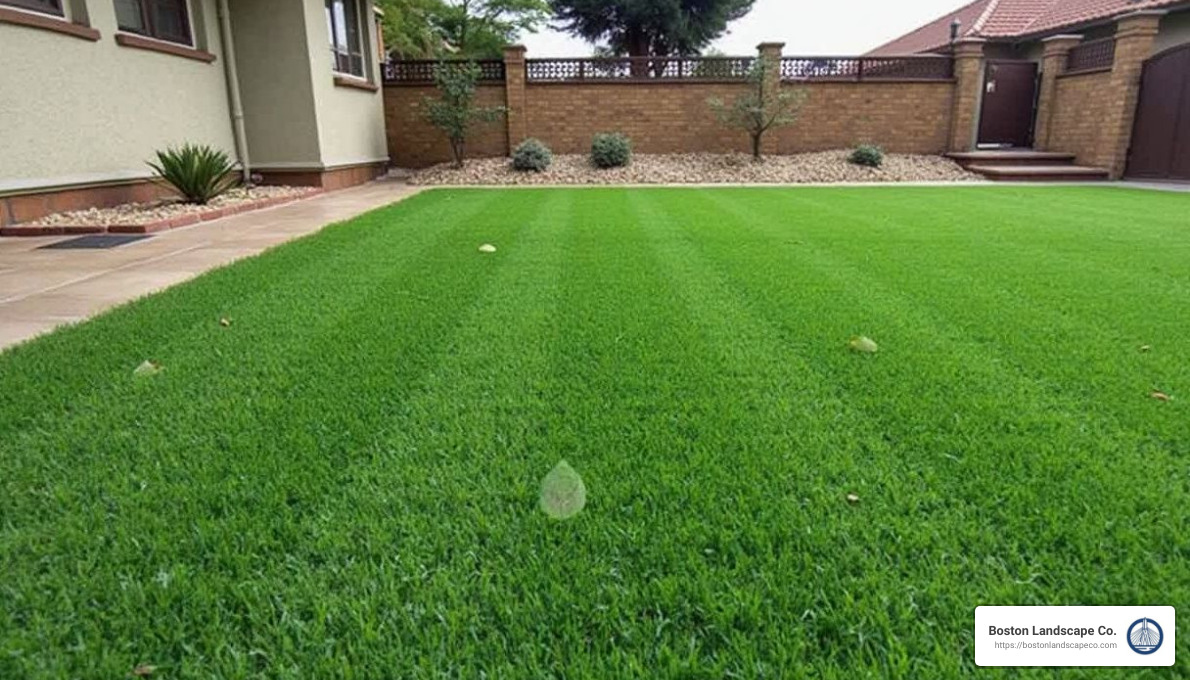
One of the standout features of artificial turf is its ability to maintain a lush, green appearance all year round. Here are some aesthetic considerations:
- Realistic Look: High-quality turf mimics the look and feel of natural grass so closely that it’s often hard to tell the difference without close inspection.
- Color Options: Available in various shades of green to match your preference. Some products even blend different colors for a more natural look.
- Pile Height: The height of the grass blades can vary, typically ranging from 20mm to 50mm. Shorter piles are ideal for play areas, while longer piles give a more luxurious lawn appearance.

Case Study: New York City Rooftop Gardens
In New York City, artificial turf has become a popular choice for rooftop gardens. Urban residents appreciate its minimal maintenance and great performance. Landscape designers integrate turf into courtyards, walkways, and other small areas to bring more green space into the city.
“Artificial turf has transformed our rooftop into a year-round green oasis. It’s safe for our kids and pets, and we love the low maintenance!” – NYC Resident
By understanding the materials, durability, and aesthetics of artificial turf, you can select the best option for your home. Next, we’ll dive into the installation process to ensure your turf looks perfect from day one.
Installation Process
Installing artificial turf for residential lawns involves several key steps. Let’s break them down to ensure your lawn looks perfect from day one.
Preparation
Proper preparation is crucial for a smooth installation. Here’s how to get started:
- Clear the Area: Remove any existing grass, rocks, and debris. This ensures a clean base for your turf.
- Soil Test: Conduct a soil test to understand nutrient levels and pH balance. This can guide any necessary soil amendments.
- Improve Drainage: Ensure the soil is well-drained and loose. You might need to amend it with compost or organic matter.
Tip: Use a dump trailer to manage soil disposal efficiently.
Laying Techniques
Once the site is prepared, it’s time to lay the turf. Follow these steps for a professional finish:
- Base Layer: Spread a 2- to 4-inch layer of crushed aggregate, like decomposed granite (DG), over the area. This helps with drainage and provides a stable foundation.
- Level the Base: Use a water sod roller to flatten and level the base. Ensure the finished grade is slightly below the surrounding area to prevent water pooling.
- Roll Out the Turf: Lay the artificial turf over the prepared base. If using multiple pieces, make sure the blades of grass face the same direction.
- Cut to Fit: Use a carpet knife or box cutter to trim the turf to fit your area precisely.
Pro Tip: Matching and seaming the pieces well is the hardest part of the installation. Consider hiring a professional if you’re not confident.
Seaming
For large areas, you’ll need to join multiple pieces of turf. Here’s how:
- Seam Tape: Use 4 to 6 inches of indoor-outdoor carpet seaming tape to join the pieces.
- Nails and Staples: Attach the turf to the base with 6-inch galvanized nails placed ½ to 1 inch from the edge and every 4 to 6 inches along the perimeter.
Note: Proper seaming ensures a smooth, continuous look.
Infill Application
Infill materials keep the blades standing upright and protect your lawn. Here’s how to apply them:
- Choose Infill: Common infill materials include silica sand, rubber, cork, or Envirofill. Avoid crumb rubber due to health concerns.
- Spread Infill: Use a drop spreader to apply the infill material at a rate of 2 pounds per square foot.
- Brush Infill: Use a soft- to medium-bristled push broom to work the infill into the turf, brushing against the grain.
Pro Tip: Choose a safe infill material like ceramic-coated sand for added safety.
Maintenance
Maintaining your artificial turf is simple and ensures it stays looking fresh and lush:
- Regular Brushing: Brush the turf regularly to keep the blades upright and evenly distribute the infill.
- Remove Debris: Clear leaves, twigs, and other debris to prevent buildup.
- Rinse Occasionally: Rinse the turf with water to remove dust and dirt.
Tip: For pet owners, rinse areas where pets frequently relieve themselves to prevent odors.
By following these steps, you can ensure a successful installation that will look great and last for years.
Next, let’s dive into the cost analysis of artificial turf vs. natural grass to help you make an informed decision.
Cost Analysis of Artificial Turf vs. Natural Grass
When considering artificial turf for residential lawns, it’s important to compare the costs with natural grass. Let’s break down the upfront costs, long-term savings, and potential rebates.
Upfront Costs
Artificial Turf:
– Initial Installation: Installing artificial turf can range from $3,100 to $8,400 for a typical lawn. This includes materials and labor. High-quality turf can cost between $2.50 to $4.00 per square foot.
– Preparation: Costs for clearing the area, base preparation, and infill materials add to the initial expense.
Natural Grass:
– Sod Installation: Laying natural grass sod is cheaper initially, costing between $1,100 and $3,000. This covers sod, soil preparation, and labor.
– Seeding: Seeding is even less expensive, but it requires more time and maintenance to establish a lawn.
Long-term Savings
Artificial Turf:
– Maintenance: Artificial turf requires minimal maintenance. No mowing, watering, or fertilizing is needed, which translates to $0 in yearly maintenance costs.
– Durability: High-quality artificial turf can last between 10 to 20 years. This longevity reduces the need for frequent replacements, making it cost-effective over time.
Natural Grass:
– Watering: Natural grass requires regular watering, which can cost between $400 and $1,000 annually.
– Mowing and Maintenance: Regular mowing, fertilizing, and weed control can add up to $1,235 to $4,200 per year.
– Re-sodding: Natural grass may need re-sodding every few years, especially in high-traffic areas.
Rebates
Many regions offer rebates for installing water-saving landscaping solutions like artificial turf. For example:
- Water Savings: Artificial turf can save up to 70% on water usage. Some water districts offer rebates for reducing water consumption.
- Environmental Incentives: Certain areas provide rebates for eco-friendly landscaping that reduces the carbon footprint.
Pro Tip: Check with your local water district or environmental agency to see if you qualify for any rebates or incentives.
Cost Comparison Table
| Cost Factor | Artificial Turf | Natural Grass |
|---|---|---|
| Initial Installation | Higher ($3,100-$8,400) | Lower ($1,100-$3,000) |
| Watering | None | High ($400-$1,000/year) |
| Maintenance | Minimal | High ($1,235-$4,200/year) |
| Lifespan | 10-20 years | Seasonal replanting |
| Rebates | Available in some areas | Rare |
In conclusion, while the upfront cost for artificial turf is higher, the long-term savings on maintenance and water make it a cost-effective option. Plus, the potential rebates can help offset the initial investment.
Next, let’s explore the environmental impact and safety considerations of artificial turf.
Environmental Impact and Safety
When choosing artificial turf for residential lawns, it’s crucial to consider its environmental impact and safety. Let’s dive into key factors like non-biodegradability, heat absorption, and pet safety.
Non-biodegradable
Artificial turf is made from non-biodegradable materials, which means it doesn’t decompose naturally. Over time, this can contribute to landfill waste. While some synthetic turfs use recycled materials, like old car tires, the overall production and disposal process still pose environmental concerns.
Fact: Synthetic turf doesn’t break down, so it will eventually end up in a landfill. This is similar to using disposable plates instead of reusable ones—convenient but not always eco-friendly.
Heat Absorption
Artificial turf can get significantly hotter than natural grass. This is because the plastic fibers and infill materials absorb and retain heat, making the surface uncomfortable to walk on during hot days.
Statistic: Studies have shown that artificial turf can be 35-55°F hotter than natural grass. In extreme cases, temperatures can reach up to 200°F.
Tip: To mitigate this, consider using lighter-colored infill materials or installing shade structures to keep the surface cooler.
Pet Safety
Artificial turf can be a great option for pet owners. It’s durable, easy to clean, and resistant to pet urine. However, it’s important to choose pet-friendly turf that is designed to withstand the wear and tear of pets.
Case Study: A dog park in New York installed 1,000 square feet of luxury pet grass. The owners reported that the turf stayed in great condition despite heavy paw traffic and was easy to clean, making it a practical solution for urban pet areas.
Pro Tip: Look for turf products labeled as pet-friendly. These are designed with features like antimicrobial properties to keep harmful bacteria at bay and ensure a safe environment for your furry friends.
Summary Table
| Factor | Impact |
|---|---|
| Non-biodegradable | Contributes to landfill waste |
| Heat Absorption | Can get 35-55°F hotter than natural grass |
| Pet Safety | Durable, easy to clean, pet-friendly options available |
In summary, while artificial turf offers many benefits, it’s important to weigh these against environmental and safety considerations. Next, let’s discuss how to choose the right artificial turf for your home.
Choosing the Right Artificial Turf for Your Home
When selecting artificial turf for residential lawns, consider three main factors: texture, color, and pile height. Each of these elements plays a crucial role in how your lawn will look and feel.
Texture
The texture of artificial turf can vary significantly. Some turfs are designed to mimic the softness of natural grass, while others are more rugged and durable.
Case Study: A homeowner in Loveland, CO, opted for luxury turf with a soft texture. They reported that their turf looked and felt natural even after three years, providing a comfortable surface for both kids and pets.
Tip: For areas with heavy foot traffic, choose turf with a more durable texture. For a more natural feel, opt for softer, more flexible fibers.
Color
Artificial turf comes in various shades of green, and choosing the right color can make a big difference in the appearance of your lawn.
Fact: Some turfs incorporate multiple shades of green and brown to mimic the natural variations found in real grass. This helps create a more realistic look.
Pro Tip: Order a sample pack to compare different colors in your actual space. This will help you find the best match for your home’s aesthetic.
Pile Height
Pile height refers to the length of the grass blades. This can affect both the look and functionality of your turf.
Short Pile (0.5-1 inch): Best for high-traffic areas, like walkways or play zones. It’s durable and easy to clean.
Medium Pile (1-1.5 inches): Offers a balance between durability and a natural appearance. Suitable for most residential lawns.
Long Pile (1.5-2 inches): Provides a lush, luxurious look. Ideal for low-traffic areas where aesthetics are a priority.
Example: A family in the Bronx chose medium pile turf for their backyard. It provided a natural look while being durable enough for their children’s play area.
Summary Table
| Factor | Options | Best For |
|---|---|---|
| Texture | Soft, Durable | Comfort vs. High Traffic |
| Color | Multiple Shades of Green | Realistic Look |
| Pile Height | Short (0.5-1 inch), Medium (1-1.5 inches), Long (1.5-2 inches) | Traffic Levels and Aesthetics |
By considering these factors—texture, color, and pile height—you can choose the right artificial turf that fits your specific needs and improves the beauty of your lawn.
Next, let’s explore some frequently asked questions about artificial turf for residential lawns.
Frequently Asked Questions about Artificial Turf for Residential Lawns
Can you just lay artificial grass on dirt?
No, you shouldn’t lay artificial grass directly on dirt. Proper preparation is key for a smooth, durable installation.
Why? Laying artificial turf directly on dirt can cause uneven surfaces, poor drainage, and weed growth.
Steps for Preparation:
1. Remove Existing Grass: Clear the area of any natural grass and roots.
2. Level the Ground: Use a rake to smooth the surface and remove debris.
3. Install a Weed Barrier: Lay down landscape fabric to prevent weed growth.
4. Add Base Material: Spread a layer of gravel or decomposed granite for stability and drainage.
5. Compact the Base: Use a hand tamper or lawn roller to compress the base.
Following these steps ensures your artificial turf will look great and last longer.
Is it cheaper to lay turf or artificial grass?
While the upfront cost of artificial turf for residential lawns is higher, it can be cheaper in the long run.
Upfront Costs:
– Artificial Turf: $2.50 to $4.00 per square foot
– Natural Grass Sod: $0.50 to $1.00 per square foot
Long-term Savings:
– Maintenance Costs: Artificial turf requires no mowing, watering, or fertilizing. Over time, these savings add up.
– Durability: Artificial turf can last over a decade with minimal upkeep, whereas natural grass may need reseeding or replacement.
Example: A homeowner in California switched to artificial turf and reported saving hundreds of dollars annually on water and lawn care.
Is artificial grass a good idea for backyards?
Yes, artificial grass can be an excellent choice for backyards, offering several benefits:
Low Maintenance: No need for mowing, watering, or fertilizing.
All-Weather Use: Suitable for play and relaxation in any weather.
Durability: Can withstand high foot traffic and pet activities.
Aesthetic Appeal: Provides a lush, green look year-round.
Case Study: A family in Brooklyn installed artificial grass in their backyard. They loved the low maintenance and how it created a safe play area for their kids and pets.
Pro Tip: For backyards with pets, consider pet-specific turf options, which are durable and easy to clean.
By addressing these common questions, you can better understand whether artificial turf is the right choice for your residential lawn. Next, let’s dig into the environmental impact and safety of artificial turf.
Conclusion
Enhancing Outdoor Spaces
Artificial turf isn’t just a practical solution; it’s a transformative one. Imagine stepping into your backyard and seeing a lush, green lawn that looks perfect every day of the year. No more worrying about muddy patches after rain or brown spots during a dry spell. Artificial turf for residential lawns offers a consistent, beautiful appearance that improves the overall aesthetic of your outdoor space.
Take the case of a family in Brooklyn who installed artificial grass in their backyard. They were thrilled with how it created a safe, low-maintenance play area for their kids and pets. The lush, green look also made their backyard the go-to spot for family gatherings and barbecues.
Boston Landscape Co.
At Boston Landscape Co., we specialize in creating stunning, sustainable landscapes with artificial turf. From site evaluation to installation and maintenance, we provide comprehensive services to make your dream lawn a reality. Our commitment to quality and sustainability sets us apart. We use top-of-the-line materials and the latest installation techniques to deliver a lawn that not only looks great but also stands the test of time.
Whether you’re looking to save on maintenance, conserve water, or simply want a beautiful, hassle-free lawn, Boston Landscape Co. is your trusted partner in creating the perfect outdoor space.
Ready to transform your lawn? Get started with Boston Landscape Co. and let’s create a greener, more beautiful Boston together.