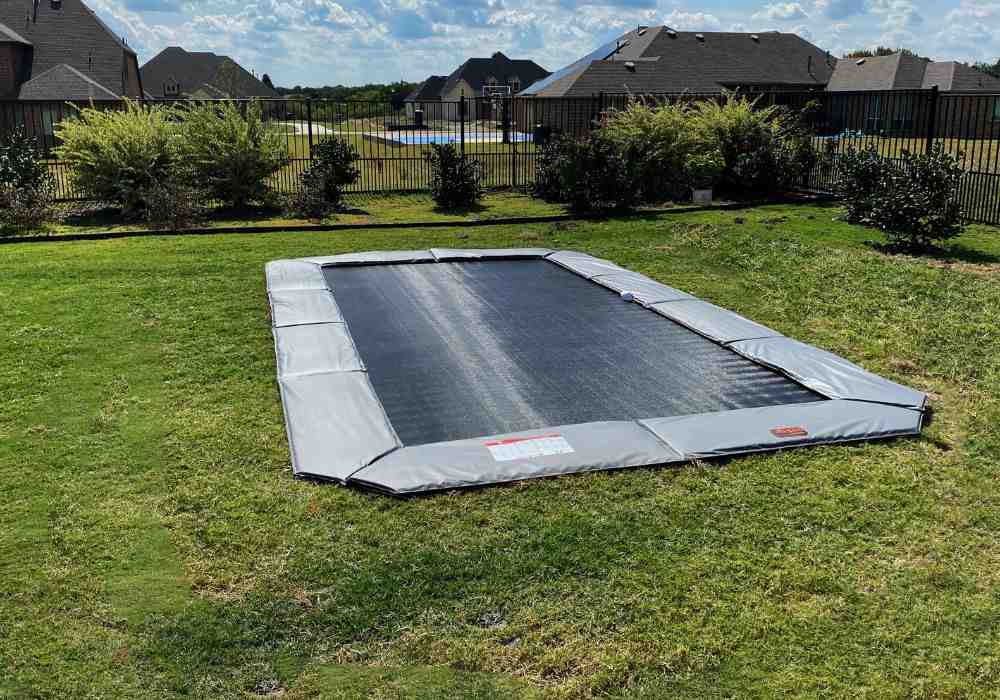
Are In Ground Trampolines Safer? Top 3 Proven Benefits
Are in ground trampolines safer? This question often arises when homeowners consider adding one to their backyard. In-ground trampolines come with notable safety advantages:
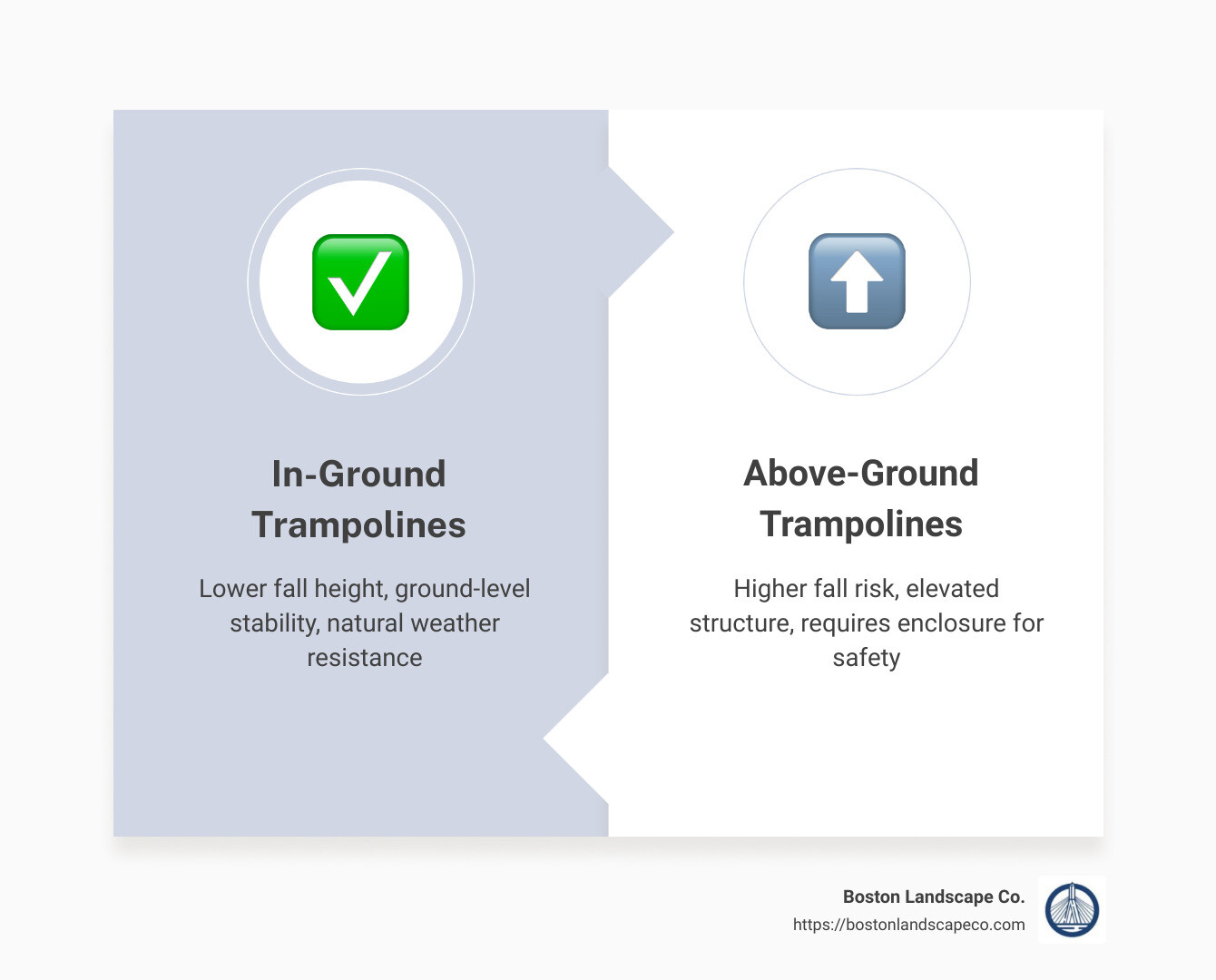
- Lower fall height compared to above-ground trampolines
- Greater stability due to their ground-level installation
- Natural weather resistance through surrounding earth support
- Seamless integration into landscape design, enhancing aesthetic appeal
In-ground trampolines not only provide an element of family fun but also ensure that safety remains a top priority. Their design reduces the risk of falls and blends perfectly with your backyard’s layout, making them a popular choice for both safety-conscious families and design-savvy homeowners.
I’m Steve Schumacher, and I’ve spent over three decades in landscaping, working to merge beauty with safety. My experience with landscaping and trampoline installations has given me a unique perspective on are in ground trampolines safer, ever focusing on how these features improve enjoyment while prioritizing safety.
Quick are in ground trampolines safer terms:
– Trampoline certified installer
– cost for inground trampoline
– how much does it cost to install an inground trampoline
Are In-Ground Trampolines Safer?
When discussing trampoline safety, many parents and homeowners ask, “Are in ground trampolines safer?” These trampolines offer several safety benefits due to their unique design, but they also come with certain concerns.
Safety Benefits
1. Eliminate Falling Injuries
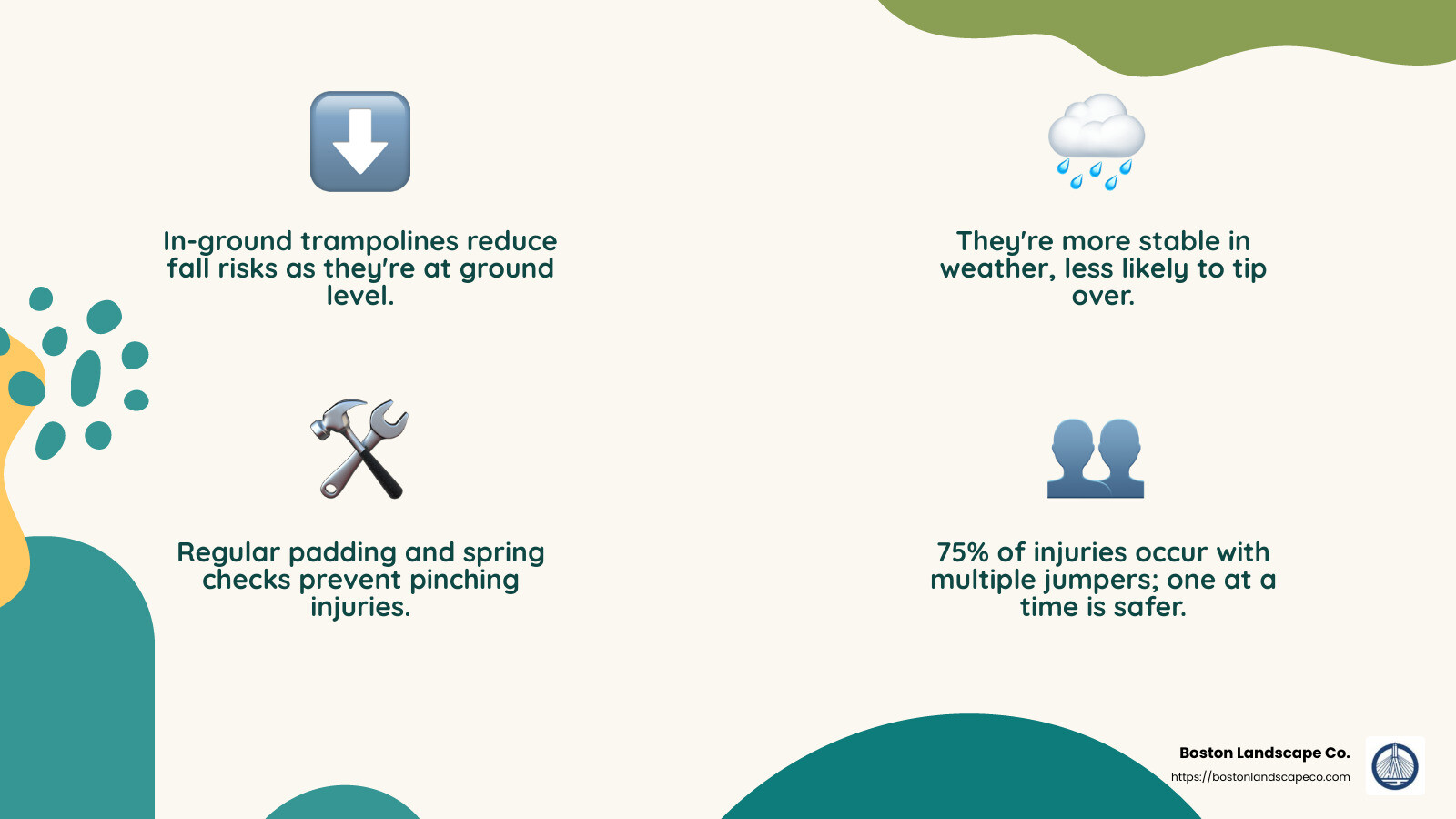
One of the main advantages of in-ground trampolines is their ability to significantly reduce the risk of falling injuries. Since they are installed at ground level, the danger of falling from a height is minimized. According to Policygenius, falls account for 27%-39% of trampoline injuries. By eliminating the height factor, in-ground trampolines provide a safer jumping experience.
2. Weather Resistance
In-ground trampolines are more stable during inclement weather. Their ground-level installation means they are less likely to be tipped over by strong winds. Additionally, placing them under a shaded area can protect them from sun damage, prolonging the life of their components.
3. No Enclosure Needed
Unlike above-ground trampolines, in-ground versions often don’t require an enclosure net. This reduces maintenance needs and the risk of net deterioration. However, adding an enclosure is always an option for added safety, especially in yards with nearby obstacles.
Safety Concerns
Despite the benefits, in-ground trampolines are not without their safety concerns.
1. Spring/Frame Injuries
Users can still get injured by the springs or frame. Pinching injuries can occur if hands or feet get caught in gaps between the jumping mat and the padding. Regular inspection of the padding and springs is crucial to prevent these injuries.
2. External Hazards
The area surrounding the trampoline can pose risks. If installed near trees, concrete, or sheds, users might get hurt by these external elements. It’s essential to choose a clear, obstacle-free area for installation to minimize such risks.
3. Common Injuries
Common trampoline injuries like fractures and sprains can still happen, especially when multiple people jump simultaneously. Policygenius notes that 75% of injuries occur when more than one child is jumping. Establishing rules like “One Jumper at a Time” and avoiding flips can help reduce these risks.
While in-ground trampolines offer numerous safety benefits, it’s important for families to be aware of and address these concerns to ensure a safe and enjoyable experience for everyone.
Installation and Maintenance
Proper installation and regular maintenance are key to maximizing the safety and longevity of your in-ground trampoline. Let’s dig into the installation process and maintenance tips to keep your trampoline in top condition.
Installation and Maintenance
Proper installation and regular maintenance are key to maximizing the safety and longevity of your in-ground trampoline. Let’s explore the installation process and maintenance tips to keep your trampoline in top condition.
Installation Process
1. Professional Installation
Hiring professionals for installation can ensure that your trampoline is set up correctly and safely. They have the expertise to deal with unexpected challenges like uneven ground or drainage issues. While it might be more costly, professional installation offers peace of mind.
2. Digging the Hole
The first step is to dig a hole for the trampoline. The hole should be slightly larger than the trampoline frame to allow for airflow and maintenance. A depth of about 3 feet is usually recommended, but this depends on the trampoline’s height.
3. Building a Retaining Wall
A retaining wall is vital to prevent soil from collapsing into the trampoline pit. Use materials like stone blocks or concrete to construct a sturdy barrier. This will keep the trampoline stable and safe for use.
4. Air Vents for Bounce
Proper ventilation is essential for a good bounce. Without it, the trampoline may not perform well, and jumping could become dangerous. Ensure there is adequate space around the trampoline for air to move freely. Some setups include pipes to channel air away from the trampoline.
5. Drainage Solutions
Water accumulation can lead to rust and other issues. Incorporate a drainage system during installation. Gravel at the bottom of the pit and perforated pipes leading to a storm drain can help manage water effectively.
Maintenance Tips
1. Regular Inspections
Conduct regular checks to ensure all parts are in good working order. Look for any wear and tear on the jumping mat, springs, and frame. Addressing minor issues early can prevent major problems later.
2. Moisture Control
Moisture is a trampoline’s enemy. Ensure your drainage system is working well, especially after heavy rain. Consider using a trampoline cover to protect it from rain and debris.
3. Part Replacements
Over time, some parts may need replacing. Keep an eye on the springs and padding, as these are most susceptible to wear. Replacing these parts promptly can prevent injuries and extend the trampoline’s life.
By following these installation and maintenance guidelines, you can ensure that your in-ground trampoline remains a safe and enjoyable feature in your backyard.
Cost and Investment
When considering an in-ground trampoline, it’s crucial to weigh the installation cost, potential long-term savings, and the aesthetic value it brings to your backyard.
Installation Cost
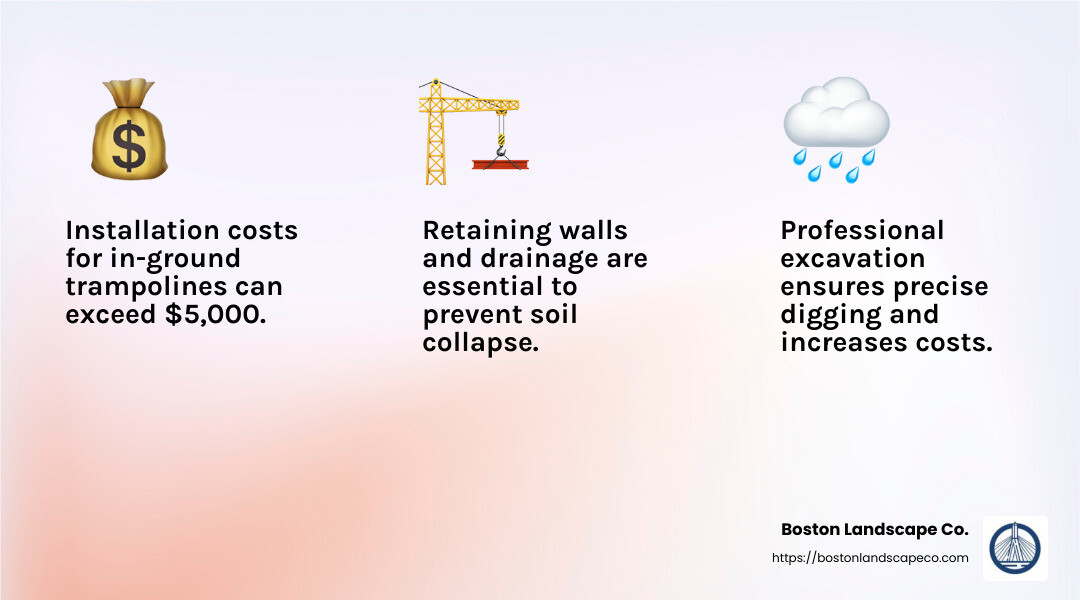
Installing an in-ground trampoline is a more significant financial commitment than its above-ground counterpart. The costs can range from $1,500 to over $5,000, depending on several factors:
- Professional Excavation: Digging the hole requires precision. Hiring professionals ensures it’s done right, but this adds to the cost.
- Retaining Walls and Drainage: Building sturdy retaining walls and an effective drainage system is essential. These prevent soil collapse and water accumulation, but they increase expenses.
- High-Quality Materials: In-ground trampolines often use rust-resistant frames and robust jumping mats to withstand being buried. These premium materials contribute to the higher price.
Long-Term Savings
While the initial cost is higher, in-ground trampolines can offer savings over time:
- Durability: With proper installation and maintenance, these trampolines can last for many years. The robust materials and stable installation mean fewer replacements and repairs.
- Safety: Lower risk of injuries can lead to fewer medical expenses. Ensuring a safe play environment is invaluable for peace of mind.
Aesthetic Value
In-ground trampolines blend seamlessly with the landscape, enhancing your backyard’s look:
- Discreet Appearance: Unlike above-ground trampolines, they don’t obstruct views or dominate the space. This makes them a popular choice for those who prioritize aesthetics.
- Landscaping Harmony: They can be integrated into the garden design, offering a clean and modern look that adds to your property’s value.
By understanding these costs and benefits, you can make an informed decision about whether an in-ground trampoline is the right investment for your family. Next, we will address some frequently asked questions to help you further in your decision-making process.
Frequently Asked Questions about In-Ground Trampolines
What happens to ground trampolines when it rains?
When it rains, proper drainage is crucial for in-ground trampolines to prevent water from pooling in the pit. Without it, standing water can lead to rust and damage to the trampoline’s structure.
- Drainage Systems: Installing perforated drainage pipes or a soak-away system can help divert water away from the trampoline. This keeps the area dry and extends the life of the trampoline.
- Soil Type: The type of soil in your yard affects drainage. Sandy soils drain quickly, while clay soils may require additional drainage solutions to manage water effectively.
Do you need an enclosure with an in-ground trampoline?
While an enclosure isn’t necessary for an in-ground trampoline, some families choose to add one for extra peace of mind.
- Safety Net: An enclosure can provide additional protection, especially for younger children or if the trampoline is used by multiple jumpers at once.
- Optional: Adding an enclosure is optional and depends on your personal safety preferences. In-ground trampolines already reduce the risk of falling from a height since they are level with the ground.
Are in-ground trampolines better for skilled jumpers?
For skilled jumpers, in-ground trampolines offer unique advantages due to their design.
- Ground Level: Being at ground level makes it easier for jumpers to get on and off, reducing the risk of injury from falls.
- Safety Experience: Skilled jumpers often appreciate the stable feel of an in-ground trampoline, which can improve their performance and confidence during routines.
These frequently asked questions address some common concerns about in-ground trampolines, helping you decide if they are the right fit for your family. Up next, we’ll dive into the installation and maintenance aspects to ensure your trampoline stays in top condition.
Conclusion
Choosing the right trampoline is a significant decision for any family, and safety should always come first. In-ground trampolines offer a range of safety benefits, from reducing falling injuries to being more resistant to harsh weather conditions. These features make them an appealing option for families who prioritize safety and aesthetics in their backyard design.
At Boston Landscape Co., we specialize in changing outdoor spaces into safe and enjoyable environments. Our expertise in landscape design and maintenance ensures that your trampoline installation not only improves your yard’s appearance but also meets the highest safety standards.
When it comes to outdoor improvement, our comprehensive services provide everything you need to create a functional and beautiful space. From professional installation to regular maintenance, we handle all aspects of your landscaping needs. Our commitment to quality and safety means you can enjoy peace of mind while your family has fun.
If you’re considering adding an in-ground trampoline to your yard, let us help you make an informed decision. Visit our service page to learn more about how we can assist you in creating a safe and engaging environment for your family. Together, let’s make your backyard a place where safety meets enjoyment.