
Why a Backyard Artificial Lawn Makes Sense for New England Homeowners
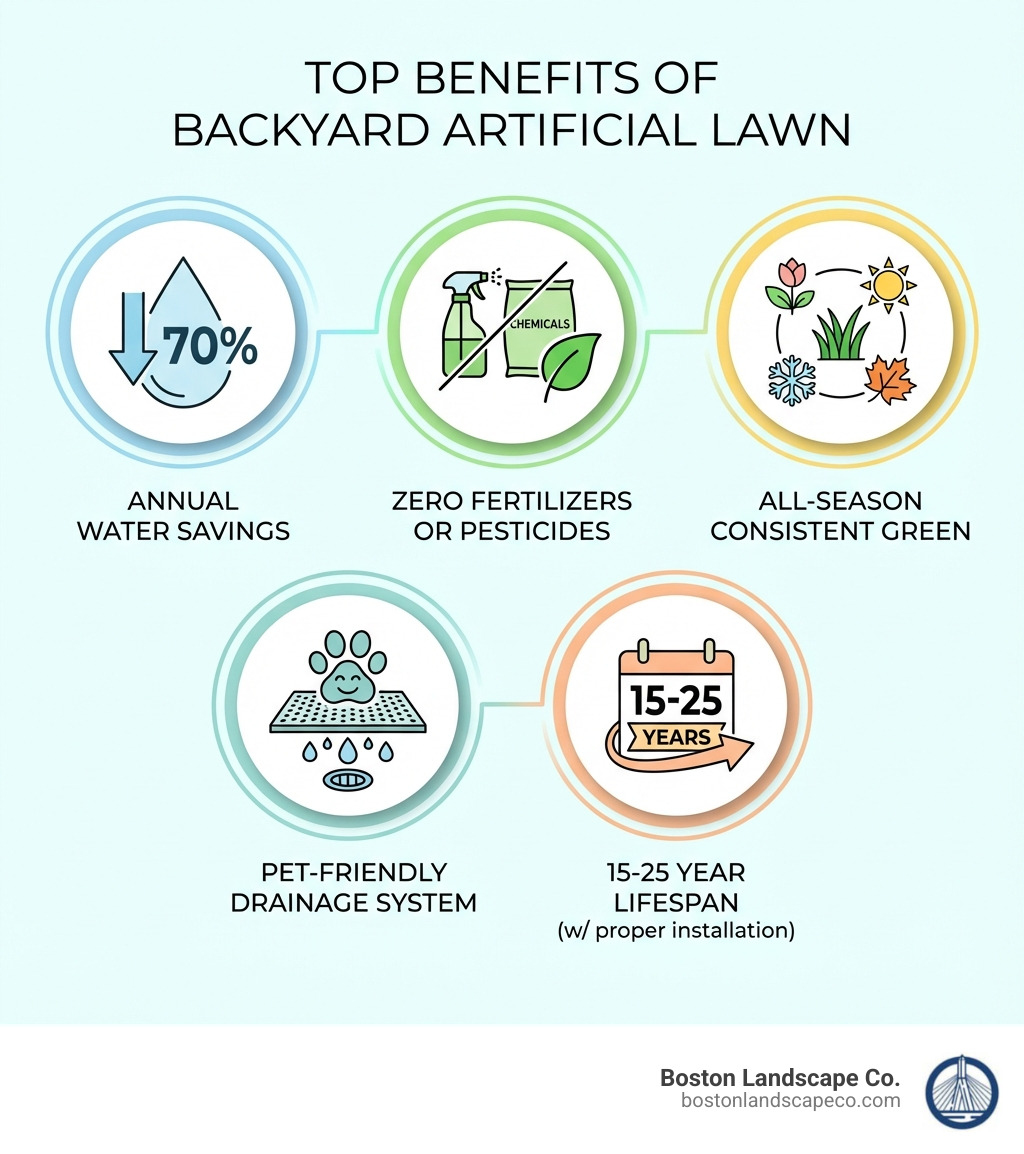
Backyard artificial lawn options offer homeowners a low-maintenance solution that eliminates mowing, saves up to 70% on water bills, and provides a consistently green appearance year-round. The best choices feature UV-resistant materials like polyethylene for softness, proper drainage systems (400+ inches per hour), and antimicrobial properties for pet areas.
Quick Comparison of Top Artificial Lawn Types:
| Material | Best For | Durability | Feel | Cost Range |
|---|---|---|---|---|
| Polyethylene | General lawns, family yards | High | Soft, realistic | $8-$15 per sq. ft. |
| Nylon | High-traffic areas, sports | Highest | Stiff | $12-$25 per sq. ft. |
| Polypropylene | Budget-conscious, low-traffic | Moderate | Coarse | $8-$12 per sq. ft. |
New England’s unpredictable weather makes maintaining a natural lawn feel like a never-ending battle. Between the harsh winters, unpredictable spring rains, and summer heat waves, homeowners across the Greater Boston area spend countless weekends mowing, fertilizing, and fighting to keep grass alive in shaded or problem areas.
The dream of a perfect, green lawn shouldn’t require this much work.
Modern artificial grass technology has evolved dramatically from the stiff, obviously fake turf of decades past. Today’s synthetic lawns look remarkably realistic, stay green through every season, and require almost no maintenance. No more mowing on Saturday mornings. No more watering restrictions. No more muddy paw prints or dead patches where grass refuses to grow.
The appeal of low-maintenance landscaping is obvious: you get your weekends back while your yard looks pristine 365 days a year. Water bills drop by 50-70%. Fertilizers and pesticides become unnecessary. And unlike natural grass that turns brown at the first sign of drought or frost, artificial turf maintains its vibrant appearance regardless of New England’s mood swings.
But choosing the right backyard artificial lawn for your property isn’t as simple as picking the greenest option at the store. Different materials, pile heights, infill types, and drainage systems all affect how your lawn looks, feels, and performs. Some turfs work better for pets, while others excel for putting greens or high-traffic play areas.
I’m Steve Schumacher, owner-operator of Boston Landscape Co. since 1991, and I’ve helped countless homeowners across the North Shore and Greater Boston area transform their outdoor spaces with professional landscape solutions, including backyard artificial lawn installations that solve the region’s toughest maintenance challenges. This guide will walk you through everything you need to know to choose the perfect artificial turf for your property.
Backyard artificial lawn word roundup:
Why Homeowners Are Choosing a Backyard Artificial Lawn
For homeowners in places like Stoneham, Lexington, and Winchester, the decision to install a backyard artificial lawn often comes down to a desire for beauty without the relentless upkeep. We understand the unique challenges of maintaining a vibrant lawn in our region, and that’s why more and more families are making the switch.
Here’s why a synthetic lawn is becoming the go-to choice:
- Low Maintenance, High Enjoyment: This is perhaps the biggest draw. Imagine never having to mow, weed, or fertilize again. No more dragging out the mower on a beautiful Saturday, no more backaches from pulling stubborn crabgrass. Our clients tell us they reclaim countless hours they once spent on lawn care, now free to enjoy their beautiful outdoor spaces.
- No Mowing or Fertilizing: Beyond saving time, this means no more gas emissions from lawnmowers, and no harsh chemicals polluting our local waterways. It’s a win for your weekends and a win for the environment.
- Water Conservation is Key: In an age where water resources are increasingly precious, a backyard artificial lawn is a game-changer. Natural lawns demand significant irrigation, especially during dry spells. Artificial grass can reduce water usage by 50-70% compared to natural lawns. This translates directly into substantial savings on your water bills – up to 70% annually! This is particularly impactful for larger properties in areas like Concord or Wellesley.
- Consistent Green Appearance in All Seasons: New England weather can be brutal on natural grass. It browns in the summer sun, goes dormant in the winter, and often struggles to recover in the spring. Artificial grass, however, maintains its lush, vibrant green color year-round, looking perpetually manicured regardless of frost, drought, or heavy foot traffic.
- Durability Through New England Weather: Our climate throws everything at a lawn, from heavy snow loads to freezing rain and intense summer heat. High-quality artificial turf is designed to withstand these conditions, maintaining its integrity and appearance for 15-25 years with proper installation and care. It won’t get patchy from winter kill or scorched by summer sun.
- No Mud or Grass Stains: For families with kids and pets, this is a huge benefit. Say goodbye to muddy paw prints tracked through the house after a rain shower, and no more grass stains on clothes from playing outside. Artificial turf provides a clean, consistent surface for play and relaxation.
- Potential to Increase Property Value: A pristine, low-maintenance lawn significantly improves curb appeal. While the upfront cost is an investment, the long-term savings on maintenance and the added aesthetic value can increase your property’s overall market value. Buyers in our service areas often appreciate the appeal of a beautiful, hassle-free yard.
For more detailed information on how these benefits translate to your home, explore our page on Synthetic Artificial Lawns. We’ve seen how these changes improve daily life for our clients.
Choosing the Perfect Turf: A Buyer’s Guide
Choosing the right backyard artificial lawn can feel like navigating a maze, but with a little guidance, it’s quite straightforward. The key is understanding how different features meet your specific needs.
Understanding Turf Materials: Nylon, Polyethylene, and Polypropylene
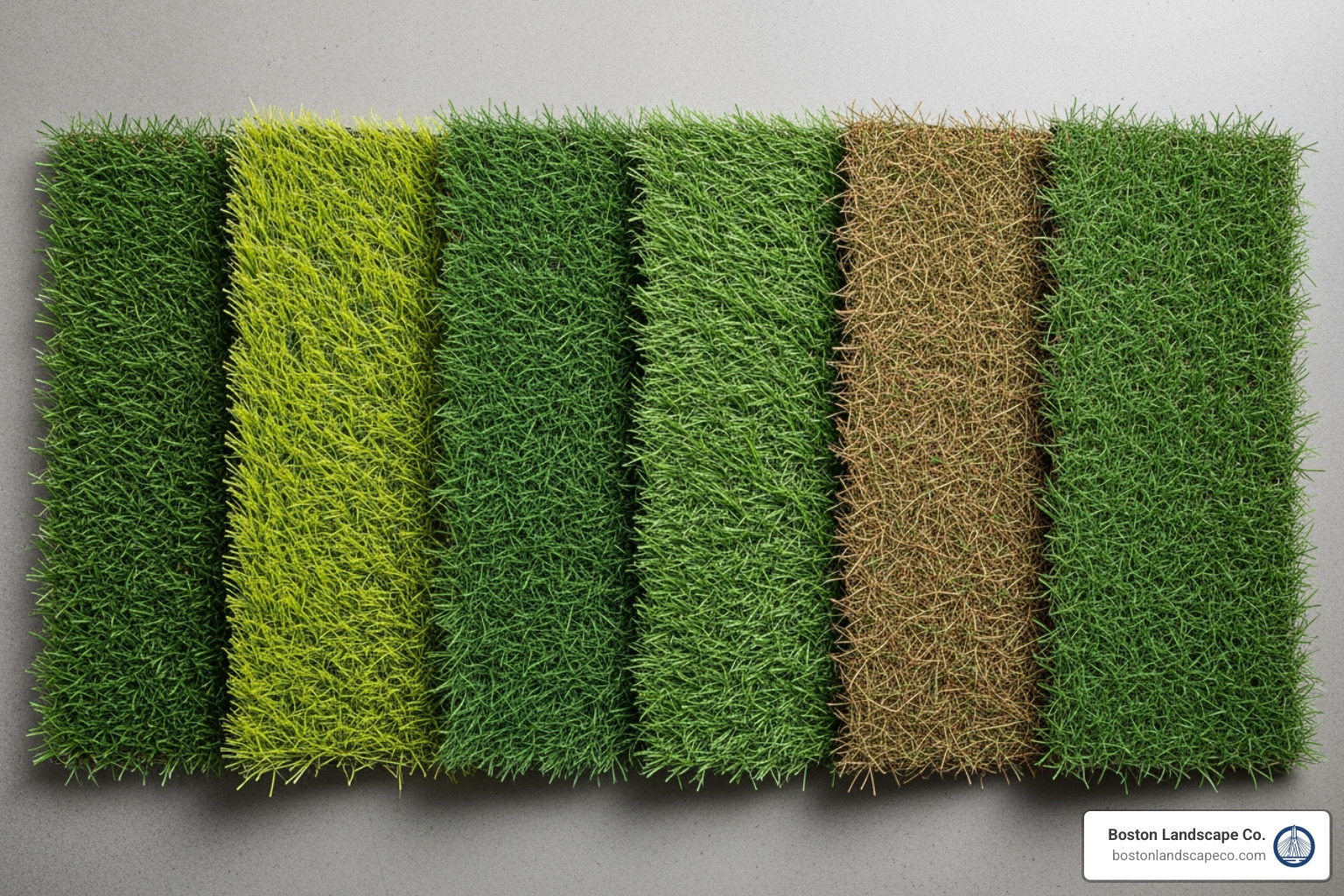
The primary materials used in artificial grass each have distinct characteristics that make them suitable for different applications.
- Nylon: This is the strongest and most durable artificial grass fiber. It’s incredibly resilient and can withstand heavy foot traffic and extreme conditions without matting or fading. However, nylon fibers are stiffer and can feel less natural to the touch. It’s also typically the most expensive option.
- Polyethylene: Polyethylene is the most popular choice for residential backyard artificial lawn installations, and for good reason. It strikes an excellent balance between durability, softness, and realistic appearance. Its fibers are soft to the touch, mimicking natural grass, and they hold up well to moderate to high traffic. This material often includes UV inhibitors to prevent fading.
- Polypropylene: This is the most affordable artificial grass material. While durable, its fibers are coarser and less resilient than polyethylene or nylon, making it best suited for low-traffic areas or decorative purposes where touch and heavy use are less critical. It can also be more susceptible to UV degradation if not properly treated.
Here’s a quick comparison:
| Material | Durability | Feel | Typical Use Cases |
|---|---|---|---|
| Nylon | Highest | Stiff, robust | Heavy-traffic areas, sports fields, putting greens |
| Polyethylene | High | Soft, realistic | General lawns, family yards, pet areas, landscaping |
| Polypropylene | Moderate | Coarse, budget-friendly | Low-traffic decorative areas, small patios |
Key Features for Your Backyard Artificial Lawn
Beyond the basic material, several features contribute to the look, feel, and longevity of your artificial turf:
- Pile Height and Density: Pile height refers to the length of the grass blades. Longer piles (1.5-2 inches) tend to look more lush and natural, while shorter piles are often preferred for pet areas or putting greens for easier maintenance and specific performance. Density, or face weight, refers to how many fibers are packed into a given area. A higher density (e.g., 1-1.5 kg per square meter) creates a fuller, more luxurious feel and contributes to durability.
- Advanced Features:
- UV Protection for Fade Resistance: High-quality artificial grass incorporates UV inhibitors during manufacturing. This protects the turf from sun damage, preventing it from fading or breaking down over time, which is crucial for our sunny New England summers.
- Heat-Reduction Technology for Comfort: One common concern with artificial turf is heat absorption. However, modern advancements have introduced technologies like Heat Block™ and specialized blade shapes that can keep artificial turf up to 19°F cooler than competitor systems. A quick rinse with a hose can also cool the surface significantly on hot days.
- Antimicrobial Properties for Hygiene: For pet owners, antimicrobial turf is a blessing. Products with features like Zinc Omadine™ ZOE™ antimicrobial, often found in infills like WonderFill, actively inhibit the growth of bacteria, mold, and mildew, which helps prevent odors and keeps the lawn more hygienic for your furry friends.
The Foundation: Backing, Infill, and Drainage
The performance of your backyard artificial lawn isn’t just about the grass blades; it’s also about what’s underneath.
- Backing Materials: The backing is what holds the grass fibers in place and provides structural integrity. Polyurethane backings are generally superior to latex, especially in climates with significant temperature fluctuations like ours, as they offer better dimensional stability and drainage.
- Infill Options: Infill is the material spread between the grass blades after installation. It serves several critical purposes:
- Weighs down the turf: Prevents shifting and wrinkling.
- Supports the blades: Helps them stand upright, maintaining a natural appearance.
- Provides cushioning: Adds a softer feel underfoot.
- Silica Sand: A common, affordable infill.
- ZeoFill: Specifically designed for pet areas, ZeoFill is a negatively charged, honey-combed molecular structure that absorbs pet urine like a magnet. It helps prevent ammonia from forming gas, reducing odors by up to 50%, and can also contribute to cooling the turf.
- CamoFill: Offers multi-color thatch for an even more natural look.
- WonderFill: Contains antimicrobial properties to prevent bacteria, mold, and mildew growth.
- Importance of a Proper Drainage System: This is non-negotiable, especially in our region with its heavy rainfall and snowmelt. A well-designed artificial grass system includes perforations in the turf backing and a properly prepared aggregate base (crushed stone/gravel) that allows water to pass through quickly and efficiently. Some advanced systems boast drainage rates of up to 400 inches per hour, far superior to natural lawns. Proper drainage prevents water pooling, odors, and ensures a cleaner, drier surface.
Tailoring Your Turf: Popular Applications for Artificial Grass
One of the greatest strengths of a backyard artificial lawn is its versatility. It’s not just for replacing a traditional lawn; it can transform a multitude of outdoor spaces into functional, beautiful, and low-maintenance areas.
General Lawns and Landscapes
For many homeowners in our service area, from Burlington to Malden, the primary application is simply a stunning, maintenance-free lawn. Artificial turf creates a flawless green space that looks carefully maintained 365 days a year. It integrates beautifully with existing hardscaping like patios, walkways, and garden beds, providing a vibrant contrast. We’ve used it to solve common problems like shaded areas where natural grass struggles, or high-traffic zones that quickly turn into muddy patches. It’s a perfect solution for creating that picture-perfect backdrop for family gatherings or simply enjoying your home’s curb appeal.
The Ideal Backyard Artificial Lawn for Pets
If you have furry friends, you know the struggle of maintaining a natural lawn. Pet urine can create unsightly brown spots, and muddy paws are a constant battle. This is where a specialized backyard artificial lawn shines. Pet-friendly turf is designed with superior drainage and often combined with specific infills like ZeoFill to neutralize odors. The durable fibers resist wear and tear from active pets, and cleanup is a breeze – simply remove solids, rinse the area, and for stubborn odors, an enzyme neutralizer does the trick. We even specialize in Fake Grass for Dogs and solutions for smaller spaces like Artificial Grass for Patios for Dogs, ensuring a clean, safe, and comfortable environment for your beloved companions.
Recreation and Play Areas
Why limit your yard to just grass when it can be so much more?
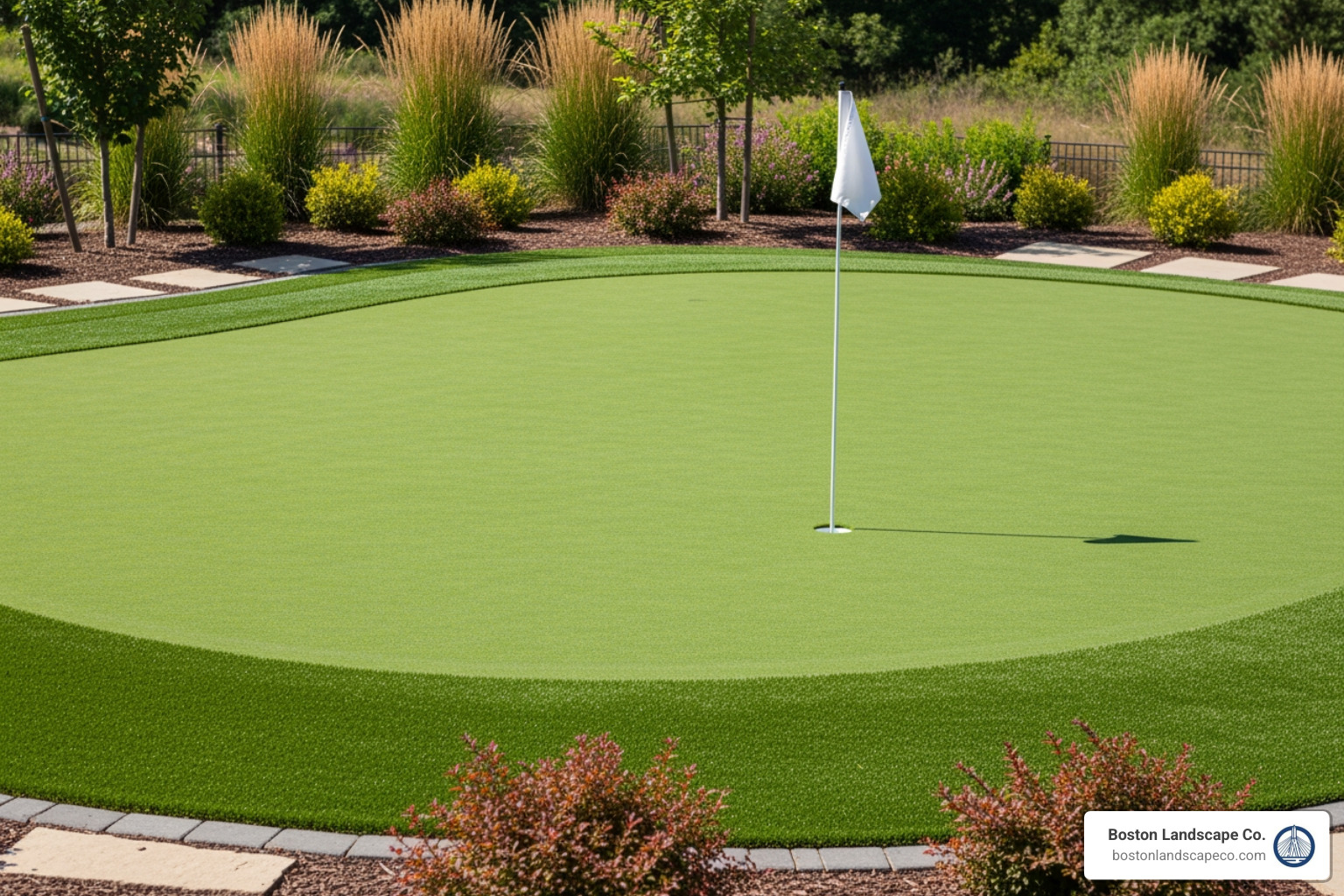
- Backyard Putting Greens: For the golf enthusiast, a custom putting green is a dream come true. Imagine honing your short game anytime, right in your own backyard in Stoneham or Medford. We can design and install professional-grade putting greens that offer a true roll, providing endless hours of practice and fun.
- Safe Play Surfaces for Children: A backyard artificial lawn creates a clean, soft, and safe environment for children to play. Unlike natural grass that can hide rocks or uneven terrain, artificial turf provides a consistent surface. For added safety, we can install shock-absorbing underlayment beneath the turf, cushioning falls and reducing the risk of injury, making it ideal for play areas, swing sets, and even around pools.
- Rooftops and Balconies: Don’t let overlooked spaces go to waste! Artificial grass can transform urban rooftops, balconies, and patios into lush, green retreats. It’s lightweight, drains well, and instantly adds a touch of nature to concrete jungles, creating inviting spaces for relaxation or entertaining.
Understanding the Investment: Cost and Installation
Considering a backyard artificial lawn is a significant home improvement, and naturally, understanding the investment involved is crucial. We believe in transparency, so let’s break down the costs and what goes into a professional installation.
Breaking Down the Cost of an Artificial Lawn
The cost of artificial grass typically ranges between $8 to $25 per square foot, including materials and professional installation. However, it’s important to understand that this is an average based on internet data and not the actual prices of Boston Landscape Co. Our pricing is custom to each project’s unique specifications. Prices can also be as high as $45 per square foot or more for highly customized or complex installations.
While the upfront investment for a backyard artificial lawn is higher than seeding or even sodding a natural lawn, it’s essential to look at the long-term savings. When you factor in years of no watering, no mowing, no fertilizing, and no pest control, artificial turf quickly becomes a smart financial decision with a strong return on investment.
Several factors influence the overall cost:
- Material Quality: As we discussed, polyethylene, nylon, and polypropylene vary in price based on their durability and realism. Higher-quality materials with advanced features (UV protection, heat reduction) will be at the higher end of the spectrum.
- Yard Size and Accessibility: Larger projects might benefit from some economies of scale per square foot, but complex shapes or difficult-to-access areas (e.g., tight gates in Waltham or Billerica) can increase labor costs.
- Site Preparation Needs: This is often the most variable cost. If your current yard requires extensive grading, old lawn removal, or specialized drainage solutions, this will add to the overall project cost.
- Additional Features: Adding a shock pad for a play area, a specific infill for pets, or a custom putting green will also impact the price.
For a more detailed breakdown and to discuss your specific project needs, please visit our page on Artificial Grass Installation Cost.
Pricing Disclaimer: Please note that the prices listed are average costs based on online/internet data and not the actual prices of Boston Landscape Co. We always provide a wide price range to reflect real-world variability. These are not our company’s rates, and we encourage you to contact us for a personalized estimate for your specific project.
The Installation Process: From Groundwork to Green
A professional installation is paramount for the longevity and aesthetic appeal of your backyard artificial lawn. While some homeowners consider DIY, for installations over 200 sq. ft. or for a flawless, long-lasting result, we strongly recommend professional expertise. Trying to cut corners during installation can lead to costly repairs down the line, such as poor drainage, visible seams, or uneven surfaces.
Here’s a general overview of what’s involved in a professional installation:
- Site Preparation: This is the most critical step. We begin by removing existing grass, weeds, and debris, then excavate the area to a depth of 2.5 to 3 inches. Proper site preparation is non-negotiable for success; skimping here leads to future problems. We ensure the ground is properly sloped for optimal drainage.
- Base Preparation: A layer of crushed stone or gravel (typically 2-4 inches deep) is laid down and compacted to create a stable, permeable base. This allows water to drain effectively and prevents the turf from settling unevenly. We also install a weed barrier fabric to prevent any stubborn weeds from growing through.
- Turf Laying and Trimming: The artificial grass rolls are carefully unrolled, positioned, and trimmed to fit the contours of your yard, allowing for a slight overlap. When multiple rolls are used, we carefully align the pile direction for a seamless, natural look.
- Seaming Techniques: If multiple pieces of turf are needed, they are joined together using specialized seaming tape and adhesive. This requires precision to create virtually invisible seams.
- Securing the Turf: The edges of the turf are secured to the ground using galvanized nails or landscape anchors, ensuring it remains firmly in place, even with active use or strong winds.
- Infill Application: The chosen infill material (silica sand, ZeoFill, etc.) is evenly spread over the turf and brushed deep into the fibers. This process helps the blades stand upright, adds cushioning, and provides weight to the turf.
- Final Grooming: A power broom is often used for the final grooming, lifting the fibers and giving your new backyard artificial lawn a perfectly manicured appearance.
For a deeper dive into the technical aspects of installation, you can visit our guide on How to Install Artificial Lawn Turf. We pride ourselves on meticulous installation processes, ensuring your investment in a beautiful, low-maintenance yard pays off for decades to come.
Frequently Asked Questions about Artificial Lawns
We often hear similar questions from homeowners in our service areas like Reading, Waltham, and Woburn who are considering a backyard artificial lawn. Let’s address some of the most common ones.
How do you maintain an artificial lawn?
Maintaining your artificial lawn is remarkably simple compared to natural grass. It’s truly about enjoying your yard, not toiling in it!
- Regular Debris Removal: Use a leaf blower, stiff broom, or plastic rake to remove leaves, twigs, and other debris. This prevents organic matter from breaking down in the turf and keeps it looking tidy.
- Rinsing with a Hose: Periodically rinse your lawn with a garden hose to wash away dust, pollen, and any minor spills. For pet areas, a more frequent rinse helps with hygiene.
- Brushing High-Traffic Areas: Over time, fibers in high-traffic zones might flatten slightly. Occasionally brushing against the grain with a stiff-bristled broom will help the blades stand upright again, restoring their lush appearance.
- Spot Cleaning for Stains: For most spills, a mild detergent (like dish soap) mixed with water and a soft cloth will do the trick. Rinse thoroughly afterwards. Avoid harsh acidic cleaners or bleach.
- Using Enzyme Cleaners for Pet Areas: For persistent pet odors, especially in dedicated pet zones, an enzyme neutralizer can be sprayed to break down odor-causing bacteria.
- Weed Control: While a weed barrier prevents most growth, an occasional weed might sprout along the edges or through the drainage holes. These can typically be pulled by hand.
Is artificial grass safe for kids and pets?
Absolutely! Modern backyard artificial lawn products are designed with safety in mind.
- Non-Toxic Materials: High-quality artificial turf is made from non-toxic, lead-free materials, making it a safe surface for children and pets to play on.
- No Chemicals: One of the biggest safety advantages is the elimination of harsh pesticides, herbicides, and fertilizers that are commonly used on natural lawns. This means no exposure to harmful chemicals for your family or pets.
- Softer Surface: When combined with a shock-absorbing underlayment, artificial turf can provide a softer landing surface, reducing the risk of injuries from falls, which is a huge plus for play areas.
- Allergy Reduction: For those with grass allergies, artificial turf offers a sneeze-free outdoor experience.
How hot does artificial grass get in the summer?
It’s true that artificial grass can absorb more heat than natural grass, especially in direct sunlight. Research shows that artificial grass can reach temperatures of 140° F or more in direct sunlight, about 50° F hotter than natural grass.
However, advancements in technology have addressed this concern:
- Heat-Reduction Technologies: Many modern turf products incorporate specialized fibers and infills designed to reflect sunlight and dissipate heat, keeping the surface cooler.
- Cooling with Water: A quick, light rinse with a garden hose can instantly cool down the turf by 20-30° F, making it comfortable for bare feet or paws. The excellent drainage systems mean the water quickly passes through, leaving the surface dry.
- Shade and Placement: Strategic placement of shade structures or even considering the turf in areas that receive partial shade can also help manage surface temperatures.
We often recommend considering these factors, especially for properties in sun-drenched areas of Burlington or Bedford, to ensure maximum comfort during the hotter months.
Conclusion: Reclaim Your Weekends with a Flawless Lawn
We’ve explored the myriad benefits, diverse options, and practical considerations for installing a backyard artificial lawn. From the undeniable advantage of low maintenance and significant water savings to its year-round vibrant appearance and versatility for pets, play, and putting greens, artificial grass offers a compelling solution for homeowners across New England.
No more battling our unpredictable weather, no more sacrificing your precious weekends to endless lawn chores. With a modern synthetic lawn, you can enjoy a consistently beautiful outdoor space that improves your home’s appeal and gives you back the gift of time.
At Boston Landscape Co., we’ve been changing outdoor spaces in Stoneham, Billerica, and throughout the Greater Boston area since 1991. We understand the unique needs of our local climate and properties, and we’re committed to providing professional landscaping solutions that lift your lifestyle.
Ready to say goodbye to mowing and hello to a perfect, effortless lawn? Explore your options for synthetic artificial lawns with us today.
