
Why Commercial Property Maintenance Is More Than Just Upkeep
Commercial Property Maintenance is the ongoing care and management of a commercial building’s interior, exterior, grounds, and systems to keep it safe, functional, and attractive. This includes:
- Grounds and landscaping: mowing, pruning, irrigation, snow removal, parking lot care
- Building systems: HVAC, plumbing, electrical, roofing, fire safety
- Interior care: janitorial services, common areas, restrooms, repairs
- Preventative tasks: regular inspections, scheduled servicing, seasonal preparation
Why it matters: Well-maintained properties attract and retain tenants, increase property value by 5-12%, reduce costly emergency repairs, ensure safety and compliance, and create positive first impressions for customers and employees.
Picture this: It’s a Monday morning, and you arrive at your commercial building. The sun is shining, your tenants are settling in, and everything feels productive. Then you hear it—a faint drip from the ceiling. What starts as a small issue can quickly spiral into water damage, displaced tenants, and repair bills that could have been avoided with regular roof inspections.
That’s the reality of commercial property management. Unlike residential properties, commercial buildings face higher foot traffic, more complex systems, and greater liability risks. A poorly maintained property doesn’t just look bad—it drives away tenants, lowers property values, and creates safety hazards.
I’m Steve Schumacher, owner-operator of Boston Landscape Co. since 1991, and I’ve spent over three decades helping property owners across the Greater Boston area protect their investments through comprehensive Commercial Property Maintenance programs. Whether it’s landscape design, snow management, or seasonal upkeep, we’ve seen how strategic maintenance transforms properties and prevents costly headaches.
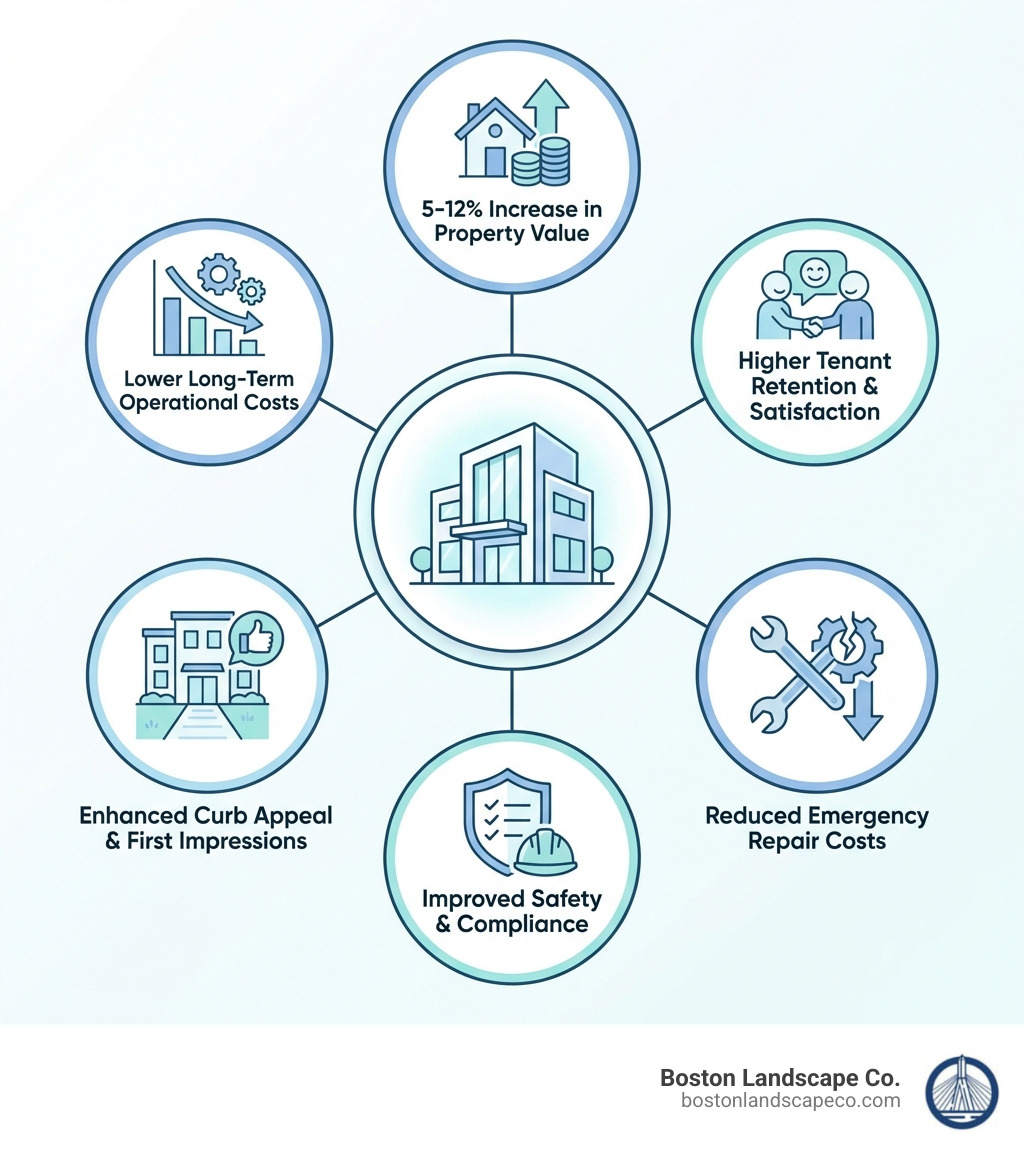
Easy Commercial Property Maintenance word list:
The Core Components of Commercial Property Maintenance
Effective Commercial Property Maintenance is about more than just fixing things when they break. It’s about proactive upkeep, safeguarding your valuable assets, and ensuring operational efficiency for your business and your tenants. Every aspect of your property, from the lush lawns to the humming HVAC systems, plays a role in its overall health and appeal.
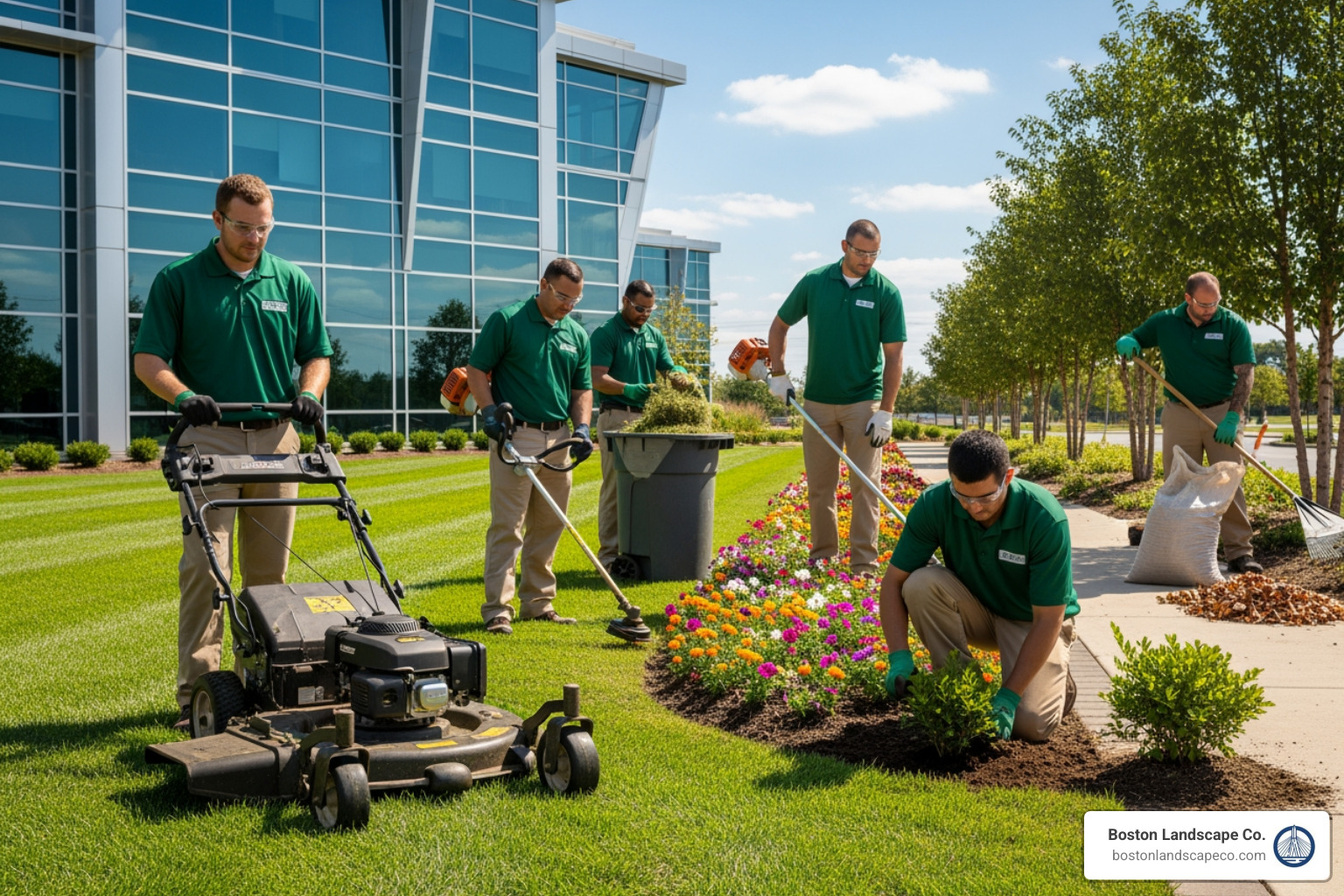
Exterior and Grounds Upkeep
The exterior of your commercial property is the first thing clients, customers, and employees see. It’s your business’s handshake, and a well-maintained exterior speaks volumes about your professionalism and attention to detail. This is where our expertise at Boston Landscape Co. truly shines.
Landscaping forms the backbone of your property’s curb appeal. Professionally maintained landscapes not only make your property more attractive but can also increase its value by 5-12%. This includes everything from routine mowing and edging to seasonal planting and the health of your trees and shrubs. Poorly managed lawns can even become a haven for pests, which is certainly not the impression you want to make.
Our services often involve:
- Lawn Care: From routine cutting to specialized care, we ensure your turf is healthy and vibrant. If you’re starting fresh, we can help with lawn installation.
- Tree and Shrub Care: Pruning, trimming, and disease management keep your greenery looking its best and prevent potential hazards.
- Seasonal Planting: Fresh flowers and foliage throughout the year can significantly improve your property’s aesthetic.
Beyond the greenery, hardscaping elements like walkways, patios, and retaining walls also require careful attention. These features contribute to both the beauty and functionality of your property. We specialize in various hardscaping solutions that stand the test of time.
Parking lot maintenance is crucial for safety and appearance. A neglected parking lot, with its cracks and potholes, poses a variety of safety hazards for drivers and pedestrians. Regular professional sweeping helps remove winter gravel and sand that can cause tripping hazards and track dirt indoors. We also perform:
- Pothole Repair: Essential for preventing vehicle damage and injuries.
- Line Striping: Helps regulate traffic flow, increases safety, and maximizes parking space efficiency.
Irrigation systems are vital for maintaining healthy landscaping, especially during our Massachusetts summers. Regular inspection and maintenance prevent stagnant water issues that can lead to property damage or even breed disease-carrying insects. We can help with more info about irrigation system installation and ensure your system is running efficiently.
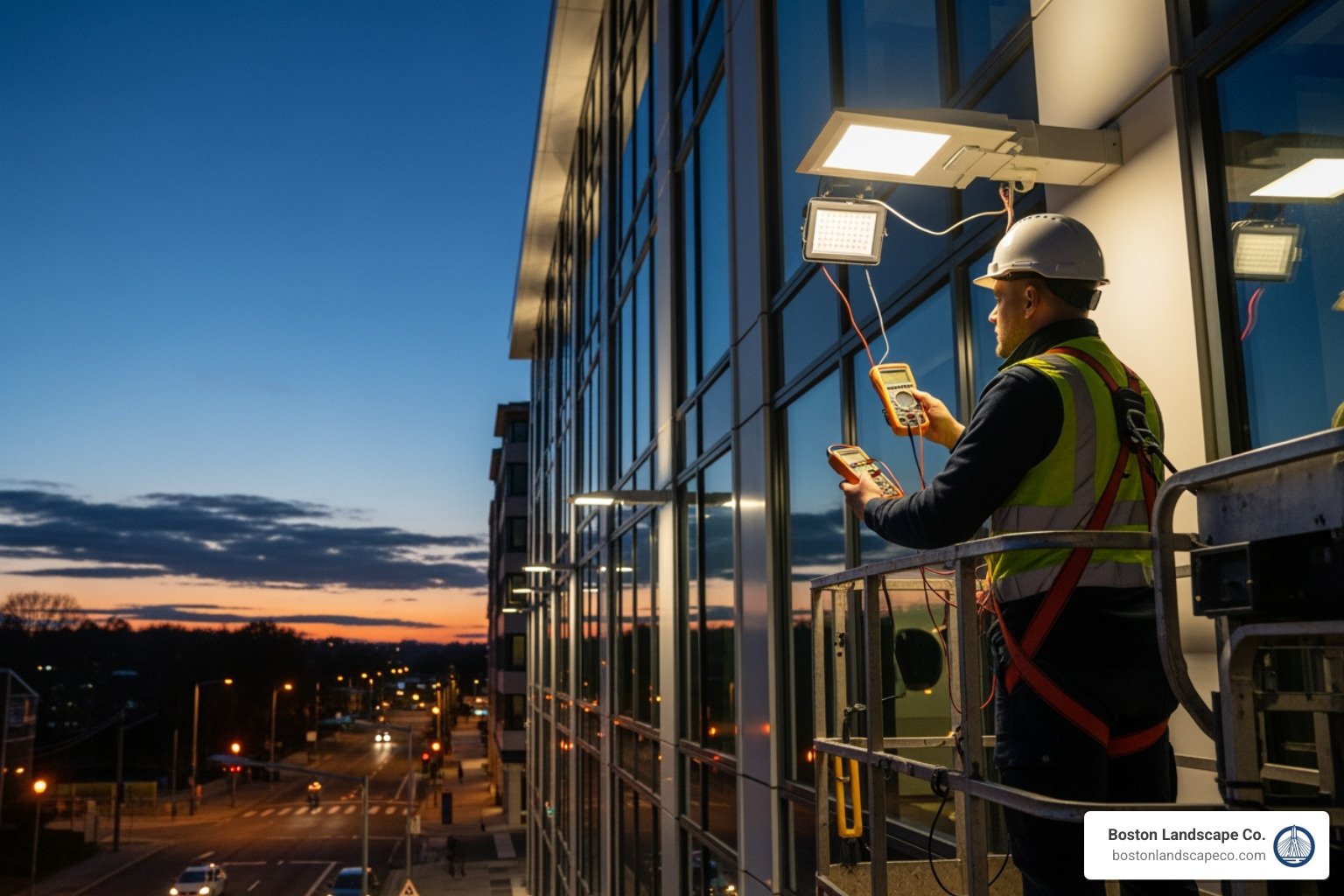
Finally, exterior lighting isn’t just for aesthetics; it’s a critical safety feature. Well-lit pathways and parking areas deter crime and prevent accidents, making your property safe and inviting after dark.
Building Systems and Structural Integrity
While we focus heavily on what’s visible, we also understand the critical importance of what lies beneath and within your commercial building. The complex systems that power your property demand consistent attention.
HVAC systems are the lungs of your building, providing consistent heating and cooling. These systems require periodic filter changes, duct cleanings, and professional tune-ups to operate efficiently. Neglecting them can lead to costly breakdowns, uncomfortable tenants, and higher energy bills.
Plumbing systems are another foundational element. From ensuring proper water pressure to swiftly addressing leaks, well-maintained plumbing prevents water damage, preserves hygiene, and maintains tenant satisfaction.
Electrical systems are the nervous system of your property. Regular inspections of outlets, breaker boxes, and wiring are essential for safety and functionality. Faulty electrical systems can pose serious fire hazards and disrupt business operations.
Roofing inspections are paramount, especially in New England with our harsh weather cycles. A sound roof defends against structural problems and prevents water intrusion. We recommend inspecting your roof twice a year and after major storms to catch minor issues before they become major headaches.
Foundation checks are less frequent but equally important for the structural integrity of your entire building. Identifying and addressing issues early can prevent catastrophic damage.
Fire safety systems are non-negotiable. Regular testing of fire alarms, sprinkler systems, and other emergency equipment ensures they are in working order and comply with safety regulations. We ensure these vital systems are always ready to protect your people and property. You can learn more about the importance of all these systems in The Importance of Regular Property Maintenance for Commercial Buildings: A Guide for Property Owners .
Interior and Common Area Care
The interior spaces of your commercial property, particularly common areas, are where tenants and visitors spend most of their time. These areas must be clean, safe, and welcoming.
Janitorial services are fundamental. Regular cleaning of lobbies, hallways, and offices minimizes wear and tear and maintains a professional atmosphere. A clean lobby welcomes clients and sets a positive tone.
Common area cleaning extends to waiting rooms, conference facilities, and shared kitchens. Keeping these spaces pristine directly impacts tenant satisfaction and employee morale.
Restroom sanitation is critical for health and reputation. Hygienic restrooms cater to occupants and reflect positively on your business.
Waste management must be efficient and discreet. Proper waste removal and recycling programs contribute to cleanliness and sustainability.
General repairs for interior elements, such as fixing leaky faucets, repairing damaged flooring, or addressing minor wall damage, are ongoing tasks that prevent small problems from escalating.
Painting and flooring care are also key. Regular cleaning of floors and carpets, and repainting walls as needed, keep the interior looking fresh and well-maintained.
A Strategic Approach: Proactive vs. Reactive Maintenance
When it comes to Commercial Property Maintenance, there are two main approaches: reactive or proactive. Reactive maintenance is waiting for something to break and then fixing it. Proactive maintenance, on the other hand, is about preventing issues before they occur. We firmly believe that a strategic, proactive approach offers significant cost savings, better long-term planning, and superior risk mitigation.
The Value of Preventative Commercial Property Maintenance
Preventative maintenance is a proactive strategy designed to keep critical assets in optimal working condition. It’s about regular inspections and scheduled service based on time or usage, rather than waiting for a failure. This approach is “super important” for keeping commercial properties in top shape.
The primary goal of preventative maintenance is clear:
- Extending Asset Lifespan: By keeping equipment like HVAC systems clean and well-maintained, you prolong their useful life, avoiding premature replacements.
- Reducing Costly Breakdowns: Reactive maintenance typically costs 2-5 times more than regular, planned care. Addressing minor issues before they become major problems saves you significant money and prevents business disruption.
- Improving Energy Efficiency: Well-maintained systems, especially HVAC, run more efficiently, consuming less energy and lowering your utility costs. Energy-efficient upgrades and regular maintenance can significantly lower operational expenses.
- Ensuring Safety: Regular inspections help identify potential hazards like faulty wiring or structural issues before they cause accidents, reducing liability risks and creating a safer environment for everyone. You can read more about this in Maintenance and Repairs: A Guide to Keeping Commercial Properties in Top Shape .
Creating an Effective Maintenance Schedule
An effective maintenance schedule is your roadmap to a well-maintained property. It helps you stay organized and attentive to preventative services, which, in turn, helps avoid expensive emergencies.
Here’s how we recommend building one:
- Checklists: Develop comprehensive checklists for various tasks, categorized by frequency (daily, weekly, monthly, quarterly, annually).
- Prioritizing Tasks: Prioritize tasks based on urgency and potential impact. Those affecting tenant safety, business operations, or potentially leading to costly damage should be at the top of your list.
- Frequency Determination: Establish routines for regular tasks and schedule less frequent ones based on manufacturer recommendations, industry standards, or local regulations.
- Documentation: Maintain thorough records of all past maintenance activities. This helps track expenses, anticipate future issues, and demonstrate compliance. Digital tools or maintenance management software can be invaluable here.
Here’s a sample spring maintenance checklist we might use for a commercial property in the Greater Boston area:
- Inspect and repair any winter damage to landscaping, hardscaping, and building exterior.
- Clear all debris, leaves, and fallen branches from lawns, beds, and pathways.
- Inspect and repair potholes in parking lots and walkways.
- Perform hydroseeding for bare spots on lawns if needed.
- Start up and test all irrigation systems, checking for leaks or misaligned sprinkler heads.
- Clean and prepare garden beds for seasonal planting.
- Apply fresh mulch to all landscape beds.
- Inspect exterior lighting for torn cables, loose screws, and replace any burnt-out bulbs.
- Clean gutters and downspouts.
- Schedule HVAC system inspection and tune-up.
Differentiating Routine, Preventative, and Emergency Maintenance
Understanding the different types of maintenance helps us allocate resources effectively and respond appropriately.
| Maintenance Type | Description | Urgency | Typical Cost (Relative) | Impact |
|---|---|---|---|---|
| Routine | Regular, ongoing tasks to keep property clean and functional. | Low | Low | Maintains aesthetics, hygiene, and daily functionality. |
| Preventative | Scheduled tasks to inspect, service, and repair equipment to prevent future breakdowns and extend life. | Moderate/Planned | Moderate | Extends asset life, reduces unexpected costs, improves efficiency, ensures safety. |
| Emergency | Immediate response to unexpected failures or incidents that pose danger or severe disruption. | High/Immediate | High | Prevents severe damage, ensures safety, restores critical operations. |
Routine maintenance includes tasks like weekly lawn mowing, daily janitorial services, or regular trash removal. These are predictable and essential for day-to-day operations.
Preventative maintenance involves tasks such as semi-annual HVAC servicing, annual roof inspections, or periodic filter changes. These are planned interventions aimed at avoiding bigger problems down the line.
Emergency maintenance is when there’s a danger to people or property, such as a fire, a broken water line causing flooding, broken gas lines, or a sewer back-up. These require immediate action. Non-emergencies, like a door that “opens funny” or an outlet that doesn’t work, are inconveniences that need attention but not necessarily outside-of-office-hours, immediate response.
Seasonal Maintenance for New England Properties
New England weather is famously unpredictable, and our commercial properties in the Greater Boston area feel the full force of its seasonal changes. From harsh winters to humid summers, adapting your Commercial Property Maintenance strategy to the climate is key to year-round care and weather preparedness.
Spring Awakening and Cleanup
After the long, cold New England winter, spring is a time for renewal and thorough cleanup. Our spring services focus on addressing winter’s aftermath and preparing your property for the warmer months.
- Debris Removal: Clearing dead leaves, branches, and other debris that accumulated over winter.
- Pothole and Pavement Repair: Inspecting and repairing cracks and potholes in parking lots and walkways caused by freeze-thaw cycles.
- Lawn Rejuvenation: Overseeding, fertilizing, and potentially hydroseeding any bare spots to bring your turf back to life.
- Irrigation System Start-up: Safely reactivating and testing your irrigation system, checking for leaks or damage.
- Seasonal Planting: Adding vibrant spring flowers and plants to beds and containers.
- Mulching: Applying fresh mulch to landscape beds to improve aesthetics, retain moisture, and suppress weeds.
Summer Improvement and Upkeep
Summer in Massachusetts brings lush growth and higher temperatures, requiring consistent maintenance to keep your property looking its best and conserving resources.
- Lawn Care: Regular mowing, edging, and fertilization to maintain a healthy, manicured appearance.
- Weed Control: Proactive measures to keep weeds from taking over your landscape beds and lawns.
- Pest Management: Monitoring and treating for common landscape pests that thrive in summer.
- Pruning: Shaping shrubs and trees to encourage healthy growth and maintain clear sightlines.
- Monitoring Water Usage: Adjusting irrigation schedules and utilizing smart irrigation controllers to conserve water while ensuring plant health. We can provide more info about commercial landscaping strategies for summer.
Fall Preparation and Protection
As the leaves change, our focus shifts to preparing your property for winter. Fall maintenance is crucial for protecting your landscape and building from the cold.
- Leaf Removal: Thorough and consistent removal of fallen leaves to prevent suffocating lawns and creating slippery hazards on walkways.
- Gutter Cleaning: Clearing gutters and downspouts of leaves and debris to ensure proper drainage and prevent ice dams.
- Winterizing Irrigation Systems: Shutting down and blowing out irrigation lines to prevent freezing and costly damage.
- Final Mowing: A last cut of the season, often at a lower height, to prepare lawns for winter.
- Fertilization: Applying winterizer fertilizers to strengthen turf roots for the dormant season.
- Wrapping Shrubs: Protecting delicate evergreens and shrubs from winter burn and heavy snow loads.
Winter Safety and Snow Management
New England winters are no joke, and effective Commercial Property Maintenance in the cold months is all about safety and accessibility. We’re always prepared for whatever a Massachusetts winter has to throw at us.
- Snow Plowing: Clearing parking lots and roadways efficiently to ensure access for tenants and customers.
- De-icing Services: Applying salt and other de-icing agents to prevent ice formation on critical surfaces.
- Walkway Clearing: Meticulous shoveling and de-icing of all pedestrian walkways to prevent slip-and-fall incidents.
- Roof Snow Removal: In heavy snowfall, safely removing snow from roofs to prevent structural stress and ice dams.
- Monitoring for Ice Dams: Keeping an eye on roof edges and gutters to prevent dangerous ice dam formation.
Our team at Boston Landscape Co. has extensive experience with more info about snow removal services for commercial properties, ensuring your business remains operational and safe throughout the winter.
The Business Case: How Maintenance Impacts Your Bottom Line
At its heart, Commercial Property Maintenance is a strategic investment in your business’s future. It goes beyond mere aesthetics; it directly influences your financial benefits, brand image, and tenant relations. As one property manager we work with puts it, “Our landscaping is the first thing people notice. It’s not just maintenance – it’s marketing.” This perspective highlights how vital for your property well-maintained grounds have become.
Protecting Your Investment and Boosting Property Value
A well-maintained commercial property is a valuable asset. It’s more attractive to potential tenants and buyers, which directly contributes to its market value. Properties with professionally maintained landscapes, for example, typically see value increases of 5-12%.
Beyond curb appeal, consistent maintenance leads to:
- Higher Occupancy Rates: Well-landscaped commercial buildings often maintain higher occupancy rates. Tenants are more likely to stay in a property that is clean, safe, and well-cared for.
- Premium Rental Prices: A pristine property can command premium rental prices, ensuring a steady and robust income stream for you.
By addressing issues proactively, you prevent minor problems from escalating into major, costly repairs that can erode your property’s value over time.
Enhancing Reputation and Tenant Satisfaction
Your property’s condition profoundly impacts your business’s reputation and the satisfaction of your tenants and their employees.
- Positive First Impressions: A clean, functional, and visually appealing property creates a strong, positive first impression for customers, clients, and visitors. Conversely, a business can get a poor reputation if its appearance is unkempt.
- Employee Morale: Employees in environments with attractive green spaces report higher job satisfaction, lower stress levels, and improved productivity. A well-maintained property fosters a positive and healthy work environment.
- Customer Perception: Customers are more likely to patronize businesses that project an image of professionalism and care, starting with their physical environment.
- Tenant Retention: Existing tenants are more likely to renew leases in a well-maintained environment, ensuring a steady income stream and reducing the costs associated with tenant turnover.
Managing Budgets and Calculating ROI
Smart budgeting and a focus on Return on Investment (ROI) are critical aspects of effective Commercial Property Maintenance.
- Proactive Budgeting: Developing a realistic budget for routine tasks and allocating funds for unexpected repairs is key. Prudent investment in upkeep ultimately preserves property value and mitigates unforeseen repair costs.
- Contingency Funds: Establishing a contingency fund specifically for unexpected repairs provides a financial safety net.
- Cost Avoidance: Reactive maintenance typically costs 2-5 times more than regular, planned care. By identifying and addressing potential issues early, you avoid these higher costs. For instance, routine HVAC maintenance can prevent costly system breakdowns.
- Energy Savings: Energy-efficient upgrades and regular maintenance of systems like HVAC can significantly lower utility costs, contributing directly to your bottom line.
In fact, investing in professional landscape care yields an impressive ROI of 5.5-12.7% through increased property values and improved customer attraction. This demonstrates that maintenance isn’t just an expense; it’s a profitable investment.
Frequently Asked Questions about Commercial Property Maintenance
We often hear similar questions from property owners in Stoneham, Billerica, and across the Greater Boston area. Here are some of the most common inquiries about Commercial Property Maintenance:
Who is responsible for maintenance, the tenant or the landlord?
This is a critical question that should always be clearly outlined in the lease agreement upfront. Typically, the responsibility for Commercial Property Maintenance can vary significantly:
- Tenant Responsibilities: In many commercial leases, especially Triple Net (NNN) leases, the tenant is responsible for a substantial portion of the property’s operating expenses, including maintenance, insurance, and property taxes. This might cover everything from interior repairs to minor exterior upkeep.
- Owner Responsibilities: Major structural, mechanical, and common area maintenance issues are generally the responsibility of the owner or their designated property manager. This often includes the roof, foundation, exterior walls, and shared spaces like parking lots and lobbies.
- Common Areas: Maintenance of common areas, such as shared walkways, parking lots, and exterior landscaping, is usually the landlord’s responsibility, often passed through to tenants as common area maintenance (CAM) charges.
Always refer to your specific lease agreement to understand the precise division of responsibilities.
How do I choose the right maintenance provider?
Choosing the right Commercial Property Maintenance provider, especially in a region like New England, is crucial. Here’s what we recommend considering:
- Local Expertise: Look for providers with a deep understanding of the local climate and soil conditions, which are essential for effective landscaping and snow management in Massachusetts.
- Insurance and Licensing: Ensure the provider is fully licensed and insured (including liability and workers’ compensation). This protects you from potential risks.
- Scope of Services: Do they offer a comprehensive range of services that meet all your needs, from landscaping to snow removal to irrigation? A single provider for multiple services can simplify management.
- References: Ask for references from other commercial property owners in the area and check their work. The “best partnerships are built on trust, but verified with documentation.”
- Communication: Evaluate their communication practices. Do they offer clear reporting, regular updates, and a dedicated point of contact?
- Reliability: Look for a track record of reliability and prompt service, especially for emergency situations.
What role does technology play in modern commercial property maintenance?
Technology is changing Commercial Property Maintenance, making it more efficient, cost-effective, and data-driven.
- CMMS Software: Computerized Maintenance Management Systems (CMMS) centralize work orders, track preventative maintenance schedules, and monitor vendor performance. For commercial property managers overseeing diverse assets or aging buildings, integrating a CMMS can reduce maintenance costs by 15-30%. It becomes increasingly valuable for properties over 100,000 square feet or managing multiple locations.
- IoT Sensors: Internet of Things (IoT) sensors can monitor everything from HVAC performance and water leaks to energy consumption, providing real-time data and alerting you to potential issues before they become major problems.
- Mobile Apps: Mobile applications allow maintenance teams to track tasks, report issues, and communicate efficiently from the field, improving response times and documentation.
- Drones for Inspections: Drones can be used for quick and safe inspections of roofs and other hard-to-reach areas, identifying issues without the need for scaffolding or ladders.
- Smart Irrigation Controllers: These systems use local weather data to optimize watering schedules, significantly reducing water usage (by 30-50%) and ensuring your landscape stays healthy without waste.
Leveraging these technologies can streamline tasks, improve efficiency, and provide valuable insights for data-driven decision-making, helping you maintain your property at its best.
Conclusion
Effective Commercial Property Maintenance is far more than an operational expense; it’s a strategic investment in the longevity, value, and reputation of your property. By adopting a proactive, year-round approach, you not only ensure the safety and aesthetics of your commercial space but also protect your financial investment, improve tenant satisfaction, and boost your business’s bottom line.
At Boston Landscape Co., we understand the unique challenges and opportunities that come with managing commercial properties in the Greater Boston area. With over three decades of local expertise, we’re dedicated to providing comprehensive, custom solutions that keep your property in immaculate condition through every New England season.
Don’t let minor issues become major headaches. Partner with us to ensure your commercial property always makes the best impression.
Request an estimate for your commercial property today and find the Boston Landscape Co. difference.
