
Wetland Protection: Top 5 Vital Steps in 2025
Wetland protection is crucial for preserving one of nature’s vital ecosystems. Wetlands, often overlooked as ‘worthless’ lands, provide essential benefits like filtering pollutants, reducing flood risks, and supporting biodiversity. Protecting them is key to enhancing water quality, safeguarding communities, and fighting climate change.
Quick Overview:
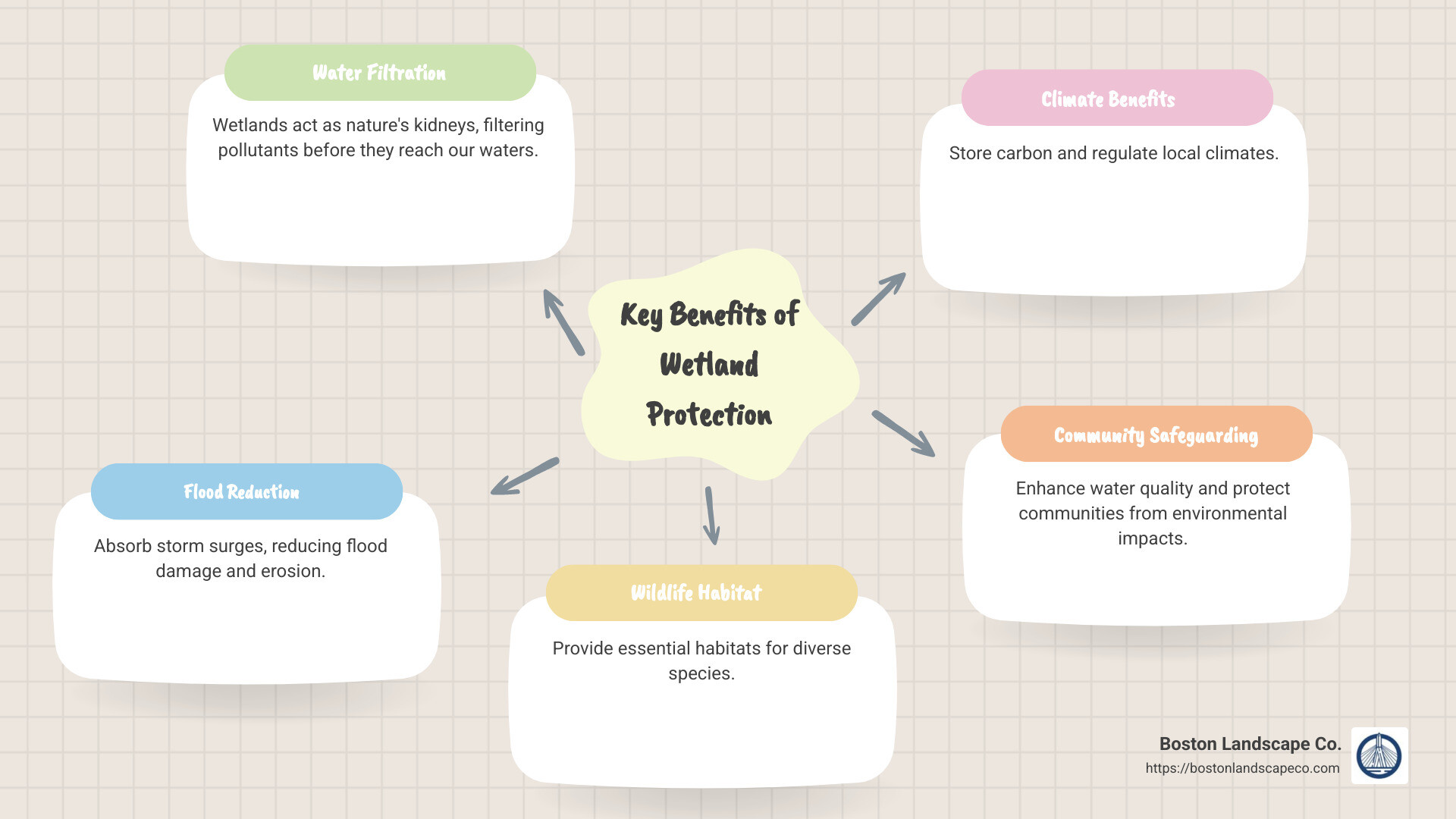
– Wetlands act as nature’s kidneys, filtering pollutants before they reach our waters.
– They absorb storm surges, reducing flood damage and erosion.
– Essential habitats for wildlife, providing homes for diverse species.
– They offer climate benefits, storing carbon and regulating local climates.
My name is Steve Schumacher, and I’ve been part of the landscaping industry for over 30 years with Boston Landscape Co. During my career, I have taken a keen interest in wetland protection and restoration, recognizing their value for both the environment and the communities around us. This experience informs our approach to sustainable landscaping practices, ensuring we keep both aesthetics and environmental preservation at the forefront.
Quick wetland protection terms:
– constructed wetlands in the sustainable landscape
– wetlands landscaping ideas
– wetland design landscape architecture
Understanding Wetlands
Wetlands are unique ecosystems where land and water meet. They play a critical role in maintaining environmental balance. Let’s explore the different types of wetlands and why they matter.
Types of Wetlands
Wetlands are generally categorized into two main types: tidal wetlands and non-tidal wetlands.
Tidal Wetlands
Tidal wetlands, also known as coastal or estuarine wetlands, are found along coastlines. These wetlands fill with water when the tide rises and drain when the tide falls. In the Chesapeake Bay watershed, tidal wetlands play a vital role in protecting shorelines from erosion and providing habitats for marine life. They are essential for maintaining the health of coastal ecosystems.
Key Characteristics:
– Located along shorelines
– Influenced by tidal movements
– Serve as buffers against coastal erosion
Non-Tidal Wetlands
Non-tidal wetlands, or inland wetlands, make up about 86% of the wetlands in the Chesapeake Bay watershed. They contain fresh water and are not influenced by tides. Instead, their water levels depend on precipitation and groundwater. These wetlands are often found near rivers, lakes, and ponds, providing crucial habitats for wildlife and acting as natural water filters.
Key Characteristics:
– Found inland, away from coastlines
– Water levels influenced by precipitation and groundwater
– Important for groundwater recharge and baseflow to streams
Some unique types of non-tidal wetlands include Delmarva Bays and pocosins. Delmarva Bays are shallow depressions found on the Eastern Shore of Maryland, Delaware, and Virginia. Pocosins are isolated bogs with sandy, peat soils, located primarily in southeast Virginia.
Delmarva Bays:
– Shallow, oval-shaped depressions
– Unique to the Delmarva Peninsula
Pocosins:
– Found on sandy, peat soils
– Known as “swamps on a hill”
Why Understanding Wetlands Matters
Understanding the different types of wetlands helps us appreciate their role in the ecosystem. Wetlands are nature’s filtration systems, absorbing pollutants and improving water quality. They also provide habitats for a wide range of species and help mitigate the impacts of climate change by storing carbon.
By recognizing the value of both tidal and non-tidal wetlands, we can better protect these vital ecosystems and ensure they continue to benefit both the environment and our communities.
The Importance of Wetland Protection
Wetlands are nature’s superheroes, offering essential services that improve our environment and quality of life. Let’s explore why wetland protection is crucial for our planet.
Water Quality
Wetlands act as natural water filters. They trap pollutants like nitrogen and phosphorus, which can harm aquatic life. By filtering these pollutants, wetlands help maintain clean water in rivers and lakes.
Storm Damage Reduction
Wetlands serve as natural buffers against storms. During heavy rains, they absorb excess water, reducing the risk of flooding. This not only protects human communities but also prevents soil erosion.
- Key Point: Wetlands’ vegetation slows down water flow, allowing fine sediments to settle and build soil elevation over time.
Wildlife Habitat
Wetlands are busy with life. They provide food, shelter, and breeding grounds for a diverse range of species, from fish and shellfish to amphibians and birds.
Climate Change Mitigation
Wetlands store vast amounts of carbon, more than many forests. This helps reduce greenhouse gases in the atmosphere, combating climate change.
- Insight: Wetlands can store 50 times more carbon than rainforests, highlighting their importance in climate regulation.
By protecting wetlands, we safeguard these invaluable services and ensure a healthier planet for future generations. Next, we’ll explore how to protect these vital ecosystems through regulations, conservation programs, and restoration projects.
How to Protect Wetlands
Protecting wetlands is not just about preserving natural beauty—it’s essential for maintaining a healthy environment. Here’s how we can achieve effective wetland protection through regulations, conservation programs, and restoration projects.
Regulations
Regulations play a critical role in safeguarding wetlands against threats like development and pollution. In the U.S., the Clean Water Act is a cornerstone of wetland protection. It sets standards for water quality and requires permits for any activities that might impact wetlands.
- Example: The Clean Water Act’s Section 404 regulates the discharge of dredged or fill material into waters, including wetlands. This helps prevent harmful alterations to these ecosystems.
Conservation Programs
Conservation programs provide financial and technical support to protect and restore wetlands. The USDA’s wetland conservation provisions are a prime example. These provisions ensure that agricultural activities do not harm wetland areas.
- Opportunity: Producers can receive assistance to restore wetlands on their property, enhancing biodiversity and water quality.
Restoration Projects
Restoration projects aim to bring degraded wetlands back to their natural state. These projects often involve removing invasive species, replanting native vegetation, and restoring natural water flow.
- Case Study: The Chesapeake Bay watershed restoration has been a successful initiative, with efforts to reestablish tidal and non-tidal wetlands that support diverse wildlife and improve water quality.
Restoration not only revives ecosystems but also improves their ability to provide ecosystem services like flood control and carbon storage.
Local Initiatives
Local initiatives, such as those undertaken by Boston Landscape Co., focus on restoring and maintaining wetlands in Massachusetts. These projects often involve community participation, ensuring that local residents are engaged in protecting their natural surroundings.
By combining regulations, conservation programs, and restoration projects, we can effectively protect wetlands and the valuable services they provide. Next, we’ll dive into specific strategies and programs that support wetland protection at the national level.
Wetland Protection Strategies
Wetland protection is crucial for maintaining the health of our ecosystems. Let’s explore some key strategies and programs that play an essential role in safeguarding these vital areas.
EPA Initiatives
The Environmental Protection Agency (EPA) has several initiatives aimed at wetland protection. These efforts focus on both regulatory measures and practical support for wetland conservation.
- Case Studies: The EPA’s regional offices implement various projects custom to local wetland needs. For example, the Chesapeake Bay watershed project emphasizes restoring wetlands to improve water quality and support biodiversity.
- Support and Guidance: The EPA provides technical assistance and funding to state, tribal, and local governments to improve their wetland programs. This support is crucial for implementing effective protection and restoration strategies.
Clean Water Act
The Clean Water Act is a fundamental piece of legislation that underpins wetland protection in the United States. It establishes the framework for regulating discharges into waters and wetlands.
- Section 404: This section requires permits for any activities that involve discharging materials into wetlands. It ensures that such activities do not harm the ecological balance of these areas.
- Supreme Court Ruling: Recent changes, such as the Supreme Court’s ruling in Sackett v. EPA, have narrowed the scope of the Clean Water Act, affecting the protection of certain wetlands. This highlights the ongoing need for robust federal safeguards.
USDA Programs
The United States Department of Agriculture (USDA) offers several programs to support wetland conservation, especially in agricultural contexts.
- Wetland Conservation Provisions: These provisions are part of the Food Security Act and require agricultural producers to avoid converting wetlands for farming. They also offer assistance for wetland restoration on agricultural lands.
- Financial Support: Farmers can access financial and technical assistance to restore wetlands, enhancing their ecological functions and biodiversity.
By leveraging these strategies—EPA initiatives, the Clean Water Act, and USDA programs—we can make significant strides in protecting our wetlands. These efforts not only safeguard natural habitats but also ensure that wetlands continue to provide essential ecosystem services. Next, we’ll address common questions about wetland protection and explore how individuals can contribute to these efforts.
Frequently Asked Questions about Wetland Protection
What are the main threats to wetlands?
Wetlands face several significant threats that can degrade their vital functions. Development is a major concern, as construction and urban expansion often lead to the destruction or alteration of wetland areas. This can disrupt the natural water flow and reduce habitat availability for wildlife.
Invasive species also pose a threat. These non-native plants and animals can outcompete local species for resources, leading to a decline in biodiversity. For example, the introduction of invasive plants can alter soil chemistry and water availability, making it difficult for native species to survive.
Climate change is another critical threat. Rising sea levels, increased temperatures, and more frequent and severe storms can all impact wetlands. These changes can lead to habitat loss and increased erosion, further threatening the delicate balance of these ecosystems.
How can individuals contribute to wetland protection?
Individuals can play a crucial role in wetland protection through community involvement and personal actions. Participating in community projects like local cleanups or wetland restoration efforts can have a direct impact. These projects often involve planting native vegetation or removing invasive species to restore natural habitats.
Advocacy is another powerful tool. Speaking out against harmful development proposals or supporting policies that protect wetlands can influence decision-makers. Joining local or national environmental groups can provide a platform for collective action.
Education is essential for raising awareness about the importance of wetlands. Sharing information with friends, family, and community members can inspire others to take action. Hosting or attending workshops and seminars on wetland conservation can also help spread knowledge and encourage protective measures.
What are the benefits of wetland restoration?
Restoring wetlands offers numerous benefits that extend beyond the immediate environment. One of the key advantages is the improvement of ecosystem services. Wetlands act as natural water filters, improving water quality by trapping pollutants and sediments. They also provide flood protection by absorbing excess rainwater and reducing storm surge impacts.
Biodiversity is significantly boosted through wetland restoration. Rehabilitated wetlands offer habitats for a wide range of species, including birds, fish, and amphibians. This diversity supports complex food webs and contributes to the overall health of the ecosystem.
Wetlands are also crucial for carbon storage. They can store up to 50 times more carbon than rainforests, making them vital in the fight against climate change. By trapping carbon-rich detritus below the water’s surface, restored wetlands help reduce greenhouse gas concentrations in the atmosphere.
By understanding these threats and taking proactive steps, we can all contribute to the ongoing effort to protect and restore our precious wetlands.
Conclusion
At Boston Landscape Co., we believe in the power of community engagement and the critical role it plays in wetland conservation. Our team is committed to preserving these vital ecosystems through a variety of services designed to protect and restore wetlands in the greater Boston area.
Community involvement is at the heart of our approach. By working closely with local residents and organizations, we can tailor our projects to meet the unique needs of each community. This collaboration not only helps us create more effective conservation strategies but also fosters a sense of shared responsibility for our natural spaces.
Our wetland services include restoration and mitigation, where we remove invasive species and reintroduce native plants to refresh these environments. We also specialize in constructing Rain Gardens to manage stormwater runoff, reducing the risk of flooding and protecting water quality.
Wetland conservation is not just about preserving beauty; it’s about maintaining the health of our environment and the well-being of future generations. By choosing Boston Landscape Co., you’re partnering with a team that values sustainability and is dedicated to making a positive impact.
Learn more about how we can help protect and improve your local wetlands by visiting our Wetland Services page. Join us in our mission to safeguard these essential ecosystems for the benefit of all.
