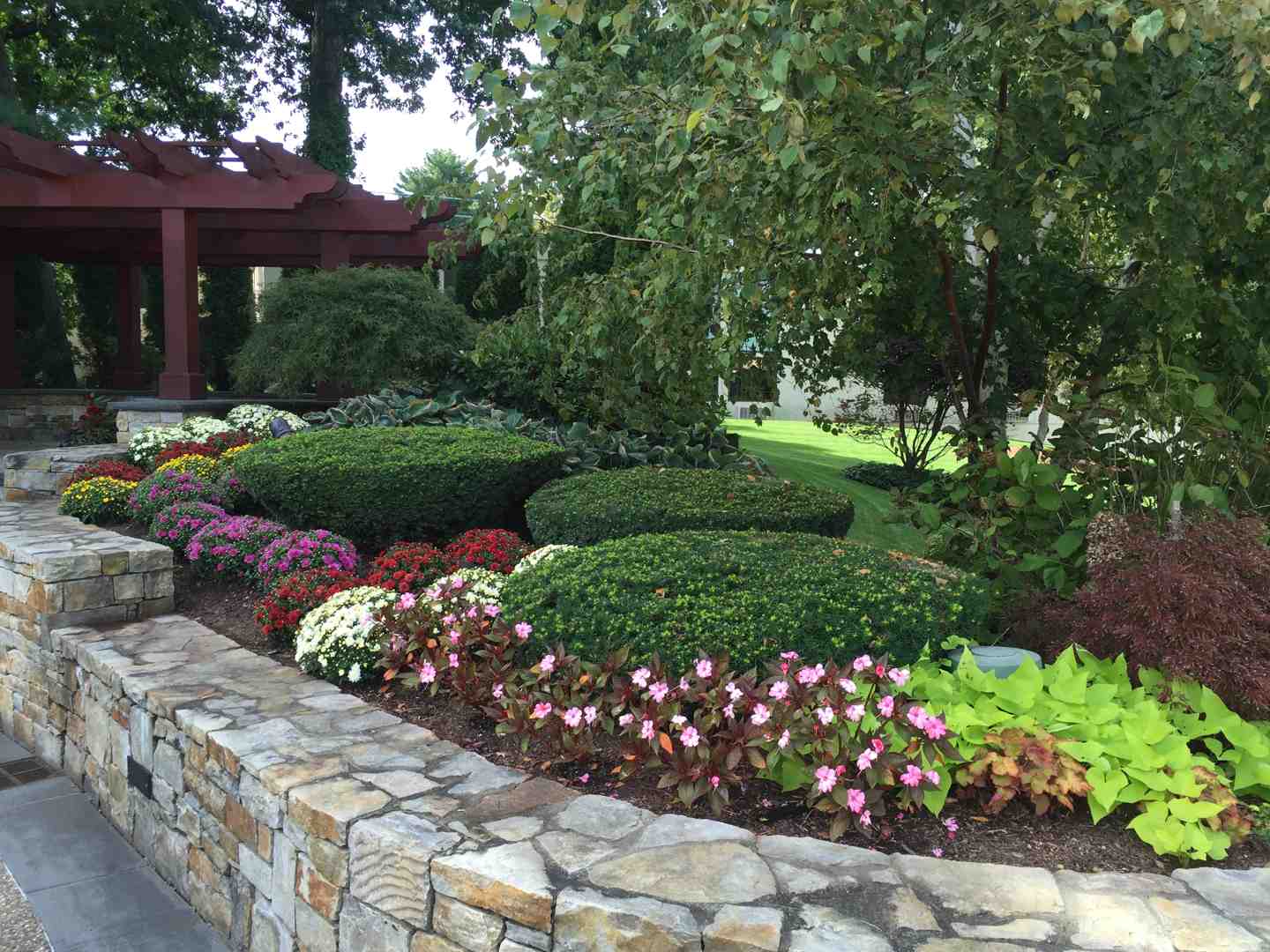
Why Hardscaping and Landscape Design Matter for Your Outdoor Space

Hardscaping and landscape design are the two essential elements that transform any outdoor area into a functional, beautiful extension of your home. Here’s what you need to know:
Key Differences:
- Hardscaping = Non-living elements (patios, walkways, retaining walls, fire pits, decks)
- Landscape Design = Living elements (plants, trees, shrubs, flowers, lawn)
- Together = They create structure, function, beauty, and year-round appeal
Main Benefits:
- Extends your usable living space outdoors
- Reduces maintenance compared to all-lawn yards
- Manages drainage and prevents erosion
- Increases property value by up to 20%
- Creates defined “outdoor rooms” for dining, entertaining, and relaxing
Think of hardscaping as the foundation and bones of your outdoor space—the permanent structures that provide function and define areas. Landscape design brings life and softness through plants that add color, texture, and seasonal interest.
For New England homeowners, this combination is particularly important. Our four distinct seasons demand outdoor spaces that look good and function well year-round. A well-designed stone patio stays beautiful under summer sun and winter snow. Strategic plantings provide spring blooms, summer shade, fall color, and winter structure.
The magic happens when these elements work together. A bluestone walkway gains warmth when bordered by flowering perennials. A retaining wall becomes a garden feature when softened with cascading plants. An outdoor dining area feels complete with a pergola overhead and planted containers nearby.
I’m Steve Schumacher, owner-operator of Boston Landscape Co since 1991, and I’ve spent over three decades helping homeowners throughout the Greater Boston area master the art of hardscaping and landscape design to create outdoor spaces they truly love. Whether you’re starting from scratch or enhancing an existing yard, understanding how these elements complement each other is the first step toward your dream outdoor space.
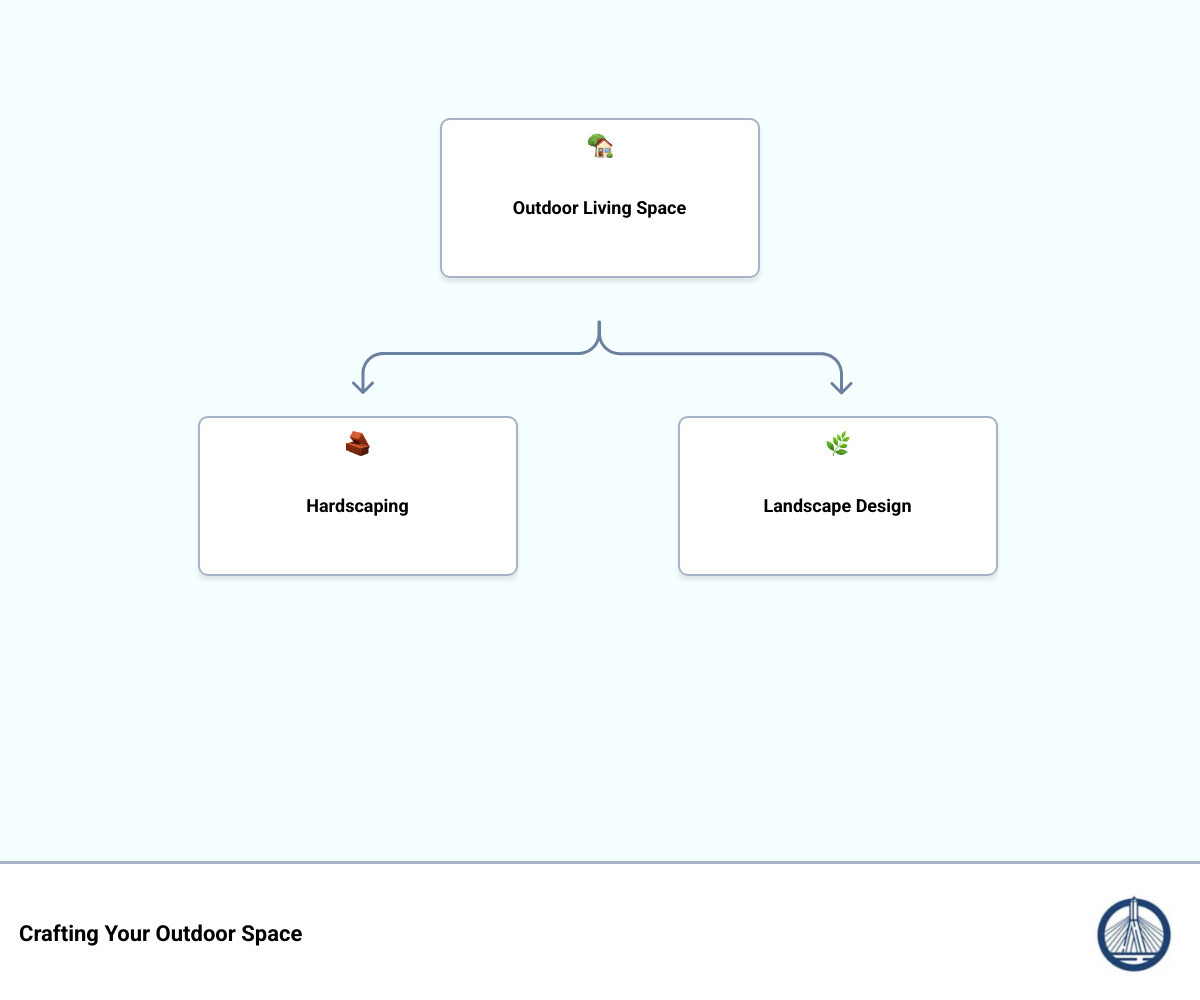
Quick hardscaping and landscape design definitions:
The Foundation vs. The Flourish: Understanding Hardscape and Landscape
When I talk to homeowners about outdoor design, I often describe it as building a house. You need a solid foundation and framework before you add the finishing touches that make it feel like home. That’s exactly how hardscaping and landscape design work together—one provides the bones, the other brings the beauty.

Hardscaping creates the essential structure that makes your outdoor space functional. It’s what allows you to manage tricky sloped yards in Reading, direct water away from your foundation during spring thaw, and create level areas where you can actually place furniture without it tipping over. Here in New England, where we get everything from summer thunderstorms to winter nor’easters, these permanent features are your outdoor space’s best friend.
Think about a terraced retaining wall on a sloped property. It’s not just holding back soil—it’s preventing erosion, managing water runoff, and creating flat, usable spaces where you might otherwise have a muddy hillside. Plus, hardscaping can actually help regulate soil temperature by absorbing heat during the day, which prevents standing water and discourages mold growth in those shady corners of your yard.
What is Hardscaping?
Hardscaping is everything in your yard that doesn’t grow. These are the permanent, non-living elements that form the backbone of your outdoor design. They’re built to last, providing stability and defining how you move through and use your property.
Patios and decks are probably what most people think of first. They’re essentially outdoor rooms—places where you can set up furniture, grill dinner, or watch the kids play without worrying about muddy shoes. We’ve seen patios completely transform how families use their backyards, turning rarely-used grass into a gathering spot that gets used nearly every evening from spring through fall.
Walkways and pathways do more than just protect your lawn from worn-down trails. They guide visitors, create a sense of journey through your landscape, and make your yard accessible even after a rainstorm. A primary walkway leading to your front door should be about 4-5 feet wide—wide enough for two people to walk comfortably side by side. Garden paths can be narrower, around 2-3 feet, inviting a more intimate stroll through your plantings.
Retaining walls are problem-solvers. If you’ve got a slope, they can transform it from a landscaping headache into a beautiful multi-level garden. They prevent soil erosion, create terraces for planting beds, and can even double as built-in seating around a fire pit. I’ve seen countless Woburn and Burlington properties where a well-placed retaining wall turned an unusable hillside into the best part of the yard.
Fire pits and outdoor fireplaces extend your season. There’s something magical about gathering around a fire on a crisp October evening, and these features let you enjoy your yard well into fall and even on mild winter nights. The numbers back up their popularity too—fire pits typically offer around a 78% return on investment when you sell your home.
Water features like fountains, ponds, and waterfalls add another dimension entirely. They create soothing sounds that can mask traffic noise from busy Waltham or Burlington streets, and they become natural focal points that draw the eye and invite people to linger.
Pergolas and shade structures define outdoor rooms while providing relief from our sometimes intense summer sun. They create that indoor-outdoor feeling that makes a patio feel like a true extension of your home.
These hardscape elements need minimal maintenance compared to living plants. With our CMHA certification in concrete paver installation, we ensure these features are built to handle New England’s freeze-thaw cycles and last for decades.
What is Landscaping (Softscaping)?
Now here’s where the magic happens. Softscaping is everything that grows—all the living elements that bring your outdoor space to life. While hardscaping provides the structure, softscaping provides the soul.
Trees are the anchors of any landscape design. They provide shade that can reduce your cooling costs by up to 25%, privacy from neighbors, and that gorgeous fall color we’re famous for here in Massachusetts. A well-placed deciduous tree shades your patio in summer but lets warming sunlight through in winter when it drops its leaves.
Shrubs offer year-round structure, especially evergreens that look good even under a blanket of January snow. They’re perfect for screening utility boxes, creating privacy hedges, or simply adding layers of texture to your beds.
Perennials and annuals are where you get to have fun with color. These are the flowers that bloom from spring through fall, attracting pollinators and adding that “wow” factor that makes people slow down when they walk past your house. We always recommend native plants when possible—they’re adapted to our climate, need less water, and support local wildlife.
Lawn provides that classic green carpet that’s perfect for kids and dogs to play on. It’s the soft contrast that makes your hardscaped patios and walkways stand out.
Mulch beds might seem like a minor detail, but they’re workhorses. They suppress weeds, conserve moisture during summer dry spells, protect plant roots from temperature extremes, and give your landscape that finished, professional look.
The beauty of softscaping is how it changes. Spring brings fresh green growth and early blooms. Summer explodes with color. Fall delivers that spectacular New England foliage. Even winter has its quiet beauty with evergreen structure and ornamental grasses catching snow. This seasonal rhythm keeps your yard interesting all year long.
[TABLE] comparing Hardscaping and Landscaping
| Feature | Hardscaping | Landscaping (Softscaping) |
|---|---|---|
| Elements | Stone, pavers, wood, concrete, metal, gravel, structures (patios, walls, fire pits) | Plants, grass, soil, mulch, flowers, trees, shrubs |
| Purpose | Structure, function, access, defining spaces, drainage, erosion control | Aesthetics, nature, softening hard edges, seasonal interest, environmental benefits |
| Lifespan | Long-term, permanent (often 25-50+ years for quality installations) | Dynamic, changes with seasons, requires ongoing care and occasional replacement |
| Maintenance | Sealing, cleaning, occasional repair, joint replenishment (e.g., polymeric sand) | Watering, pruning, weeding, mowing, fertilizing, pest control, seasonal planting |
The real secret to great outdoor design is understanding that neither hardscaping nor softscaping works alone. You need both working together—the permanent structure and the living beauty—to create a space that’s functional, beautiful, and uniquely yours.
The Art of Integration: Principles for Cohesive Hardscaping and Landscape Design
The true magic of an exceptional outdoor space lies in how hardscaping and landscape design work together in harmony. It’s not about separate elements competing for attention, but about creating a unified environment where every feature complements the next. The goal is to maximize human enjoyment while minimizing costs and negative environmental impacts.
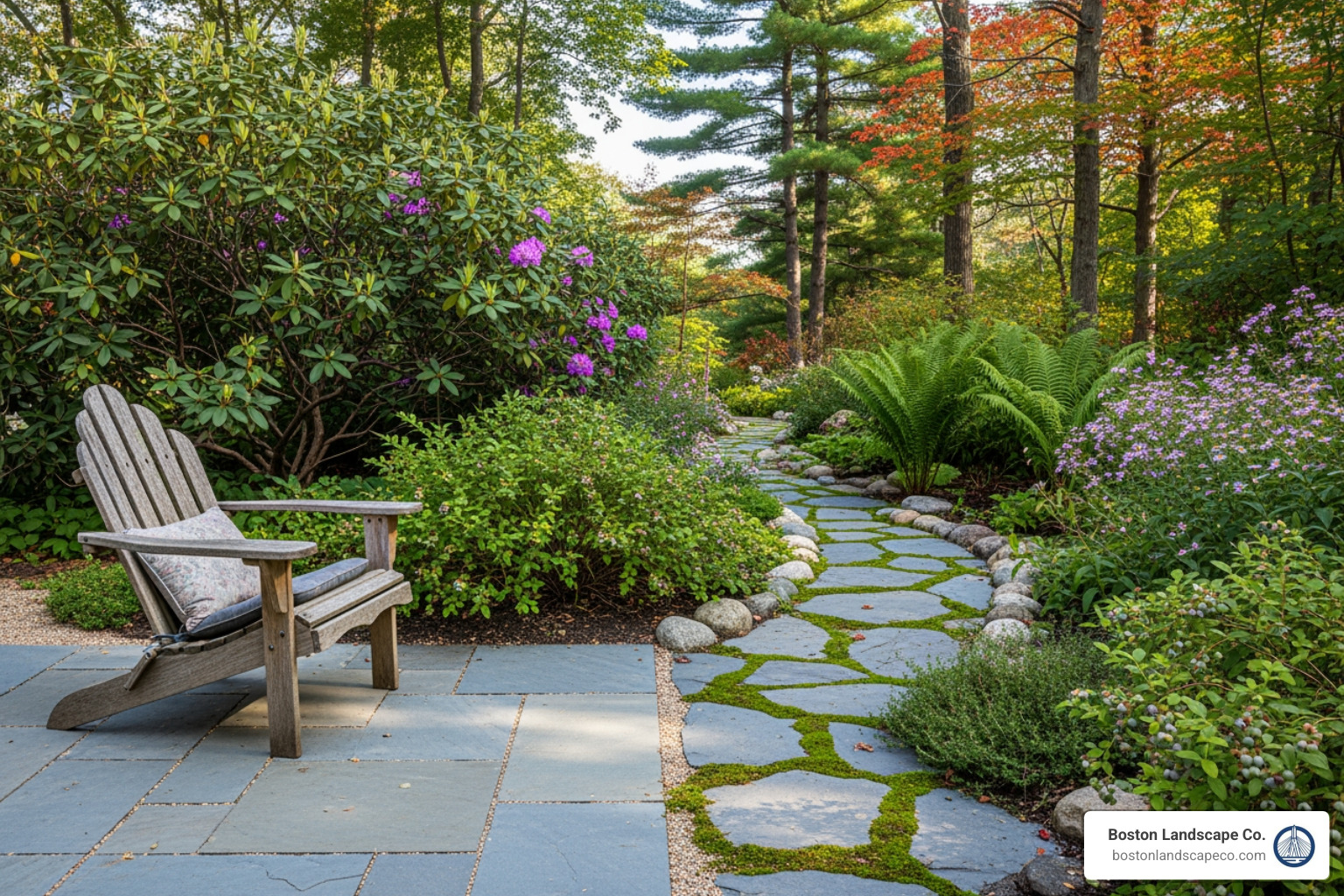
When we approach a project in places like Stoneham or Billerica, our focus is on creating a cohesive outdoor experience that feels like a natural extension of your home. This involves applying fundamental design principles—unity, balance, scale, and flow—ensuring that both the static hardscape and living softscape elements contribute to an overall beautiful and functional space. More info about our design process.
Think of it this way: hardscaping provides the stage, but landscaping brings the performance. Neither works well alone. A patio without surrounding plantings feels cold and sterile. A beautiful garden without proper pathways becomes inaccessible and impractical. The artistry is in the integration.
Creating Unity and Balance in Your Design
Unity and balance are the cornerstones of successful hardscaping and landscape design. When these principles are applied thoughtfully, your outdoor space feels intentional and complete rather than haphazard or disjointed.
Repetition of materials is one of the most effective ways to create unity throughout your property. If you use bluestone for your patio, consider extending that same material to nearby walkways or as coping on a retaining wall. This creates visual threads that tie the entire space together. The same principle applies to colors and patterns—repeating a warm gray stone throughout various features helps the eye move smoothly from one area to the next.
The choice between symmetrical and asymmetrical balance sets the tone for your entire design. Symmetrical balance offers a formal, orderly feel that works beautifully for traditional homes. Picture identical plantings flanking a central front walkway or matching stone columns on either side of a patio entrance. Asymmetrical balance, on the other hand, provides a more natural, relaxed aesthetic by using different elements of equal visual weight to create equilibrium. A large existing oak tree on one side of your yard might be balanced by a grouping of smaller ornamental trees, shrubs, and a water feature on the other side. Both approaches work—it’s about what feels right for your home and lifestyle.
Connecting to your home’s architecture is crucial for making your outdoor space feel like it truly belongs. We look at your home’s exterior materials, colors, and architectural style as a starting point. If you have a classic brick colonial in Lexington, incorporating brick into your walkways or retaining walls creates immediate cohesion. A contemporary home might call for clean-lined concrete pavers and modern plantings with strong architectural form.
The most successful yards strike a visual balance between hardscape and softscape elements, often around a 40% hardscape to 60% softscape ratio. This prevents the space from feeling too cold and uninviting (too much hardscape) or too unstructured and maintenance-heavy (all softscape). In spring, when everything is blooming, this balance becomes especially apparent—the structure provided by patios and walls gives definition to the explosion of color from flowering perennials and shrubs.
Establishing Functionality, Flow, and Focal Points
Hardscaping elements are pivotal in establishing how your outdoor space actually functions. They guide movement, define activity zones, and draw the eye to key features. Without thoughtful planning, even a beautiful space can feel awkward to use.
Walkways do more than just protect your lawn—they dictate how people move through and experience your yard. A curved path creates a sense of mystery and invites exploration, making even a small yard feel larger as it disappears around plantings. Straight paths offer efficiency and a more formal feel, perfect for a front entry or direct route to a garage. The width matters too: primary walkways should be about 4-5 feet wide to allow two people to walk comfortably side by side, while secondary garden paths can be 2-3 feet wide for solo strolling. Learn about the basic principles of landscape design.
Defining distinct spaces transforms an open yard into a series of purposeful destinations. A paved patio becomes your outdoor dining room, properly scaled to accommodate your table and chairs with room to pull out seats comfortably—typically 10-12 feet in diameter. A cozy seating area around a fire pit becomes an outdoor living room, perfect for gathering with friends on cool spring evenings or crisp fall nights. Hardscaping creates these “outdoor rooms” that extend your living space beyond four walls.
Every great design needs a focal point—something that immediately captures attention and anchors the space. A beautifully crafted stone fire pit draws people in and creates natural gathering spots. A tranquil fountain provides soothing sounds that mask traffic noise from busy streets in Burlington or Waltham. A striking specimen tree—perhaps a Japanese maple with brilliant spring foliage—becomes a living sculpture that changes with the seasons. These focal points give your eye somewhere to rest and your design a sense of purpose.
The Role of Plants in Hardscaping and Landscape Design
Plants are the secret ingredient that transforms good hardscaping into exceptional outdoor design. They soften hard edges, add seasonal color and texture, and bridge the visual gap between built structures and the natural world.
Softening hard edges is perhaps the most important role plants play in integrated design. A stark retaining wall becomes inviting when cascading perennials spill over its top edge. A concrete patio feels less severe when surrounded by ornamental grasses that sway in the breeze. Strategic plantings around the base of structures help them feel grounded and intentional rather than plopped down.
Adding color and texture brings your hardscaping to life throughout the seasons. In spring, early bulbs like crocuses and daffodils pop against stone pathways. Summer brings lush hostas and vibrant daylilies that complement bluestone patios. Fall offers spectacular foliage from native shrubs like burning bush or blueberry, creating a warm backdrop for outdoor fire pit gatherings. Even winter has its beauty—evergreen shrubs and ornamental grasses with seed heads provide structure and visual interest against snow-covered pavers.
Choosing plants for the New England climate is critical for success. We focus on native and adapted species that thrive in our zone 6a conditions and handle our temperature swings, occasional droughts, and heavy snow loads. Native plants also support local pollinators and require less maintenance once established. More info about residential landscaping.
Considering mature plant size prevents future problems and maintains your design’s integrity. That cute little shrub at the nursery might grow to 8 feet wide in five years, potentially overwhelming your walkway or blocking windows. We always plan for mature size, spacing plants appropriately and selecting varieties that fit the scale of your hardscape features. A dwarf cultivar might be perfect next to a low seat wall, while a larger specimen tree works better as a focal point in an open lawn area.
The integration of plants with hardscaping creates layers of interest that make your space feel complete. Low groundcovers fill joints between pavers, mid-height perennials define edges, and taller shrubs provide privacy and structure. This layering mimics nature while maintaining the functionality your hardscaping provides.