
Constructed Wetlands in the Sustainable Landscape: Top 3 Benefits
Constructed wetlands in the sustainable landscape are playing a key role in changing our approach to eco-friendly design. If you’re interested in sustainable landscaping solutions that improve biodiversity and manage water efficiently, constructed wetlands are the answer.
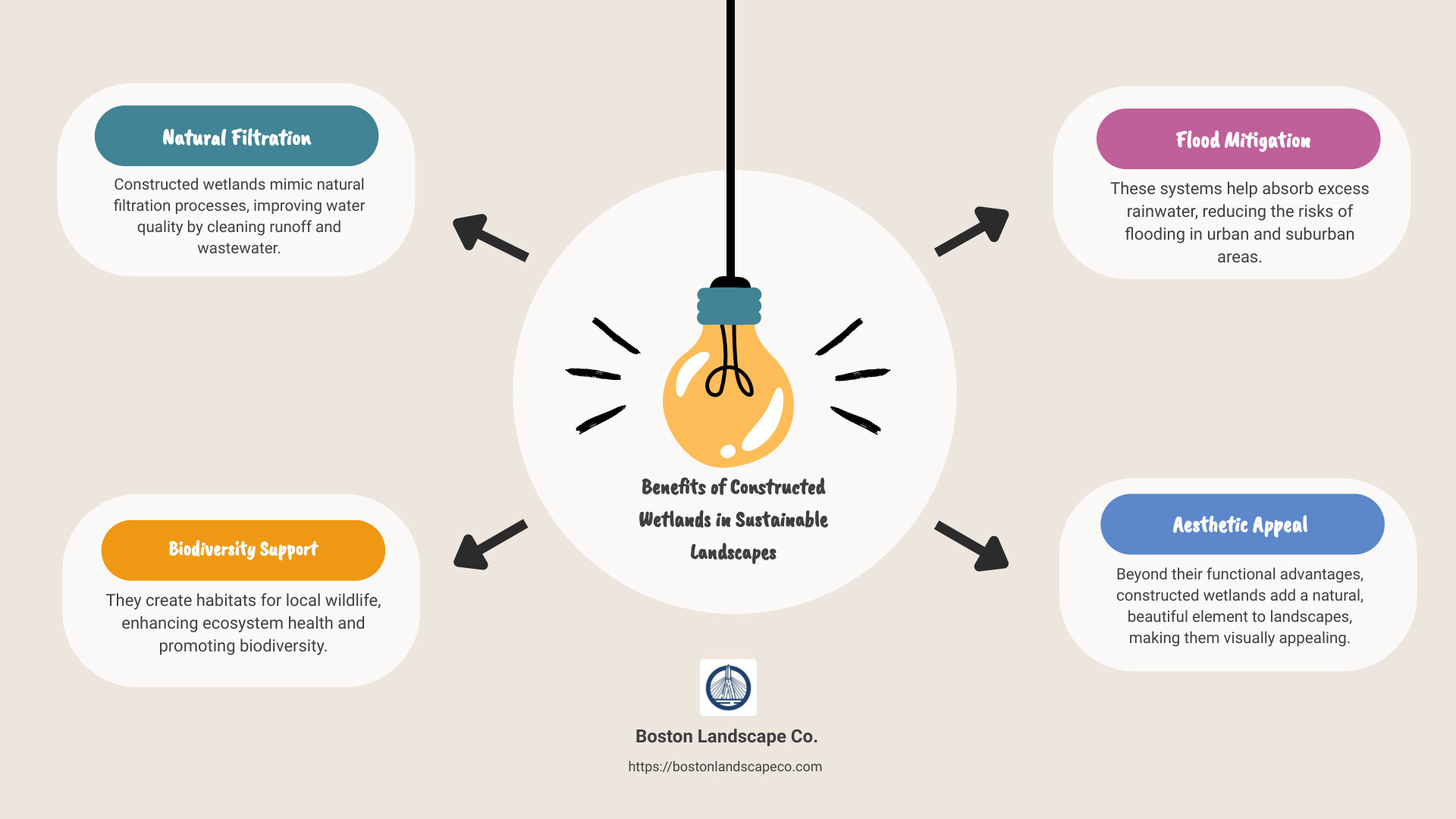
- Natural Filtration: Constructed wetlands mimic natural filtration processes, cleaning runoff and wastewater.
- Biodiversity Support: They create habitats for local wildlife, promoting ecosystem health.
- Flood Mitigation: These systems help absorb excess rainwater, reducing flood risks.
- Aesthetic Appeal: Beyond functionality, they add a natural, beautiful element to landscapes.
I’m Steve Schumacher, owner of Boston Landscape Co. With over three decades in the landscaping industry, I’ve witnessed how constructed wetlands in the sustainable landscape can revolutionize urban and suburban spaces. They not only solve practical issues like water management but also create lush, vibrant environments that benefit both people and wildlife.
Basic constructed wetlands in the sustainable landscape vocab:
– Wetland Landscaping Services
– allowable wetlands landscaping
The Role of Constructed Wetlands in Sustainable Landscaping
Benefits of Constructed Wetlands
Water Management: Constructed wetlands are a game-changer in managing water efficiently. They naturally filter pollutants from stormwater and wastewater, making them cleaner before they re-enter the water cycle. This process mimics natural wetlands, which have been doing this job for centuries.
Biodiversity: These wetlands create rich habitats for a variety of wildlife, from birds and insects to amphibians and small mammals. By supporting local ecosystems, they help maintain biodiversity and contribute to the health of the environment.
Stormwater Treatment: Constructed wetlands are excellent at handling stormwater. They absorb excess rainwater, reducing the risk of flooding. This is particularly important in urban areas where impermeable surfaces like roads and buildings can cause rapid runoff.
Habitat Creation: Beyond water management, constructed wetlands provide essential habitats for local wildlife. They offer food, shelter, and breeding grounds, which are crucial for maintaining healthy populations of various species.
Challenges and Solutions in Constructing Wetlands
Regulatory Problems: Building constructed wetlands often involves navigating complex regulations. For instance, the recent Supreme Court ruling on the EPA’s authority can impact how wetlands are regulated. Understanding and complying with these regulations is essential for successful projects.
Design Complexities: Designing a constructed wetland involves multiple disciplines, including landscape architecture, environmental engineering, and urban planning. The collaboration of experts ensures that the wetland is both functional and aesthetically pleasing.
Solutions: To overcome these challenges, it’s crucial to work with experienced professionals who understand the intricacies of wetland construction. Using case studies, like the EcoPark Project in the Jordan Valley, can provide valuable insights into successful strategies.
By addressing these challenges, constructed wetlands can become a cornerstone of sustainable landscaping, offering numerous benefits while enhancing the beauty and functionality of urban and suburban spaces.
Key Components of Constructed Wetlands
How Constructed Wetlands Work
Constructed wetlands are intricate systems designed to mimic natural wetlands. They integrate various components to manage water efficiently and support biodiversity. Let’s break down some key elements: cisterns, lagoons, rain gardens, water recycling, and filtration systems.
Cisterns
Cisterns are large storage tanks used to collect and store rainwater. They play a crucial role in water recycling by capturing runoff from roofs and other surfaces. This stored water can be used for irrigation, reducing the reliance on municipal water supplies. Efficient use of cisterns helps in managing stormwater and conserving water resources.
Lagoons
Lagoons are shallow ponds designed to treat wastewater through natural processes. They use sunlight, algae, and microorganisms to break down pollutants. Lagoons are cost-effective and low-maintenance, making them suitable for both small and large-scale applications. They also provide habitats for aquatic life, contributing to biodiversity.
Rain Gardens
Rain gardens are shallow, planted depressions that absorb rainwater runoff from impervious surfaces like roofs and driveways. They help in reducing erosion, filtering pollutants, and recharging groundwater. Rain gardens are aesthetically pleasing and can be integrated into urban landscapes, enhancing the visual appeal while promoting sustainability.
Water Recycling
Water recycling in constructed wetlands involves the reuse of treated water for various purposes, such as irrigation or industrial processes. This reduces the demand for fresh water and minimizes wastewater discharge. By recycling water, constructed wetlands help in conserving water resources and reducing environmental impact.
Filtration Systems
Filtration systems are essential for removing contaminants from water. In constructed wetlands, these systems use a combination of physical, chemical, and biological processes to treat water. Plants, soil, and microorganisms work together to filter out pollutants, making the water cleaner and safer for reuse.
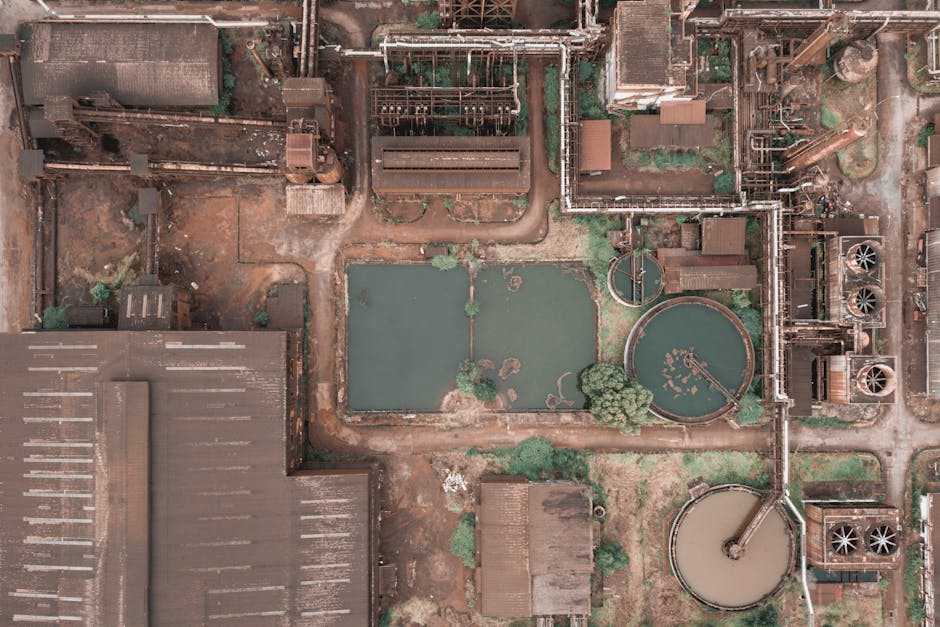
Constructed wetlands effectively filter pollutants from stormwater and wastewater, making them cleaner before they re-enter the water cycle.
By integrating these components, constructed wetlands create a sustainable solution for water management. They not only treat water but also support local ecosystems and improve the beauty of landscapes.
Next, we’ll explore some successful case studies to see these components in action.
Case Studies: Successful Constructed Wetlands
Phipps’ Center for Sustainable Landscapes
The Phipps’ Center for Sustainable Landscapes (CSL) in Pittsburgh is a shining example of how constructed wetlands can create a sustainable landscape. This facility is not only beautiful but also highly functional, achieving the Living Building Challenge, the world’s most rigorous green building standard.
Key Features:
– Biophilic Design: Incorporates natural elements to improve human well-being.
– Renewable Energy: Uses 125 kW solar panels, a vertical axis wind turbine, and 14 geothermal wells.
– Water Treatment: Cisterns, a lagoon, rain gardens, and constructed wetlands treat all storm and sanitary water on-site.
The CSL demonstrates how buildings can operate cleanly and efficiently, serving as a model for integrating buildings with their surrounding landscapes. The project has received multiple accolades, including LEED® Platinum and WELL Building Platinum certifications.
EcoPark Project in the Jordan Valley
The EcoPark Project in the Jordan Valley addresses severe water scarcity and environmental degradation. This project uses constructed wetlands to treat wastewater and restore the environment.
Key Features:
– Water Crisis Solutions: Recycles wastewater for agricultural use, reducing the strain on freshwater resources.
– Environmental Restoration: Restores degraded landscapes by reintroducing native plant species and creating new habitats for wildlife.
The EcoPark Project has transformed a barren area into a thriving ecosystem, showcasing the power of constructed wetlands in solving water crises and promoting environmental sustainability.
Protecting New York City with Wetlands
New York City leverages constructed wetlands for flood resilience and environmental protection. The city’s wetlands provide natural flood control by absorbing stormwater and reducing erosion.
Key Features:
– Flood Resilience: Wetlands absorb and hold floodwater, reducing the impact of storm surges.
– Soft Edge Concept: Improves the city’s waterfront with natural landscapes that protect against erosion and provide recreational spaces.
Projects like the Jamaica Bay Wildlife Refuge highlight the critical role of wetlands in urban areas. Despite challenges like Hurricane Sandy, these wetlands continue to offer essential protection and habitat for wildlife.
By integrating constructed wetlands into urban landscapes, cities can improve their resilience to climate change, manage water resources effectively, and create beautiful, sustainable environments.
Next, we’ll dig into the legal and regulatory considerations surrounding the construction of wetlands.
Constructed Wetlands in the Sustainable Landscape: Legal and Regulatory Considerations
Impact of Recent Legal Changes on Wetland Construction
Constructed wetlands are powerful tools for sustainable landscaping, but building them involves navigating a complex legal landscape. Recent changes in regulations and high-profile court cases have significant implications for landowners and developers.
One of the most impactful legal considerations revolves around the Environmental Protection Agency (EPA) regulations. The EPA oversees the Clean Water Act (CWA), which aims to protect the waters of the United States, including wetlands. However, defining which wetlands fall under these protections has been a contentious issue.
A landmark Supreme Court decision in May 2023 further complicated this landscape. In the case of Sackett v. EPA, the court ruled in favor of an Idaho couple, Chantell and Mike Sackett, who had been in a long-standing battle with the EPA over their property. The court’s decision introduced a stringent new test for determining which wetlands are protected under the CWA. Justice Samuel Alito, writing for the majority, stated that only wetlands with a “continuous surface connection” to navigable waters are covered by the Act. This means many wetlands previously protected may no longer qualify, potentially putting them at risk.
This ruling has significant implications for landowners and developers. Those planning to build on or near wetlands must now carefully assess whether their projects fall under federal jurisdiction. This can lead to regulatory problems and potential delays as developers steer the new legal requirements.
President Joe Biden expressed concern over the ruling, stating that it jeopardizes the protection of millions of acres of wetlands and the clean water sources they support. He emphasized that his administration would use every legal authority to safeguard these critical ecosystems.
For landscape architects and planners, understanding these legal changes is crucial. They must stay updated on the latest regulations and court rulings to ensure compliance and avoid costly legal battles.
In summary, while constructed wetlands offer numerous environmental benefits, their development is closely tied to evolving legal frameworks. Stakeholders must steer these challenges carefully to successfully integrate wetlands into sustainable landscapes.
Frequently Asked Questions about Constructed Wetlands
How do constructed wetlands contribute to urban water management?
Constructed wetlands are a game-changer for urban water management. They help manage stormwater, reduce flooding, and improve water quality.
Water Management Benefits:
– Stormwater Treatment: Constructed wetlands filter stormwater, removing pollutants before the water reaches rivers and lakes. This is especially important in cities where runoff from streets can carry harmful substances.
– Flood Control: These wetlands act like sponges, absorbing excess rainwater and reducing the risk of floods. For instance, in Kunshan, China, the creation of an ecological wetland has significantly improved flood resilience.
– Water Recycling: They can also recycle wastewater, making it safe for irrigation and other uses. This reduces the demand on municipal water supplies.
What are the environmental benefits of integrating constructed wetlands in urban areas?
Constructed wetlands offer a host of environmental benefits that make them an essential component of sustainable urban landscapes.
Environmental Benefits:
– Biodiversity: They create habitats for a variety of wildlife, including birds, amphibians, and insects. In Kunshan, more than 60 species of wild animals have found a home in newly constructed wetlands.
– Pollution Reduction: Wetlands naturally filter out pollutants from water, improving the quality of local water bodies. This helps protect both human health and the environment.
– Carbon Sequestration: Wetlands capture and store carbon dioxide, playing a role in mitigating climate change. They also help cool urban areas by providing green spaces.
How can constructed wetlands be designed to be both functional and aesthetically pleasing?
Constructed wetlands can be both practical and beautiful, enhancing the urban landscape while providing essential ecological services.
Design Tips:
– Integrate Art: Use ecological art to make wetlands visually appealing. For example, landscape engineering can include sculptures or artistic plant arrangements.
– Native Plants: Choose native plants that thrive in local conditions. This not only ensures the wetland’s success but also supports local wildlife. Plants like Beach Plum and American Beachgrass are excellent choices for coastal areas.
– Multifunctional Spaces: Design wetlands to serve multiple purposes. They can be water treatment facilities, wildlife refuges, and recreational spaces all in one. New York City has used wetlands to protect against floods while creating beautiful, green spaces for residents.
By combining functionality with aesthetics, constructed wetlands can become a cherished part of the urban environment, offering both ecological and social benefits.
Conclusion
At Boston Landscape Co., we believe in the power of constructed wetlands in the sustainable landscape. These eco-friendly solutions not only improve the beauty of urban spaces but also provide vital environmental benefits.
Sustainable Future
Constructed wetlands are a cornerstone of our commitment to a sustainable future. They help manage stormwater, reduce flooding, and improve water quality. By integrating these natural systems, we can create landscapes that are both functional and beautiful, contributing to a healthier environment for everyone.
Community Benefits
The benefits of constructed wetlands extend beyond the environment. They create habitats for wildlife, offering educational and recreational opportunities for the community. Imagine walking through a lush wetland, spotting various bird species, and learning about the local ecosystem. These spaces foster a deeper connection to nature and promote community well-being.
We are dedicated to making Boston a greener, more sustainable city. Our wetland landscaping services are designed to meet the unique needs of each project, ensuring that every wetland we create is both effective and aesthetically pleasing.
Join us in our mission to create a sustainable future. Let’s transform our urban landscapes with the power of constructed wetlands, making Boston a model for eco-friendly design and community-driven sustainability.
