
Artificial Grass Lawn Installation: Top 5 Easy Steps
Artificial grass lawn installation offers a transformative solution for homeowners and property managers in the Greater Boston area who seek an eco-friendly, low-maintenance alternative to traditional lawns. With its lush appearance and year-round greenery, artificial grass eliminates the time-consuming tasks of watering, mowing, and fertilizing, thus creating more opportunity to enjoy your outdoor space without the fuss.
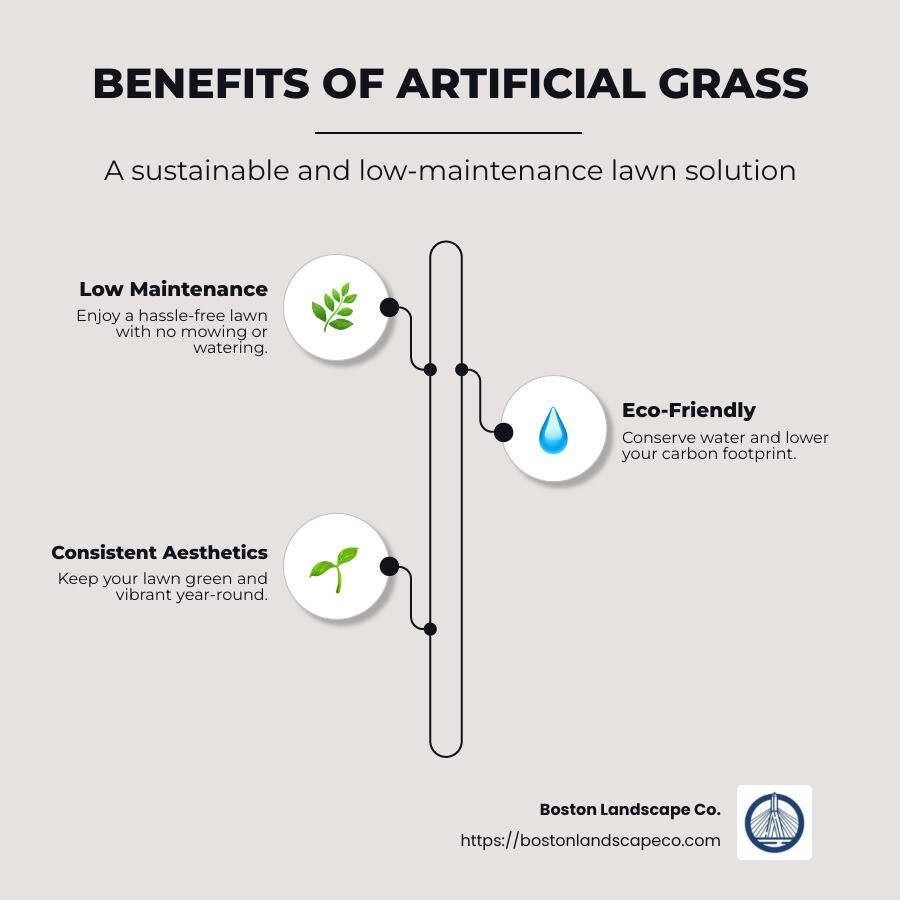
- Benefits of Artificial Grass:
- Low Maintenance: Say goodbye to routine lawn care and hello to hassle-free living.
- Eco-Friendly: Conserve water and reduce your carbon footprint with a solution that doesn’t require irrigation.
- Consistent Aesthetics: Enjoy a vibrant, green lawn in every season, regardless of weather conditions.
Ready to make a sustainable and stylish upgrade? Artificial grass could be your ideal solution.
I’m Steve Schumacher, owner-operator of Boston Landscape Co. for over three decades. My expertise in artificial grass lawn installation ensures every project is executed with precision and quality, enhancing the beauty and functionality of your outdoor space.
Learn more about artificial grass lawn installation:
– synthetic lawn base
– synthetic lawn maintenance
– synthetic lawn cost
Essential Preparations for Artificial Grass Lawn Installation
Before diving into your artificial grass lawn installation, it’s crucial to lay the groundwork—literally and figuratively. This means choosing the right grass, measuring your area precisely, checking for permits, and identifying any underground utilities. Let’s break it down:
Choose the Right Artificial Grass
Selecting the perfect artificial grass for your needs is the first step. Consider factors like durability, texture, and color. If you have pets or children, you’ll want something robust that can handle wear and tear. Look for features such as:
- Face Weight: Heavier grass often means more durability.
- Blade Shape: Affects the look and feel underfoot.
- Material: Nylon is durable, polypropylene is softer, and polyethylene offers a balance of both.
The price can range from $1.50 to $11.60 per square foot, depending on quality and features. Higher-end options often come with longer warranties.
Measure the Area
Accurate measurements prevent headaches down the line. Use a tape measure to determine the length and width of your space. Consider any odd shapes or corners where additional cuts might be needed. Artificial grass typically comes in 15-foot rolls, so plan accordingly.
- Pro Tip: Double-check your measurements to ensure you order enough turf. It’s better to have a little extra than to come up short.
Check Permits and Regulations
Before you start digging, check if you need any permits. This is especially important for larger projects or those involving significant changes to your landscape. In some cases, permits are required for:
- Sloped or hillside installations
- Projects disturbing over 2,500 square feet of soil
- Changes to the grade by more than 24 inches
Identify Utilities
Safety first! Before any excavation, contact a service like Call Before You Dig to mark utility lines. This step is crucial to avoid damaging gas lines, water pipes, or electrical cables. It helps prevent legal issues and ensures your project proceeds without incident.
By taking these essential preparation steps, you’re setting the stage for a smooth and successful artificial grass lawn installation. Now, let’s move on to the actual installation process, where we’ll get our hands dirty and transform your outdoor space.
Step-by-Step Guide to Artificial Grass Lawn Installation
Now that you’ve prepped your area, it’s time for the real work—artificial grass lawn installation. Follow these steps to ensure a smooth and professional-looking finish.
Prepare the Ground
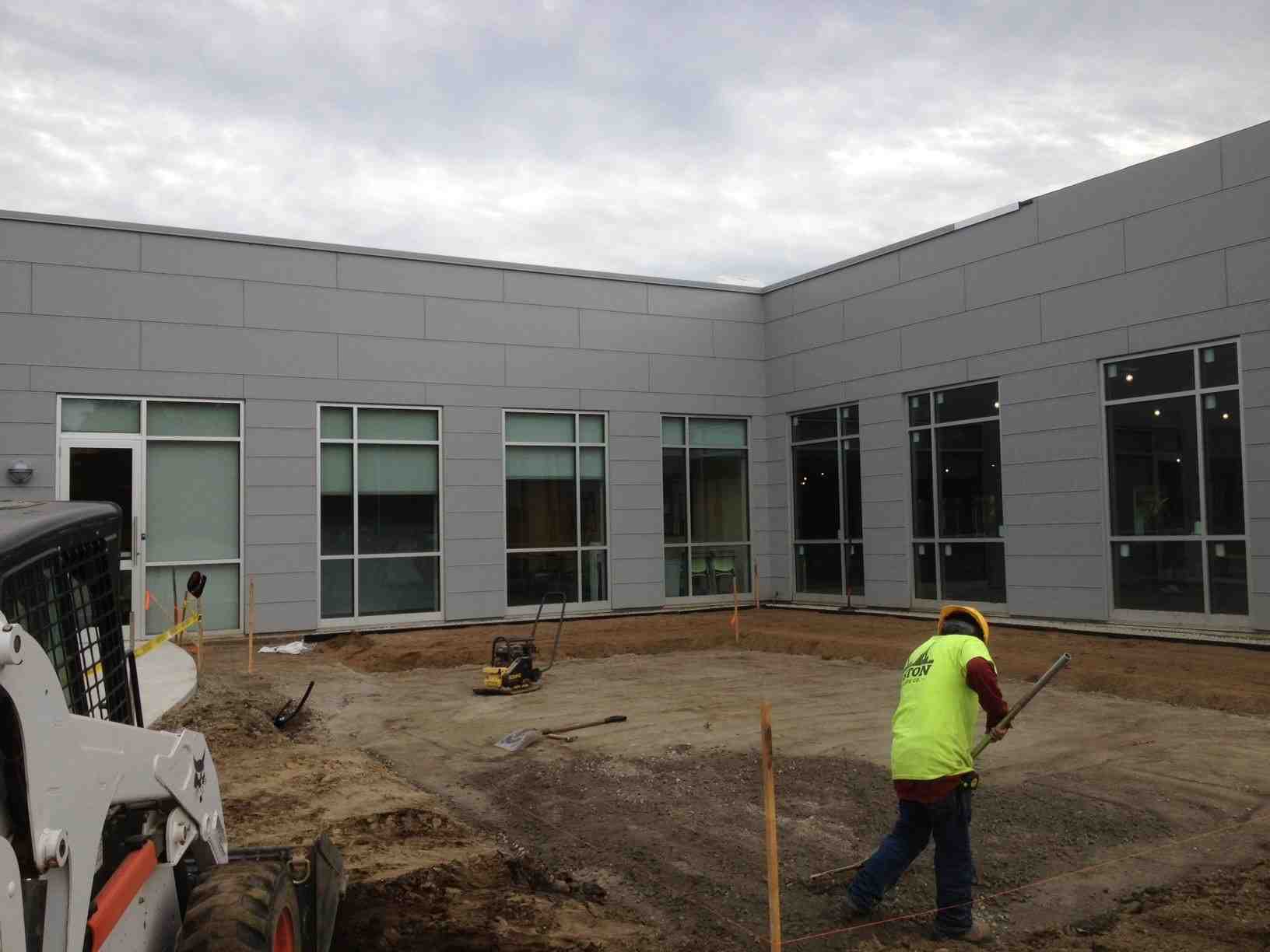
Start by clearing the area of any existing grass, weeds, or debris. Use a sod cutter for larger spaces, which you can rent from most hardware stores. For smaller areas, a garden spade will do the trick.
- Pro Tip: Water the soil a few days before you start. This makes it easier to dig and remove existing grass.
Next, level the ground using a rake. Remove any rocks or large clumps of soil to create a smooth surface. Ensuring the ground is even will prevent bumps in your artificial lawn.
Compact the Soil
Compacting the soil is a crucial step. It ensures a stable base for your artificial grass.
- Use a hand tamper for small areas or a plate compactor for larger spaces.
- Work from the highest point and move outward for a level surface.
Install Drainage
Proper drainage prevents water from pooling on your lawn. If your area has poor drainage, like clay soil, you’ll need to install a drainage system.
- Drill small holes: Space them about 8 inches apart and 6 to 10 inches deep.
- Fill with pea gravel: This helps water flow easily through the base.
- Check for low spots: Add more gravel if necessary to keep the surface even.
Lay the Turf
Unroll your artificial grass and let it sit for a few hours. This allows it to settle and prevents wrinkles.
- Align the turf pieces so the blades face the same direction for a natural look.
- Trim the edges using a utility knife, allowing an extra inch for tucking.
Pro Tip: Overcut slightly along the edges. You can always trim more if needed.
Secure the Edges
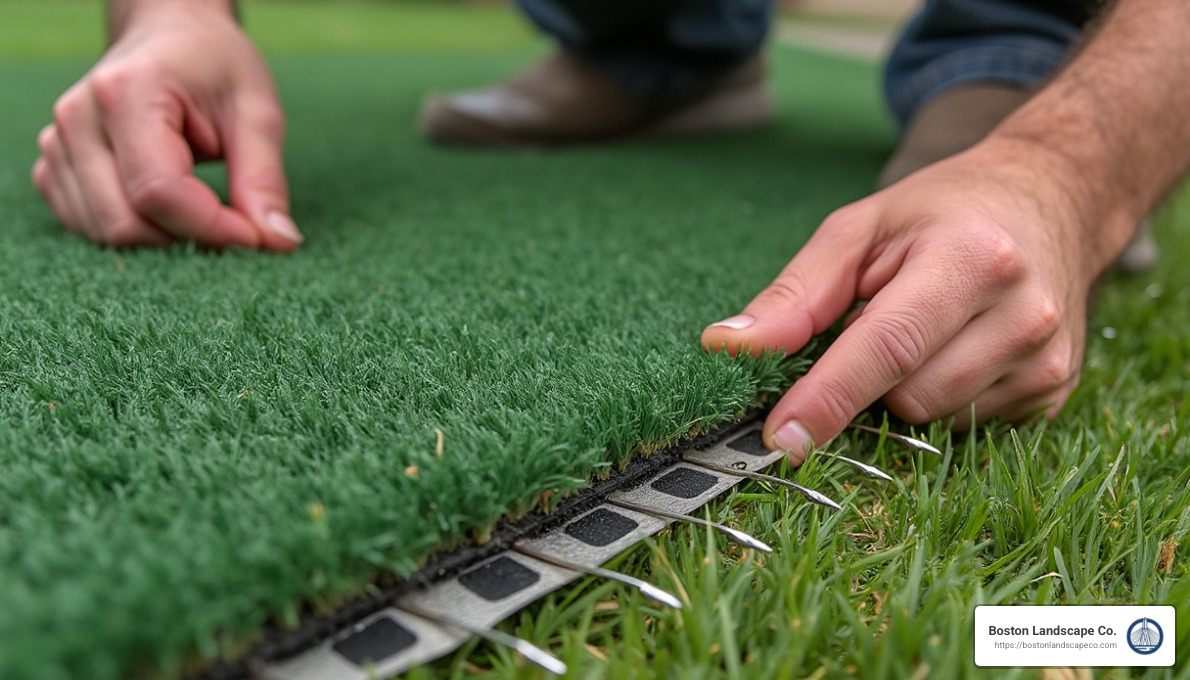
Finally, secure your artificial grass to prevent it from shifting. Use galvanized nails or turf spikes every 6 inches along the edges. For seams, apply seaming tape and adhesive to connect the pieces.
- Nail Down: Place nails about ½ inch from the edge.
- Seam the Turf: Press the edges together firmly over the tape.
By following these steps, you’ll create a beautiful, low-maintenance lawn that stays vibrant all year round. Next, we’ll dive into the tools and materials you’ll need to complete your artificial grass installation.
Tools and Materials Needed
For a successful artificial grass lawn installation, having the right tools and materials is key. Here’s what you’ll need:
Base Materials
A solid base ensures your artificial grass looks great and lasts long. You’ll need:
- Crushed Rock or Decomposed Granite: These materials create a stable and well-draining foundation. Lay a 2- to 4-inch layer over the area.
- Weed Barrier: An optional but useful layer to prevent pesky weeds from poking through your turf.
Seaming Tape and Adhesive
When joining two pieces of turf, seaming tape and adhesive are your best friends.
- Seaming Tape: Use this to connect the edges of turf pieces. It ensures a seamless look.
- Turf Adhesive: Specially designed glue that holds the seams firmly in place. Apply it evenly for the best results.
Infill
Infill is crucial for keeping the grass blades upright and adding weight to the turf.
- Silica Sand or Rubber: These are common infill materials. Silica sand is often preferred for its natural look and feel. Spread about 2 pounds per square foot.
Utility Knife
A sharp utility knife is essential for trimming the turf to fit your space perfectly.
- Pro Tip: Always use a fresh blade for clean cuts. This helps avoid jagged edges and ensures a neat finish.
Other Tools
- Tape Measure: For accurate measurements.
- Hammer: To secure nails or turf spikes.
- Garden Hose: Useful for wetting the ground before digging.
- Landscape Rake: Helps in leveling the base material.
- Push Broom: Use it to brush in the infill and keep the turf blades upright.
With the right tools and materials, your artificial grass installation will be smooth and efficient. Ready to transform your outdoor space? Up next, we’ll explore how to care for and maintain your new artificial lawn to keep it looking fresh and lush.
Care and Maintenance of Artificial Grass
Once your artificial grass lawn installation is complete, maintaining it is key to keeping it looking fresh and vibrant. Here’s how to care for your new lawn:
Cleaning Tips
Regular cleaning helps keep your artificial grass in top shape. Here’s what you can do:
- Debris Removal: Use a leaf blower or a plastic rake to clear away leaves, twigs, and other debris. This prevents mold and keeps the turf clean.
- Spot Cleaning: For spills or pet waste, act promptly. Mix a mild detergent with water, use a soft cloth or sponge to clean the area, and rinse thoroughly with water.
- Deep Cleaning: Occasionally hose down your turf to remove dust and pollen. A turf cleaner can also be used for a more thorough clean.
Brushing Techniques
Brushing your artificial grass is crucial to maintaining its natural look:
- Regular Brushing: Use a push broom with synthetic bristles to brush the turf. This keeps the grass blades upright and looking fresh. Avoid metal bristles as they can damage the turf.
- Cross-Brushing: Brush against the direction of the grass blades to lift them up. This is especially useful in high-traffic areas to prevent matting.
Infill Maintenance
Infill plays a vital role in the longevity of your artificial lawn:
- Top-Up Infill: Over time, the infill may settle or get displaced. Check and top up as necessary to ensure the grass blades remain upright.
- Even Distribution: Use a drop-spreader to distribute infill evenly. This helps maintain a smooth surface and prevents any unevenness.
With these simple maintenance steps, your artificial lawn will stay beautiful and functional for years to come. Let’s move on to some frequently asked questions about artificial grass lawn installation.
Frequently Asked Questions about Artificial Grass Lawn Installation
What should I put down before installing artificial grass?
Before you begin your artificial grass lawn installation, it’s crucial to prepare the ground properly. Start with a solid base to ensure your lawn lasts for years.
- Base Materials: Use Class II road base or decomposed granite. These materials provide stability and allow for proper drainage. Spread a 3 to 4-inch layer and compact it well. This prevents bumps and ensures a smooth surface for your turf.
- Weed Barrier: Lay down a weed barrier fabric to prevent weeds from growing through your turf. This step saves you time and hassle in the future by keeping your lawn weed-free.
Can I install artificial grass myself?
Yes, you can! DIY artificial grass lawn installation is possible if you’re comfortable with some hands-on work. It requires some special tools and following the manufacturer’s instructions carefully.
- DIY Installation: Many homeowners choose to install artificial grass themselves to save money. You’ll need tools like a utility knife, a compactor, and a push broom. Follow each step closely for a smooth finish.
- Professional Help: If you’re not confident in your DIY skills or want a flawless result, hiring a professional installer is a smart choice. They bring expertise and often offer warranties for peace of mind.
Is artificial grass bad for the environment?
The environmental impact of artificial grass is a topic of debate. Let’s break it down:
- Eco-friendly Aspects: Artificial grass conserves water since it doesn’t require irrigation. It also reduces the need for pesticides and fertilizers, which can harm the environment.
- Concerns: Some argue that the production of artificial grass involves synthetic materials that take a long time to decompose. However, advancements are being made to create more sustainable options.
In conclusion, while artificial grass has both pros and cons, its water-saving benefits and low maintenance make it an appealing choice for many homeowners.
Now that we’ve covered some common questions, let’s explore the tools and materials needed for a successful installation.
Conclusion
At Boston Landscape Co., we understand that changing your outdoor space into a stunning, low-maintenance oasis can be a game-changer for your home. Our expertise in artificial grass lawn installation ensures that your project will not only improve the beauty of your property but also add value and functionality.
Choosing professional installation with us means you’re opting for quality and peace of mind. Our skilled team handles everything from preparation to the final touches, ensuring every detail is perfect. We tailor each installation to fit the unique layout and needs of your space, providing a seamless and natural-looking finish.
Artificial grass offers numerous benefits, such as conserving water and reducing the need for harmful chemicals. With our professional services, you can enjoy these advantages without the hassle of a DIY project.
If you’re ready to take the next step in improving your outdoor space, visit our Synthetic Lawns Service Page to learn more about how we can help you achieve the lawn of your dreams. Let’s work together to create an outdoor area that you’ll love for years to come.
