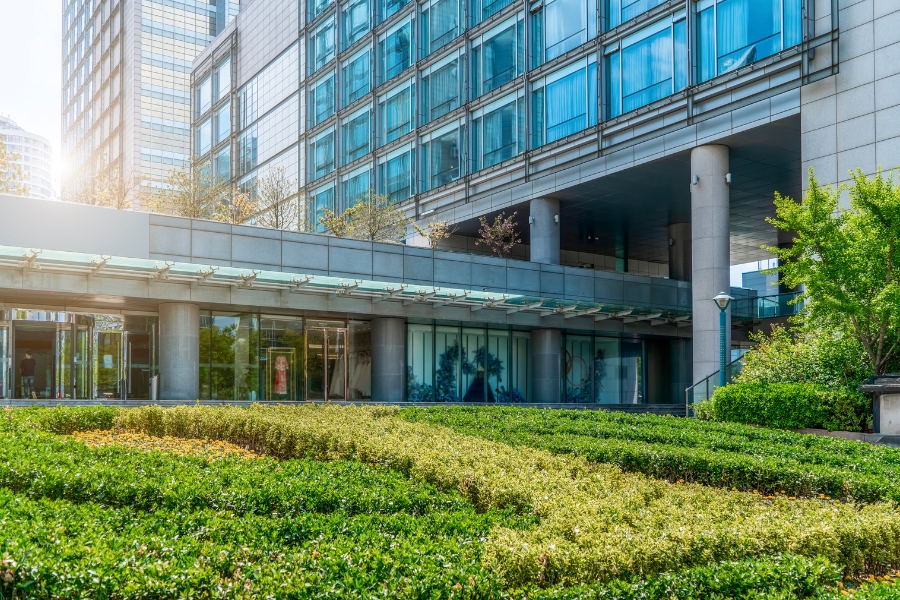
Preservation – Commercial: 5 Vital Tips for Success 2024

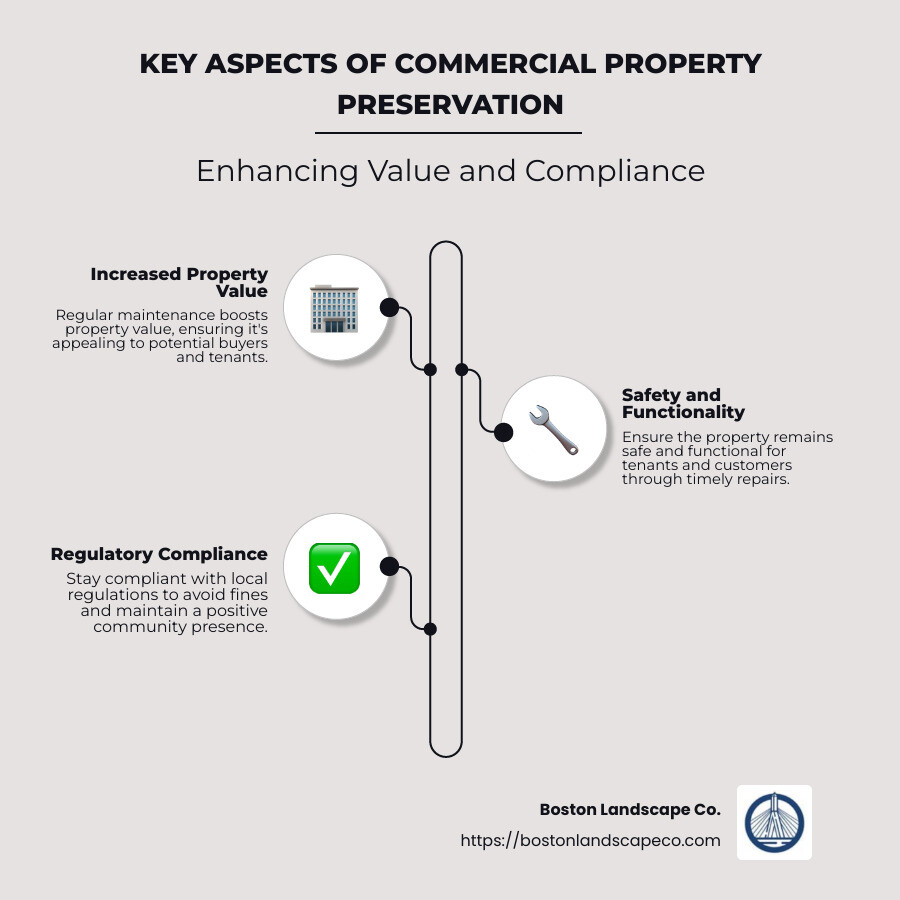
Preservation – commercial is crucial for maintaining and enhancing the value of properties, ensuring they remain safe, functional, and attractive. Managing these properties includes regular maintenance, timely repairs, and ensuring compliance with regulations, all of which result in:
- Increased property value
- Safety for tenants and customers
- Compliance with local regulations
- Reduced risk of vandalism
If you manage or own a commercial property, prioritize these key aspects to achieve a well-preserved asset.
I’m Steve Schumacher. With decades of experience in landscape management at Boston Landscape Co, I’ve helped numerous property owners excel in preservation – commercial by maintaining aesthetic appeal and compliance. Up next, we will dig into why preserving your property is essential for both cultural and economic benefits.
Handy preservation – commercial terms:
– landscape design service chelmsford
– landscape lighting chelmsford ma
– landscaping chelmsford ma
Importance of Commercial Property Preservation
Preserving commercial properties is more than just maintaining buildings. It’s about safeguarding the cultural wealth and diversity of our communities while boosting local economies.
Cultural Wealth and Community Diversity
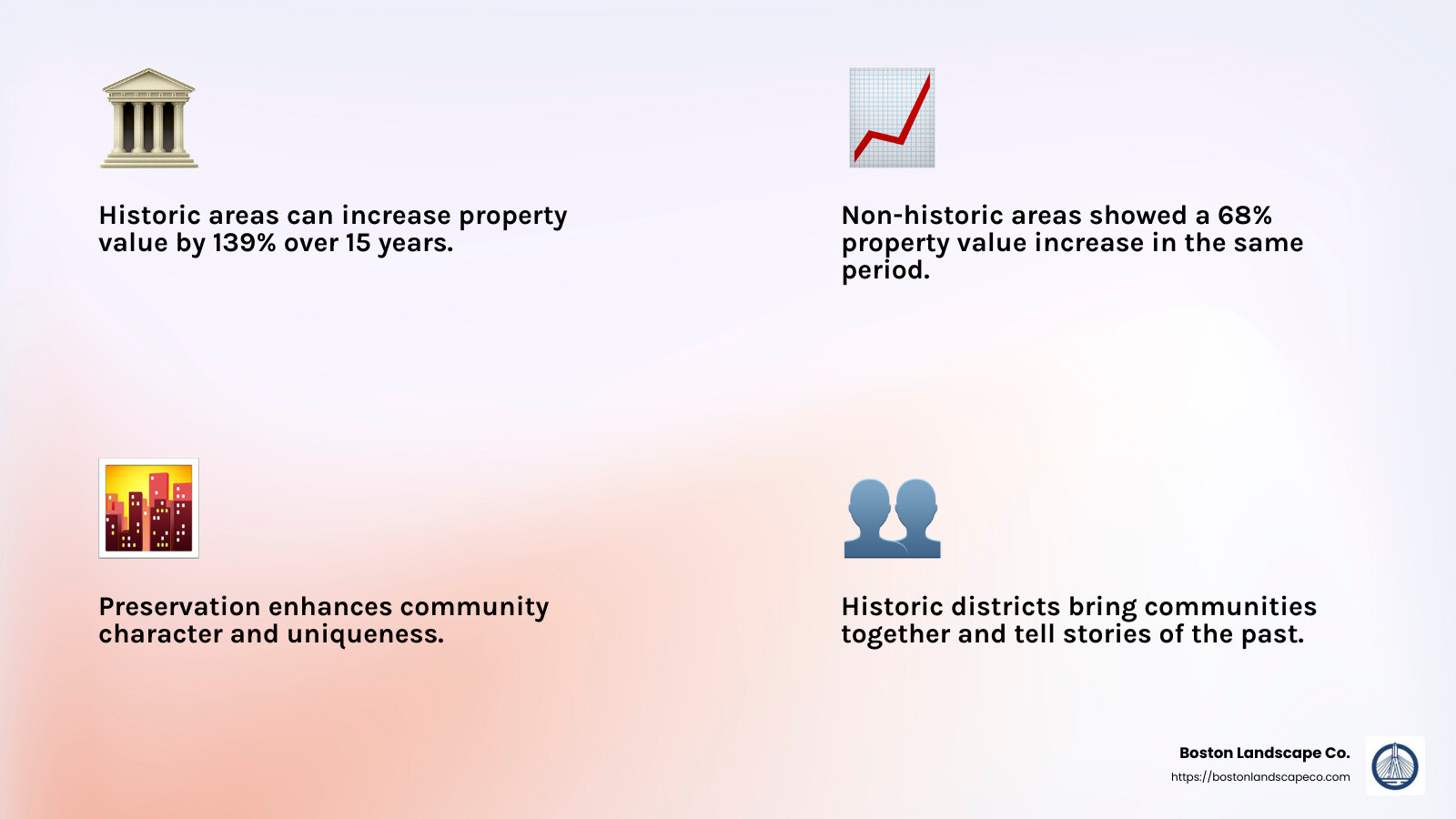
Historic buildings and long-standing businesses are the heart of many neighborhoods. They tell stories of the past and bring communities together. For example, Boston’s historic districts have seen property values rise significantly over the years, demonstrating how preserving cultural landmarks can improve property values while protecting the unique character of a community.
Moreover, these areas often attract a mix of independent businesses and startups, which thrive in environments rich with history and character. The charm of old buildings not only adds aesthetic appeal but also draws businesses that value the historical significance, such as the Southern Schoolbook Building in Atlanta.
Boosting Local Economies
Preserving commercial properties can significantly impact local economies. Historic districts often become hubs for small businesses, driving economic growth and employment. This is because the rehabilitation of older buildings tends to be more labor-intensive than new construction, creating more jobs.
Additionally, there’s a ripple effect: as these areas become more attractive, they draw more visitors and customers, further stimulating economic activity. This cycle of growth helps strengthen the local economy, making it more resilient.
Tenant Retention
Another key benefit of property preservation is tenant retention. Well-maintained properties attract and keep long-term tenants. By focusing on regular maintenance and timely repairs, property owners can build strong tenant relationships and encourage longer leases. This stability is vital for maintaining steady income streams and reducing turnover costs.
In summary, the preservation – commercial strategy is essential for maintaining the cultural vibrancy and economic vitality of communities. It not only protects historical and cultural landmarks but also supports local businesses and improves tenant satisfaction.
Up next, we’ll explore best practices for preserving commercial properties, ensuring they remain functional and appealing.
Best Practices for Preserving Commercial Properties
Preserving commercial properties is crucial for maintaining their value and functionality. Here, we’ll dive into the best practices for effective preservation, focusing on preventive maintenance, on-demand repairs, and regular property inspections.
Preventive Maintenance Strategies
Preventive maintenance is the cornerstone of commercial property preservation. It involves regular upkeep to prevent issues before they arise. This proactive approach is essential in maintaining the longevity and efficiency of a property.
- Recurring Maintenance: Scheduling regular checks and services can prevent costly repairs down the line. For example, HVAC systems should be inspected annually to ensure they operate efficiently and avoid unexpected breakdowns.
- Healthcare Facilities: These require specific maintenance due to their operational demands. Regular sanitization, equipment checks, and facility upgrades are vital to ensure compliance with health standards and provide a safe environment for patients and staff.
By implementing robust preventive maintenance strategies, property owners can avoid major repairs and extend the lifespan of their assets.
On-Demand Repairs and Emergency Services
Even with preventive measures, unexpected issues can occur. On-demand repairs are essential for addressing these problems swiftly and effectively.
- Facility Repair: Quick response to repair requests minimizes downtime and inconvenience for tenants. This includes addressing plumbing leaks, electrical faults, and HVAC malfunctions promptly.
- Vandalism Prevention: Protecting properties from vandalism is crucial. Installing security systems and performing regular checks can deter potential threats and ensure the safety of the premises.
Having a reliable on-call repair service ensures that any issues are resolved quickly, maintaining the property’s integrity and tenant satisfaction.
Regular Property Inspections
Regular property inspections are vital for identifying potential issues and ensuring compliance with regulations.
- Property Inspections: Conducting thorough inspections helps spot problems early, such as structural weaknesses or safety hazards. This proactive approach allows for timely interventions before issues escalate.
- Oversight and Compliance: Staying compliant with local regulations is crucial to avoid fines and maintain the property’s reputation. Regular oversight ensures that all aspects of the property meet the required standards, from fire safety to accessibility.
By prioritizing regular inspections, property owners can maintain high standards and ensure their properties remain safe and attractive.
Implementing these best practices in preservation – commercial is key to maintaining the value and functionality of commercial properties. Up next, we’ll explore common mistakes in commercial property preservation and how to avoid them.
Common Mistakes in Commercial Property Preservation
Preserving commercial properties can be a complex task, and mistakes can be costly. Here’s how to avoid the most common pitfalls.
Compliance Issues and How to Avoid Them
Staying compliant with rules and regulations is crucial for commercial property preservation. Ignoring these can lead to hefty fines or even losing the property.
- Understand Local Regulations: Each property may have unique requirements, such as specific codes mandated by owning banks or HOA requirements. Regularly review these to ensure compliance.
- Avoid Hefty Fines: Non-compliance can result in significant penalties. Conduct regular audits and stay informed about any changes in local laws or codes to avoid unexpected costs.
To steer clear of compliance issues, always prioritize understanding and adhering to local rules and regulations. This proactive approach can save both time and money.
Strategies for Tenant Retention
Focusing on tenant retention is essential for sustaining long-term success in commercial properties.
- Build Strong Tenant Relationships: Engage with tenants to understand their needs and address concerns promptly. This fosters trust and encourages long-term leases.
- Prioritize Property Management: Ensure the property is well-managed and maintained. A clean, safe, and functional environment is more likely to attract and retain tenants.
- Encourage Long-Term Leases: Offering incentives for longer leases can provide stability and predictability for both tenants and property owners.
By focusing on tenant relationships and property management, owners can improve tenant satisfaction and reduce turnover.
Ensuring Comprehensive Property Coverage
Comprehensive coverage is vital to protect and maintain commercial properties effectively.
- Seasonal Maintenance: Regular seasonal checks prevent weather-related damage. For instance, winterizing properties can avoid costly repairs due to snow and ice.
- Re-keying and Boarding: Secure the property by re-keying locks and boarding up windows as needed. This is especially important for vacant properties to prevent vandalism.
- Eviction Lockouts: Handle eviction lockouts professionally to ensure legal compliance and maintain property security.
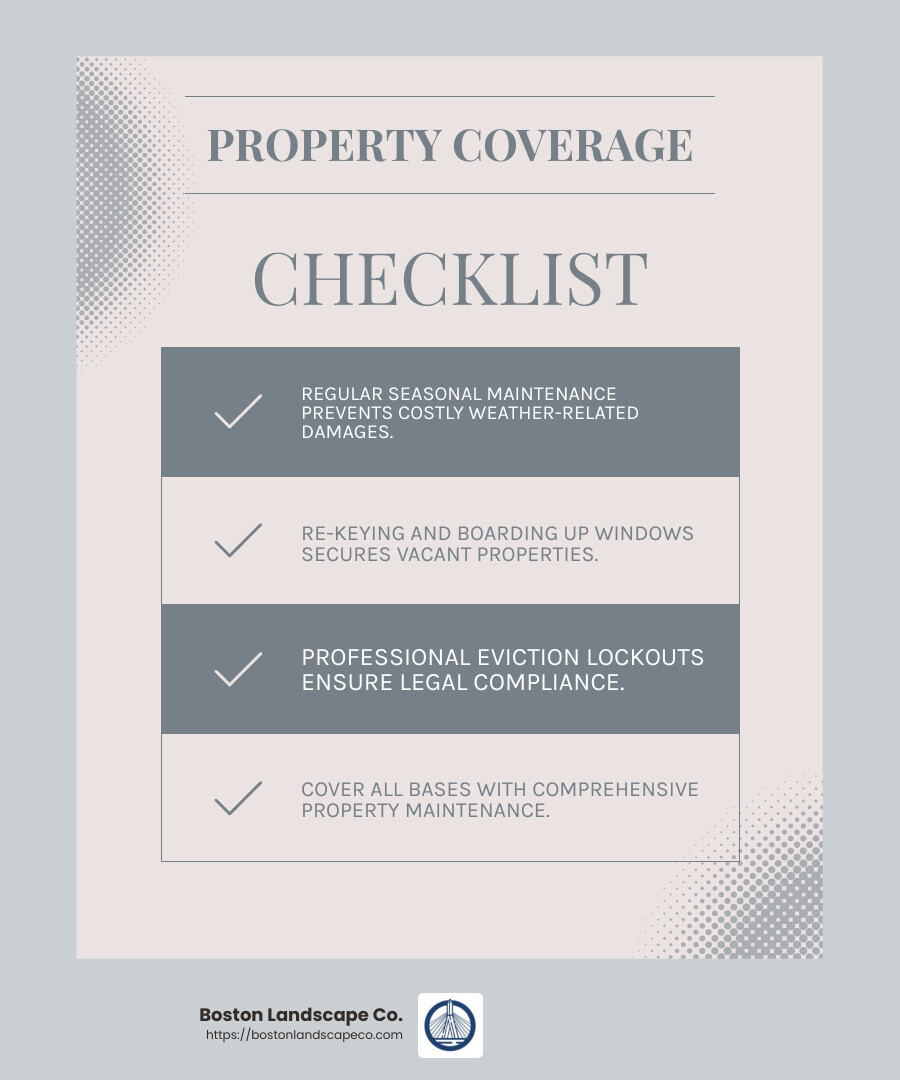
Covering all bases with seasonal maintenance, security measures, and proper handling of eviction lockouts ensures the property remains in top condition, safeguarding its value and appeal.
By avoiding these common mistakes in preservation – commercial, property owners can ensure their investments are well-protected and continue to thrive. Next, we’ll explore the benefits of preserving commercial properties.
Benefits of Preserving Commercial Properties
Preserving commercial properties isn’t just about maintaining appearances. It’s about safeguarding investments and ensuring long-term success. Let’s explore the key benefits:
Property Value Retention
A well-preserved property retains its value over time. According to a 2015 report, homes in historic districts increased in value by 139% over 15 years, compared to 68% outside those areas. This trend isn’t limited to residential properties; commercial spaces also benefit greatly from regular upkeep and preservation.
Regular Maintenance Saves Money: By investing in preventive and recurring maintenance, property owners can avoid costly repairs down the line, thus maintaining the property’s market value.
Vandalism Prevention
Security is a major concern for commercial property owners. Preventing vandalism is crucial, and taking proactive steps can make a big difference.
- Secure Entries: Re-keying and secure boarding help protect against unauthorized access. This is especially important for vacant properties.
- Property Inspections: Regular inspections can identify vulnerabilities before they become problems, reducing the risk of vandalism.
Local Authority Compliance
Staying in line with local regulations is not just about avoiding fines. It’s about ensuring smooth operations and community support.
- Avoiding Penalties: Compliance with local authority rules and HOA requirements prevents hefty fines that can impact financial stability.
- Building Community Trust: By adhering to local regulations, property owners foster trust and cooperation within the community.
Business Continuity
Preservation supports the seamless operation of businesses housed in commercial properties. A well-maintained property minimizes disruptions that can affect business continuity.
- Reliable Infrastructure: Regular maintenance ensures that facilities remain functional and safe, allowing businesses to operate without interruptions.
- Tenant Satisfaction: Happy tenants are more likely to renew leases, providing stability and reducing turnover.
By focusing on preservation – commercial, property owners can enjoy these benefits while contributing to the community’s cultural wealth and economic diversity. Up next, we’ll address some frequently asked questions about commercial property preservation.
Frequently Asked Questions about Commercial Property Preservation
What are the key benefits of preserving commercial properties?
Preserving commercial properties offers several important benefits:
- Property Value Retention: Regular maintenance helps maintain and even increase property value over time. Well-preserved properties are more attractive to potential buyers and tenants.
- Vandalism Prevention: Taking proactive steps like secure boarding and regular property inspections can prevent unauthorized access and reduce vandalism risks.
- Local Authority Compliance: Staying compliant with local rules and regulations helps avoid fines and fosters trust with the community.
- Business Continuity: A well-maintained property ensures that businesses can operate smoothly without disruptions, keeping tenants satisfied and more likely to renew leases.
How often should commercial properties undergo maintenance?
The frequency of maintenance for commercial properties depends on several factors, including location, property type, and usage. However, as a general guideline:
- Regular Inspections: Conduct property inspections at least quarterly to identify and address potential issues early.
- Preventive Maintenance: Schedule preventive maintenance activities, such as HVAC servicing and roof inspections, bi-annually or annually.
- Seasonal Maintenance: Adjust maintenance tasks according to seasonal needs, like snow removal in winter or landscaping in spring.
- On-Demand Repairs: Be ready to address emergency repairs promptly to minimize disruptions and damage.
What are the common compliance issues in commercial property preservation?
Compliance issues can arise from several areas and may lead to hefty fines if not addressed:
- Ignoring Local Regulations: Failing to adhere to local building codes and HOA requirements can result in penalties. It’s essential to stay updated on any changes in regulations.
- Neglecting Safety Standards: Ensure that safety standards are met, including fire safety and accessibility requirements, to avoid legal issues and ensure tenant safety.
- Overlooking Environmental Regulations: Compliance with environmental laws, such as waste disposal and energy efficiency standards, is crucial for sustainable property management.
By understanding these compliance issues, property owners can take proactive steps to avoid problems and maintain smooth operations.
Conclusion
Preserving commercial properties is not just about maintaining appearances; it’s about ensuring functionality and enhancing outdoor spaces. At Boston Landscape Co., we understand the importance of comprehensive services in achieving these goals.
Our custom commercial landscaping services are designed to meet the unique needs of each property. Whether it’s routine maintenance, emergency repairs, or strategic landscape design, our team is equipped to handle it all.
Functionality is a key focus for us. We integrate features like patios, walkways, and eco-friendly irrigation systems to make outdoor areas more usable and enjoyable. This approach not only beautifies properties but also ensures they serve practical purposes, such as providing safe and inviting spaces for tenants and customers.
By choosing Boston Landscape Co., you are investing in a partner dedicated to preserving and enhancing your property’s value and appeal. We are committed to delivering high-quality services that keep your commercial property functional and attractive all year round.