
Inground Trampolines: Top 10 Ultimate Fun Solutions 2024
Safety, Fun, Family
Inground trampolines offer an exciting way to bring fun and safety together for your family. Whether you are a parent looking for a safe and enjoyable space for your children to play or someone wanting to improve the aesthetic appeal of your backyard, inground trampolines can be a great investment.
Here’s what you need to know upfront:
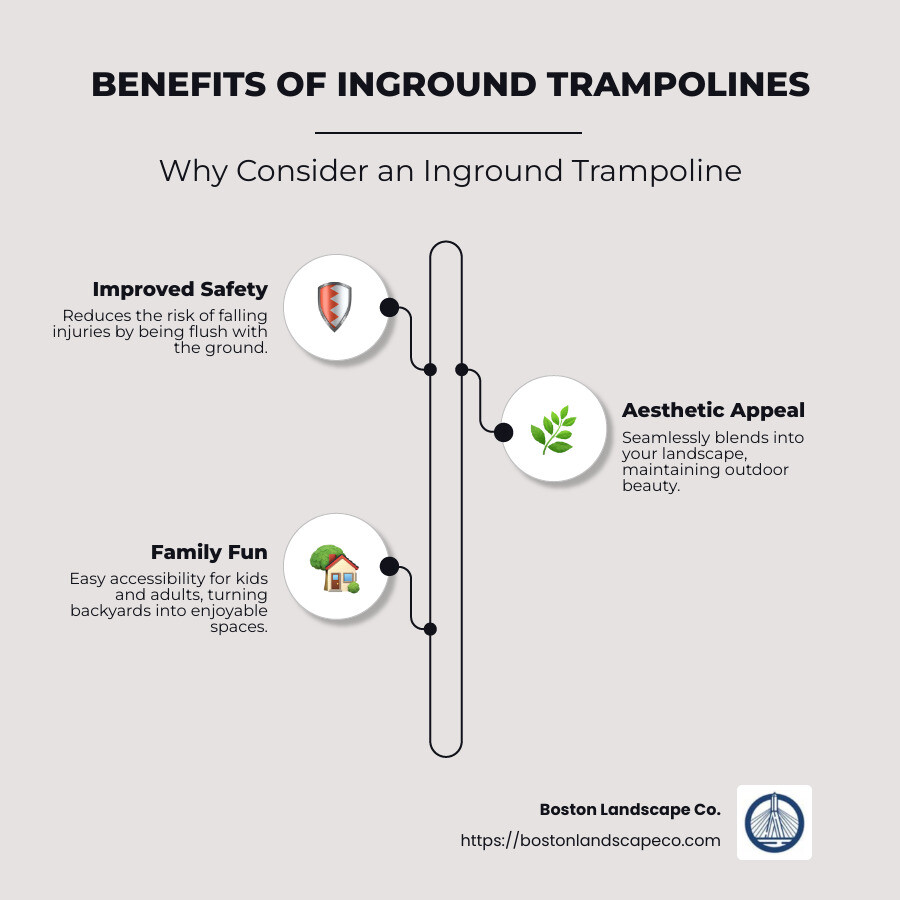
- Improved Safety: With an inground trampoline, the risk of falling injuries is greatly reduced as the trampoline is flush with the ground.
- Aesthetic Appeal: These trampolines blend seamlessly into your landscape, maintaining the beauty of your outdoor space.
- Family Fun: Inground trampolines offer easy accessibility, making it simpler for kids and adults of all ages to enjoy and stay active.
Engaging in trampoline activities can turn any backyard into a captivating place for family fun and exercise. As an avid proponent of quality landscaping and safe recreational spaces, I have seen how inground trampolines can transform backyards into enjoyable and safe environments.
I’m Steve Schumacher, owner-operator of Boston Landscape Co since 1991. With over three decades of experience, I specialize in integrating functional and visually appealing elements into outdoor spaces, including inground trampolines to ensure safety and enjoyment for families.
In the next section, we’ll dig into why you should consider an inground trampoline over the traditional varieties.
Inground trampolines terms to remember:
– Inground Trampoline Company
– how to install an in ground trampoline
– putting a trampoline into the ground
Why Choose Inground Trampolines?
Safety Benefits
Inground trampolines are a game-changer when it comes to safety. Unlike traditional trampolines that sit several feet above the ground, inground trampolines are installed flush with the ground. This drastically reduces the risk of severe injuries from falls, which is a common concern with above-ground models.
In fact, according to the U.S. Consumer Product Safety Commission, there were 92,159 hospital emergency room-treated injuries related to trampolines in 2010. Many of these injuries could have been less severe or avoided with an inground trampoline.
Parents can breathe easier knowing that their kids are jumping closer to ground level. Plus, inground trampolines eliminate the need for ladders, which are another common source of accidents.
Aesthetic Appeal
One of the standout features of inground trampolines is their aesthetic appeal. Traditional trampolines can be an eyesore, dominating your backyard and disrupting the landscape. In contrast, inground trampolines blend seamlessly with your garden design, making them almost invisible from a distance.

This low-profile design not only improves the look of your outdoor space but also makes the trampoline more inviting. Imagine a trampoline that you can simply walk onto without any barriers. It’s an neat solution for those who value both functionality and beauty in their backyard.
Increased Property Value
Investing in an inground trampoline can also boost your property value. Homebuyers with families often look for safe, fun, and aesthetically pleasing features in a home. An inground trampoline checks all these boxes.
According to Boston Landscape Co., integrating an inground trampoline into your landscape can make your property more appealing to potential buyers. It’s an attractive feature that signals a family-friendly environment and a well-maintained yard.
Additionally, the durability of inground trampolines—thanks to their robust construction and weather-resistant materials—means they can last for years. This long-lasting investment can be a selling point, demonstrating the quality and care put into maintaining the property.
In the next section, we’ll explore the different types of inground trampolines available to help you choose the best fit for your family and backyard.
Types of Inground Trampolines
When it comes to inground trampolines, there are several options to consider. The shape and size of the trampoline can affect everything from the bounce quality to how it fits into your yard. Let’s explore the main types of inground trampolines: rectangle, round, and various sizes.
Rectangle Trampolines
Rectangle trampolines are a popular choice for those who want a more powerful and consistent bounce. This shape is often preferred by gymnasts and serious jumpers because the springs work independently, providing a more controlled and even bounce across the entire surface.
- Advantages:
- Consistent Bounce: Ideal for gymnastic training and advanced tricks.
- Space Efficiency: Can fit better in narrow or rectangular yards.
- Professional Feel: Often used in professional settings.
- Disadvantages:
- Higher Cost: Generally more expensive due to their structure.
- Complex Installation: May require more precise excavation and support.
Round Trampolines
Round trampolines are the most common type and are great for families with young children. The circular shape directs jumpers towards the center, making it safer for group play.
- Advantages:
- Safety: The shape naturally guides jumpers to the center, reducing the risk of falling off.
- Cost-Effective: Typically less expensive than rectangular models.
- Ease of Installation: Easier to install due to uniform shape.
- Disadvantages:
- Less Bounce Control: Springs work together, which can result in a less consistent bounce.
- Space Requirements: Requires a larger yard area to accommodate the circular shape.
Sizes
Inground trampolines come in various sizes to fit different needs and yard spaces. Here are some common sizes and their benefits:
- 10ft x 6ft: Perfect for smaller yards and younger children. These trampolines are compact yet provide ample space for safe jumping.
- 11ft x 8ft: A medium-sized option that balances space and usability. Great for families with limited yard space but who still want a decent jumping area.
- 14ft x 10ft: Ideal for larger families or those who frequently host gatherings. This size offers plenty of room for multiple jumpers and more dynamic activities.
- 17ft x 10ft: The largest standard size, perfect for serious jumpers, gymnasts, or large families. It provides a professional-grade experience with ample space for tricks and advanced moves.
Choosing the Right Type
When deciding on the type of inground trampoline for your family, consider the following:
- Yard Space: Measure your available yard space to ensure the trampoline fits comfortably without crowding other areas.
- User Age and Skill Level: Younger children might benefit more from a round trampoline, while older kids and adults might prefer the bounce quality of a rectangular one.
- Budget: Factor in the cost of the trampoline itself, as well as installation and any additional safety features like nets and padding.
By understanding the different types of inground trampolines, you can make a more informed decision that best suits your family’s needs and your yard’s layout.
In the next section, we’ll cover the installation process for inground trampolines, including tips for excavation and integration into your landscape.
Installation Process for Inground Trampolines
Installing an inground trampoline can transform your backyard into a fun and safe play area. Here’s a step-by-step guide to help you through the process, from excavation to landscaping integration.
Excavation
The first step in installing an inground trampoline is digging the hole. This might sound daunting, but with the right tools and a bit of planning, it’s manageable.
Steps for Excavation:
- Measure the Trampoline Dimensions: Start by measuring the dimensions of your trampoline, adding extra space around for ease of installation and maintenance.
- Mark the Area: Use spray paint or stakes and string to mark the area where you’ll dig.
- Dig the Hole: The hole should be about 3 feet deep and slightly larger than the trampoline frame. This ensures there’s enough space for the frame and proper drainage.
Tools Needed:
– Shovel or small backhoe for digging
– Wheelbarrow for moving soil
– Measuring tape
Pro Tip: Soil expands up to three times when removed, so you’ll need a larger skip or multiple smaller skips to handle the excess soil.
Installation
Once the hole is ready, it’s time to install the trampoline. This involves setting up drainage, constructing retaining walls, and placing the trampoline frame.
Steps for Installation:
- Set Up Drainage: Lay a layer of gravel at the bottom of the hole to facilitate drainage. This prevents water from collecting under the trampoline.
- Construct Retaining Walls: Use blocks or specially designed panels to support the sides of the excavation. This prevents soil collapse and keeps the trampoline stable.
- Place the Frame: Carefully place the trampoline frame within the hole, ensuring it sits level. Attach any additional components like springs and the jumping mat.
Tools Needed:
– Gravel for drainage
– Retaining materials (blocks or panels)
– Level to ensure the frame sits evenly
Pro Tip: If you have sandy soil, drainage is less of a concern. For clay or chalky soil, consider installing a soak-away at the bottom of the hole.
Landscaping Integration
The final step is integrating the trampoline into your landscape. This ensures the trampoline not only functions well but also looks great in your yard.
Steps for Landscaping Integration:
- Backfill Around the Trampoline: Use soil and gravel to backfill around the trampoline frame. Ensure stability and proper drainage.
- Install Edge Padding: Add edge padding for safety and a finished look. This also helps prevent injuries.
- Add Safety Nets (Optional): While not always necessary, safety nets can provide an extra layer of protection, especially for younger children.
Tools Needed:
– Additional soil and gravel for backfilling
– Edge padding
– Safety nets (if desired)
Pro Tip: Consider creating a landscape feature with the excess soil, like a mound or raised flower beds. This not only uses up the soil but also improves your yard’s aesthetics.
By following these steps, you can successfully install an inground trampoline that’s safe, functional, and beautifully integrated into your landscape.
In the next section, we’ll discuss how to maintain your inground trampoline to ensure it stays in top condition for years to come.
How to Maintain Your Inground Trampoline
Keeping your inground trampoline in top shape requires regular maintenance. This ensures safety, longevity, and optimal performance. Here’s how to manage drainage, prevent corrosion, and perform regular checks.
Drainage Solutions
Proper drainage is crucial to prevent water from accumulating under the trampoline, which can lead to rust and other issues.
Steps for Effective Drainage:
- Install a Soak-Away: If you have clay or chalky soil, dig a smaller hole at the bottom of the main excavation. Line it with a permeable weed membrane and fill it with gravel or crushed hardcore. This allows water to drain effectively.
- Use Gravel: Lay a layer of gravel at the bottom of the main hole. This facilitates drainage and prevents water from pooling.
- Check Regularly: Inspect the drainage system periodically, especially after heavy rain, to ensure it’s working properly.
Pro Tip: If your yard has a high water table or is prone to flooding, consult a drainage expert for a custom solution.
Corrosion Prevention
Rust can weaken the trampoline frame and springs, compromising safety and performance.
Tips to Prevent Corrosion:
- Use Rust Protection: Apply a rust-resistant spray to the frame and springs. This creates a protective barrier against moisture.
- Inspect for Rust: Regularly check the frame and springs for signs of rust. Early detection can prevent further damage.
- Keep It Dry: Ensure that the trampoline area is well-drained. Water pooling can accelerate rust formation.
Pro Tip: Cover the trampoline during heavy rain and in winter to minimize exposure to moisture.
Regular Checks
Routine inspections and maintenance can catch issues before they become serious problems.
Checklist for Regular Maintenance:
- Clean the Mat and Net: Use mild soap and water to clean the jumping mat and safety net. This removes dirt and debris that can cause wear.
- Check Springs: Inspect the springs for tension and wear. Replace any that are loose or stretched to maintain bounce quality.
- Inspect the Frame: Ensure that the frame is stable and securely anchored. Look for any signs of stress or damage.
- Torn Mats or Nets: Look for any tears or holes in the jumping mat or safety net. Repair or replace them promptly to ensure safety.
Pro Tip: Conduct a safety inspection at least once a month. Tighten all connections and ensure the frame is firmly anchored.
By following these maintenance tips, your inground trampoline will remain safe and enjoyable for years to come. Regular upkeep not only extends the trampoline’s lifespan but also ensures a fun and secure jumping experience for the whole family.
In the next section, we’ll answer some frequently asked questions about inground trampolines to help you make the most informed decisions.
Frequently Asked Questions about Inground Trampolines
Is an Inground Trampoline Worth It?
Absolutely! Investing in an inground trampoline comes with several benefits. First, they are much safer compared to above-ground models. Since they are flush with the ground, the risk of falling injuries is greatly reduced. This is a big plus, especially for families with young children.
Additionally, inground trampolines improve the visual appeal of your backyard. They blend seamlessly into your landscape, making them a more attractive option than bulky above-ground trampolines. Families also love the easy accessibility, making it simpler for kids and adults of all ages to enjoy.
How Much Does It Cost to Build an Underground Trampoline?
The cost of installing an inground trampoline can vary depending on several factors:
- Size: Larger trampolines require more materials and labor, increasing costs.
- Quality: Higher quality trampolines, especially those with galvanized steel frames, are more expensive but offer greater durability and safety.
- Optional Accessories: Adding features like LED lights, covers, or basketball hoops can significantly increase the overall cost.
Installation Costs:
– Excavation: Digging a hole for a 14-foot trampoline can range from $400 to $1,500, depending on soil conditions.
– Retaining Wall: To maintain the shape of the hole, a retaining wall is necessary. This can cost around $2,000.
– Water Drainage: Installing a drainage system can start from a few hundred dollars and go up to several thousand, depending on complexity.
While the upfront costs might seem high, the long-term value provided by an inground trampoline is substantial. They typically offer improved safety features, aesthetic integration into your landscape, and better durability compared to above-ground models.
Can You Put a Normal Trampoline in the Ground?
Technically, yes, but it’s not recommended. Normal trampolines are not designed to handle the unique challenges of being installed underground. Here are a few safety risks to consider:
- Airflow Issues: Regular trampolines don’t have the proper ventilation needed for optimal bounce. This can lead to poor performance and increased wear.
- Corrosion: Above-ground trampolines are not built to withstand the moisture and soil contact that comes with being buried. This can lead to rapid rusting and structural failure.
- Water Accumulation: Without proper drainage, water can collect under the trampoline, leading to rust and mold.
For these reasons, it’s best to invest in a professionally designed inground trampoline. They are built with features like vented pads for airflow and rust-resistant materials to handle underground conditions. Plus, professional installation ensures that all safety standards are met, giving you peace of mind.
By addressing these common questions, we hope to help you make the most informed decision about installing an inground trampoline. Up next, we’ll discuss how Boston Landscape Co. can improve your landscape with custom designs and maintenance services.
Enhancing Your Landscape with Boston Landscape Co.
Integration
One of the standout benefits of an inground trampoline is how seamlessly it integrates into your landscape. Unlike above-ground trampolines, which can be an eyesore, inground trampolines blend naturally with your backyard. This integration not only improves the visual appeal but also adds value to your property.
Boston Landscape Co. specializes in creating custom designs that make your trampoline a focal point of your outdoor space. Whether you have a modern garden or a rustic backyard, we ensure that your trampoline installation fits perfectly with the existing landscape.
Custom Designs
Every backyard is unique, and so are the needs of each family. That’s why we offer custom designs custom to your specific requirements. From choosing the right size and shape to incorporating additional features like LED lights or basketball hoops, we work closely with you to create a trampoline setup that your family will love.
Our team of experts uses high-quality materials and the latest technologies to ensure durability and safety. With Boston Landscape Co., you can be confident that your trampoline will not only look great but also provide years of fun and exercise for your family.
Maintenance Services
Maintaining an inground trampoline can be a breeze with the right services. Boston Landscape Co. offers comprehensive maintenance packages to keep your trampoline in top condition. Our services include:
- Regular Inspections: To ensure all parts are functioning correctly and safely.
- Drainage Solutions: Installing and maintaining effective drainage systems to prevent water accumulation.
- Corrosion Prevention: Applying treatments to guard against rust and other forms of corrosion.
We also provide seasonal maintenance tips, such as covering your trampoline during the winter months to protect it from harsh weather conditions. With our professional maintenance services, you can enjoy peace of mind knowing that your trampoline is safe and well-maintained.
By choosing Boston Landscape Co., you’re not just buying a trampoline; you’re investing in a feature that improves your entire landscape. Our expertise in integration, custom designs, and maintenance services ensures that your trampoline will be a valuable addition to your home for years to come.
Conclusion
Investing in an inground trampoline is more than just adding a fun feature to your backyard—it’s about changing your outdoor space into a hub of family fun, health benefits, and home improvement.
Family Fun
An inground trampoline is a fantastic way to get the whole family outside and active. Imagine the joy on your kids’ faces as they jump and play, creating memories that will last a lifetime. It’s not just for kids, though—parents can join in too, making it a great way to bond as a family. The ground-level design makes it easy for everyone, from toddlers to grandparents, to participate safely.
Health Benefits
Trampolining is an excellent form of exercise that offers numerous health benefits. It’s a low-impact workout that improves cardiovascular health, strengthens muscles, and improves coordination and balance. Plus, it’s a lot more fun than traditional forms of exercise, making it easier to keep the whole family active. Regular use of an inground trampoline can help combat childhood obesity and encourage a lifelong love of physical activity.
Home Improvement
An inground trampoline can significantly improve the aesthetic and functional value of your property. Unlike above-ground trampolines, which can be bulky and intrusive, inground models blend seamlessly into your landscape. This integration not only makes your backyard more visually appealing but can also increase your home’s overall value. With Boston Landscape Co., we ensure that your trampoline installation complements your existing outdoor design, making it a standout feature of your home.
By choosing an inground trampoline from Boston Landscape Co., you’re making a smart investment in your family’s health and happiness. Our expertise in custom designs, seamless integration, and comprehensive maintenance services ensures that your trampoline will be a valuable addition to your home for years to come.
Ready to transform your backyard? Contact us today to get started on your journey to family fun, health benefits, and a more beautiful home.
By following these guidelines, you can enjoy the many benefits of an inground trampoline while ensuring it remains a safe and enjoyable feature of your landscape for years to come.
