
5 Ways to Prevent Invasive Species: Top Tips 2025
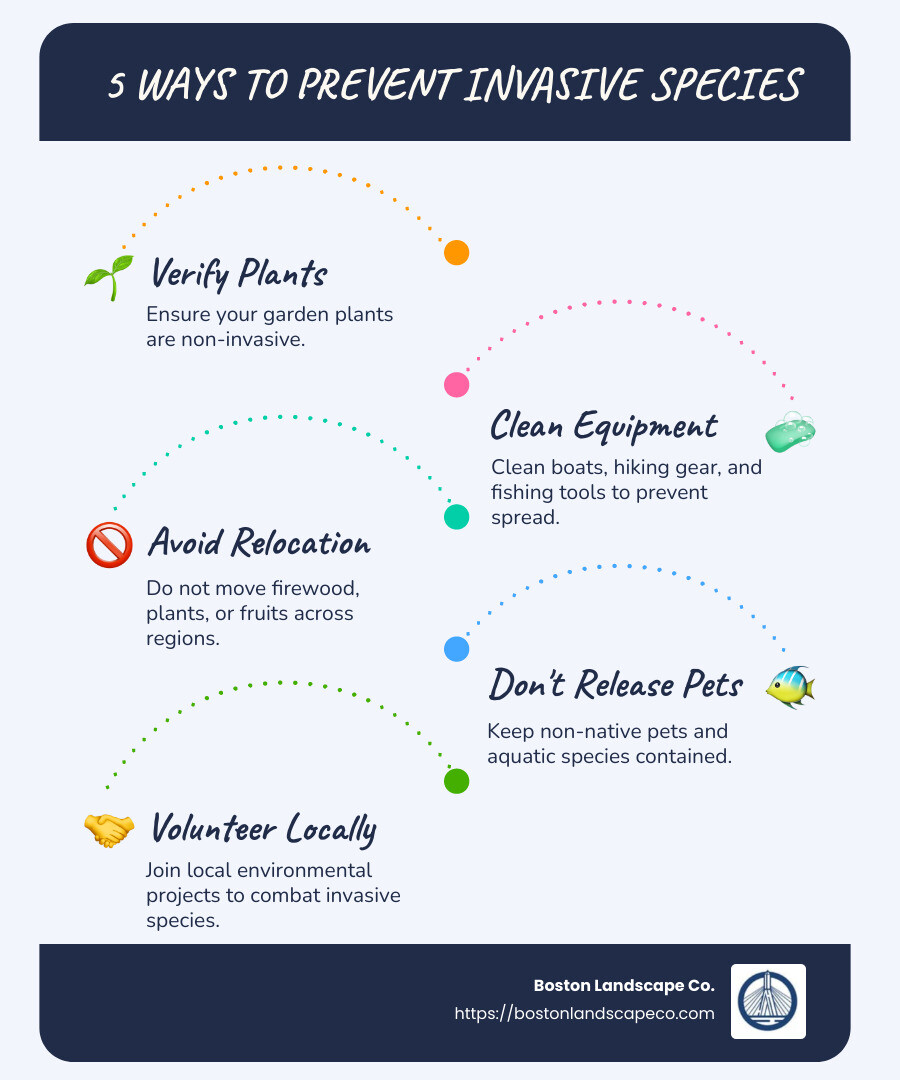
5 ways to prevent invasive species can make a big impact in preserving the beauty and health of our local environments. Whether it’s maintaining clean hiking gear, choosing plants carefully for your garden, or understanding the risks of moving firewood, these actions are key:
- Verify plants in your garden are non-invasive.
- Clean boats and gear before transport.
- Avoid relocating plants, fruits, and firewood.
- Don’t release non-native species into the wild.
- Volunteer in local environmental efforts.
Invasive species are non-native organisms that can disrupt local ecosystems, displace native species, and degrade natural landscapes. Their impact isn’t just environmental; it affects our community’s economy and quality of life too. Preventing the spread of these species is often more manageable than trying to control them once they’re established. We can protect our neighborhoods by incorporating simple, proactive measures.
I’m Steve Schumacher, the founder of Boston Landscape Co. With over 30 years in the landscaping industry, I’ve seen how implementing the right measures can address the threat of invasive species. Our team is committed to using the latest techniques and sharing expertise to maintain the natural beauty of the Greater Boston area.
5 ways to prevent invasive species terms made easy:
– biological control invasive species
– how can an invasive species impact a local ecosystem
– constructed wetlands in the sustainable landscape
Understanding Invasive Species
Invasive species are like uninvited guests who overstay their welcome, causing chaos in your home. These are plants, animals, or other organisms that move into a new area and start spreading, often harming the local environment.
What makes them so harmful? Well, when these invaders take over, they can push out native species—those that naturally belong in the area. Imagine a garden where only one type of fast-growing weed takes over, leaving no room for the flowers and plants that should be there. That’s what happens on a larger scale in ecosystems affected by invasive species.
Native species have evolved over time to fit perfectly into their ecosystems. They play specific roles, like providing food and shelter for other animals. When invasive species show up, they disrupt this balance. For example, an invasive plant might not offer the same food or habitat that native wildlife needs to survive.
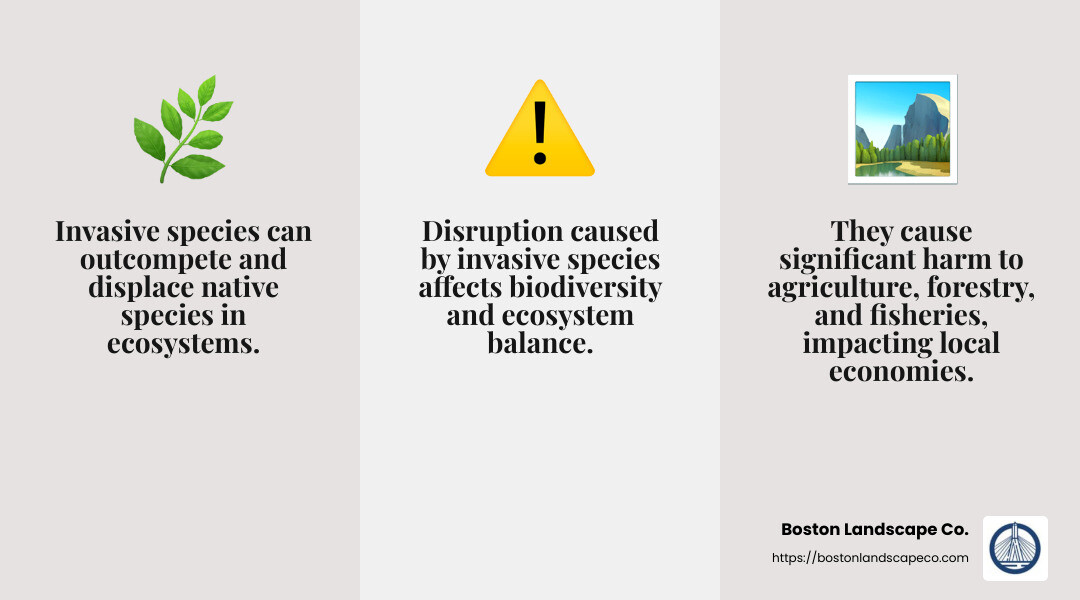
Why should we care? Because the harm caused by invasive species doesn’t stop at the environment. It can spill over into our lives too. For instance, invasive species can damage crops, forests, and fisheries, impacting food sources and local economies. They can even make outdoor activities less enjoyable by clogging waterways or covering hiking trails with dense vegetation.
Understanding these impacts is the first step in prevention. By being aware of the issue and taking action, we can help protect our ecosystems and the native species that call them home.
5 Ways to Prevent Invasive Species
Preventing invasive species is all about awareness and public education. It’s like being a vigilant gardener who knows exactly what to plant and what to avoid. Here are five effective strategies to help keep these unwanted invaders at bay:
1. Clean Your Equipment
Whether you’re hiking, fishing, or enjoying a day on the water, your gear can be a vehicle for invasive species. Seeds, insects, and tiny organisms can hitch a ride on your boots, fishing gear, or boat.
- Hikers: Clean your boots before entering a new trail. This simple action can prevent the spread of weed seeds and pathogens.
- Boaters: Wash your watercraft thoroughly before moving it to a different body of water. This helps stop aquatic invaders from spreading.
2. Use Native Plants
When gardening or landscaping, choose native plants. They are well-suited to the local environment, require less maintenance, and support local ecosystems.
- Why native? Native plants offer food and habitat for local wildlife. They also help maintain the balance of the ecosystem, unlike some ornamental plants that can become invasive.
3. Avoid Moving Firewood
Transporting firewood might seem harmless, but it can carry pests like the emerald ash borer.
- Buy local, burn local: Purchase firewood near where you plan to burn it. This reduces the risk of spreading pests that can devastate forests.
4. Report Sightings
If you spot an invasive species, report it to local authorities. This quick action can lead to early detection and rapid response, which are crucial in preventing the spread.
- Be an active participant: Use apps like iNaturalist or iMapInvasives to report sightings. Your input can make a significant difference.
5. Educate Others
Share what you know about invasive species with friends and family. Public education is a powerful tool in prevention.
- Get involved: Volunteer at local parks or join community programs aimed at removing invasive species. The more people know, the better we can protect our natural spaces.
By following these 5 ways to prevent invasive species, we can safeguard our ecosystems and enjoy the beauty of our natural surroundings without disruption. Let’s move on to explore how to keep our gear clean and ready for new trips.
Clean Your Equipment
Keeping your gear clean is one of the simplest yet most effective ways to prevent invasive species from spreading. Whether you’re hiking, fishing, or boating, your equipment can unknowingly carry seeds, insects, and microorganisms to new locations.
Hiking Gear
When you’re out on the trail, your boots can pick up more than just dirt. They can collect seeds and tiny organisms that are eager to find new homes.
- Tip: Before and after your hike, give your boots a good scrub. Use a stiff brush to remove any soil or plant material. This helps prevent the spread of invasive plants and pathogens.
Fishing Gear
Fishing is a relaxing pastime, but your gear can be a hidden danger to local ecosystems. Invasive species like didymo, also known as “river snot,” can latch onto fishing equipment.
- Tip: Switch from felt-soled to rubber-soled waders. Felt can harbor invasive species, while rubber is easier to clean. After fishing, rinse your gear thoroughly with clean water to wash away any hitchhikers.
Watercraft
Boats are great for exploring new waters, but they can also transport aquatic invaders between lakes and rivers.
- Tip: Clean your boat before moving it to a new body of water. Pay special attention to the hull and any equipment that enters the water. This simple step can stop the spread of harmful algae and other aquatic pests.
By taking the time to clean your equipment, you’re not only protecting the environment but also ensuring that your favorite outdoor spots remain pristine for future trips. Next, let’s dive into the benefits of using native plants in your garden and landscape.
Use Native Plants
Choosing native plants for your garden and landscape is a powerful way to help prevent invasive species. These plants are well-adapted to the local climate and soil, which means they require less maintenance and water. Plus, they support local wildlife and biodiversity.
Benefits of Native Plants
- Low Maintenance: Native plants have evolved to thrive in local conditions. This means less watering, fertilizing, and pest control. They are naturally resilient and hardy.
- Supports Local Wildlife: Native plants provide food and shelter for local insects, birds, and other wildlife. This helps maintain a balanced ecosystem.
- Prevents Invasive Species: By choosing native plants, you reduce the demand for exotic species that can become invasive. Many invasive plants, like the notorious burning bush and barberry, were introduced through the horticulture industry.
How to Get Started
- Visit Local Nurseries: Ask for native plant options. If your local garden center doesn’t have them, request that they stock more native choices.
- Replace Invasive Plants: If you already have invasive species in your garden, consider replacing them with native alternatives. This small change can have a big impact on your local environment.
- Educate Yourself: Learn about the native plants in your area. The more you know, the better choices you can make for your garden.
By incorporating native plants into your landscape, you’re not just beautifying your space—you’re playing a crucial role in protecting your local environment. Now, let’s discuss the importance of avoiding the movement of firewood to prevent pests like the emerald ash borer.
Avoid Moving Firewood
Moving firewood might seem harmless, but it can be a major way pests spread, especially the destructive emerald ash borer. When firewood is moved from one place to another, it can carry hidden insects and diseases that harm trees and forests.
Why Local Firewood Matters
- Pests Travel with Firewood: Firewood often harbors pests like the emerald ash borer. Once moved, these pests can escape and infest new areas. The emerald ash borer alone has devastated millions of ash trees across the United States.
- Local Firewood is Safer: By using firewood sourced locally, you minimize the risk of spreading pests. Local firewood has already been exposed to the area’s pests, reducing the chance of introducing new ones.
- Protects Forests and Ecosystems: Keeping firewood local helps maintain healthy forests. Forests provide crucial habitats and are vital for biodiversity.
How to Prevent Spreading Pests
- Buy Local: Always purchase firewood close to where you plan to burn it. Many parks and campgrounds have rules about bringing in outside firewood for this reason.
- Use It All: If you bring firewood somewhere, use it all. Leaving it behind can still lead to pest spread.
- Educate Others: Share this knowledge with friends and family. Many people are unaware of the risks associated with moving firewood.
By avoiding the movement of firewood, you help protect your local forests and prevent the spread of invasive pests like the emerald ash borer. Now, let’s look at how you can report sightings of invasive species to local authorities.
Report Sightings
Spotting an invasive species? Reporting it can make a huge difference. Public awareness and quick action are key to stopping these unwelcome guests from spreading.
Why Reporting Matters
- Early Detection: The sooner authorities know about an invasive species, the faster they can act. Early detection can save native ecosystems from damage.
- Preventing Spread: By reporting sightings, you help prevent these species from becoming a bigger problem. Once invasive species establish, they can be difficult to control.
- Community Involvement: Reporting sightings is a simple way to get involved in protecting your local environment. It empowers everyone to be part of the solution.
How to Report
- Contact Local Authorities: If you see an invasive species, reach out to your local environmental agency or park service. They have the tools and expertise to handle the situation.
- Use Reporting Apps: Apps like iNaturalist and iMapInvasives make it easy to log sightings. These platforms connect you with a community of experts who can verify and act on your reports.
- Educate Yourself and Others: Learn to identify common invasive species in your area. Share this knowledge with friends and family to increase public awareness.
What to Report
- Location and Date: Note where and when you saw the invasive species.
- Description: Provide a clear description or photo of the species.
- Impact: Mention any visible effects on local plants or wildlife.
By reporting sightings, you play a crucial role in protecting your community’s natural landscapes. Your efforts help local authorities take timely action, keeping ecosystems healthy and balanced. Next, let’s dive into some frequently asked questions about invasive species.
Frequently Asked Questions about Invasive Species
How can we prevent invasive species?
Preventing invasive species involves a mix of simple actions and awareness. Here are a few key strategies:
- Be Mindful with Aquarium Fish and Exotic Pets: Never release aquarium fish or exotic pets into the wild. They can become invasive and harm local ecosystems. If you can’t care for them, contact a pet shop or rescue organization for advice.
- Volunteer for Local Initiatives: Join local groups focused on controlling invasive species. Volunteering can involve anything from removing invasive plants to educating others about prevention.
What is the 10 rule for invasive species?
The “tens rule” is a guideline suggesting that only about 10% of introduced species survive in the wild, and of those, only 10% become invasive. This means that while many species are introduced to new environments, only a small fraction cause significant ecological harm. However, the ones that do can be devastating, making prevention crucial.
What are 4 ways that invasive species can spread?
Invasive species can spread through various means, often unintentionally. Here are four common pathways:
- Vehicles: Invasive plants and animals can hitch a ride on vehicles. Mud on tires and equipment can contain seeds or larvae. Always clean your vehicles and gear before traveling to new areas.
- Firewood: Moving firewood can transport pests like the emerald ash borer. Always buy firewood locally and avoid moving it across regions.
- Bait: Using live bait can introduce non-native species to new waters. Always dispose of bait properly and avoid using non-native species as bait.
- Ornamental Plants: Some ornamental plants used in landscaping can escape into the wild and become invasive. Opt for native species in your garden to support local ecosystems.
By understanding these pathways and taking preventative measures, we can significantly reduce the risk of invasive species spreading. This proactive approach helps protect our natural landscapes and biodiversity.
Conclusion
At Boston Landscape Co., we believe that collaboration and community involvement are key to effectively managing and preventing invasive species. Our commitment to sustainable landscaping practices extends beyond beautifying spaces; we aim to safeguard the environment and foster community resilience.
Partnerships are vital in combating the spread of invasive species. By working alongside local authorities, environmental organizations, and fellow community members, we can develop comprehensive strategies for prevention and control. Together, we can create a network of informed citizens who are equipped to take action.
Community involvement is at the heart of our approach. We encourage residents in the Boston area to engage with local initiatives and volunteer for projects aimed at removing invasive species and promoting native plants. By participating, you not only help protect local ecosystems but also gain valuable knowledge and skills.
We invite you to join us in making a positive impact. Whether it’s through attending workshops, volunteering for removal efforts, or simply spreading awareness, every action counts. Let’s work together to keep our landscapes healthy and thriving for generations to come.
For more information on how Boston Landscape Co. can assist you with sustainable landscaping and wetland services, visit our Wetland Landscaping Services page. Let’s craft a greener, more sustainable Boston, one project at a time.
